
Selecting the perfect seating for your dining area requires balancing visual appeal with structural durability. Wood dining chairs are a timeless choice, offering natural warmth, unique grain patterns, and exceptional longevity. However, because wood is such a versatile material, these chairs come in a vast array of shapes, finishes, and design heritages. Finding the style that complements your home aesthetic involves understanding how different wood tones, silhouettes, and structural details interact with your existing decor.
Whether you are designing a light-filled, minimalist space or a moody, industrial dining room, the right wooden chairs act as a unifying element. The key to a successful design lies in evaluating specific design characteristics—such as wood species, grain patterns, leg profiles, and seat materials—and matching them to the design principles of your chosen aesthetic. By taking a systematic approach to these details, you can select seating that feels intentional, cohesive, and highly functional.
How to Evaluate Wood Chairs for Your Interior Style
Before exploring specific design movements, it is essential to understand the primary visual and structural components that define a wooden chair’s character. These elements dictate how the chair interacts with light, space, and other furniture pieces in your dining room.
Products mentioned in this guide
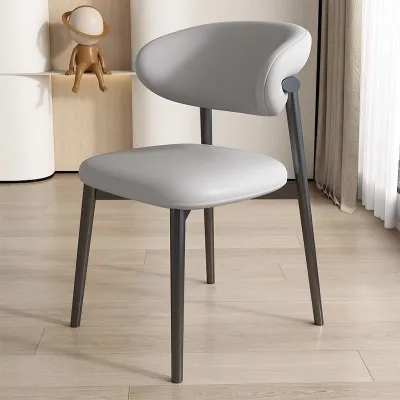
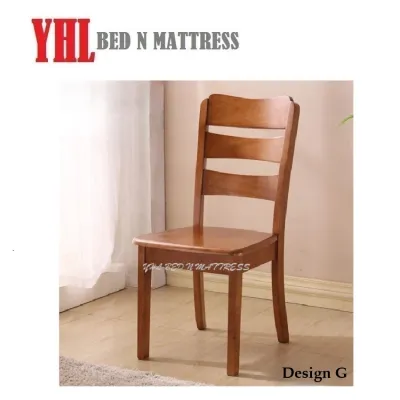
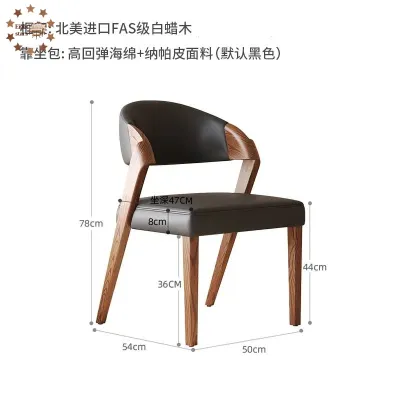
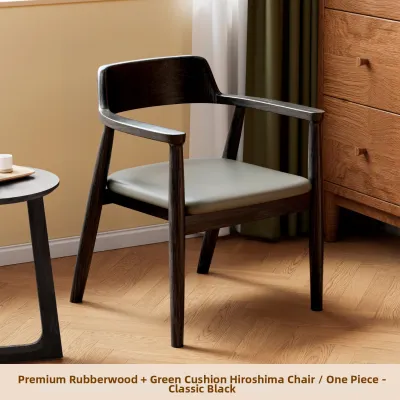
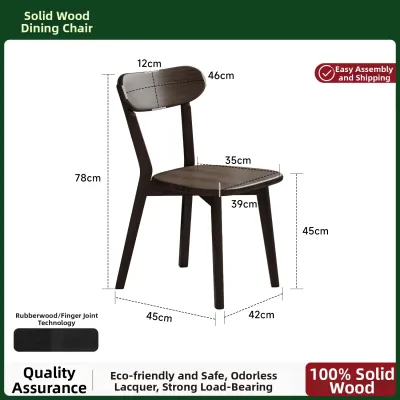
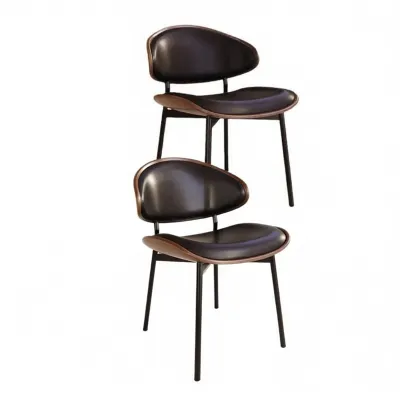
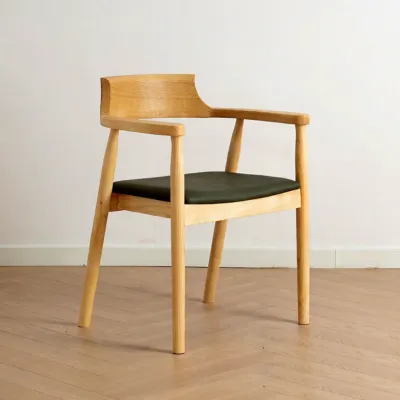
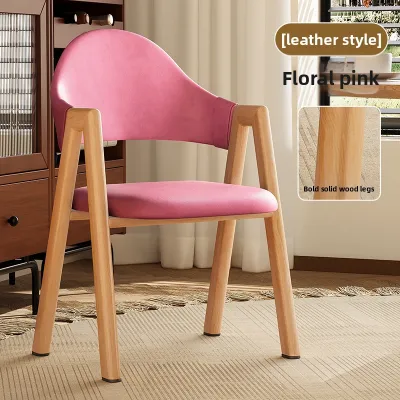
Prices are valid at publication and may change. Please refer to the product page for the latest price.
Wood Tone and Species Selection The color and undertone of the wood are often the first details a person notices. Light-toned woods, such as ash, beech, and white oak, feature pale yellow, cream, or soft grey undertones. These species are highly effective at bouncing light around a room, making them ideal for bright, airy environments. Medium-toned woods, including cherry and teak, offer warm golden or amber hues that bring immediate warmth and a sense of history to a space. Dark-toned woods, such as walnut, mahogany, or ebonized oak, present deep brown, charcoal, or near-black tones. These darker options introduce a sense of drama, sophistication, and formal elegance, grounding the dining area and creating a strong visual focal point.
Grain Visibility and Texture The natural pattern of the wood grain influences how rustic or refined a chair appears. Open-grain woods like oak and ash have prominent, textured patterns that are easily felt and seen. These prominent grains add organic character and physical texture, which align well with relaxed, nature-inspired, or rustic interiors. Closed-grain woods like maple, birch, and cherry have smooth, tight patterns that appear highly uniform and subtle. These smoother woods are excellent for sleek, modern, or formal settings where clean, uninterrupted surfaces are preferred.
Leg Profiles and Structural Silhouettes The legs and overall silhouette of a chair determine its visual weight and historical reference point. Tapered legs, which narrow toward the foot, create a sense of lightness, agility, and retro elegance. Straight, blocky legs offer a sturdy, grounded appearance that feels utilitarian and robust. Turned legs and spindles, featuring decorative curves carved on a lathe, evoke traditional craftsmanship and country-inspired charm. Angled or splayed legs project outward, adding dynamic energy and a mid-century or architectural feel to the seating arrangement.
Seat Materials and Tactile Contrast A wood dining chair does not have to be entirely constructed from timber. The material used for the seat and backrest significantly alters the chair’s comfort, visual weight, and formality. All-wood chairs, featuring contoured or molded wooden seats, emphasize the raw beauty of the grain and offer a clean, sculptural look. Woven seats, made from paper cord, rattan, or rush, introduce a handcrafted texture and lighten the chair’s visual weight, making the dining set feel more casual and approachable. Upholstered seats, covered in linen, leather, or bouclé, add soft cushioning, sound absorption, and an opportunity to introduce contrasting colors or patterns into the dining room, elevating the space’s comfort and formality.
The Pre-Purchase Dining Room Audit Before purchasing your chairs, conduct a thorough audit of your existing dining table and the overall room palette. You do not need to match your chairs exactly to your table; in fact, mixing materials often creates a more sophisticated, curated look. If you have a heavy, dark wood table, pairing it with lighter, more delicate wood chairs can prevent the room from feeling cramped or overly dark. Conversely, if your dining room features a neutral, white, or concrete color palette, introducing warm walnut or teak chairs can provide the necessary contrast to make the space feel inviting. Consider the dominant lines in your architecture—such as rectangular window frames or arched doorways—and choose chair silhouettes that either mirror or thoughtfully contrast with those shapes.
Best Wood Dining Chair Styles for Popular Home Aesthetics
Once you understand the basic design elements of wooden seating, you can match these characteristics to specific interior design styles. Each aesthetic relies on a distinct combination of wood species, finishes, and silhouettes to achieve its signature look.

Scandinavian and Japandi
Scandinavian and Japandi design movements prioritize simplicity, functional minimalism, and a deep connection to nature. To complement this aesthetic, look for wood dining chairs crafted from light-toned timbers such as oak, ash, or beech. These woods are typically finished with matte, clear, or slightly white-washed sealants that preserve the natural, raw appearance of the timber while preventing yellowing over time.
The silhouettes in this category feature clean, organic lines and a complete absence of ornate carvings or decorative moldings. Curved plywood backrests that hug the body, slender tapered legs, and open-spindle backs are hallmark traits. To add comfort and texture without disrupting the minimalist vibe, these styles frequently incorporate woven paper cord, natural rattan, or light-colored linen seats. The overall effect is one of warmth, airy simplicity, and understated craftsmanship, making the dining space feel calm, bright, and highly functional.
Mid-Century Modern
Mid-Century Modern design, which peaked in popularity during the mid-20th century, is celebrated for its retro-elegant forms, organic curves, and innovative structural designs. This aesthetic pairs beautifully with richer, warmer wood tones. Teak and walnut are the primary wood species used in this style, prized for their deep golden-brown and chocolate hues, as well as their expressive, elegant grain patterns.
When shopping for mid-century wood dining chairs, look for signature structural details such as splayed and tapered legs, gently curved backrests, and organic, fluid transitions between the frame and the seat. Molded plywood chairs, which utilize heat and pressure to curve wood into ergonomic shapes, are classic examples of this style. These chairs balance vintage character with clean, functional forms, offering a sculptural quality that makes them stand out as design statements around the dining table.
Industrial and Urban Loft
Industrial and urban loft aesthetics draw inspiration from converted warehouses, factories, and raw urban spaces. This style embraces rugged, unpolished elements and celebrates the beauty of age and utility. Wooden dining chairs suited for this look typically feature reclaimed, distressed, or deeply dark-stained woods that showcase natural imperfections, such as knots, visible saw marks, and weathered textures.
A key characteristic of industrial dining chairs is mixed-material construction. Solid wood seats and backrests are frequently paired with heavy-duty metal frames, often finished in matte black, antique bronze, or brushed steel. The silhouettes are sturdy, utilitarian, and straightforward, prioritizing structural integrity and physical durability over delicate ornamentation. These chairs carry a heavier visual weight, making them excellent companions for large concrete, metal, or reclaimed wood dining tables.
Farmhouse and Rustic
For homes that embrace a cozy, traditional, or country-inspired aesthetic, farmhouse and rustic dining chairs help establish a warm and welcoming atmosphere. This style is deeply rooted in heritage, comfort, and informal gatherings, making sturdy, time-tested designs the ideal choice.
Key design traits include chunky proportions, turned wood spindles, and slightly weathered or hand-scraped finishes. Windsor-style chairs, characterized by their rounded spindle backs and sculpted wooden seats, are a quintessential farmhouse choice. Ladder-back chairs, featuring horizontal wooden slats, also fit this aesthetic perfectly. Finishes range from natural, medium-toned oaks to painted or whitewashed finishes that have been gently distressed to reveal the wood grain underneath. Traditional joinery, such as visible mortise and tenon joints, adds to the handcrafted, lived-in charm of these chairs, ensuring the dining room feels relaxed and inviting.
Contemporary and Minimalist
Contemporary and highly minimalist spaces focus on sleek surfaces, geometric precision, and a streamlined visual flow. In these interiors, furniture is often treated as a subtle, architectural element rather than a decorative focal point, requiring chairs that feature clean lines and pristine finishes.
To match a contemporary aesthetic, opt for wooden chairs with uniform, dark, or ebonized finishes, such as matte black or deep charcoal. These dark finishes minimize the visibility of the wood grain, creating a highly consistent and polished surface. The silhouettes are characterized by sharp angles, blocky geometries, or seamless, fluid curves with hidden joinery. There are no exposed screws, brackets, or decorative carvings. The transition from the seat to the backrest is often completely integrated, resulting in a sculptural, monolithic appearance that enhances the clean, uncluttered feel of a modern home.
Space and Climate Checks for Singapore Dining Rooms
Selecting the right style is only half the battle; ensuring the chairs are practical for your specific living environment is crucial for long-term satisfaction. In Singapore, home layouts and the tropical climate present unique challenges that must be addressed before making a final purchase.
Space Planning and Delivery Access Many residential properties in Singapore, particularly HDB flats and condominiums, feature compact dining areas that require careful spatial planning. Before ordering your wood dining chairs, measure your dining space to ensure comfortable clearance. You should allow at least 70 to 90 centimeters of space between the edge of the dining table and the nearest wall or piece of furniture. This clearance ensures that diners can easily pull out their chairs, sit down, and walk behind seated guests without feeling cramped.
Additionally, verify the physical dimensions of your doorways, corridors, and lift access. Many high-quality solid wood chairs are delivered fully assembled to preserve the structural integrity of their joints. Ensure that the delivery team can easily navigate these tight pathways without damaging your walls or the furniture itself. If you are opting for chairs with armrests, double-check that the arm height is lower than the underside of your dining table apron so the chairs can be tucked fully under the table when not in use, saving valuable floor space.
Climate and Material Stability Singapore’s tropical climate is characterized by high relative humidity, often exceeding 80% outdoors, paired with high temperatures. However, many indoor spaces rely heavily on air conditioning, which dramatically lowers both temperature and humidity levels. This constant cycle of switching between warm, humid air and cool, dry air can place significant stress on solid wood furniture.
Solid wood is a hygroscopic material, meaning it naturally absorbs and releases moisture from the surrounding environment. This process causes the wood to expand and contract. Over time, these rapid fluctuations can lead to joint loosening, warping, or cracking, particularly in poorly constructed furniture. Engineered wood or high-quality molded plywood can offer greater dimensional stability in these fluctuating environments, as their layered construction resists warping.
Essential Verification Steps To ensure your wood dining chairs withstand the local climate, follow these practical verification steps:
- Check the Wood Treatment: Before purchasing, check the manufacturer's specifications to ensure the wood has been properly kiln-dried and acclimatized for tropical regions. Properly dried wood is far less prone to dramatic movement.
- Inspect the Protective Sealant: Verify that the chairs are finished with a high-quality protective sealant, such as polyurethane, water-resistant lacquer, or specialized wood oils. These finishes act as a barrier, slowing down the rate at which the wood absorbs and releases moisture.
- Evaluate Placement: Avoid placing solid wood dining chairs directly under heavy air-conditioning drafts, as the localized dry air can cause the wood to dry out unevenly and crack. Similarly, keep the chairs away from direct, harsh afternoon sunlight streaming through balconies or windows, as UV rays can fade the finish and cause the wood to warp.
Frequently Asked Questions (FAQ)
Can I mix different wood tones in the same dining room?
Yes, mixing different wood tones can create a beautifully curated, layered look that feels organic rather than matching and sterile. The key to successfully mixing wood tones is to keep the underlying undertones consistent. For example, you can pair a light ash table with medium oak chairs if both woods share a warm, golden undertone. If your table has cool, greyish undertones, look for chairs that mirror that cool palette. To prevent the space from looking visually cluttered, try to limit the room to two or three distinct wood finishes. You can also use a large dining rug or a fabric table runner to visually separate the different wood pieces, providing a neutral buffer that anchors the entire dining set.
How do I protect wood dining chairs from humidity and spills?
To protect your wood dining chairs, always prioritize immediate care and follow the manufacturer’s specific instructions. When spills occur, wipe them up immediately using a soft, slightly damp microfiber cloth. Avoid letting liquid pool on the surface, which can penetrate the finish and leave unsightly water rings. For daily cleaning, a dry or damp cloth is usually sufficient; avoid harsh chemical cleaners, ammonia, or abrasive scrubbing pads, as these can strip away the protective sealant. Periodically check the manufacturer’s care label to see if your chairs require specialized maintenance, such as the reapplication of natural wood oils or waxes. If you are unsure about a cleaning product, test it first on a small, hidden area on the underside of the chair seat.
Community discussion
Share your experience or ask a question. Comments are reviewed before publication.