
Selecting the perfect wooden storage bench for your Singapore home is a balancing act between style, utility, and spatial awareness. Given the compact footprints of modern Housing & Development Board (HDB) flats and condominiums, every piece of furniture must justify its presence by serving multiple purposes. A wooden bench does exactly that, offering a comfortable seat while concealing household clutter. However, a bench that fits beautifully in a spacious living room might completely block a narrow entryway or make a bedroom feel cramped. To make an informed decision, you must evaluate the specific layout constraints of your home, the unique storage needs of each room, and how the wood finish will hold up against the local tropical climate.
Assessing Space and Layout Constraints in HDBs and Condos
Before browsing designs, you must confront the physical realities of your floor plan. Modern HDB BTO flats and newer condominiums often feature narrow entry corridors, compact foyers, and tight turning angles near household shelters. A bench that looks modest in a high-ceilinged showroom can easily overwhelm a residential hallway. You must measure the exact footprint of your target placement area, keeping in mind that doors must swing fully open and drawers or cabinets must have enough clearance to extend without obstruction.
Beyond the final placement spot, the delivery journey is a critical factor that many homeowners overlook. You need to measure the height, width, and diagonal depth of your building’s lift doors, the narrowest points of the common corridor, and the clearance of your main entrance door. If you live in an older estate with smaller lifts, a long, fully assembled solid wood bench might not fit inside the elevator cabin, forcing delivery personnel to use the stairwell, which can incur additional fees or risk damaging the piece. Always verify the packaged dimensions of the furniture with the retailer before finalizing your purchase, and check if assembly is required on-site or if the item arrives fully built.
Products mentioned in this guide
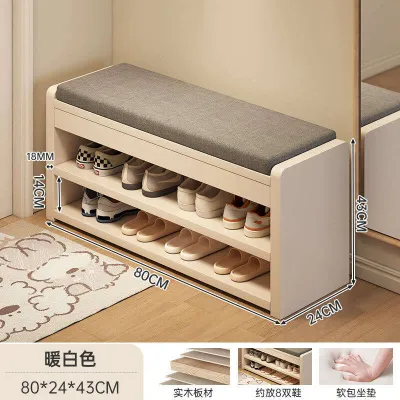
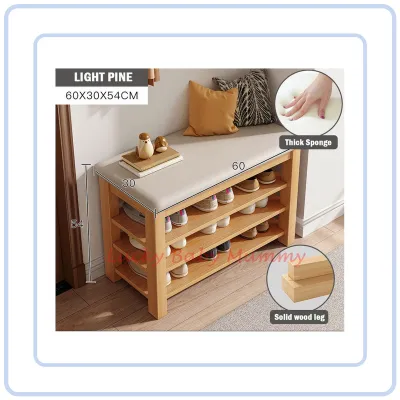
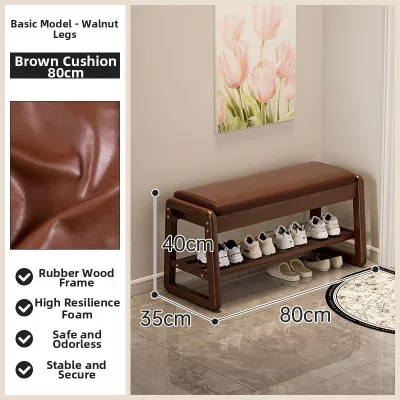
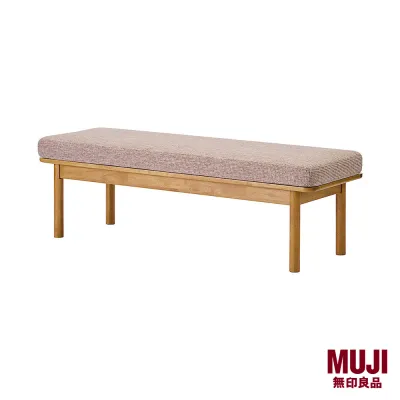
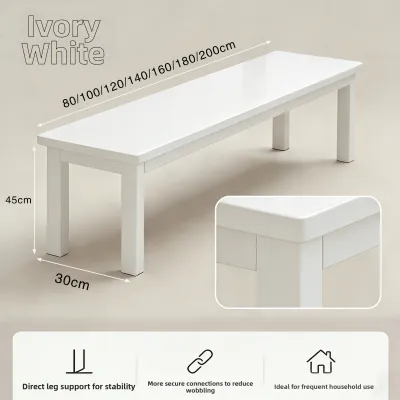
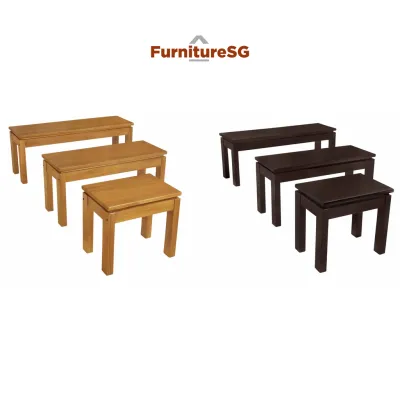
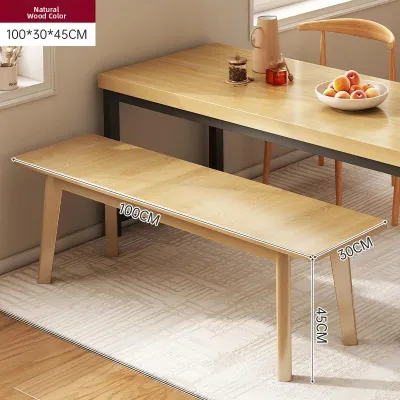
Prices are valid at publication and may change. Please refer to the product page for the latest price.
Furthermore, spatial planning must respect safety and communal guidelines. If you are considering placing a bench just outside your main door, you must adhere to the Singapore Civil Defence Force (SCDF) fire safety guidelines. These regulations require a minimum clear escape passage of 1.2 meters in shared HDB corridors to ensure safe evacuation during emergencies. Obstructing these pathways with bulky furniture is not only a safety hazard but also a violation of estate bylaws. Keeping your wooden storage bench inside the foyer is generally the safest and most practical choice to protect the wood from the elements while keeping communal walkways clear.
Entryway: Streamlining Shoe Storage and Daily Drop Zones
The entryway serves as the transition point between the busy outside world and the comfort of your home. In Singapore, where it is customary to remove shoes before entering a household, the foyer can quickly become cluttered with scattered footwear, keys, and daily essentials. A well-chosen wooden storage bench can streamline this high-traffic zone, transforming chaos into an organized, welcoming drop zone.

Recommended Styles and Storage Mechanisms
When selecting an entryway bench, the storage mechanism determines how effectively you can manage daily clutter. Top-lift or flip-top wooden benches feature a hinged seat that opens to reveal a deep, undivided compartment. This style is excellent for hiding bulkier, less frequently used items such as sports equipment, umbrellas, or reusable grocery bags. However, because you must lift the seat to access the interior, it is less convenient for shoes that you wear every single day.
For daily footwear, benches with open lower shelving or slatted compartments are highly practical. The open design allows you to slide shoes in and out quickly without lifting a lid or opening a door. More importantly, slatted shelves promote continuous air circulation. In Singapore’s hot, humid climate, damp shoes from sudden tropical downpours need adequate ventilation to dry properly; trapping them in a sealed compartment can lead to unpleasant odors and mold growth.
To maximize the utility of a small foyer, look for benches that incorporate extra functional details. Benches with integrated side hooks or small, pull-out drawer compartments provide dedicated spots for keys, access cards, spare face masks, and mail. This prevents the top of the bench from becoming a messy dumping ground, ensuring that the seating surface remains clear and ready for use when you are putting on or taking off your shoes.
Sizing and Placement for Narrow Foyers
Fitting a bench into a narrow Singapore foyer requires careful attention to dimensions. You should prioritize slim-profile or shallow-depth benches, typically ranging from 30 to 35 centimeters in depth. A shallow bench hugs the wall closely, preserving precious floor space and ensuring that the main entrance door can swing open fully without striking the furniture.
Length is another critical dimension to coordinate with your existing entryway layout. You must measure the available wall space to ensure the bench does not overlap with built-in shoe cabinets, light switches, or the household electrical distribution board (DB) box. If your DB box or fiber termination point is located near the floor, ensure the bench does not block access to these essential utility panels.
Finally, consider the seat height of the bench. A height of 40 to 45 centimeters from the floor is generally considered the ergonomic sweet spot for most adults to sit comfortably while bending over to tie shoelaces. A bench that is too low can be difficult to stand up from, especially for older family members, while a bench that is too high can feel visually heavy and dominate a compact entryway.
Bedroom: Bed-End Seating and Hidden Linen Organization
In the bedroom, a wooden storage bench acts as an elegant extension of your sleeping quarters. Placed at the foot of the bed, it provides a convenient spot to sit while dressing, laying out outfits for the next day, or winding down in the evening, all while offering valuable concealed storage for bulky textiles.
Matching Bed Height and Storage Capacity
To achieve a cohesive look in your bedroom, the physical proportions of the storage bench must align with your bed frame. The height of the bench should ideally match the top of your mattress or sit slightly lower—usually about 5 to 10 centimeters lower. This prevents the bench from obstructing your view of the room when you are lying down and maintains clean, uninterrupted sightlines across the space.
For storage, look for deep-compartment designs that can accommodate bulky bedroom essentials. Benches featuring hydraulic lift mechanisms are particularly convenient, as the gas struts assist in lifting the heavy wooden top and hold it open safely while you retrieve items. Alternatively, large front-facing drawers that slide out smoothly on metal runners allow you to access stored items without disturbing anyone sitting on the bench. These deep storage areas are perfect for stowing away spare bedsheets, duvet covers, pillowcases, and seasonal winter clothing that you only need when traveling abroad.
The width of the bench is equally important for visual balance. As a general rule of thumb, the bench should be slightly narrower than the width of your bed frame. For a standard Singapore Queen-size bed (which is 152 centimeters wide), a bench with a length of 120 to 130 centimeters provides a balanced, proportional look. For a King-size bed (183 centimeters wide), you can opt for a longer bench of 140 to 150 centimeters, ensuring it looks integrated rather than swallowed up by the scale of the bed.
Clearance and Walkway Considerations
While a bed-end bench is highly functional, it must not compromise the flow of movement in your bedroom. You must measure the clearance between the foot of the bed and the opposite wall, wardrobe doors, or TV console. To maintain a comfortable walking path, you should leave a gap of at least 60 to 80 centimeters. This clearance ensures that you can walk around the bed easily without bumping your shins and allows wardrobe doors or dresser drawers to open fully without hitting the bench.
If your bedroom layout is particularly tight, placing a bench at the foot of the bed might not be feasible. In such cases, you can explore alternative placement strategies. A narrower, compact wooden bench can be positioned against a bare side wall or tucked neatly beneath a window sill. This setup still provides the benefits of extra seating and storage without encroaching on the primary walkway around the bed.
Living Room: Flexible Seating and Clutter Concealment
The living room is the social hub of the home, demanding furniture that can adapt to different activities, from quiet family evenings to lively weekend gatherings with guests. A wooden storage bench in the living area serves as a versatile, multi-functional piece that bridges the gap between seating and storage.
Multi-Functional Designs for Extra Seating
When hosting friends and family in a typical Singapore apartment, seating capacity can quickly become a challenge. A sturdy, solid-wood storage bench offers a reliable, space-efficient seating solution. Unlike individual chairs, a bench can accommodate multiple adults side-by-side. To ensure safety and longevity, look for benches constructed with robust joinery (such as mortise-and-tenon joints) and solid wood species like oak, teak, or rubberwood, which offer high stability and load-bearing capacity. Always verify the manufacturer’s specified weight limits to ensure the bench can safely support multiple seated guests.
For extended comfort during long conversations or movie nights, consider benches with padded, upholstered tops. If you prefer the natural look of exposed wood, you can opt for a plain wooden bench and add custom-made tie-on cushions. This allows you to easily remove and wash the cushion covers, which is particularly useful for maintaining hygiene in a high-use living space.
The internal storage of a living room bench is incredibly useful for keeping the main seating area tidy. It is the perfect spot to conceal items that frequently clutter coffee tables and sofas, such as board games, gaming controllers, extra throw blankets, accent pillows, or children’s toys. By keeping these items tucked away but easily accessible, you can maintain a clean, minimalist aesthetic in your main living zone.
Integrating with Existing Living Room Furniture
To make the storage bench feel like a natural extension of your living room rather than an afterthought, you should coordinate its aesthetic with your existing furniture. Pay close attention to the wood tone and finish. If your TV console, coffee table, or bookshelves feature light oak or rubberwood, choosing a bench with a similar light, warm tone will create a harmonious, Scandinavian or Japandi-inspired look. Conversely, if your decor leans classic or mid-century modern, a bench with a darker walnut or rich teak finish will complement the space beautifully.
Placement plays a key role in how the bench functions within the room. If you only need the extra seating occasionally, you can tuck a low-profile bench neatly under a console table or behind a sofa when it is not in use. Alternatively, you can place the bench in an underutilized corner alongside a floor lamp to create a cozy reading nook. In open-concept HDB layouts, a low-profile wooden bench can also serve as a subtle, visual room divider, separating the living area from the dining space without blocking light or sightlines.
Evaluating Wood Finishes and Care for a Humid Climate
Singapore’s tropical climate presents unique challenges for wooden furniture. With relative humidity levels frequently hovering above 80%, wood is susceptible to moisture absorption, which can lead to warping, joint loosening, and mold growth. Understanding how to evaluate wood finishes and care for your bench is essential to preserving its beauty and structural integrity over the years.
It is a common misconception that simply buying a bench made of a reputable wood species, such as teak or oak, guarantees moisture resistance. While some woods have natural oils that resist decay, the level of protection depends heavily on the surface treatment applied by the manufacturer. Before purchasing, check the product specifications for high-quality protective finishes, such as polyurethane coatings, marine-grade varnishes, or specialized wood sealers. These coatings create a protective barrier that prevents moisture from penetrating the wood grain.
To maintain your wooden storage bench in a humid climate, you must adopt a few simple, proactive habits. First, position the bench away from direct, harsh sunlight. Intense UV rays from windows can dry out the wood unevenly, leading to fading, cracking, and warping. Second, always wipe up liquid spills immediately with a dry, soft microfiber cloth to prevent water spots and damage to the protective finish.
Managing indoor humidity is also crucial, especially inside the closed storage compartments of the bench. If you are using the bench to store fabrics like bed linens, throw blankets, or cushions, place moisture-absorbing canisters or silica gel packets inside the storage cavity. Periodically open the bench lid or drawers to let the interior air out, and inspect the corners for any signs of trapped moisture or mildew. Before applying any commercial wood cleaners, polishes, or moisture-remedy sprays, check the product’s label and your bench manufacturer’s care instructions. If instructions conflict or the wood finish is unidentified, stop and consult the manufacturer or a professional furniture restoration specialist to avoid stripping the protective sealant.
Frequently Asked Questions (FAQ)
Can I place a wooden storage bench outside my HDB door or on a balcony?
Standard indoor wooden storage benches are not designed to withstand outdoor conditions. Exposure to direct rain, high humidity, and intense sunlight will quickly degrade the protective finish, causing the wood to warp, crack, split, and develop mold. If you wish to place a bench on a balcony or patio, you must specifically look for furniture rated for outdoor use, typically constructed from premium, highly stable woods like treated teak or shorea, and finished with weather-resistant oils. Additionally, if you plan to place any furniture in a shared HDB corridor, you must check your local town council bylaws and ensure you maintain the SCDF-mandated 1.2-meter clearance for fire safety.
How do I ensure the bench will fit through my lift and doors during delivery?
To avoid delivery day complications, you should measure your building’s lift doors (height, width, and diagonal clearance), the corridors, and your home’s main entrance door before purchasing. Compare these measurements with the packaged dimensions provided by the retailer, which are often larger than the fully assembled bench due to protective boxing. If the clearance is tight, check if the bench is delivered flat-packed or if its legs and backrest can be detached and assembled inside your home, which significantly reduces the delivery footprint.
Community discussion
Share your experience or ask a question. Comments are reviewed before publication.