
Selecting a modern coffee table is more than a simple design choice; it establishes the spatial flow and visual anchor of your entire living room. In Singapore’s diverse housing landscape—where compact HDB flats, BTO layouts, and contemporary condominiums demand smart space planning—finding a table that harmonizes with your existing furniture is essential.
Matching the right table to your home relies on aligning its silhouette, material, and visual weight with your existing decor theme and sofa configuration. By analyzing your room’s current design markers, you can avoid a mismatched purchase and select a piece that naturally complements your space while serving your daily lifestyle needs.
Diagnose Your Current Living Room Aesthetic
Before browsing online catalogs or visiting furniture showrooms, take a close look at your existing living room setup. Conducting a quick visual audit of your room’s current design anchors prevents style conflicts and ensures your new coffee table feels intentional rather than out of place. Use this practical checklist to assess your space:
Products mentioned in this guide

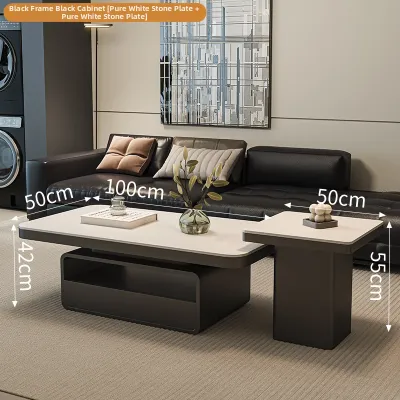
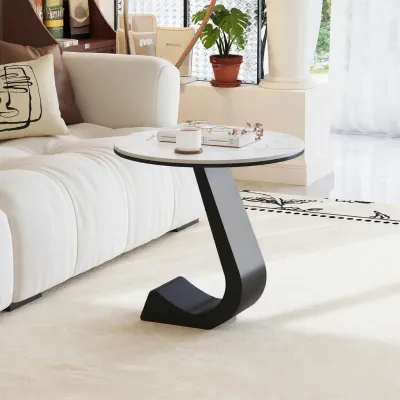
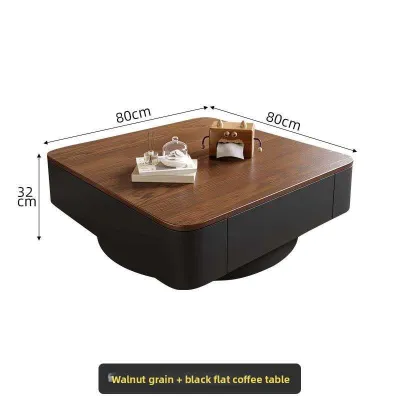
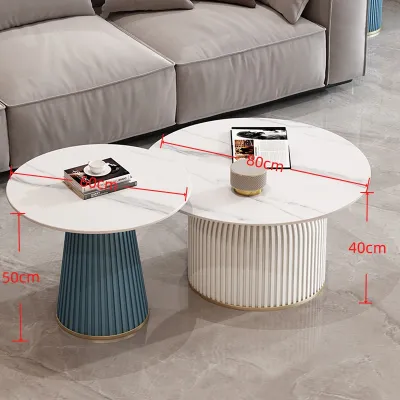
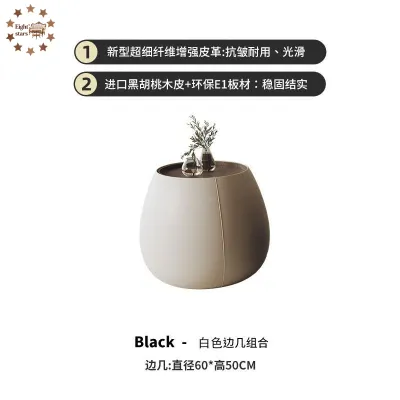


Prices are valid at publication and may change. Please refer to the product page for the latest price.
- Sofa Profile and Lines: Examine the silhouette of your main seating. Is your sofa structured with sharp, straight lines and square track arms, or does it feature plush, rounded cushions and organic curves? Sleek, boxy sofas often pair well with geometric tables, while curved sofas invite softer, rounded shapes.
- Dominant Color Palette: Identify the primary hues in your room. Determine if your space leans toward cool neutrals (greys, crisp whites, blacks), warm earthy tones (beiges, terracotta, deep browns), or a vibrant, eclectic mix of accent colors.
- Flooring Material and Tone: Note the color and material of your floor, whether it is light oak vinyl, dark teak parquet, polished marble, or matte porcelain tiles. The base of your coffee table should offer a pleasing contrast or a harmonious match to this surface.
- Lighting Fixtures: Look at your overhead and accent lighting. Stark, minimalist track lights, warm retro pendant lamps, or soft, diffused architectural LED strips all signal different design directions.
Evaluating these elements helps you determine if your room’s overall vibe is clean and uncluttered, cozy and textured, raw and edgy, or retro and organic. Identifying these existing anchors is the first step in selecting a complementary coffee table rather than one that clashes with your hard work.
Match Your Space to a Modern Coffee Table Style
Once you have diagnosed your living room’s core aesthetic, you can match it to one of the four primary modern design styles. Each style uses distinct geometries, materials, and profiles to achieve its look.

Minimalist
Minimalist decor prioritizes function, negative space, and the complete elimination of excess ornamentation. This style is best suited for living rooms that feature hidden storage solutions, neutral or monochromatic color schemes, and low-profile, streamlined seating.
When shopping for a minimalist modern coffee table, look for strict geometric shapes—such as perfect squares, rectangles, or clean cylinders—and concealed hardware. Matte finishes, powder-coated metals, and monochromatic surfaces are hallmarks of this style. The goal is to maintain visual lightness; choose designs that allow the surrounding space to breathe, avoiding heavy textures or intricate patterns that draw unnecessary focus.
Scandinavian
Scandinavian design focuses on warmth, simplicity, and a deep connection to nature, making it highly popular in bright, airy homes. If your living room features light-toned wood floors, off-white walls, and cozy textiles like linen or wool, a Scandinavian coffee table is an ideal match.
Instruct your search toward tables crafted from light woods such as oak, ash, or beech, characterized by tapered legs and functional simplicity. These tables often combine soft, rounded edges with clean lines, ensuring the piece adds organic warmth to the room without introducing visual clutter. Storage is often integrated subtly, such as a simple slatted lower shelf or a split-top design.
Industrial
Industrial style embraces raw materials, exposed architectural elements, and a utilitarian aesthetic. This look pairs exceptionally well with spaces featuring concrete screed flooring, exposed brick walls, dark color palettes, or distressed leather sofas.
An industrial coffee table typically combines black or gunmetal iron frames with reclaimed, distressed, or deeply grained wood tops. The finishes are raw and unpolished, highlighting natural imperfections. Because industrial tables often feature heavy metal bases or even metal casters, always check the bottom of the frame. Ensure you use protective felt pads or rubber caster cups to prevent the heavy metal from scratching delicate parquet, vinyl, or laminate flooring.
Mid-Century Modern
Mid-century modern design celebrates the fusion of retro organic curves and functional post-war styling. This aesthetic is perfect for living rooms featuring statement furniture, warm earthy tones, and iconic tapered profiles.
Look for coffee tables made from rich woods like walnut or teak, featuring distinctive hairpin legs, angled wooden pegs, or splayed legs. Tabletop shapes in this style are rarely boring; look for kidney-shaped, oval, or asymmetrical surfboard designs. A mid-century modern table serves as an excellent focal point, pairing beautifully with vintage accessories, brass accents, and textured rugs.
Measure Clearances and Proportions for Your Layout
In Singapore’s compact layouts, such as HDB BTO flats and newer condominiums, physical proportions are just as important as visual style. A table that is too large will restrict movement, while one that is too small will look lost and be difficult to reach from the sofa.
Standard Clearance Rules Always leave a minimum of 40 to 45 cm of clearance between the edge of the sofa seat and the edge of the coffee table. This distance provides comfortable legroom while keeping drinks and books within easy reach. For main walkways around the table, aim for 60 to 75 cm of clear passage space so family members can walk through without shuffling sideways.
Height Alignment The top of your coffee table should sit level with or about 2 to 5 cm below the top of your sofa’s seat cushions. A table that is too high disrupts the room’s sightlines and feels awkward when reaching down, while a table that is too low can cause back strain and feel impractical.
Managing Visual Weight If your living room is compact, choose a table with high visual transparency. Glass or acrylic tabletops, or tables with slender, open metal frames, allow you to see the floor underneath, making the room feel larger. Conversely, solid block or drum-style tables have high visual weight and work best in spacious, open-plan living areas where they can anchor the seating arrangement.
Delivery and Access Checks Before finalizing your purchase, measure your home’s access points. This includes the height and width of your main doorway, corridor turns, lift doors, and internal lift cabin dimensions. Large, fully assembled solid wood or stone coffee tables can be incredibly difficult to maneuver through tight Singaporean lift lobbies and doorways. Ensure the packaging dimensions or the fully assembled size can safely clear these spaces to avoid costly delivery failures.
Verify Surface Finishes and Care Requirements
When selecting a modern coffee table, do not rely solely on broad material names like “solid wood” or “natural marble” as a guarantee of durability. In Singapore’s humid tropical climate, unsealed materials can warp, stain, or harbor moisture.
Examine Surface Treatments Check the manufacturer’s specifications for protective coatings. For wooden tables, look for polyurethane, lacquer, or hardwax oil finishes that seal the wood against moisture and spills. For glass tables, ensure the glass is tempered and specify a thickness of at least 8 mm for safety and stability. If you prefer natural stone or marble, verify that the surface has been professionally sealed with a penetrating sealer to resist oil, water, and acidic stains from spilled beverages.
Assess Daily Household Habits Consider how your household will use the table daily. If you frequently place hot mugs of coffee or cold, sweating glasses directly on the surface, a delicate, unsealed veneer or raw limestone table will quickly suffer ring marks and water damage. In high-traffic homes, prioritize rounded corners over sharp, angular edges to prevent painful bumps.
Care and Maintenance Always check the product’s care label and the manufacturer’s instructions before cleaning. Avoid using harsh chemical solvents, abrasive scrubbing pads, or acidic cleaners on sealed wood, stone, or glass. For daily maintenance, a slightly damp microfiber cloth followed immediately by a dry wipe is usually sufficient to preserve the finish. If the manufacturer’s care instructions conflict with general cleaning advice, always defer to the manufacturer’s specific guidelines to protect your warranty.
Frequently Asked Questions (FAQ)
Can I mix two different modern styles in one living room?
Yes, you can successfully mix modern styles by establishing a unifying element to tie the pieces together. Keep a consistent color palette across your furniture, or repeat a specific material—such as matte black metal legs or warm walnut wood tones—on both your coffee table and media console. This shared design element creates visual harmony, allowing a Scandinavian sofa to sit comfortably alongside an industrial or mid-century modern coffee table without looking chaotic.
What shape of coffee table works best for a small living room?
Round or oval coffee tables are highly effective for small living rooms because their lack of sharp corners improves traffic flow and prevents painful bumps in tight spaces. Alternatively, nesting tables or modular designs are excellent space-saving options. These tables can be stacked together to free up floor space when not in use, and then easily expanded or separated when you need extra surface area for guests.
Community discussion
Share your experience or ask a question. Comments are reviewed before publication.