
Matching a stool chair to your dining table is a balancing act of ergonomics, proportions, and design aesthetics. When these elements align, your dining area feels cohesive, comfortable, and highly functional. Whether you are furnishing a compact apartment dining nook or a spacious open-plan kitchen island, the relationship between your seating and your tabletop dictates how long guests will want to linger. Achieving this balance involves understanding the physical dimensions of your space, the design language of your furniture, and the practical needs of your household.
By taking a systematic approach to measuring, styling, and coordinating materials, you can avoid common purchasing mistakes such as buying stools that are too tall for your legs or too wide for your table frame. This guide provides a step-by-step framework to help you select the ideal stool chair style that visually and proportionally complements your existing dining table design.
Determine the Correct Stool Chair Height for Your Table
To ensure comfortable and ergonomic seating, you must first identify the correct stool chair height based on your specific dining table or kitchen island dimensions. Dining surfaces generally fall into three categories: standard dining tables, counter-height surfaces, and bar-height tables. Standard dining tables typically stand between 28 and 30 inches tall. Counter-height surfaces, which are common in modern open-plan kitchens and kitchen islands, usually range from 34 to 36 inches tall. Bar-height tables and elevated breakfast bars are the tallest, typically measuring between 40 and 42 inches from the floor to the tabletop.
Products mentioned in this guide
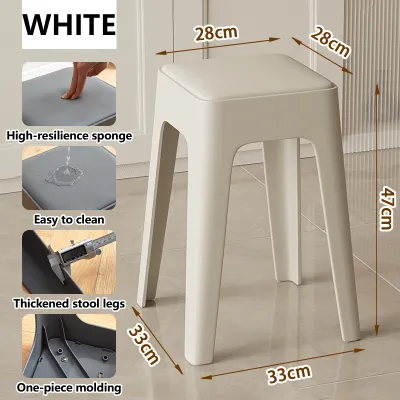
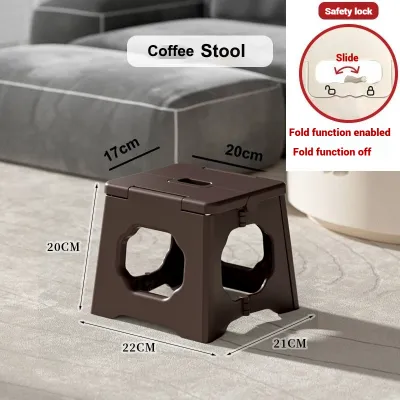
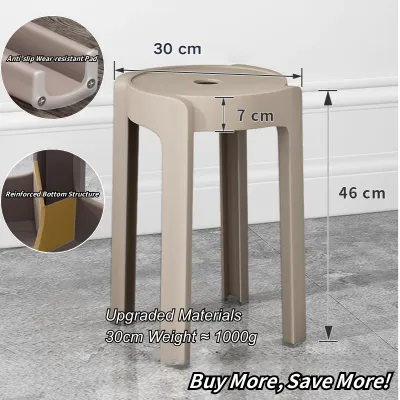
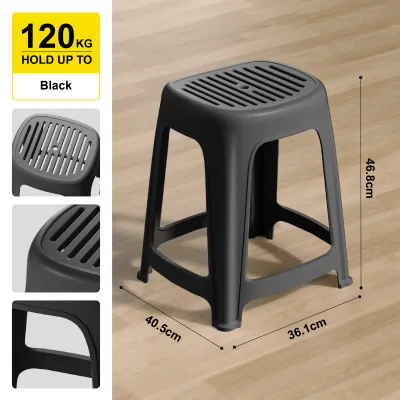
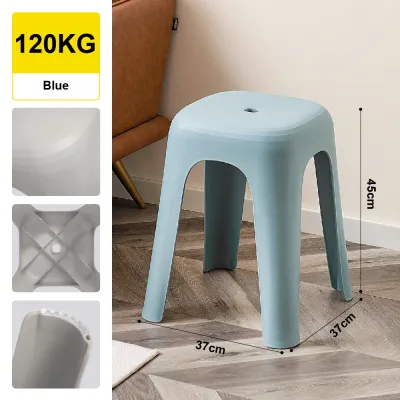
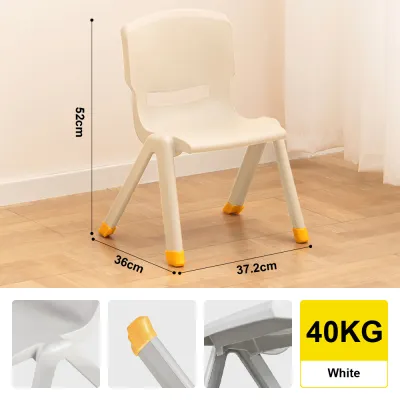
Prices are valid at publication and may change. Please refer to the product page for the latest price.
The golden rule of dining ergonomics is to maintain a 10-to-12-inch clearance between the top of the stool seat and the underside of the tabletop. This gap provides ample room for your legs to move freely without rubbing against the table frame, while also keeping your arms at a comfortable angle for dining, writing, or resting. If your table features a thick apron—the wooden or metal structural panel directly beneath the tabletop—you must measure from the bottom of that apron rather than the top of the table to calculate your clearance accurately.
To verify your measurements before making a purchase, follow these exact steps. First, use a metal measuring tape to measure the distance from the floor to the underside of your table or apron. Second, subtract 12 inches from this measurement to determine your target seat height. Third, when browsing stool chair specifications, look specifically for the “seat height” dimension rather than the “overall height,” as the overall height includes the backrest. If you are considering upholstered stools, keep in mind that high-density foam seats may compress slightly when sat upon, whereas solid wood or metal seats remain completely rigid.
Match Stool Chair Styles to Your Dining Table Design
Once you have established the correct physical dimensions, you can focus on pairing the visual aesthetics of your stool chairs with your dining table’s design theme. For modern and minimalist tables characterized by clean lines, thin profiles, and materials like glass, engineered stone, or polished concrete, look for stool chairs that maintain a light visual footprint. Acrylic ghost stools, molded plastic seats with slender legs, or sleek metal frames work exceptionally well in these settings. These materials allow light to pass through, which helps keep a small dining area looking open and uncluttered.

Industrial and rustic tables, which often feature heavy reclaimed wood tops, distressed finishes, and thick iron or steel legs, require seating with equal visual weight. Pair these tables with stool chairs made from raw wood finishes, distressed leather upholstery, or matte black metal frames. The rugged textures of these materials complement the organic imperfections of a rustic tabletop, creating a balanced, grounded look that feels intentional rather than mismatched.
For traditional and transitional tables, which often showcase classic details like turned legs, pedestal bases, or rich wood veneers, look for stool chairs that offer a touch of classic refinement. Upholstered seats with button tufting, curved backrests, or wood frames with detailed carvings or nailhead trim are excellent choices. These elements soften the formality of traditional tables while providing a high level of comfort for long family gatherings.
When deciding whether to purchase a uniform, matched set of stools or to mix and match different styles, consider the overall vibe of your home. A uniform set provides a clean, formal, and highly structured appearance that suits traditional or minimalist spaces. On the other hand, mixing and matching styles can create a curated, casual, and eclectic atmosphere. If you choose to mix styles, keep at least one design element consistent—such as using the same frame material with different upholstery colors, or choosing different stool shapes that all share the same wood undertone—to ensure the space remains cohesive rather than chaotic.
Verify Proportions, Spacing, and Everyday Comfort
Even if a stool chair matches your table’s style perfectly, it will not be functional if it does not fit physically within your dining area. To prevent overcrowding, you must calculate the maximum number of stools that can comfortably fit along your table or island. As a general rule, allocate 24 to 30 inches of width per stool chair. This measurement is taken from the center of one stool to the center of the next, ensuring that diners have sufficient elbow room and can slide in and out of their seats without bumping into one another.
When calculating spacing, you must also measure the distance between the table legs rather than just the length of the tabletop. If your table has thick legs or a trestle base, the usable seating width underneath the table will be shorter than the overall tabletop length. For stools with swivel mechanisms or wide, flared legs, lean toward the larger end of the spacing spectrum (30 inches) to accommodate the extra physical footprint and movement.
Beyond width, evaluate the ergonomic features of the stool chair, such as footrest placement, seat depth, and backrest height. Because elevated seating prevents your feet from resting flat on the floor, a sturdy footrest is essential for comfort and stability. Check that the footrest is positioned at a comfortable height relative to the seat. Additionally, if you plan to use the stools for daily meals or remote work, prioritize a seat depth of at least 14 to 16 inches and a supportive backrest. Backless stools are highly space-efficient, but they may not provide enough comfort for extended sitting.
Finally, check the armrest clearance if you are considering stool chairs with arms. Measure the height of the armrests from the floor and compare it to the clearance height under your table apron. If the armrests are too high, you will not be able to tuck the stools completely under the table when they are not in use. This can block walkways and reduce the available floor space in your dining room or kitchen, which is a critical consideration in high-traffic areas or compact apartment layouts.
Coordinate Materials and Colors for Visual Balance
Achieving visual harmony in your dining space requires careful coordination of materials and colors between your stool chairs and your dining table. If you are pairing wood stool chairs with a wood dining table, avoid the common mistake of trying to match the wood species exactly unless they are from the same manufacturer and collection. Instead, focus on identifying and aligning the wood undertones. Wood finishes generally have either warm undertones (red, orange, yellow, or rich brown) or cool undertones (gray, ash, taupe, or dark espresso). Pairing a warm-toned oak table with cool-toned gray ash stools can create a jarring visual clash, whereas pairing a warm cherry table with warm walnut stools creates a pleasing, layered look.
If you prefer not to use matching wood tones, use contrast to create visual interest. For example, if you have a dark charcoal or black dining table, pair it with light-colored, upholstered stool chairs to break up the dark mass and soften the room’s appearance. Conversely, if you have a heavy, solid wood farmhouse table, you can introduce lightweight metal stool chairs with brass or copper accents to add a modern touch and lighten the overall aesthetic.
When selecting upholstered stool chairs, pay close attention to the fabric type and the manufacturer’s care labels. Dining environments are highly prone to spills, stains, and wear. Look for fabrics with high durability ratings, such as performance fabrics, faux leather, or tightly woven synthetics that resist moisture absorption. Check the manufacturer’s cleanability codes (such as “W” for water-based cleaners or “S” for solvent-based cleaners) to ensure the material fits your household’s maintenance capabilities. For homes with young children or pets, wipeable materials like faux leather or treated wood are often more practical than delicate, light-colored fabrics.
Before finalizing your purchase, inspect the construction quality of the stool frames. Look for sturdy joints, such as mortise-and-tenon joinery or reinforced metal brackets, rather than simple glue-and-screw construction. If you are ordering online, verify the delivery conditions and ensure the packaged boxes can easily fit through your doorways, hallways, and lift access, especially if you live in a high-rise condominium or apartment building.
Conditional Shortlist: Choosing the Right Stool Chair Category
To help streamline your decision-making process, use this conditional framework to identify the right stool chair category based on your specific table type, space constraints, and household needs.
If you live in a small apartment or have a compact dining nook, look for backless or low-profile stool chairs. These designs can be tucked entirely underneath the tabletop when not in use, keeping your walkways clear and maintaining an open, unobstructed view across your living space. Opt for lightweight materials that are easy to move around when you need to rearrange the room.
If you have a heavy, solid wood farmhouse table, look for sturdy, cross-back wood stools or fully upholstered stool chairs with substantial frames. These options provide the necessary visual weight to balance the massive presence of a farmhouse table, ensuring that your seating does not look dwarfed or fragile by comparison.
If you have a glass-top table or a marble-top kitchen island, look for lightweight metal or clear acrylic stool chairs. These materials maintain an airy, sophisticated feel that highlights the beauty of the stone or glass surface without cluttering the room with heavy wood legs or bulky upholstery.
Before completing your purchase, run through this pre-purchase checklist to ensure a smooth installation:
- Verify Return Policies: Ensure the retailer offers a flexible return policy in case the stool height or comfort level does not meet your expectations once assembled in your home.
- Check Assembly Requirements: Confirm whether the stools arrive fully assembled or flat-packed, and ensure you have the necessary tools and assistance for assembly.
- Inspect Floor Protectors: Check that the bottom of the stool legs are equipped with high-quality floor protectors, such as felt pads or rubber caps, to prevent scratching your hardwood, laminate, or polished tile floors.
- Assess Stability: Look for stools with a wide, stable base to prevent tipping, especially if you have children or frequent guests.
Frequently Asked Questions (FAQ)
Can I use regular dining chairs instead of stool chairs for a counter-height table? (FAQ)
No, you should not use regular dining chairs for a counter-height table. Standard dining chairs have a seat height of 18 to 20 inches, which is designed for a 30-inch dining table. If you pair them with a 36-inch counter-height table, the seat will be too low, leaving a clearance gap of 16 to 18 inches. This discrepancy forces diners to reach upward awkwardly to eat or work, leading to shoulder and neck strain. Furthermore, standard dining chairs lack the built-in footrest bars found on proper counter-height stool chairs, leaving the user’s legs dangling uncomfortably without support, which can restrict circulation over time.
How do I clean and maintain mixed-material stool chairs? (FAQ)
To clean and maintain mixed-material stool chairs, always refer to the manufacturer’s specific care instructions first, as different materials require distinct cleaning methods. For wood components, wipe down surfaces regularly with a slightly damp microfiber cloth and dry them immediately to prevent moisture from warping the wood; avoid harsh chemical sprays that can strip the protective lacquer finish. For metal frames, use a dry or damp cloth to remove dust, and avoid abrasive scrubbers that could scratch the powder-coated or plated finish. For upholstered seats, vacuum the fabric regularly using a soft brush attachment to remove crumbs and dust, and treat spills immediately by blotting with a clean, dry cloth according to the fabric’s cleanability code.
Community discussion
Share your experience or ask a question. Comments are reviewed before publication.