
Selecting the perfect solid wood display cabinet requires balancing your room’s existing design language with the physical realities of your space. A well-chosen cabinet does not merely store items; it anchors the room, complements your existing furniture, and reflects a cohesive aesthetic. By analyzing your current interior elements and understanding how different wood styles interact with light and space, you can select a piece that feels intentional rather than accidental.
Assessing Your Existing Home Decor Aesthetic
Before browsing showrooms or online catalogs, take a detailed inventory of the room where the cabinet will stand. Look closely at the dominant materials already present, such as polished metal accents, soft textiles, or other wood species. Note the primary color palette, observing whether warm undertones like beige and terracotta or cool tones like gray and blue shape the atmosphere. Pay attention to the prominent lines in your space, noting whether your current furniture features sharp, geometric angles or soft, rounded curves.
Next, evaluate the physical and visual dynamics of the intended placement area. Consider how natural light moves through the room during the day, as bright sunlight can highlight wood grain while dim corners might make dark timber feel excessively heavy. Assess the available floor space and ceiling height to ensure a tall cabinet will not overwhelm the room’s proportions. You must also decide on the cabinet’s primary visual role: determine whether it should blend seamlessly into the background to let your collectibles shine, or serve as a striking, high-contrast focal point that commands immediate attention.
Products mentioned in this guide
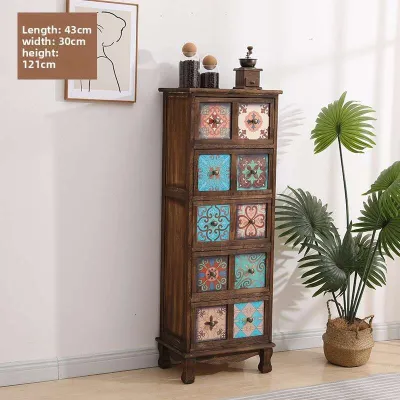
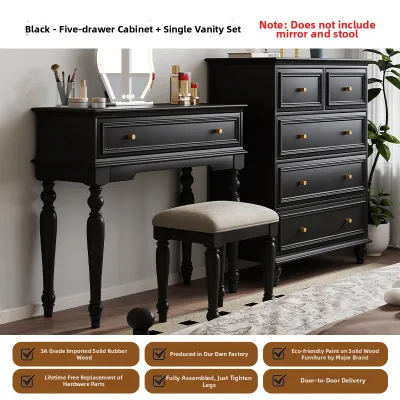
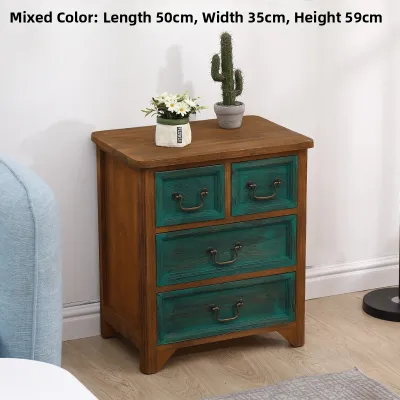
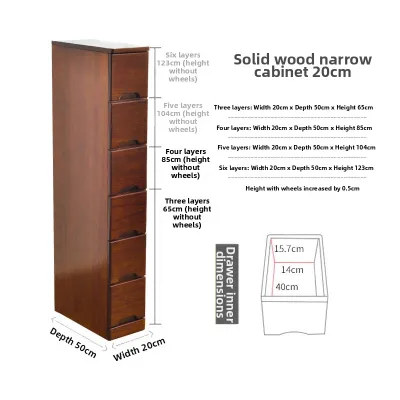
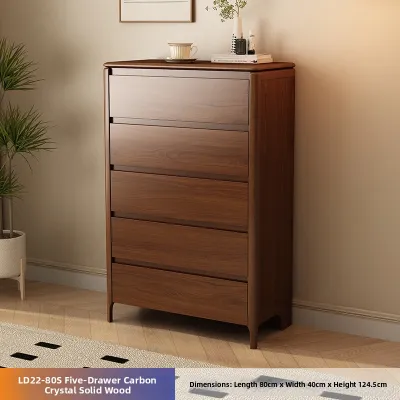
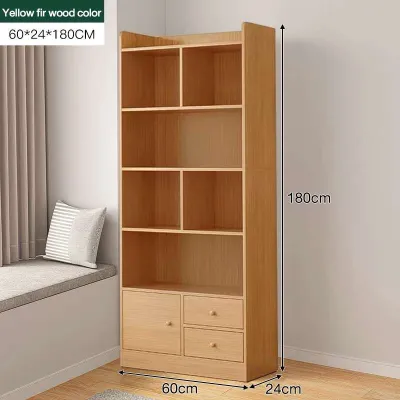
Prices are valid at publication and may change. Please refer to the product page for the latest price.
Core Design Styles for Solid Wood Cabinets
Solid wood cabinets are highly versatile, but their design styles are fundamentally defined by three elements: wood tone, hardware design, and structural lines. Light, natural finishes with minimal hardware project a completely different energy than dark, heavily molded pieces with ornate brass pulls. Understanding how these design details categorize a cabinet allows you to map different styles directly to your home’s established aesthetic. The following breakdown explores the most prominent design styles to help you identify the perfect match for your interior.

Scandinavian
Scandinavian design centers on simplicity, utility, and a deep connection to natural elements. Solid wood cabinets in this style typically feature light-toned finishes, such as ash, beech, or pale oak, which help keep interiors feeling bright and airy. The hardware is kept to an absolute minimum, often utilizing integrated finger pulls, push-to-open mechanisms, or simple, low-profile wooden knobs. Clean, straight lines and slender, uncomplicated legs define the silhouette, ensuring the piece maintains a lightweight footprint.
These cabinets thrive in bright, minimalist, or cozy spaces that prioritize natural light and functional simplicity. If your home features neutral color palettes, soft textures like linen and wool, and uncluttered surfaces, a Scandinavian cabinet will integrate beautifully. It offers a quiet elegance that supports a calm, orderly environment without competing for visual dominance.
Mid-Century Modern
Mid-century modern cabinets celebrate retro-inspired, functional elegance with a distinct focus on organic forms and geometric harmony. These pieces are easily recognized by their iconic tapered legs, which lift the cabinet body off the floor to create an illusion of spaciousness. They typically showcase warm, medium wood tones like teak, walnut, or cherry, highlighting rich, expressive grain patterns. The structural lines often balance clean, straight edges with gentle, organic curves, resulting in a timeless and dynamic silhouette.
This style integrates exceptionally well with spaces that feature vintage accents, bold geometric patterns, or retro-modern furnishings. If your living room incorporates low-profile sofas, brass lighting fixtures, or earthy accent colors like mustard yellow and olive green, a mid-century modern cabinet acts as an ideal companion. It adds a sense of nostalgic warmth and architectural interest to both historic and contemporary homes.
Industrial
Industrial style embraces a raw, utilitarian aesthetic by pairing the warmth of solid wood with the ruggedness of structural metal. These cabinets often feature darker, distressed, or reclaimed wood finishes that showcase natural imperfections, knots, and textured grain. The wooden elements are framed or supported by matte black iron, steel brackets, exposed hinges, or heavy-duty industrial casters. The overall design is straightforward and robust, emphasizing structural honesty and durability over delicate ornamentation.
An industrial solid wood cabinet fits perfectly into lofts, open-plan living areas, or rooms featuring exposed brick, concrete floors, or visible ductwork. It also works well as a grounding element in highly modern, neutral spaces that need an injection of texture and character. The contrast between the organic wood and the cold metal creates a compelling visual tension that suits casual, contemporary lifestyles.
Traditional
Traditional solid wood cabinets represent classic craftsmanship, formal elegance, and enduring proportions. These pieces are characterized by rich, dark wood stains such as mahogany, cherry, or deep oak, which convey a sense of history and permanence. They feature intricate details, including ornate crown moldings, raised-panel doors, fluted pilasters, and elegant bracket feet. The hardware is typically substantial, featuring antique brass, bronze, or detailed iron pulls that complement the cabinet’s formal styling.
These cabinets are best suited for formal living rooms, dedicated home libraries, or classic transitional interiors where symmetry and heritage are celebrated. A traditional cabinet demands a room with matching visual weight, such as spaces with plush upholstery, classic drapery, and architectural wall moldings. It serves as a stately showcase for fine china, rare books, or heirloom collectibles, anchoring the room with its dignified presence.
Practical Space and Material Checks
Selecting the right style is only half the journey; you must also ensure the cabinet is physically compatible with your home and lifestyle. Begin by measuring the exact footprint of the designated area, taking care to account for baseboards, light switches, and wall outlets. Crucially, measure your home’s entry points, including doorway widths, hallway turns, and lift or stairway clearances to guarantee the delivery team can safely transport the fully assembled cabinet into your room. This is especially important for high-rise apartments or homes with narrow access corridors.
Once inside, the cabinet must meet your functional and safety requirements. Check the manufacturer’s specifications for shelf adjustability, overall structural stability, and weight capacity labels to ensure the unit can safely support your heavy books, glassware, or sculptures. For safety, plan to anchor tall or heavy cabinets securely to the wall, particularly if the unit features heavy glass doors that shift the center of gravity when opened.
Finally, verify the manufacturer’s wood finish care instructions against your room’s specific environmental conditions. Solid wood is sensitive to environmental shifts; high humidity levels can cause wood to swell, while dry air or direct sunlight can lead to warping, cracking, or fading. If you live in a tropical climate, ensure your room has adequate ventilation or climate control, and avoid placing your solid wood cabinet directly in the path of intense afternoon sun or air conditioning drafts.
Frequently Asked Questions (FAQ)
Can I mix a modern solid wood cabinet with traditional furniture?
Yes, mixing a modern solid wood cabinet with traditional furniture can create a curated, sophisticated look if done intentionally. The key is to find a unifying element, such as a shared wood undertone or a consistent color palette across your decor accessories. Ensure you balance the visual weight of the room by keeping adequate negative space around the modern cabinet so it does not clash with the more ornate traditional pieces.
How do I protect a solid wood display cabinet from sun damage?
To protect your cabinet from UV-related fading or drying, start by checking the manufacturer’s care label for specific finish recommendations. Position the cabinet away from windows that receive intense, direct sunlight, or use window treatments like sheer curtains or UV-filtering blinds to soften the exposure. Additionally, periodically rotate the items displayed on your shelves to ensure the wood surfaces age and mature evenly under ambient light.

Community discussion
Share your experience or ask a question. Comments are reviewed before publication.