
Selecting the right slim wall cabinet brand for your Singapore home requires balancing aesthetic preferences with the practical constraints of local residential layouts. In modern Housing & Development Board (HDB) flats and private condominiums, floor space is highly optimized, making vertical storage solutions essential for maintaining an organized, clutter-free environment. A well-chosen slim wall cabinet not only maximizes underutilized wall space but also serves as a design anchor that reinforces your home’s overall interior style. To find a brand that delivers both form and function, you must evaluate how different manufacturers execute specific design languages—such as Scandinavian, modern minimalist, or industrial—while verifying their material quality, hardware durability, and installation safety. By focusing on brands that provide transparent material specifications and robust mounting systems, you can ensure your cabinet remains a safe, beautiful, and functional addition to your living space for years to come.
Defining Your Interior Aesthetic for Slim Wall Cabinets
To narrow down your search for the perfect slim wall cabinet, you must first define the core design aesthetic of your home, as different furniture brands specialize in distinct visual styles. For homes embracing a Scandinavian aesthetic, look for brands that highlight light wood tones, such as oak, ash, or birch, paired with clean, uncomplicated lines. This design balances open display shelving and closed storage, allowing you to showcase curated items while tucking away clutter. Brands that excel in this style often incorporate organic textures, soft rounded edges, and tapered legs or supports that create a sense of warmth and airiness, making them ideal for creating a cozy, welcoming atmosphere in smaller living rooms or entryways.
If your home follows a modern minimalist design, your focus should shift toward brands that offer handleless doors, push-to-open mechanisms, and completely concealed storage systems. This style reduces visual noise, allowing the cabinet to blend into the wall like architectural paneling. Brands specializing in this look often utilize matte or high-gloss finishes in neutral color palettes, such as stark whites, deep grays, or charcoal blacks. When evaluating these brands, pay close attention to how they handle joints and seams; high-end minimalist manufacturers prioritize seamless integration and hidden hinges to maintain a sleek, uninterrupted profile that enhances the feeling of spaciousness in tight corridors.
Products mentioned in this guide
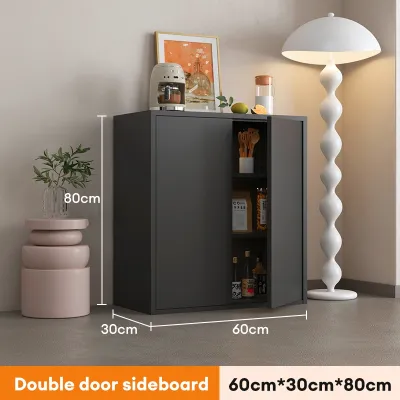
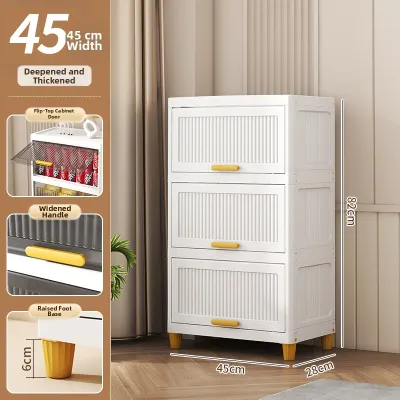
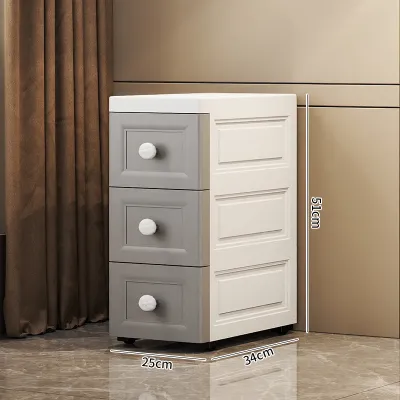
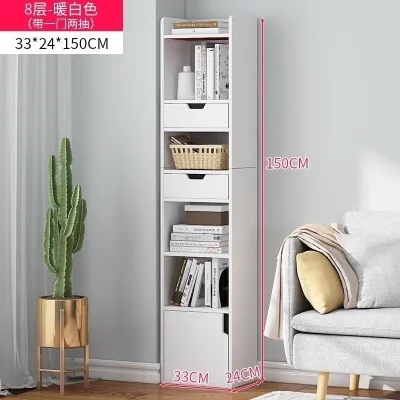
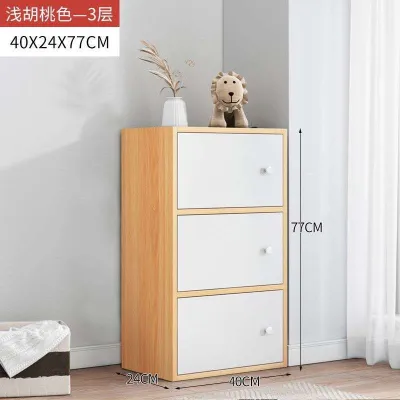
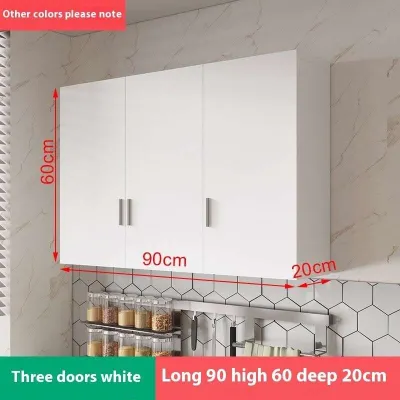
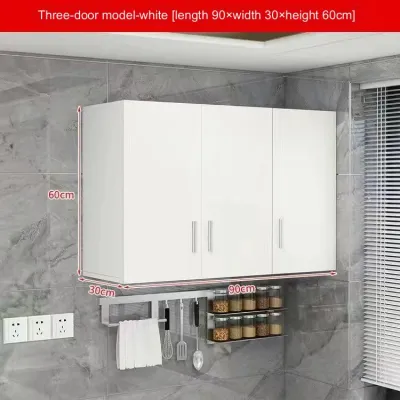
Prices are valid at publication and may change. Please refer to the product page for the latest price.
For those drawn to an industrial aesthetic, look for brands that embrace raw, rugged materials and structural honesty. Industrial-style slim wall cabinets typically feature matte black metal frames, wire mesh door inserts, and raw wood textures with prominent grain patterns. Open shelving configurations showcase structural components rather than hiding them. Brands with an industrial focus often combine powder-coated steel brackets with darker wood laminates or distressed finishes, creating a bold, utilitarian look that works exceptionally well in home offices, study rooms, or transitional hallway spaces.
Mapping these visual elements to specific product lines requires analyzing how a brand categorizes its collections. Many manufacturers organize their catalogs by design themes, such as “linear,” “modular,” or “loft.” Analyze whether the brand’s signature design details—such as frame thickness, door pulls, and colorways—align with your home’s existing woodwork, flooring, and lighting.
Key Dimensions and Space Checks for Narrow Wall Units
Before committing to a specific brand or cabinet model, conducting precise spatial measurements is critical to ensure the unit fits harmoniously within your home. A slim wall cabinet typically features a shallow depth, often ranging from 15 cm to 30 cm, making it highly suitable for narrow walkways, entryways, and dining areas. However, even a shallow cabinet can obstruct foot traffic if placed incorrectly. Measure the exact width and height of the wall space, accounting for baseboards, cornices, or trim that might prevent the cabinet from sitting flush.

Next, evaluate the clearance required for operating the cabinet doors. Swing doors require a specific clearance radius to open fully, which can be problematic in tight corridors or behind dining chairs. For exceptionally narrow spaces, look for brands offering sliding doors, tambour doors, or open shelving that do not encroach on walkways. If you opt for sliding doors, verify the depth of the door tracks in the manufacturer’s specifications, as multi-track systems can sometimes add unexpected bulk to the cabinet’s overall depth.
Vertical clearance is equally important, particularly in Singapore homes where ceiling heights can vary between standard HDB flats and high-ceiling condominiums. Check for potential spatial conflicts with existing wall-mounted fixtures, such as air conditioning fan coil units, electrical trunking, light switches, and ceiling fans. Ensure the cabinet sits away from air conditioning vents to prevent cold air from blowing directly onto the unit, which can cause localized humidity and warping. Additionally, verify that the cabinet doors will not interfere with the path of ceiling fan blades when opened.
To streamline your shopping experience, compile these measurements into a comprehensive spatial checklist. Record the maximum depth, width, and height your wall can accommodate, along with electrical outlet locations. Use this checklist as a strict filter when browsing brand catalogs, immediately disqualifying any units that exceed your spatial limits, regardless of how appealing their design might be.
Evaluating Brand Design Signatures and Material Finishes
When assessing different cabinet brands, it is essential to look past marketing terminology and evaluate the actual materials and construction techniques used. In Singapore’s humid climate, material selection impacts furniture longevity. Do not assume durability based on terms like “premium wood” or “heavy-duty.” Instead, check the product labels and manufacturer specifications for exact surface treatments and core materials. For instance, high-pressure laminates (HPL) and melamine-faced chipboards (MFC) with moisture-resistant cores are excellent choices for resisting humidity, while solid wood units require high-quality polyurethane or lacquer sealants to prevent warping and cracking.
Hardware quality is another critical indicator of a brand’s attention to detail and overall product durability. Examine manufacturer hardware specifications, looking for soft-close mechanisms, adjustable hinges, and sturdy drawer runners. For a minimalist aesthetic, concealed hinges and push-to-open latches should operate smoothly without requiring excessive force. Conversely, for industrial or rustic styles, ensure that exposed metal pulls, rivets, and brackets are securely finished with rust-resistant coatings to prevent corrosion in humid environments.
To verify the consistency of a brand’s design execution, take the time to review their official lookbooks, showroom displays, or authorized online galleries. Visiting a showroom lets you interact with the furniture. Test hinge tension, check for misalignment, and assess the finish quality firsthand. If you are purchasing online, look for high-resolution zoom features or customer-uploaded photos that show the cabinet in real-world lighting conditions.
Pay close attention to edge banding and joint finishes, as these are common failure points in low-quality wall cabinets. High-quality brands use laser edge banding to create a seamless, virtually invisible bond between the edge strip and the panel. This seamless finish not only enhances the visual appeal of a slim profile but also prevents moisture from penetrating the core material, reducing the risk of swelling and peeling over time. Inspect the mitered joints and corner connections to ensure they are perfectly flush and free of visible glue residue.
Installation, Weight Capacity, and Safety Considerations
Mounting a slim wall cabinet securely requires a thorough understanding of your home’s wall structure and the appropriate installation hardware. Singapore homes feature various wall types, including solid concrete structural walls, brick partition walls, and lightweight drywall partitions. Concrete walls offer high load capacity but require masonry drill bits. Drywall partitions, common in newer BTO layouts, have limited capacity and require toggle bolts or mounting directly into metal studs.
Before purchasing, always check the manufacturer’s specifications for the maximum load capacity of both the individual shelves and the entire cabinet unit. Overloading a wall cabinet can lead to shelf sagging, joint separation, or, in severe cases, the complete detachment of the cabinet from the wall. For heavy items like books or dinnerware, select a brand specifying high load limits and utilizing robust, multi-point mounting brackets.
For tall, slim cabinets that rest on the floor but are secured to the wall, anti-tip brackets are essential safety features, particularly in households with children or pets. For fully floating wall cabinets, professional installation is strongly recommended. Professional installers can locate studs accurately, verify wall levelness, and select the precise fasteners required for your wall type.
Safety must always be your top priority when installing wall-mounted furniture. If you are unsure of your wall’s composition or if instructions conflict with your home’s layout, stop the installation immediately. Consult a qualified professional contractor or structural engineer to assess your wall conditions and complete the mounting process safely.
Where to Source and Verify Slim Cabinet Options
To ensure you are purchasing an authentic, high-quality product, source your slim wall cabinet directly from official brand showrooms or authorized online retail stores. Official channels guarantee accurate dimensions, genuine finishes, and up-to-date stock, protecting you from counterfeit products that compromise safety.
When shopping, take advantage of brands that offer material samples or finish swatches. Requesting these samples allows you to bring them into your home and observe how the colors and textures interact with your existing furniture, flooring, and lighting. A finish that appears warm under showroom spotlights may look cooler under your home’s specific LED lighting. Testing swatches beforehand helps prevent costly aesthetic mismatches.
Before finalizing your purchase, carefully review the brand’s return policies, warranty terms, and delivery lead times. This is particularly important for custom-sized or imported slim cabinets, which may have extended delivery windows. Understand what the warranty covers—such as hardware failure or structural defects—and keep all purchase receipts safe.
Finally, verify that the final quoted price in S$ is transparent and includes all necessary services. Confirm whether delivery, assembly, and wall-mounting services are included in the initial quote or if they incur additional charges. Some brands charge extra for mounting on concrete or delivering to walk-up apartments. Ensuring all costs are outlined upfront prevents unexpected expenses.
Frequently Asked Questions (FAQ)
Can slim wall cabinets be safely mounted on drywall?
Yes, slim wall cabinets can be safely mounted on drywall, provided you use the correct hardware and installation techniques. You must locate the internal metal or wooden studs behind the drywall using a stud finder and anchor the cabinet’s mounting brackets directly into them. If the cabinet’s mounting points do not align with the studs, you must use specialized heavy-duty drywall anchors, such as toggle bolts or hollow wall anchors, which expand behind the drywall to distribute the weight. For heavier loads, consult a professional installer to assess the wall’s structural capacity and determine if additional reinforcement is required.
How do I prevent a narrow wall cabinet from looking top-heavy?
To prevent a narrow wall cabinet from appearing top-heavy, you can use strategic visual balancing techniques. Distribute the weight of your stored items by placing heavier, bulkier, or darker objects on the lower shelves, while keeping lighter, delicate, or glass items on the upper shelves. If the cabinet features a mix of open and closed storage, keep the lower section closed to create a visually solid base, and use open shelving or glass doors at the top to maintain an airy feel. Additionally, selecting a cabinet with a built-in plinth or base trim that connects visually to the floor can help ground the unit within the room’s design.
Community discussion
Share your experience or ask a question. Comments are reviewed before publication.