
Selecting the ideal plastic storage box for each room in your home is more than a matter of aesthetics; it is a practical decision that directly impacts how efficiently your household functions. Different spaces present distinct environmental challenges, from the high humidity of bathrooms to the tight vertical limits of bedroom closets. By matching the specific design features of a container—such as its transparency, lid style, and stackability—to the unique demands of each room, you can establish an organized system that protects your belongings and simplifies daily retrieval.
To achieve a truly functional setup, you must look beyond generic storage claims and focus on how a box interacts with its physical environment. A container that excels in a dry, deep pantry might fail under the sink or inside a cramped wardrobe. Evaluating your storage needs systematically ensures that every purchase serves a clear purpose, preventing the common cycle of buying mismatched bins that ultimately contribute to visual clutter.
Assessing Your Space and Storage Needs Before Buying
Before purchasing any plastic storage box, accurate physical measurements of your designated storage areas are essential. Use a reliable measuring tape to record the height, width, and depth of shelves, under-bed clearances, or closet floors. If you plan to place large storage tubs in high-reach areas or deep closets, verify that the dimensions allow the boxes to pass easily through doorways, narrow hallways, and lift doors during transport.
Products mentioned in this guide
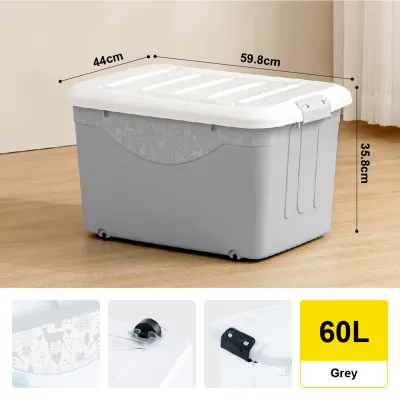
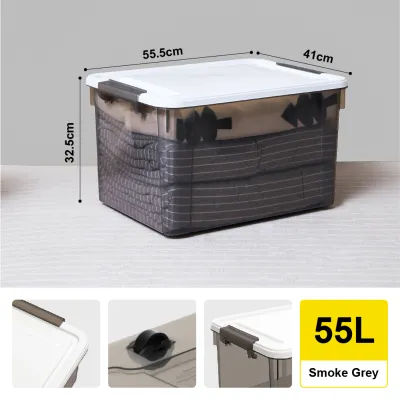
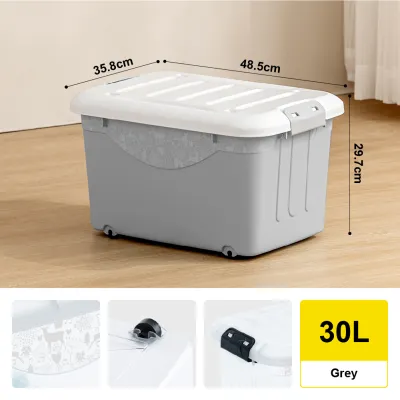
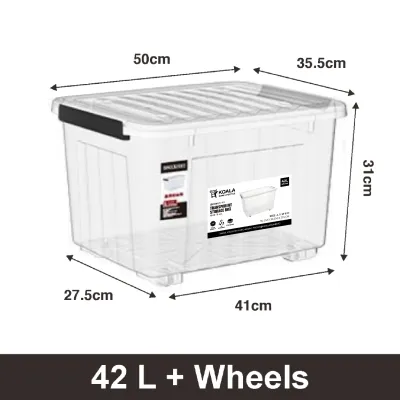
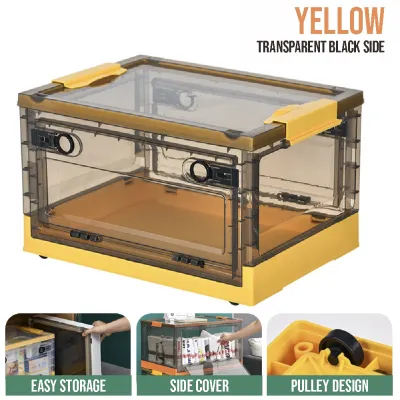
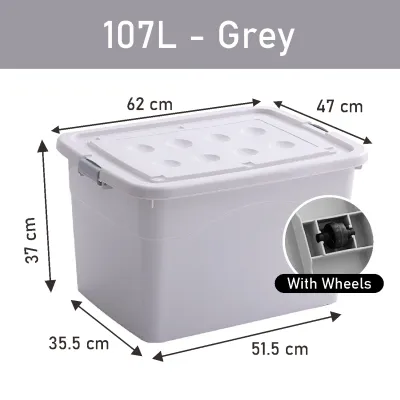
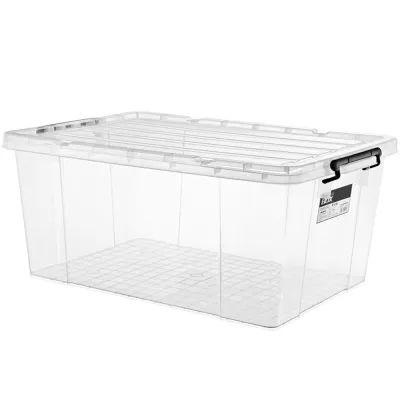
Prices are valid at publication and may change. Please refer to the product page for the latest price.
Next, categorize your belongings by how often you need to access them. Items used daily require quick-access solutions, such as open bins or drawer-style units that do not require unstacking. Conversely, seasonal decorations, holiday gear, or archival documents are better suited for lidded, stackable boxes that can remain sealed for months at a time.
Finally, evaluate the weight of the items you intend to store and the structural limits of the containers. Stacking heavy items in thin-walled plastic boxes can cause the lower units to bow, crack, or tip over, creating safety hazards. Check the manufacturer’s specifications for load capacity and look for reinforced corners, thick base molding, and secure interlocking lids that distribute weight evenly across the stack.
Choosing Plastic Storage Boxes for Bedrooms and Closets
Wardrobes and bedroom closets often suffer from underutilized vertical space, making stackable plastic storage boxes with secure lids highly effective. These containers are ideal for storing bulky winter bedding, out-of-season clothing, and extra linens. The secure lids seal out dust, pests, and ambient moisture, ensuring that fabrics remain clean and ready to wear when the seasons change.

For daily-wear items, shoes, and activewear, unstacking multiple heavy bins every morning quickly becomes tedious. In these active zones, drawer-style plastic storage units offer a superior alternative. These modular drawers allow you to pull out specific compartments to retrieve items without disturbing the boxes stacked on top, maintaining closet order even during busy mornings.
Small accessories, such as socks, belts, ties, and jewelry, easily become lost or tangled in large, open containers. To address this, select shallow plastic boxes equipped with built-in or adjustable dividers. These compartments keep small items separated and visible at a glance, reducing the time spent searching through cluttered drawers and helping to preserve the shape of delicate accessories.
Organizing Kitchens and Pantries with Plastic Storage
Kitchen pantries require storage solutions that prioritize visibility and freshness. Clear plastic storage boxes are highly recommended for dry goods, baking supplies, and snacks because they allow you to monitor inventory levels instantly. Seeing exactly how much flour, rice, or pasta remains helps prevent duplicate purchases at the grocery store and ensures you never run out of essentials mid-recipe.
To maximize the efficiency of deep pantry shelves, choose stackable containers with uniform, modular dimensions. Standardized square or rectangular shapes fit together tightly, eliminating the wasted space often left by round jars or mismatched packaging. Look for containers with airtight silicone seals and robust locking latches to protect dry ingredients from humidity and pantry pests.
For kitchen drawers and utility cabinets, shallow drawer-style boxes or divided trays are invaluable. These organizers keep cutlery, cooking utensils, and small gadgets neatly separated rather than piled loosely in a drawer. When selecting these trays, measure the interior drawer dimensions carefully to ensure a snug fit that prevents the organizer from sliding around when the drawer is opened and closed.
Managing Moisture and Accessibility in Bathrooms
Bathrooms are high-humidity environments that demand water-resistant storage materials. Standard cardboard or fabric organizers quickly absorb moisture, leading to mold growth and structural failure. High-quality plastic storage boxes are naturally resistant to water, making them the ideal choice for organizing toiletries, spare towels, and cleaning supplies.
Under-sink cabinets are notorious for becoming dark, cluttered zones where items are easily forgotten. Utilizing clear, stackable plastic boxes in these areas allows you to see contents immediately, even in low-light conditions. Grouping similar items together—such as hair care products in one box and first-aid supplies in another—keeps the cabinet organized and makes cleaning the cabinet floor straightforward.
When storing items in damp areas, pay close attention to ventilation. If you must store damp bath toys or cleaning cloths, select plastic baskets with open weave patterns or ventilation holes to promote airflow and rapid drying. For moisture-sensitive items like paper products or electronics, use airtight plastic boxes with rubber gaskets, and avoid storing them directly on the bathroom floor where water pooling could occur.
Streamlining Living Areas and Home Offices
Living rooms and shared family spaces require storage that blends seamlessly with your home decor. While clear bins are excellent for utility areas, they can look cluttered in a living room. Instead, opt for opaque or tinted plastic storage boxes with clean, minimalist lines to conceal miscellaneous items like gaming controllers, charging cables, and craft supplies.
In a home office, maintaining a tidy desk is crucial for focus and productivity. Shallow, divided plastic trays placed inside desk drawers keep stationery, paperclips, sticky notes, and USB drives perfectly organized. For desktop storage, small modular drawer units made of high-quality, matte-finish plastic provide easy access to active paperwork while keeping the surface clear of clutter.
When selecting stackable boxes for visible areas, prioritize designs with flat, secure lids that can double as temporary side tables or display surfaces. Choosing neutral colors like white, grey, or charcoal helps the storage units integrate naturally with your existing furniture, proving that practical plastic organization does not have to compromise your home’s aesthetic appeal.
Maximizing Space with Cross-Room Storage Strategies
One of the most effective ways to streamline your home organization is to standardize your plastic storage box collection. By purchasing boxes of the same brand and product line, you ensure that lids and bases are fully interchangeable. This standardization allows you to move boxes seamlessly from a bedroom closet to a home office or storeroom as your storage needs evolve over time.
While opaque boxes are excellent for maintaining a clean visual appearance, they can make finding specific items difficult if left unmarked. To solve this, implement a clear labeling system using a label maker or adhesive pockets on the front of each container. This practice preserves the tidy look of opaque bins while retaining the quick-identification benefits of clear storage.
Finally, consider investing in multi-purpose, heavy-duty plastic drawer units on wheels. These versatile organizers can easily transition from holding craft supplies in the living room to storing tools in a utility closet or organizing documents in a study. Their mobility makes rearranging spaces simple, allowing your storage system to adapt dynamically to your changing lifestyle.
Frequently Asked Questions (FAQ)
How do I clean and maintain clear plastic storage boxes to prevent cloudiness?
To keep clear plastic storage boxes looking pristine, wash them regularly with mild dish soap and warm water using a soft microfiber cloth. Avoid using abrasive scrubbers, steel wool, or harsh chemical cleaners, as these can create micro-scratches that permanently dull and cloud the plastic surface. After washing, ensure the boxes are completely air-dried in a well-ventilated area before placing items inside, as trapped moisture can lead to mold and unpleasant odors.
Can I safely stack different brands of plastic storage boxes?
Stacking different brands of plastic storage boxes is generally not recommended because mismatched lid and base dimensions compromise structural stability. Even a slight discrepancy in size can prevent the upper box from nesting securely, significantly increasing the risk of the stack tipping over. If you must mix brands, place the heaviest and largest boxes at the bottom, test the stability of the stack manually, and avoid stacking them high in areas with frequent foot traffic or where children and pets are present.
Community discussion
Share your experience or ask a question. Comments are reviewed before publication.