
Selecting the right non-slip chair socks is a balancing act between floor protection, stability, and functional movement. The ideal material depends entirely on your specific flooring type, as a sock that grips perfectly on rough tile might scuff a delicate hardwood finish or fail to slide when needed. By evaluating the physical properties of silicone, rubber, felt, and fabric, you can prevent unsightly scratches, reduce noise, and keep your chairs stable without damaging your home’s surfaces.
To make an informed choice, you must first understand how different materials interact with your floor’s finish. Hardwood, laminate, vinyl, and stone each have unique tolerances for friction, pressure, and moisture. Matching the physical traits of the chair sock to these tolerances ensures long-term protection and prevents premature wear on both the furniture accessories and the floor itself.
Identify Your Floor Surface and Protection Needs
Before purchasing any furniture protectors, assess the specific characteristics of your flooring. Highly polished surfaces, such as glossy hardwood or polished marble, are exceptionally sensitive to micro-scratches and require soft, non-abrasive contact points. Conversely, matte ceramic tiles or textured natural stone can tolerate higher friction but may cause rapid wear on delicate fabrics. Understanding these surface textures helps narrow down whether you need a high-grip synthetic material or a smooth-sliding fabric.
Products mentioned in this guide
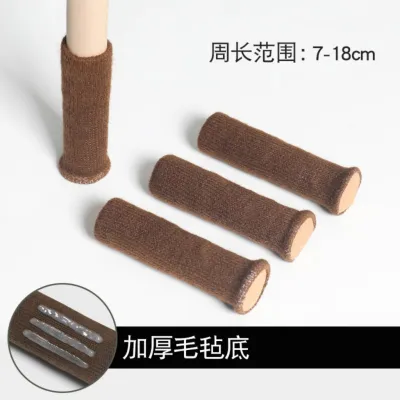
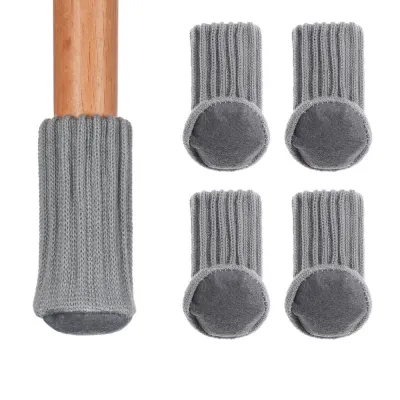
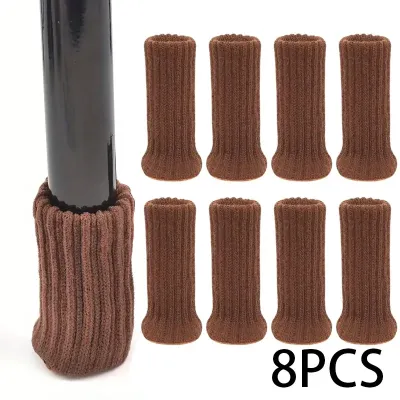
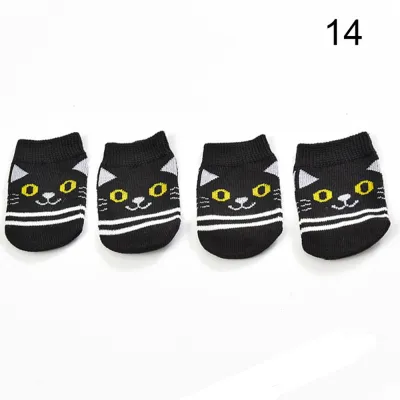
Prices are valid at publication and may change. Please refer to the product page for the latest price.
It is equally important to check your flooring manufacturer’s care guidelines and warranty terms. Many modern luxury vinyl plank (LVP) and engineered wood manufacturers explicitly warn against using certain rubber or synthetic latex backings. These materials can cause plasticizer migration, a chemical reaction that permanently discolors or dulls the floor’s protective wear layer. If your manufacturer restricts these materials, you will need to focus on felt or woven fabric alternatives.
Additionally, consider environmental factors such as ambient humidity and moisture exposure. In humid climates, moisture can easily become trapped beneath dense, non-porous synthetic materials like solid rubber. This trapped moisture can damage wood finishes, swell laminate joints, or encourage mold growth. Identifying these vulnerabilities early allows you to select a material that offers adequate ventilation or a non-reactive barrier.
Evaluate Common Chair Sock Materials
Chair socks generally fall into two categories: synthetic grippers, such as silicone and rubber, and woven fabrics, including knitted yarn and compressed felt. Synthetic options are designed primarily to hold furniture firmly in place, making them ideal for seating that should not slide easily. Woven fabrics and felt focus on quiet, smooth movement, allowing chairs to glide effortlessly across the floor while absorbing impact.

When shopping, read product labels carefully to verify the exact material composition. Many products marketed as “silicone” may actually contain cheaper PVC blends, which tend to be less flexible and more prone to cracking. Look for clear indications of floor compatibility, maximum weight recommendations, and instructions on whether the socks are suitable for rough or smooth surfaces.
Silicone and Rubber Options
Silicone and rubber chair socks are highly valued for their exceptional grip and form-fitting design. When examining these options, observe the surface patterns on the bottom of the sock. Raised dots, grids, or ribbed textures increase friction on smooth floors, preventing chairs from sliding when a person sits down. This makes them highly suitable for high-traffic dining areas or home offices where stability is a priority.
Check the material’s flexibility and thickness to ensure it can stretch over your chair legs without tearing. High-quality silicone should feel supple and return to its original shape after stretching. However, keep in mind that highly flexible synthetic materials can still degrade under heavy, repetitive lateral friction. Over time, the bottom of the sock may thin out or split, especially if used on heavy furniture or rough tile grout lines.
Be aware of the potential for synthetic materials to leave marks on sensitive finishes. Soft rubber and low-grade plastics can scuff light-colored floors or bond to polyurethane coatings under heavy pressure. If you choose silicone or rubber, ensure the product is rated as non-marking and check the contact points regularly to confirm no residue is transferring to your floor.
Felt and Fabric Options
Felt and fabric chair socks offer a softer, more traditional approach to floor protection. To evaluate these options, assess the density and thickness of the felt base. High-density wool or synthetic felt provides excellent cushioning, absorbing the impact of heavy chairs and dampening the sound of scraping furniture. Woven fabric socks, often made of heavy-duty polyester or acrylic yarn, stretch easily over various leg shapes and provide a snug, sock-like fit.
While felt is highly effective at preventing scratches and reducing noise, it offers significantly less grip than rubber or silicone. On polished porcelain tiles or slick laminate, felt-bottomed socks will allow the chair to slide with very little resistance. This is ideal for dining chairs that are frequently pulled in and out, but it may not be suitable if you require the chair to remain firmly stationary.
Over time, fabric and felt socks are prone to wear, compaction, and dirt accumulation. As the fibers compress, they lose their cushioning ability. More importantly, loose felt fibers easily trap dust, pet hair, and abrasive outdoor grit. If left uncleaned, this trapped debris acts like sandpaper, scratching the very floor you are trying to protect. Regular inspection is necessary to identify when the fibers have become compacted or dirty.
Match Materials to Floor Types: A Decision Framework
To choose the right material, you must balance the need for stability against the risk of surface abrasion. The following decision matrix outlines how common flooring types pair with different chair sock material characteristics based on typical household conditions:
| Floor Type | Recommended Material Traits | Primary Benefit | Key Risk to Monitor |
|---|---|---|---|
| Hardwood (Glossy/Satin) | High-density felt, soft woven fabric | Smooth sliding, scratch prevention | Grit accumulation in fibers |
| Laminate | Felt-bottomed synthetic, dense fabric | Noise reduction, easy movement | Moisture trapping under synthetic bodies |
| Polished Tile / Marble | Textured silicone, hybrid felt-silicone | High grip, stability, scuff prevention | Material degradation on grout lines |
| Luxury Vinyl Plank (LVP) | Non-marking silicone, dense felt | Chemical compatibility, impact cushion | Plasticizer discoloration from cheap rubber |
| Matte Ceramic / Stone | Heavy-duty rubber, reinforced fabric | High durability, slip resistance | Rapid wear of soft fabrics on rough textures |
Using high-grip materials on delicate finishes can sometimes cause jerky, uneven movements when you try to move the chair. This sudden resistance puts stress on the chair joints and can cause the sock to slip off the leg. Conversely, using low-friction felt on a slick, sloped, or highly polished floor can lead to accidental sliding, which may pose a safety concern for some users.
For many homes, a hybrid approach offers the most balanced performance. Hybrid chair socks feature a flexible silicone body that grips the chair leg securely, paired with a durable felt pad permanently bonded to the bottom. This design prevents the sock from sliding off the chair leg while allowing the chair to glide smoothly and quietly across hard floors. When selecting hybrid options, verify that the felt is thermally fused or deeply embedded into the silicone, rather than held together by a simple adhesive that can fail under lateral pressure.
Verify Fit, Test Grip, and Maintain Floor Safety
To ensure your chair socks perform effectively, accurate measurement is essential. Use a soft measuring tape or a caliper to measure the width or diameter of your chair legs at the very bottom. Note whether the legs are round, square, or uniquely angled, as many socks are molded specifically for certain shapes. A sock that is too small will stretch excessively and tear quickly, while one that is too large will slide off, leaving the bare chair leg to scrape the floor.
Before installing the socks across all your furniture, conduct a hidden spot test. Place a single sock on a chair leg and position it in an inconspicuous area, such as inside a closet or under a large rug. Use the chair normally for several days, then remove the sock to inspect the floor. Check for any signs of discoloration, dullness, sticky residue, or micro-scratches to confirm the material is fully compatible with your floor’s finish.
Maintaining a clean floor and clean chair socks is the most effective way to prevent accidental scratching. Vacuum or sweep your floors regularly to remove abrasive grit. For fabric and felt socks, remove them periodically to shake out dust or wash them according to the manufacturer’s instructions. For silicone socks, wipe the interior and exterior with a damp cloth to remove any dust that might cause the sock to slip down the chair leg.
Finally, establish clear stop conditions for when to replace your chair socks. Inspect them every few months for signs of thinning, tearing, or loss of elasticity. If a silicone sock begins to split, or if a felt pad wears down to the point where the plastic or wood of the chair leg is close to making contact with the floor, replace them immediately. Prompt replacement ensures your floors remain pristine and your furniture stays stable.
Frequently Asked Questions (FAQ)
Can I use silicone chair socks on newly finished hardwood floors?
It is generally best to avoid using silicone or rubber chair socks on newly finished hardwood floors until the finish has fully cured. Even after the floor is dry to the touch, polyurethane, oil, and wax finishes can take several weeks to cure completely and reach their maximum hardness. Placing dense synthetic materials on the floor during this curing window can trap escaping solvents, leading to permanent dull spots, imprints, or bonding between the silicone and the fresh finish. Always consult your flooring installer or finish manufacturer for the recommended waiting period, and perform a hidden spot test before full installation.
How often should I wash or replace felt chair socks?
Felt chair socks should be inspected monthly and typically washed or replaced every three to six months, depending on household activity levels. If you notice a buildup of dust, pet hair, or visible dirt on the bottom of the felt, remove the socks and wash them according to the product care label—usually a gentle hand wash and air dry is best to prevent shrinking. Replace the socks immediately if the felt has become heavily compacted, thin, or hard, as compressed felt loses its cushioning ability and can trap abrasive particles that scratch your flooring.
Community discussion
Share your experience or ask a question. Comments are reviewed before publication.