
The right leather care product depends entirely on matching the specific type of damage to the correct formulation. There is no universal fix; cleaners remove contaminants, conditioners restore moisture, balms address minor physical abrasions, and waxes provide a protective topcoat. Applying the wrong product can worsen the damage, making accurate diagnosis and careful product selection essential before any treatment begins. By understanding the physical characteristics of your furniture’s leather and the nature of the wear, you can safely restore its appearance and prevent further deterioration. This guide provides a clear framework to help you identify your leather type, diagnose the damage, and select the most effective treatment.
Identify Your Leather Type and Damage First
Before purchasing any leather repair or maintenance product, you must determine the exact type of leather used on your furniture. Manufacturers use different tanning and finishing processes, which dictate how the material reacts to moisture, oils, and pigments. Applying a product designed for protected leather to an unfinished aniline sofa can result in irreversible staining.
Check the original manufacturer tags, purchase documentation, or product care labels. These documents typically classify the material into one of four main categories: aniline, semi-aniline, pigmented or protected leather, or faux leather. Each category requires a different level of care and responds differently to topical treatments.
Products mentioned in this guide
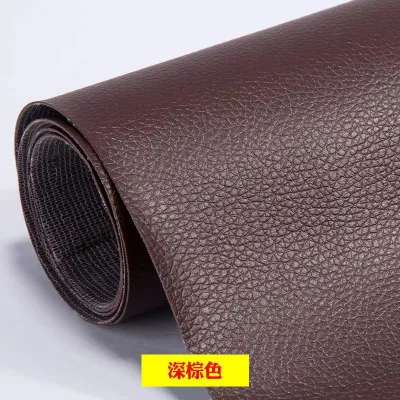
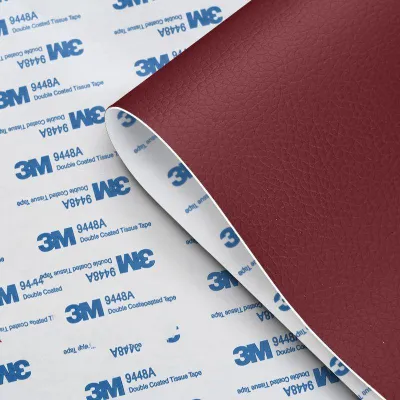
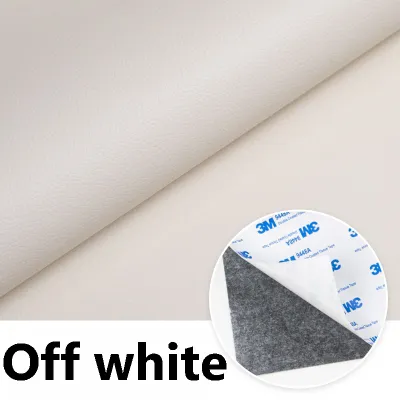
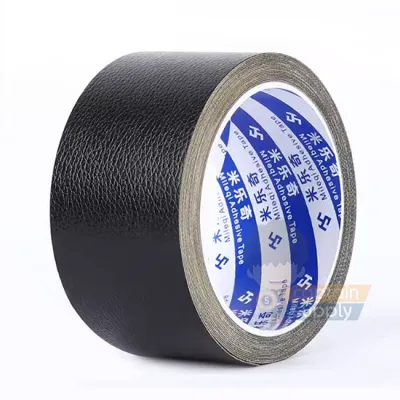
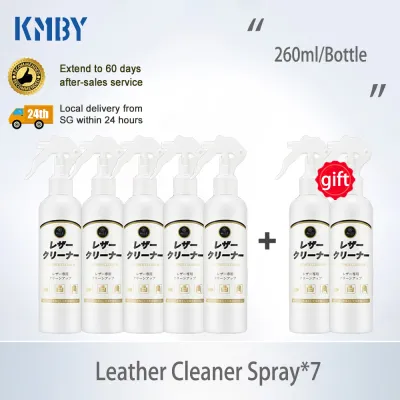
Prices are valid at publication and may change. Please refer to the product page for the latest price.
If documentation is unavailable, perform a discreet water drop test on an inconspicuous area, such as the lower back or inside a seam. Place a single drop of clean water on the surface and observe it. If the water absorbs quickly and darkens the leather, the material is highly porous, indicating aniline or unfinished leather. If the water beads up and remains on the surface, the leather has a protective topcoat, indicating pigmented or semi-aniline leather.
Next, distinguish between surface-level cosmetic issues and deep structural damage. Surface issues include light dust, minor food spills, superficial fingernail scuffs, and slight stiffness from dry air. Structural damage includes deep cuts that penetrate the backing, split seams, peeling layers on faux leather, or widespread cracking where the leather fibers have physically separated. Knowing this boundary prevents you from wasting money on topical products that cannot fix structural failures.
Match Products to Specific Leather Damage
Selecting the correct leather repair product requires a systematic approach that aligns the product’s chemical properties with the physical state of the leather. Each product category—cleaners, conditioners, balms, and waxes—serves a distinct, non-interchangeable purpose in the restoration process.

Cleaners are formulated to break down surface oils and dirt without stripping the leather’s internal moisture. Conditioners are designed to penetrate deep into the fibrous structure to restore flexibility. Balms and creams introduce pigments to mask surface abrasions, while waxes create a sacrificial barrier against external wear.
Using these products out of order or on the wrong finish can trap contaminants or ruin the texture. For instance, applying a color-restoring balm over a layer of uncleaned body oil will prevent the pigment from adhering, resulting in a patchy, sticky finish. The following sections break down how to match these products to specific types of damage.
Surface Stains, Spills, and Dirt Build-up
Daily use exposes leather furniture to a variety of contaminants, including body oils, perspiration, food spills, dust, and ink marks. Over time, these substances accumulate and form a dull, sticky film that can slowly degrade the protective topcoat of finished leather.
For these surface-level issues, a dedicated, pH-balanced leather cleaner is the correct choice. Using a cleaner formulated specifically for leather ensures that the delicate chemical bonds within the fibers remain intact during cleaning. These specialized formulas lift dirt from the pores without drying out the material.
Avoid using household degreasers, dish soaps, window cleaners, or multi-purpose sprays on leather furniture. These products are highly alkaline and contain harsh surfactants that strip away the essential natural oils embedded in the leather. This stripping process leads to rapid drying, premature cracking, and a breakdown of the protective polyurethane finish.
When dealing with specific stains like ink or dark dye transfer from clothing, look for specialized spot cleaners or ink removers designed for leather. Always apply these products gently with a soft microfiber cloth, avoiding aggressive scrubbing which can rub the stain deeper into the pores or wear away the surface color.
Dryness, Stiffness, and Minor Fading
Leather is an organic, porous material that constantly exchanges moisture with its surrounding environment. In indoor spaces with constant air conditioning or direct sunlight, the natural moisture and oils within the leather evaporate, leading to dehydration.
The primary signs of dehydrated leather include a stiff or rigid texture, a loss of natural suppleness, and a dull, lifeless appearance. If left untreated, dry leather will eventually develop micro-cracks as the fibers rub against each other and break under pressure.
To restore flexibility and prevent cracking, apply a high-quality leather conditioner. Conditioners contain emulsified oils and waxes that penetrate the leather’s pores, lubricating the internal fibers so they can slide past one another smoothly when you sit on the furniture.
It is important to recognize the physical limitations of conditioners. While they excel at restoring moisture, softening stiff panels, and reviving a rich, healthy sheen, they do not contain pigments or fillers. A conditioner cannot fill deep scratches, repair torn fibers, or restore color to areas that have suffered severe UV fading.
Light Scratches, Scuffs, and Color Loss
Minor physical abrasions, such as light pet scratches, fingernail marks, and localized color loss along high-friction areas like armrests, require a product that can restore pigment and smooth out the surface texture.
For these superficial issues, leather recoloring balms or color-restoring creams are the most effective solutions. These products combine moisturizing agents with fine pigments that sink into the exposed, lighter fibers of a scratch, effectively blending the damaged area back into the surrounding leather.
Before applying a recoloring balm, you must distinguish between superficial scuffs and deep gouges. A superficial scuff only affects the surface pigment or finish, leaving the underlying leather fibers intact. A deep gouge, however, cuts through the leather’s grain and requires a structural leather filler or repair compound rather than a simple color balm.
Color-matching is the most critical step when using balms or creams. Even a slight mismatch in shade can make the repaired area stand out. Always test the balm on a small, hidden patch of the furniture first, allowing it to dry completely to verify the final color match before treating highly visible cushions or armrests.
Protecting and Adding Shine to Finished Leather
Once leather is clean and properly moisturized, you may want to apply a protective layer to shield the surface from future wear, spills, and friction. This is where specialized leather waxes and protection creams play a role.
Leather waxes are designed to create a thin, sacrificial topcoat on heavily finished or pigmented leather. This barrier helps repel water-based spills, reduces the transfer of body oils, and adds a subtle, clean shine to the furniture.
However, waxes must be used with extreme caution. Never apply wax to porous, unfinished aniline, semi-aniline, or napped leathers like suede and nubuck. Because these materials lack a heavy protective seal, the wax will clog the open pores, permanently darken the leather, and ruin its soft, natural texture.
Remember that wax is strictly a protective topcoat and a cosmetic enhancer. It does not possess moisturizing properties and cannot repair existing physical damage. Applying wax to dry, brittle leather without conditioning it first will trap the dryness inside, accelerating the cracking process underneath the wax layer.
Safe Application Steps and Testing Boundaries
Achieving a successful leather repair or maintenance outcome depends heavily on following a disciplined, step-by-step application process. Skipping preparatory steps or rushing the drying times can lead to uneven coloring, sticky residues, or permanent stains.
Always begin by thoroughly cleaning the entire surface of the furniture piece. Applying a conditioner, balm, or wax over a dirty surface will trap dust, body oils, and microscopic grit beneath the product. This trapped debris acts like sandpaper under pressure, grinding into the leather finish every time someone sits down.
Never skip a patch test. Select a hidden area of the furniture, such as the underside of a removable cushion, the lower back panel, or an inside seam. Apply a small, pea-sized amount of the product, rub it in gently, and let it dry completely according to the product instructions. Check the test spot under natural light to ensure there is no unwanted color lifting, darkening, or texture changes.
When applying the product to the main areas of the furniture, work in thin, even layers. Use a clean, lint-free microfiber cloth or an applicator sponge, applying the product in gentle, circular motions. It is far safer to apply two or three micro-layers, allowing adequate drying time between each, than to apply a single heavy coat that can clog pores and leave a sticky, dust-attracting residue.
When to Stop and Call a Professional
While many minor cosmetic issues can be successfully managed at home, DIY leather repair products have clear physical limitations. Attempting to fix severe structural damage with retail conditioners or balms can worsen the issue and make professional restoration more difficult or expensive.
You should stop and consult a professional if your furniture exhibits deep tears that go completely through the leather backing, split or unraveling seams, or extensive peeling. Peeling is particularly common in low-quality bonded leather or faux leather suffering from hydrolysis, where the polyurethane layer delaminates from its fabric base. Retail balms and conditioners cannot re-bond these separating layers or restore structural integrity.
Large-scale color loss from prolonged exposure to direct sunlight also requires professional intervention. While a small scuff can be masked with a balm, recoloring an entire faded sofa requires professional spray equipment, specialized leather dyes, and a durable clear topcoat to ensure an even, long-lasting finish.
For high-value, antique, or heirloom leather furniture, avoid DIY experimentation entirely. Antique leathers often have delicate, aged finishes that react unpredictably to modern retail products. A certified leather restoration specialist has the training, tools, and specialized chemical compounds needed to preserve the historical value and physical stability of these unique pieces.
Frequently Asked Questions (FAQ)
Can I use olive oil or coconut oil to condition my leather sofa?
No, you should never use food-grade oils like olive oil, coconut oil, or butter to condition leather furniture. While these oils may temporarily make the leather look shiny and feel soft, they do not evaporate or dry cleanly. Instead, they sink deep into the leather fibers and begin to oxidize over time. This oxidation process causes the oils to turn rancid, creating unpleasant odors and attracting dust, pet hair, and airborne grime. Furthermore, rancid oils can slowly rot the internal stitching of your furniture and cause permanent, dark oil stains that are nearly impossible to extract. Always stick to products specifically formulated, tested, and balanced for leather care.
How often should I apply leather conditioner to my furniture?
The ideal frequency for conditioning leather furniture depends on your local indoor climate, sunlight exposure, and how heavily the furniture is used. In environments with constant air conditioning or dry heat, leather loses its moisture much faster, requiring conditioning every three to six months. In more humid climates, such as Singapore, you may only need to condition the leather once or twice a year to maintain its suppleness. Rather than following a strict calendar schedule, observe the physical condition of the leather. If the surface begins to feel slightly stiff, dry to the touch, or loses its natural flexibility when pressed, it is time to apply a thin layer of conditioner.
Community discussion
Share your experience or ask a question. Comments are reviewed before publication.