
Selecting the perfect high stool for your kitchen island or bar counter is a balancing act between physical dimensions and visual harmony. Because these seating options elevate your dining and socializing experience, they must be both physically comfortable and aesthetically aligned with your home’s design. A poorly matched stool can make a space feel cramped, disrupt the flow of traffic, or clash with your carefully curated interior decor.
To make an informed decision, you need to evaluate your space systematically. This involves taking precise measurements of your counter, understanding the design language of your home, and assessing the practical features that match your daily lifestyle. By focusing on these key areas, you can find a seating solution that enhances both the utility and the beauty of your kitchen or bar area.
Assess Your Space and Counter Dimensions
Before browsing designs, you must determine the exact physical limits of your bar or island area. The most critical measurement is the vertical distance from the floor to the underside of your counter surface. This measurement determines whether you require counter-height stools or taller bar-height stools. To ensure comfortable seating, check the specification sheet of any stool you consider to verify that the seat height leaves sufficient clearance for your legs beneath the counter overhang.
Products mentioned in this guide
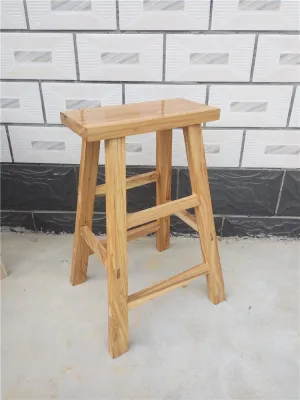
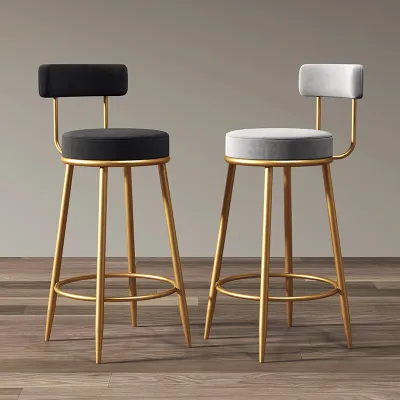
![[Ready Stock] Premium Fashionable Minimalistic Aesthetic Household Stackable Stool Plastic High Stool Chairs](https://img.lazcdn.com/g/p/b3eecd78871c08c2271db116a0482a29.jpg_400x400q80.jpg_.webp)
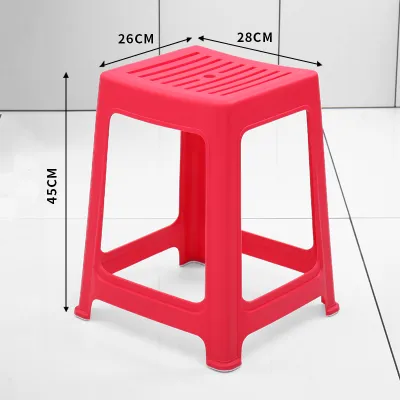
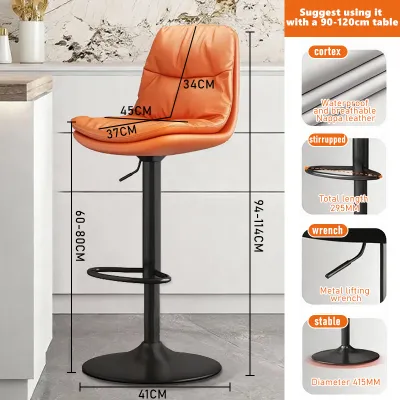
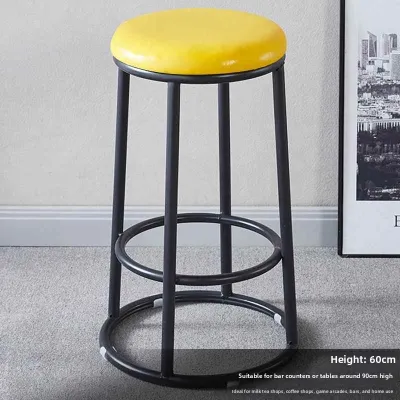
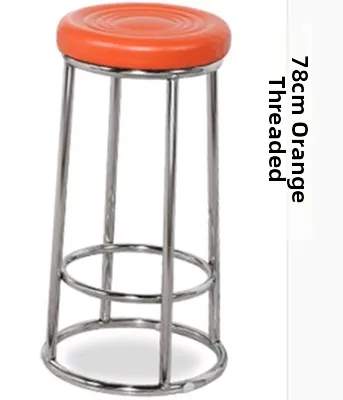
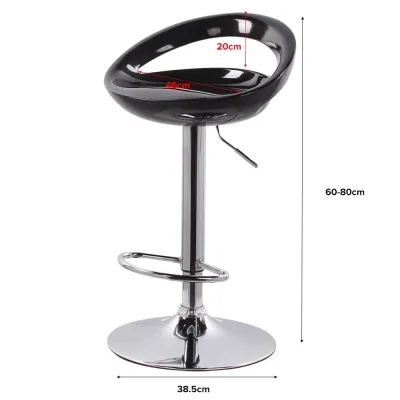
Prices are valid at publication and may change. Please refer to the product page for the latest price.
Next, calculate how many stools can comfortably fit along your counter length. To prevent a crowded seating arrangement, measure the total length of the counter and allocate adequate width for each person. A good rule of thumb is to allow enough space for comfortable arm movement and easy entry or exit. Be sure to measure from the center of one stool to the center of the next, ensuring that guests do not bump elbows while dining or conversing.
Finally, evaluate the surrounding floor space and traffic pathways. A high stool requires a certain amount of footprint depth, which can extend significantly into your kitchen or living area when in use. Walk around the island while imagining the stools pulled out to ensure they do not block main walkways or interfere with nearby appliances. If you are considering swivel models, factor in the extra rotational space required so the seats do not strike adjacent walls, cabinets, or glass doors.
Match High Stool Aesthetics to Your Interior Theme
Your high stools should feel like an organic extension of your home’s overall design theme. If your space features a clean, minimalist, or Scandinavian aesthetic, look for stools with light wood frames, tapered legs, and neutral upholstery. These designs emphasize simplicity, natural light, and organic textures, helping to keep your kitchen feeling bright, open, and airy.

For homes with an industrial or rustic theme, stools featuring matte black steel frames, distressed wood seats, or dark leather upholstery work exceptionally well. These materials complement exposed brickwork, concrete finishes, and metallic kitchen fixtures. If your home leans toward a modern or contemporary style, consider stools with sleek chrome accents, curved silhouettes, or rich velvet upholstery that adds a touch of sophisticated luxury.
Beyond the overall silhouette, pay close attention to how the stool’s materials and finishes interact with your existing kitchen hardware. Try to coordinate the metal or wood finishes of the stool legs with your cabinet handles, pendant lights, or kitchen faucet. You can choose to blend the stools seamlessly into the island by matching their color to the cabinetry, or you can select a contrasting color to turn the seating area into an eye-catching focal point.
Evaluate Backrest, Armrest, and Swivel Options
The structural features of a high stool directly impact how long you can sit comfortably and how much physical space the furniture occupies. Backless stools offer a highly streamlined look and are ideal for smaller homes or narrow kitchens. Because they lack a backrest, they can be tucked completely underneath the counter overhang when not in use, keeping your walkways entirely clear and maintaining clean sightlines across the room.
If you plan to use your kitchen island for long meals, working from home, or entertaining guests for hours, a stool with a supportive backrest is a more comfortable choice. Backrests provide essential lumbar support, making the seating experience much more relaxing. However, keep in mind that stools with backrests have a larger visual presence and cannot be fully hidden under the counter, which may make a small kitchen feel slightly more crowded.
Armrests and swivel mechanisms add another layer of functionality to consider. Stools with armrests offer excellent comfort but require careful measurement to ensure the arms can slide under the counter edge without getting stuck. Swivel bases, on the other hand, allow users to turn around and exit the seat easily without having to slide the heavy stool legs across the floor. This is particularly useful in tight spaces or high-traffic areas where moving furniture back and forth is inconvenient.
Practical Checks Before You Buy
Before finalizing your purchase, perform a few practical checks to ensure your chosen stools are durable and safe for daily use. Review the manufacturer’s specified weight capacity and examine the overall stability of the base. If you have young children or active pets, opt for stools with a wider, heavier base or sturdy four-legged designs that resist tipping over when climbed upon.
Because the kitchen is a high-spill environment, check the cleaning and maintenance requirements of the seat materials. Look for upholstery that is easy to wipe clean with a damp cloth, such as treated leather, high-quality faux leather, or stain-resistant performance fabrics. Avoid delicate, highly absorbent fabrics unless you plan to apply a protective fabric treatment or use the stools solely in a low-risk bar area.
Lastly, verify the practical logistics of delivery and setup. Confirm whether the stools arrive fully assembled or require DIY installation, and check if they include built-in floor protectors, such as rubber glides or felt pads, to safeguard your flooring from scratches. It is also wise to review the retailer’s return policy and double-check that the packaged boxes can easily fit through your doorways and lift access during delivery.
Frequently Asked Questions (FAQ)
Can I mix and match different high stool styles at the same counter?
Yes, mixing and matching high stools can add a wonderful sense of character and personality to your kitchen. To keep the look cohesive rather than cluttered, establish a unifying element across the different designs. For example, you can choose stools with different shapes but the exact same upholstery fabric, or use the same stool model in two alternating, complementary colors. Keeping at least one design element consistent ensures the arrangement looks intentional.
How far should high stools be placed from the wall or adjacent cabinets?
To maintain safe and comfortable movement, try to leave ample clearance behind your high stools when they are occupied. This ensures that family members can walk past easily without squeezing. Additionally, check that the stools do not obstruct the opening paths of nearby cabinet doors, oven doors, or deep kitchen drawers, allowing your kitchen to remain fully functional even when guests are seated.
Community discussion
Share your experience or ask a question. Comments are reviewed before publication.