
Protecting your home’s flooring is one of the most effective ways to preserve its appearance and value. In Singapore, where homes feature a diverse mix of ceramic tiles, luxury vinyl planks, and engineered hardwood, choosing the right floor protector is not a one-size-fits-all decision. Using the wrong material can lead to permanent scratches, deep indentations, or chemical staining.
To keep your floors pristine, you must match the physical properties of your flooring with the right protector material. This guide breaks down how to select, apply, and maintain floor protectors for every major flooring type, helping you avoid costly repairs and keep your furniture moving smoothly.
Quick Guide to Matching Floor Protectors by Flooring Material
Before diving into specific flooring types, it is helpful to understand how different protector materials interact with various floor surfaces. The table below provides a quick reference to help you identify the most compatible options and the primary risks associated with each combination.
Products mentioned in this guide
![[SG Ready Stock]Office Chair Mat Chair Floor Mat Chair Mat Floor Protective for Roller Chair floor protector mat for rolling chair Protect Floor Home Office Wheelchair Rug Carpet Mats Floor Protection Mat](https://img.lazcdn.com/g/p/0498da6feead945ec54c727e0242ba02.png_400x400q80.png_.webp)
![[SG Ready Stock]Chair Mat for floor protection Office Chair Floor Mat Floor Protective for Roller Chair floor protector mat for rolling chair Protect Floor Home Office Wheelchair Rug Carpet Mats Floor Protection Mat](https://img.lazcdn.com/g/p/10392dcba4955e3b614f216aa47f6305.png_400x400q80.png_.webp)
![[SG Ready Stock]Chair Mat for floor protection Office Chair Floor Mat Floor Protective for Roller Chair floor protector mat for rolling chair Protect Floor Home Office Wheelchair Rug Carpet Mats Floor Protection Mat](https://img.lazcdn.com/g/p/0c0d0f7ebcdb0bb6643323a5295630b4.png_400x400q80.png_.webp)
![[SG Stock]Office Chair Mat for floor protection|Chair Floor Mat|Floors Protector Mat|Rolling Chair Office Chair Mat](https://img.lazcdn.com/g/p/70def0ab428716927dbf2ad87c1df680.png_400x400q80.png_.webp)
Prices are valid at publication and may change. Please refer to the product page for the latest price.
| Flooring Type | Recommended Protector Material | Primary Risk to Avoid | Best Furniture Type |
|---|---|---|---|
| Hardwood & Laminate | Heavy-duty felt, silicone caps with felt bottoms | Abrasive scratching, adhesive residue | Dining chairs, coffee tables, moving stools |
| Ceramic & Natural Stone | High-density rubber, thick silicone, wide coasters | Point-load cracking, black scuff marks | Heavy sofas, dining tables, storage cabinets |
| Vinyl & Linoleum | Vinyl-safe plastic, wide felt, non-staining silicone | Plasticizer migration (yellowing), deep dents | Wardrobes, heavy bed frames, study chairs |
Each flooring material reacts differently to pressure, friction, and chemical contact. For instance, while soft felt is excellent for preventing scratches on hardwood, it offers little protection against the heavy point loads that can crack ceramic tiles. Conversely, certain rubber protectors that work well on tiles can cause irreversible chemical yellowing on vinyl floors.
When choosing between heavy-duty and light-duty protectors, consider both the weight of the furniture and how often it moves. Heavy, stationary items like wardrobes and bed frames require wide, load-distributing protectors to prevent deep dents. Lightweight, frequently moved items like dining chairs require durable, low-friction materials like high-density felt to allow smooth sliding without wearing down quickly.
Protecting Hardwood and Laminate Floors from Scratches
Hardwood and laminate floors add warmth to a home, but they are highly susceptible to surface scratches. To protect these sensitive wood finishes, you must choose protectors that minimize friction and cushion the impact of moving furniture.

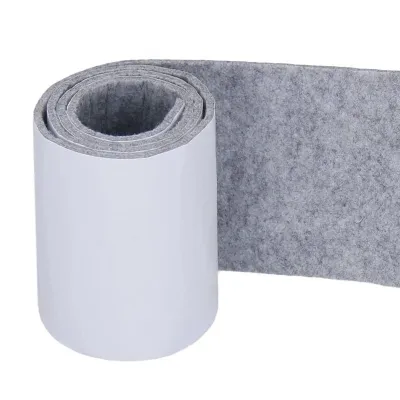
Felt pads are the traditional choice for wooden floors because they allow furniture to slide effortlessly. They are ideal for dining chairs, bar stools, and side tables that are moved daily. For stationary furniture like sofas or heavy armchairs, rubber grips are a better option. Rubber grips prevent the furniture from sliding when you sit down, protecting the wood from friction scratches while keeping your layout secure.
When using stick-on felt pads, the quality of the adhesive is critical. In Singapore’s warm and humid climate, low-quality adhesives can degrade quickly, causing the pad to slide off the leg and expose the bare wood. This leaves a sticky residue on your floor that attracts dust and grit, which can act like sandpaper under your furniture. Look for high-bond, industrial-strength adhesives, or consider mechanical alternatives like screw-in felt pads.
For chairs with thin or angled legs, standard stick-on pads often peel off rapidly. In these cases, slip-on silicone caps with integrated felt bottoms offer a more secure solution. These caps stretch to fit the shape of the leg, holding the felt firmly in place without relying solely on adhesive. Always measure the diameter of your furniture legs carefully to ensure a snug fit.
Avoid hard plastic glides or metal dome glides on hardwood or laminate floors. These hard materials do not compress and can easily trap tiny particles of sand or dirt underneath them. When the furniture is moved, these trapped particles are dragged across the floor under heavy pressure, gouging deep, permanent scratches into the wood’s protective top coat.
Protecting Ceramic Tiles and Natural Stone from Impact and Scuffs
Ceramic, homogeneous, and natural stone tiles are incredibly durable, but they are not indestructible. The primary risks for these hard surfaces are point-load cracking from heavy furniture and unsightly black scuff marks caused by low-quality protector materials.
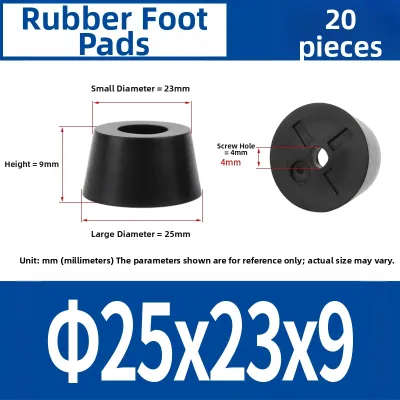
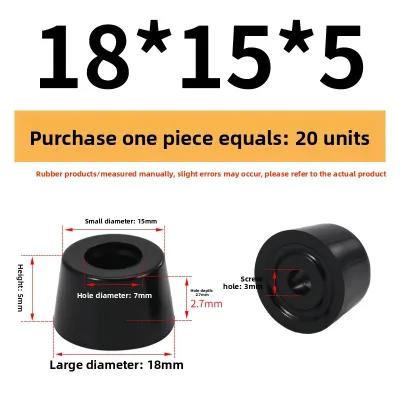
Heavy furniture, such as solid wood dining tables, marble-topped sideboards, or large bookshelves, exerts massive downward pressure. To prevent this pressure from cracking your tiles, use high-density rubber or thick silicone protectors. These materials are designed to absorb impact and distribute the weight of the furniture evenly across the tile surface, reducing the risk of localized cracking.
When selecting rubber protectors, it is vital to check for non-marking properties. Many cheap, dark rubber pads contain carbon black or oils that can rub off onto your floors, leaving stubborn black scuff lines that are incredibly difficult to clean, especially on light-colored tiles or porous natural stone. Opt for clear silicone, light-colored non-marking rubber, or felt-bottomed cups to keep your tiled floors looking clean and spotless.
Narrow, tapered furniture legs pose a significant threat to tiled floors because they concentrate all the furniture’s weight onto a tiny surface area. If one of these narrow legs rests directly over a tile joint or a hollow spot in the tile adhesive underneath, the concentrated pressure can easily crack the tile. Using wide-base coasters or cups under these narrow legs spreads the point load safely across a much larger area, protecting the structural integrity of your flooring.
While thin felt pads are highly popular, they have severe limitations on tiled surfaces. If your floor has wide, uneven grout lines or textured natural stone finishes, thin felt pads will quickly catch on the edges and shred. For these textured surfaces, thick, heavy-duty silicone caps or solid plastic glides with smooth, rounded bases are far more durable and effective.
Protecting Vinyl and Linoleum from Indentation and Staining
Luxury vinyl tiles and vinyl sheets are popular in Singapore homes due to their water resistance and comfort underfoot. However, vinyl is a resilient flooring material, meaning it is softer than tile or wood and is highly vulnerable to permanent indentations and chemical discoloration.
One of the most common mistakes homeowners make is using standard rubber protectors on vinyl flooring. Many rubber products contain chemicals called plasticizers that react with the vinyl, causing a chemical phenomenon known as plasticizer migration. This reaction leaves permanent, unsightly yellow or brown stains on the vinyl that cannot be scrubbed away. To prevent this, always verify that your protectors are explicitly labeled as “vinyl-safe” or “non-staining,” or choose alternative materials like felt or hard polyurethane plastic.
Because vinyl is flexible, heavy furniture left in one place for a long time can leave permanent dents or dimples in the floor. To prevent these indentations, you must use wide, flat-bottomed protectors under heavy items like wardrobes, bed frames, and washing machines. These wide protectors distribute the weight over a larger surface area, allowing the vinyl to support the load without compressing permanently.
Avoid low-quality, oil-based rubber or cheap plastic protectors that do not specify their chemical composition. Over time, especially in Singapore’s humid environment, these low-grade materials can leach oils and chemicals into the vinyl’s wear layer, leading to irreversible discoloration. Investing a few S$ in high-quality, vinyl-safe protectors can save you the massive expense of replacing damaged vinyl planks later.
Additionally, always check the edges of any plastic or metal-reinforced protectors before installing them. Sharp plastic seams, rough edges, or manufacturing flashing can easily slice, scratch, or tear the soft vinyl surface when furniture is shifted. Ensure that any hard plastic protectors have completely smooth, rounded edges to guarantee safe movement.
Application, Maintenance, and Safety Checks
Even the highest-quality floor protector will fail if it is installed incorrectly or left unmaintained. Proper application and regular inspections are essential to ensure your floors remain fully protected over the lifespan of your furniture.
Before applying any adhesive-backed protector, thorough surface preparation is critical. Clean the bottom of the furniture leg with rubbing alcohol to remove all dust, grease, wax, and old adhesive residue, then allow it to dry completely. Applying a stick-on pad to a dusty or dirty furniture leg will prevent the adhesive from bonding properly, causing the pad to slide off within a few weeks and leaving your floors exposed to scratches.
Once installed, floor protectors require routine inspections to remain effective. Over time, felt pads can compress and lose their cushioning, while rubber and silicone can crack or wear thin. More importantly, felt pads tend to act like magnets for dust, pet hair, and tiny sand particles. When these abrasive materials become embedded in the felt, the pad itself becomes a scratching hazard. Check your protectors every few months, and replace any pads that are flattened, dirty, or showing signs of wear.
If you ever notice any unusual discoloration, cloudiness in your wood finish, or deep indentations forming beneath your protectors, stop using them immediately. Different floor finishes react uniquely to pressure and materials, so it is best to consult your flooring manufacturer or a professional installer to identify the exact type of protector material that is compatible with your specific floor coating.
When it comes time to replace worn-out protectors, safe removal is key to preventing damage to your furniture legs. To remove old, stubborn adhesive pads, gently warm the adhesive with a hair dryer on a low setting to soften it. Carefully peel the pad away, and use a mild, floor-safe adhesive remover or rubbing alcohol to clean up any remaining sticky residue. Avoid using sharp metal blades or harsh chemical solvents that could strip the finish off your furniture legs or accidentally drip and damage your flooring.
Frequently Asked Questions (FAQ)
Can I use the same floor protectors for indoor and outdoor furniture?
Outdoor furniture protectors require entirely different material properties than indoor ones. Outdoor protectors must withstand constant exposure to moisture, rain, and intense UV radiation, which can quickly degrade standard indoor felt or cheap adhesives. Outdoor glides are typically made of heavy-duty, UV-stabilized plastics or rust-resistant metals designed for rough concrete or decking. Additionally, bringing outdoor furniture indoors without thoroughly cleaning or replacing the protectors carries a high risk of dragging in abrasive outdoor grit and sand, which will quickly scratch your indoor hardwood, vinyl, or tiled floors.
Do floor protectors work on furniture with casters or wheels?
Standard floor protectors like felt pads cannot be applied directly to rolling wheels, but there are highly effective ways to protect your floors from caster damage. First, evaluate the material of your existing casters; hard plastic wheels can easily scratch hardwood and dent vinyl, so replacing them with soft polyurethane or rubber casters designed specifically for hard floors is often the best solution. Alternatively, if the furniture is stationary most of the time, you can place caster cups—specially designed cups made of non-slip rubber, silicone, or felt-lined plastic—directly under the wheels to lock them in place and distribute the weight safely.
Community discussion
Share your experience or ask a question. Comments are reviewed before publication.