
Quick Answer: Core Matching Principles
Protecting your floors from scratches and deep dents requires matching the right felt pad to your furniture’s weight, leg shape, and floor type. Heavy furniture demands thick, high-density pads or load-distributing bases to prevent complete compression. The pad size must align perfectly with the leg’s contact area without overhanging the edges, which prevents dust accumulation and peeling. Before applying any adhesive or pad, always check your flooring manufacturer’s guidelines to ensure compliance with your floor’s warranty terms.
Matching Thickness and Density to Furniture Weight
The weight of your furniture directly impacts how a felt pad performs over time. When heavy furniture sits on a thin, low-density pad, the felt quickly compresses into a hard, flat layer. Once fully compressed, the pad loses its cushioning ability, allowing the hard furniture leg to grind against the floor surface.

To prevent this, categorize your furniture into light, medium, and heavy groups. Light items, such as small side tables, plant stands, and lightweight study chairs, pair well with standard light-duty felt pads. These pads are thin and flexible, providing sufficient protection for items that carry minimal weight.
Products mentioned in this guide
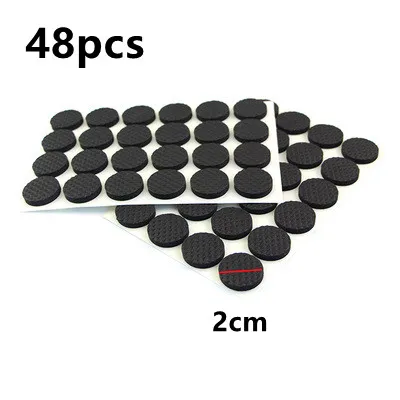
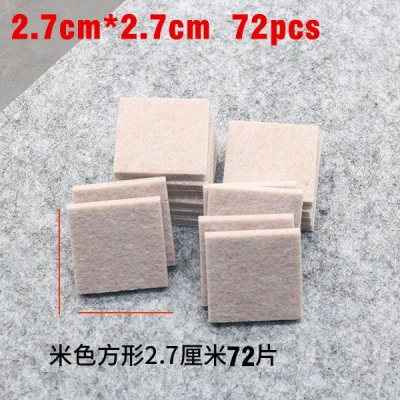
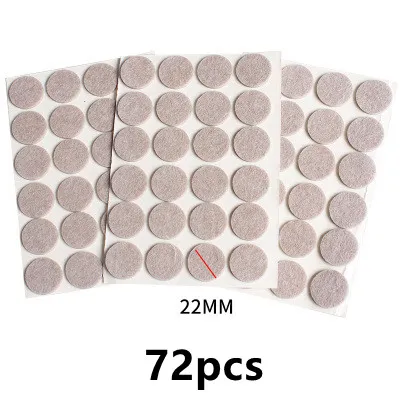
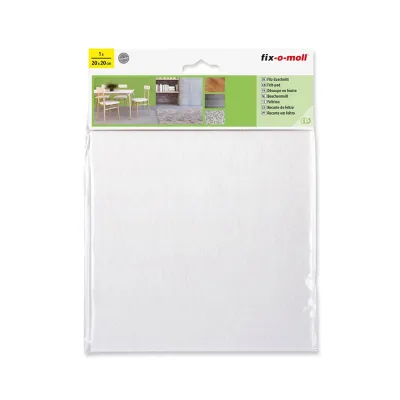
![[Min Buy Any 3] Steve & Leif Heavy Duty Round Felt Self Adhesive Furniture Felt Sliders Anti-Skid Pads](https://img.lazcdn.com/g/p/044da93e9c9e56f3e393d27958cba463.jpg_400x400q80.jpg_.webp)

Prices are valid at publication and may change. Please refer to the product page for the latest price.
Medium-weight furniture, including dining chairs, coffee tables, and small armchairs, requires medium-density felt. These pieces experience frequent movement and shifting loads, meaning the felt must resist both vertical compression and lateral sliding forces. Look for packaging indicators that specify medium-duty use, or test the felt by squeezing it; it should feel firm and resist collapsing easily.
For heavy items like wardrobes, large sofas, sideboards, and bookshelves, standard felt is inadequate. These pieces exert continuous, high-pressure static loads that can crush ordinary felt within days. For these applications, select extra-thick, high-density compressed felt or heavy-duty alternatives like wide load-distributing caster cups with integrated felt bases. Always check the product packaging for explicit weight capacities or density indicators to ensure the pads can support the load.
Selecting Shape and Size for Common Leg Profiles
Achieving a perfect fit between the felt pad and the furniture leg is essential for long-term floor protection. The primary rule of sizing is that the pad must cover the entire bottom surface of the leg without extending past the edges. When a pad is too large, the exposed adhesive border acts as a magnet for dust, pet hair, and floor debris, which quickly degrades the bond and causes the pad to slide out of place.
Round furniture legs require round pads, while square or rectangular legs should be paired with matching square or rectangular shapes. Using a round pad on a square leg leaves the sharp corners of the wood or metal exposed, risking direct contact with the floor when the furniture is tilted or moved. For unique or irregular leg shapes, purchase larger felt sheets that can be custom-trimmed with heavy-duty shears to match the exact profile of the foot.
Angled or tapered legs, common in mid-century modern designs, present a unique challenge because the furniture weight is not distributed flatly across the bottom of the leg. Standard flat felt pads applied to angled legs will wear down unevenly on one edge, potentially scratching the floor as the wood tilts. For these angled profiles, look for flexible felt pads or specialized pivoting glides that adjust to the angle of the floor to maintain flat, even contact.
Avoid using multiple small pads on a single large furniture foot. This practice creates uneven pressure points, which can cause the furniture to wobble and may result in deep, localized dents on softer flooring materials like vinyl or soft wood parquet.
Choosing the Right Attachment Method
Felt pads are secured to furniture legs using three primary attachment methods: self-adhesive backings, slip-on caps, or mechanical fasteners like screws and nails. Selecting the right method depends on how often the furniture is moved and the material of the furniture legs.
Self-adhesive pads are the most common and convenient option, making them ideal for light to medium-weight furniture that remains mostly stationary, such as side tables, display cabinets, and accent chairs. However, in warm and humid climates, the adhesive backing on these pads can soften over time, leading to adhesive shear where the pad slides off the leg under lateral pressure.
For high-movement furniture like dining chairs, slip-on caps are often a more reliable choice. These caps, typically made of flexible silicone or rubber with a felt pad permanently bonded to the bottom, stretch over the furniture leg to provide a secure, adhesive-free fit. When choosing slip-on options, measure the leg dimensions precisely to ensure a snug fit that will not slip off during use.
Screw-on or nail-on felt pads offer the most permanent and secure attachment for heavy wooden furniture. These mechanical fasteners prevent the pad from shifting or peeling off, even under heavy static loads or frequent dragging. However, they require drilling pilot holes into the wooden legs to prevent splitting, and they must be installed perfectly straight. If a screw-on pad is installed crookedly, the metal screw head may contact the floor and cause severe scratching.
Before applying any adhesive pad, perform a safety check by testing the adhesive on an inconspicuous part of the furniture to ensure it does not damage the wood finish. Additionally, review your flooring warranty, as some manufacturers advise against using certain rubberized or adhesive-backed protectors on specific floor finishes.
Room-by-Room Application: Dining Chairs, Sofas, and Heavy Cabinets
Applying a single type of felt pad to every piece of furniture in your home can lead to premature wear and floor damage. Different rooms and furniture types require tailored protection strategies to handle varying levels of traffic and weight.
Dining chairs experience the highest amount of friction and movement in the home. Because they are slid back and forth multiple times a day, adhesive pads on dining chairs are highly prone to shifting and collecting dirt. For these chairs, opt for secure slip-on silicone caps or screw-on felt glides. Establish a routine to check the bottom of the chairs regularly, as trapped grit and hair in the felt can act like sandpaper against your polished floors.
Sofas and sectionals present a different challenge due to their large size and heavy, shifting weight when people sit down. These pieces often feature wide wooden blocks or multiple small metal feet. To protect your floors, use large-format, heavy-duty adhesive felt pads that match the full surface area of the feet, or place the legs directly into heavy-duty sofa coasters lined with felt. This distributes the weight evenly across a larger surface area, preventing deep indentations in parquet or vinyl flooring.
Heavy cabinets, wardrobes, and bookshelves are rarely moved but exert immense static pressure. Adhesive pads can easily fail or slide out under these conditions. For these heavy items, screw-on felt pads or heavy-duty hard glides with thick felt inserts are recommended, provided the furniture structure allows for mechanical fastening. If you live in an apartment with lift access, ensure the furniture is fully stabilized on its pads before moving it into its final position.
Regardless of the room, always prepare the furniture legs thoroughly before application. Clean the bottom of each leg with a mild solvent, such as rubbing alcohol, to remove dust, wax, and manufacturing oils. This step ensures a strong, long-lasting bond for adhesive pads and prevents premature peeling.
Maintenance and Replacement: Knowing When to Swap Pads
Felt pads are not permanent fixtures; they wear out over time and must be replaced periodically to maintain continuous floor protection. Inspect your furniture pads at least once every six months to check for signs of wear.
Look for visual and tactile indicators of degradation, such as severe flattening, fraying edges, or pads that have slid partially off the furniture leg. If a pad feels hard and compressed to the touch, it has lost its cushioning ability and needs to be replaced.
Another critical reason for replacement is the accumulation of embedded debris. Dust, pet hair, sand, and small grit easily become trapped in the fibers of the felt. Once embedded, this debris turns the soft pad into an abrasive surface that will scratch and scuff your floors every time the furniture moves. If you notice a gray, dirty, or gritty texture on the bottom of the pad, replace it immediately.
When replacing worn pads, take care to remove all old adhesive residue from the furniture leg. Use a plastic scraper and a mild adhesive remover or rubbing alcohol to clean the surface completely. Applying a new adhesive pad over old, bumpy residue will prevent the new pad from bonding securely, leading to rapid failure.
Frequently Asked Questions (FAQ)
Can I use felt pads on vinyl or laminate flooring?
Yes, felt pads are generally safe and highly recommended for vinyl and laminate flooring to prevent surface scratches. However, you must exercise caution with the attachment method. Some strong adhesives or rubberized slip-on caps contain plasticizers that can chemically react with and discolor vinyl or laminate finishes over time. Always check your flooring manufacturer’s care guidelines and test any adhesive-backed pad on a small, hidden area of the floor or a spare plank before full application.
Do felt pads stop furniture from sliding on rugs?
No, felt pads are specifically designed to reduce friction and facilitate smooth sliding on hard surfaces, meaning they will not prevent furniture from shifting on rugs or carpets. If your goal is to keep a sofa or table stationary on a rug, look for specialized rubber caster cups, non-slip furniture grippers, or anti-slip rug pads. These alternative accessories are designed to grip carpet fibers and provide the necessary resistance to keep your furniture securely in place.
Community discussion
Share your experience or ask a question. Comments are reviewed before publication.