
Selecting a display cabinet for your living room is a balancing act between personal style, spatial constraints, and environmental factors. The right cabinet does more than hold your cherished items; it anchors the room’s design, complements your existing furniture, and stands up to the local tropical climate. By evaluating your current decor and understanding the structural demands of your home, you can select a piece that is both beautiful and highly functional.
Assess Your Existing Living Room Aesthetic
Before browsing online marketplaces or visiting local furniture showrooms, take a close look at your current living room setup. The dominant colors, textures, and shapes of your existing furniture establish a design baseline that your new cabinet should complement. If your room features warm wood tones, soft fabrics, and rounded shapes, a cabinet with sharp, cold metal lines might feel out of place unless integrated intentionally.
Visual weight and scale are equally important, especially in typical apartments where floor space is at a premium. A massive, dark-stained wooden cabinet can easily overwhelm a compact living room, making the entire space feel smaller and darker. Conversely, a low-profile or highly transparent cabinet can preserve an open, airy feel while still providing ample storage.
Products mentioned in this guide
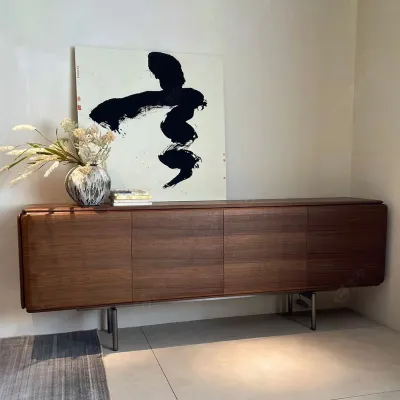
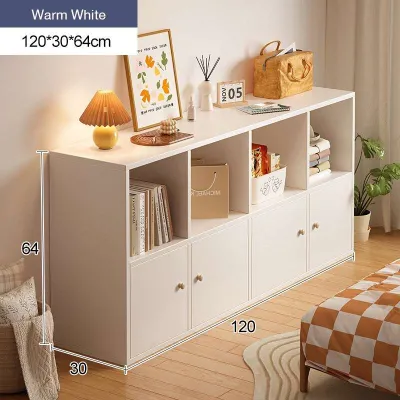
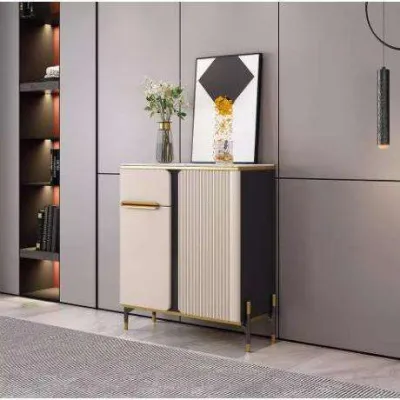
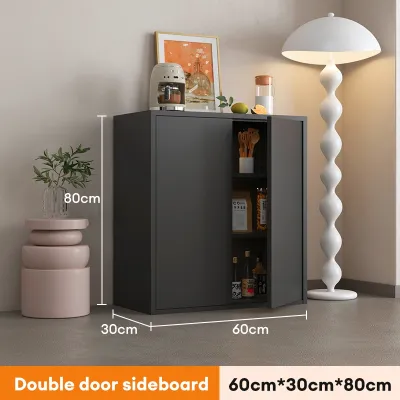
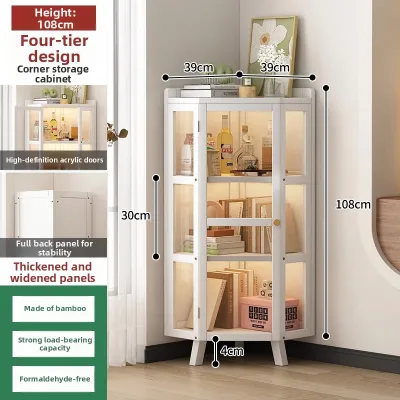
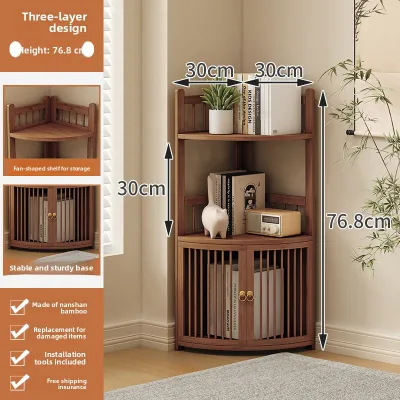
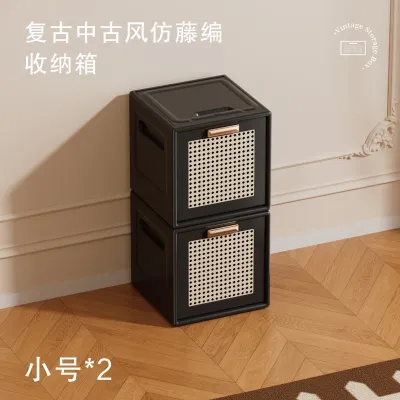
Prices are valid at publication and may change. Please refer to the product page for the latest price.
Do not overlook the architectural features of your room. Note the height of your ceilings, the presence of structural pillars, and the amount of natural light the space receives. Direct sunlight can fade displayed books or collectibles and affect certain wood finishes over time, so position your cabinet accordingly. Also, consider how the cabinet will interact with fixed elements like air conditioning units, wall sockets, and structural features.
Top Display Cabinet Styles for Different Decor Themes
A display cabinet should feel like a natural extension of your home’s design theme rather than an afterthought. Different styles offer distinct visual advantages, storage capabilities, and spatial requirements that can dramatically alter the look of your living room.

Modern and Minimalist
Modern and minimalist display cabinets are defined by clean lines, handleless doors, flat panels, and a neutral color palette. These designs often utilize push-to-open mechanisms to maintain a seamless exterior, making them highly suitable for contemporary spaces with low-profile furniture.
To keep a minimalist living room looking uncluttered, look for cabinets that offer a combination of open glass shelving and concealed storage. This allows you to showcase a few curated decorative items while tucking away everyday essentials, media accessories, or documents behind solid doors.
Scandinavian and Japandi
If your living room leans toward warmth, natural elements, and functional simplicity, a Scandinavian or Japandi style cabinet is an excellent choice. These styles typically feature light wood finishes like oak, beech, or ash, supported by tapered legs that lift the cabinet off the floor to create a sense of spaciousness.
This style pairs beautifully with bright, cozy living rooms decorated with soft textile accents, indoor plants, and neutral, earthy tones. When choosing a wooden cabinet, always verify the manufacturer’s care instructions and wood treatment. Because of high humidity, ensure the wood or veneer has been sealed with a moisture-resistant finish to prevent warping or mold.
Industrial and Urban
For homes with an edgy, raw, or loft-style aesthetic, industrial display cabinets offer a bold visual statement. These pieces frequently combine matte black metal frames with reclaimed wood textures, wire mesh doors, and exposed hardware.
Industrial cabinets look best in spaces featuring concrete screed floors, exposed brickwork, or darker color schemes. Because metal is susceptible to moisture, inspect the frame to ensure it has a protective, rust-resistant finish, such as powder coating, to withstand the humid local climate.
Classic and Transitional
Classic and transitional cabinets bring a sense of timeless elegance and sophistication to a home. They are characterized by detailed crown moldings, glass-paneled doors with traditional frames, and rich, deeper wood tones like walnut or mahogany.
These cabinets complement plush seating, symmetrical room layouts, and traditional decorative elements. Because classic designs often carry significant visual weight, carefully assess the dimensions before purchasing. Opting for a transitional style—which blends classic details with cleaner, modern lines—can provide the elegance you desire without overwhelming a smaller room.
Practical Sizing and Material Checks for Living Room Cabinets in Singapore
A display cabinet must fit your physical space as perfectly as it fits your design aesthetic. Before making a purchase, measure your available floor space and wall clearance precisely. Be sure to account for the door swing paths of the cabinet; hinged glass doors require sufficient clearance to open fully without colliding with coffee tables, sofas, or walkways.
Delivery and assembly are critical practical considerations. Measure your home’s entryway, internal doorways, and the dimensions of your building’s lift to ensure the cabinet can be safely transported to your unit. If you live in an apartment with tight corridors or a small lift, a flat-pack cabinet that can be assembled directly in your living room is often a much safer and more practical option than a pre-assembled piece.
Verify the load capacity of the shelves to ensure they can safely support your display items. If you plan to store heavy items like ceramic tableware, heavy art books, or stone sculptures, check the manufacturer’s specifications for weight limits per shelf. Tempered glass shelves should have a specified thickness—typically at least 5mm to 8mm—to ensure durability and safety.
Finally, check material labels and finishes for suitability in a tropical climate. Engineered woods like MDF or particleboard should feature high-quality laminate or veneer edge-banding to seal out moisture. For solid wood cabinets, ask about the kiln-drying process, which stabilizes the timber and minimizes the risk of warping, cracking, or mold growth in humid conditions.
How to Mix Cabinet Styles Without Clashing
You do not need to buy a matching set of furniture to create a cohesive living room. Mixing different styles can add depth and personality to your space, provided you follow a few basic design principles to prevent the room from looking chaotic.
One of the easiest ways to tie different styles together is through a consistent color palette or matching hardware finishes. For example, an industrial metal display cabinet can sit comfortably alongside a Scandinavian wooden TV console if both pieces feature similar matte black metal handles or legs.
Balance the visual weight of your furniture across the room. If you place a tall, dark, visually heavy cabinet on one side of the living room, balance it by placing another substantial element—such as a large indoor plant, a structured armchair, or a dark bookshelf—on the opposite side. This prevents the room from feeling lopsided or cramped on one end.
Limit the number of competing focal points in your living room. A display cabinet filled with curated items naturally draws the eye, so keep the surrounding walls and nearby decor relatively simple to let the cabinet stand out as a primary design feature.
Frequently Asked Questions (FAQ)
Can I use a glass display cabinet in a small living room?
Yes, glass display cabinets are highly suitable for smaller living rooms. The transparency of glass doors and shelves allows light to pass through, which reduces the visual bulk of the furniture and helps the room feel more open. To maximize this effect, avoid overcrowding the shelves; leaving empty space around your displayed items maintains an airy, uncluttered look.
Should my display cabinet match my TV console exactly?
Your display cabinet does not need to match your TV console exactly. While matching sets offer an easy way to achieve cohesion, coordinating them through shared design elements often looks more sophisticated. You can coordinate them by choosing pieces with similar wood tones, matching metal accents, or complementary leg styles, which creates a unified media wall without looking overly uniform.
Community discussion
Share your experience or ask a question. Comments are reviewed before publication.