
Achieving a cohesive dining room aesthetic requires a thoughtful balance between your dining table, the surrounding architecture, and your seating choices. Finding the perfect chair dining setup requires balancing aesthetic themes with spatial realities, especially in Singapore’s urban homes where dining areas often serve multiple purposes. Rather than purchasing a matching showroom set, modern interior design encourages selecting dining chairs that harmonise with your home’s overarching design theme while reflecting your personal style.
By understanding the core design principles of proportion, material contrast, and colour coordination, you can confidently select seating that elevates your space. Whether you are furnishing a compact apartment or a spacious landed home, the right chairs will bridge the gap between functional comfort and visual beauty.
Assess Your Dining Space and Current Decor
Before browsing for new seating, take a close look at the existing design elements in your dining area. In Singapore’s open-plan HDB flats and condominiums, the dining zone is often highly visible from both the living room and the kitchen. Identifying the dominant theme of this shared space—whether it leans modern, traditional, industrial, or eclectic—is the first step toward making a cohesive design choice.
Products mentioned in this guide
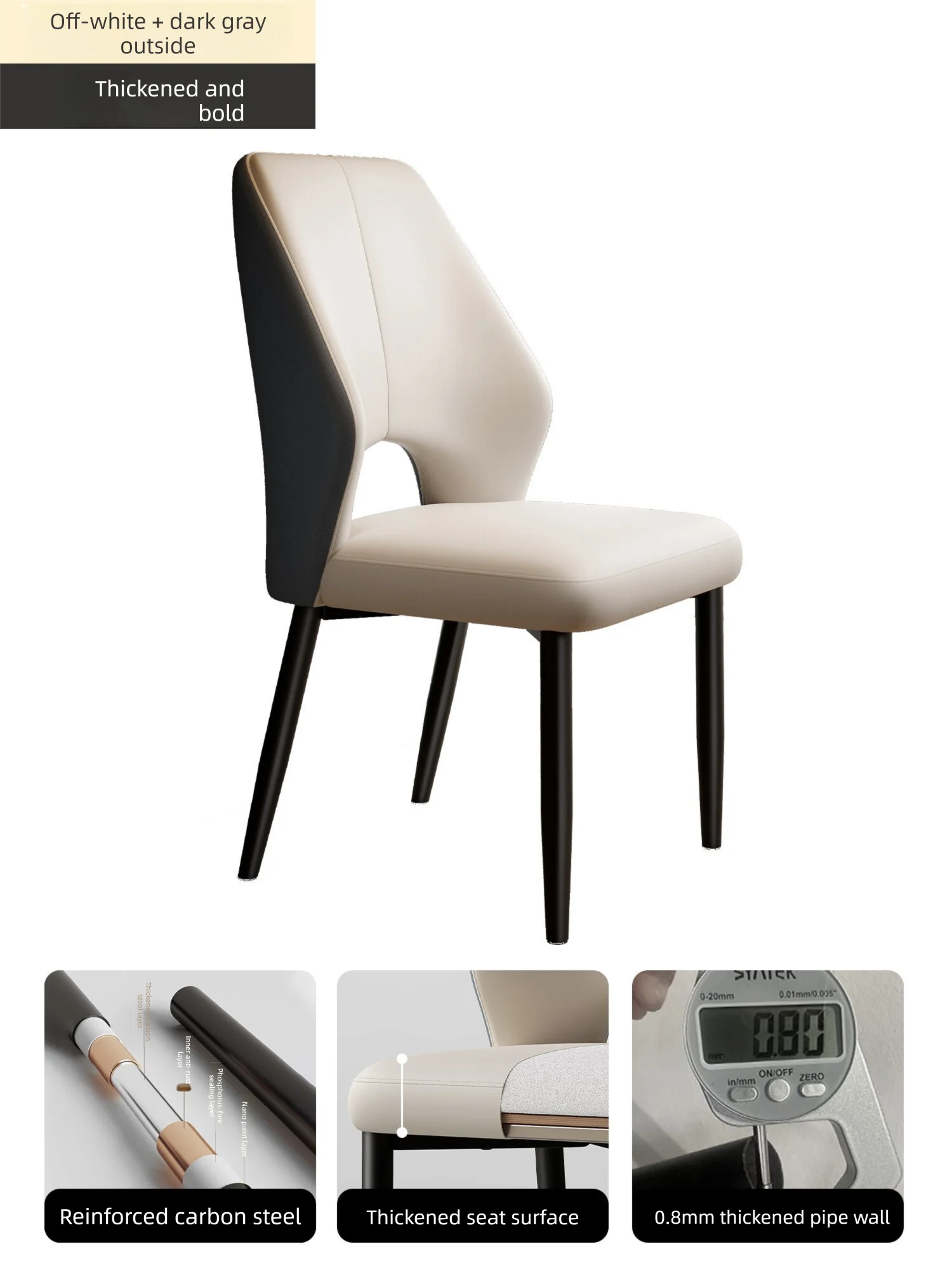
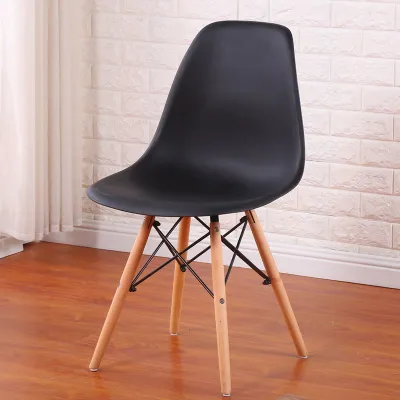
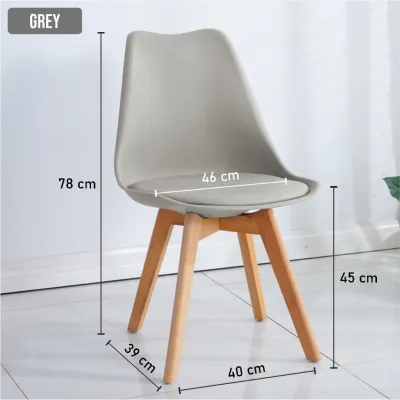
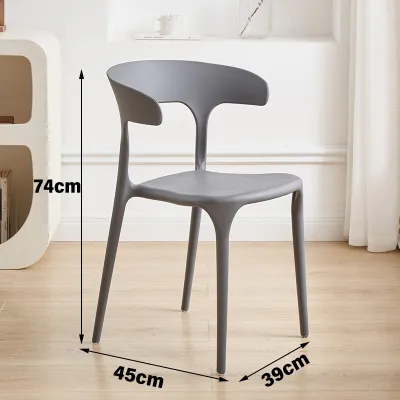
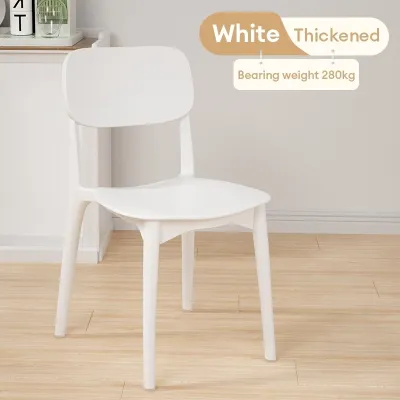
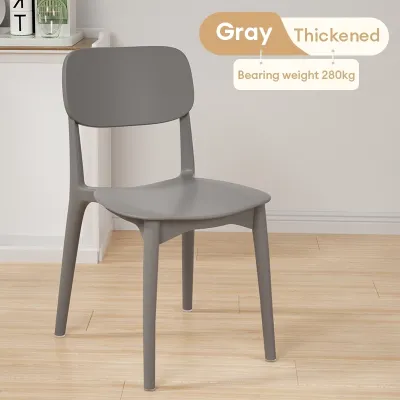
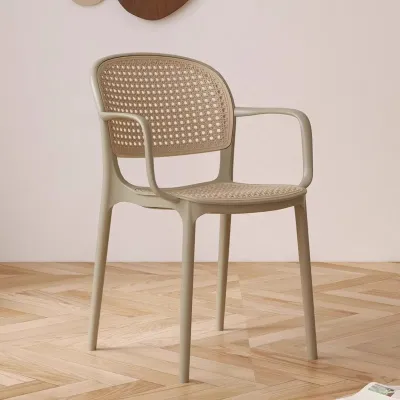
Prices are valid at publication and may change. Please refer to the product page for the latest price.
Next, evaluate the permanent finishes in the room. Note the undertones of your flooring, whether you have warm timber vinyl, cool terrazzo, or polished marble, as well as the style of your wall treatments and lighting fixtures. A dramatic, low-hanging modern pendant light, for example, requires chairs with a complementary silhouette to avoid visual conflict.
Physical measurements are critical to ensuring your new chairs fit comfortably. Measure your dining table’s height, length, and the thickness of the tabletop or apron. Standard dining tables typically stand around 75 cm high, which means your chair seats should ideally have a height of 45 cm to allow for comfortable legroom.
Additionally, calculate the clearance space behind the chairs. You need at least 60 to 90 cm of space behind each chair to allow diners to pull out their seats and move around the table comfortably. Finally, do not forget to verify the dimensions of your home’s entryways, corridors, and lift doors to ensure the chairs can be delivered and brought inside safely.
Identify Key Chair Dining Styles and Aesthetics
To choose the right seating, it helps to understand the defining visual characteristics of popular interior design styles. Each style carries its own visual weight and material palette, which can be used to either reinforce or tastefully contrast with your current decor.

Scandinavian and Minimalist
Scandinavian and minimalist chairs prioritised clean lines, functional forms, and organic simplicity. Typically crafted from light-coloured woods such as oak, ash, or beech, these designs often feature pale neutral upholstery or woven paper cord seats.
Their light visual footprint makes them exceptionally well-suited for smaller dining spaces, as they allow light to pass through and keep the room feeling airy and open. If your home features white walls, light wood vinyl, and plenty of natural light, Scandinavian chairs will seamlessly enhance the bright atmosphere.
Mid-Century Modern
Mid-Century Modern chairs are celebrated for their retro-inspired, organic curves and warm timber tones. Common features include tapered wooden legs, molded plywood or plastic shells, and gently curved backrests that mimic natural shapes.
These chairs often showcase warm woods like teak or walnut, paired with earthy upholstery colours like mustard yellow, olive green, or burnt orange. They add an instant injection of character and vintage charm to contemporary eclectic homes, pairing beautifully with both solid wood and glass-topped tables.
Industrial and Rustic
Industrial and rustic styles embrace raw, textured, and unrefined materials. Industrial chairs often combine matte black steel frames with distressed solid timber seats or weathered leather upholstery, exuding a rugged, utilitarian vibe.
Rustic designs tend to feature heavier, all-wood construction with visible grain patterns and natural imperfections. These styles are ideal for loft-inspired interiors, homes with concrete screed flooring, or spaces featuring exposed brick walls and black track lighting.
Contemporary and Transitional
Contemporary and transitional chairs offer a versatile, current aesthetic that bridges different design eras. These designs frequently feature fully upholstered seats, sleek metal bases, and sophisticated fabrics ranging from textured linen to rich velvet.
Because transitional design blends traditional comfort with modern simplicity, these chairs are incredibly adaptable. They can soften the hard edges of a minimalist concrete dining table or bring a touch of modern sophistication to a classic, dark wood family heirloom.
Apply Core Matching Principles for Materials and Colors
Once you are familiar with the styles, you can apply core design principles to coordinate your chairs with your dining table and the wider room.
Material Harmony
You do not need to match wood species exactly, but you should coordinate their undertones. For instance, if you have a warm teak dining table, look for chairs with warm oak or brass accents rather than cool-toned ash or chrome. If you prefer to mix materials, ensure the contrast is intentional; pairing a heavy, solid-slab wooden table with lightweight powder-coated metal chairs creates an engaging visual balance. Always check the manufacturer’s care instructions for finishes, as a wood label alone does not guarantee resistance to Singapore’s high humidity.
Color Coordination
Look to your room’s existing colour palette to guide your chair selection. If your dining space features neutral walls and flooring, you can use upholstered chairs in rich accent colours—such as deep forest green, navy, or terracotta—to create a striking focal point. Alternatively, choosing chairs in a similar tone to your walls or floor creates a seamless, calming environment that makes a compact dining zone feel larger.
Proportion and Scale
Ensure the physical and visual weight of your chairs matches the scale of your table and the height of your ceilings. High-back chairs demand visual attention and work beautifully in spacious rooms with high ceilings, but they can overwhelm a small apartment. For standard HDB dining areas, low-back or open-back chairs keep sightlines clear and prevent the space from looking cramped. Additionally, avoid pairing delicate, thin-legged wire chairs with a massive, thick-legged wooden table, as the proportions will feel unbalanced.
Texture and Upholstery
Select upholstery materials that align with both your aesthetic goals and your household’s lifestyle. While velvet and boucle add luxurious texture and warmth, they can trap heat in Singapore’s tropical climate if your dining area is not constantly air-conditioned. Genuine leather, high-quality faux leather, and performance fabrics are highly practical choices, as they can be easily wiped clean and offer better resistance to moisture and spills, making them ideal for families with young children or pets.
Strategies for Mixing and Matching Dining Chairs
If you prefer a more dynamic, curated look over a matching dining set, mixing and matching your chairs is an excellent design strategy. When executed thoughtfully, a mismatched set adds depth and personality to your dining room.
Unifying Elements
The secret to mixing chairs successfully without creating visual chaos is to keep at least one design variable constant. You can choose different chair silhouettes but have them all finished in the exact same timber stain or paint colour. Alternatively, you can use the same iconic chair design but select it in a variety of complementary, muted shades. This shared characteristic provides a visual anchor that ties the entire arrangement together.
The Head-of-Table Contrast
A classic and highly effective technique is to place two distinct, slightly larger accent chairs at the head and foot of the table, while keeping simpler, matching side chairs along the flanks. These host chairs can feature armrests, taller backs, or richer upholstery fabrics. This arrangement anchors the dining space, adds structural interest, and creates a formal, curated look without requiring you to mix multiple different styles.
Avoiding Visual Clutter
To keep your dining area looking deliberate rather than chaotic, limit your selection to two or three different chair styles at most. Ensure that all chosen chairs have a consistent seat height so that all diners sit at the same level. Additionally, leave adequate spacing—ideally at least 15 cm of breathing room between each chair—so the arrangement looks intentional and uncluttered.
Verify Fit, Comfort, and Practicality Before Buying
Before finalizing your purchase, double-check all physical dimensions and practical requirements to ensure your selected chairs are safe, comfortable, and compatible with your home.
Verify that armchairs can slide completely underneath your dining table when not in use, taking into account any low-hanging table aprons or support beams. Check the maximum load capacity and structural stability of the chairs, particularly if you are considering delicate cantilevered or minimalist steel wire frames.
Consider the long-term maintenance of the materials in Singapore’s humid climate. Untreated metal frames are susceptible to rust, while poorly sealed solid wood can warp or develop mould over time. Prioritise chairs with robust powder-coated metal finishes or moisture-resistant timber sealants.
Whenever possible, visit local furniture showrooms to test the ergonomics, lumbar support, and joint stability of the chairs in person. If you are purchasing from online furniture platforms, carefully review the return policies, warranty terms, and detailed customer feedback to ensure the product meets your quality expectations.
Frequently Asked Questions (FAQ)
Can I use different dining chairs on the same table?
Yes, mixing different chairs is a highly popular and effective design choice. To prevent the space from looking chaotic, ensure the mismatched chairs share at least one unifying element, such as a consistent seat height, matching timber tones, or a coordinated colour palette.
How do I protect my floors from dining chairs?
To protect your flooring from scratches and scuffs, apply heavy-duty felt pads to the bottom of wooden or metal chair legs. For metal legs, rubber or plastic caps are also highly effective. Alternatively, placing a durable, low-pile area rug under your dining set provides excellent floor protection while defining the dining zone.
Community discussion
Share your experience or ask a question. Comments are reviewed before publication.