
Finding the perfect dining chair involves balancing aesthetic harmony with physical comfort. To choose the right style, evaluate the dominant design language of your home, the physical proportions of your dining table, and the practical constraints of your floor plan. Rather than matching everything perfectly, a successful dining set relies on shared design cues—such as matching wood undertones, complementary silhouettes, or a unified color palette—that tie the chairs to the surrounding space while ensuring a functional, comfortable gathering spot.
Selecting the right seating is not just about aesthetics; it is about creating a functional gathering spot. By understanding how different design movements interact with your existing decor, you can make an informed decision that enhances both the beauty and the usability of your dining area.
Assess Your Current Interior Style
Before browsing online marketplaces or visiting local showrooms, analyze your dining room and adjacent living areas. In open-plan layouts, the dining zone rarely exists in isolation. Look closely at the dominant furniture lines nearby. Are your cabinets characterized by sharp, geometric angles, or do they feature soft, rounded edges? Note the primary color palette and the finishes of your existing pieces, such as the matte texture of a sideboard or the polished sheen of a coffee table.
Products mentioned in this guide
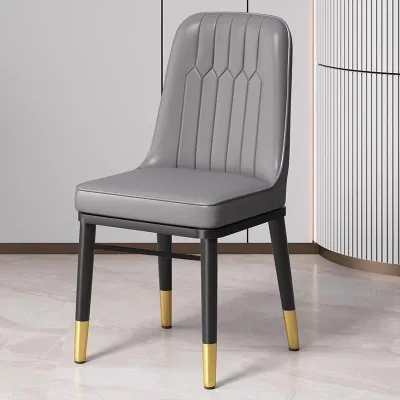
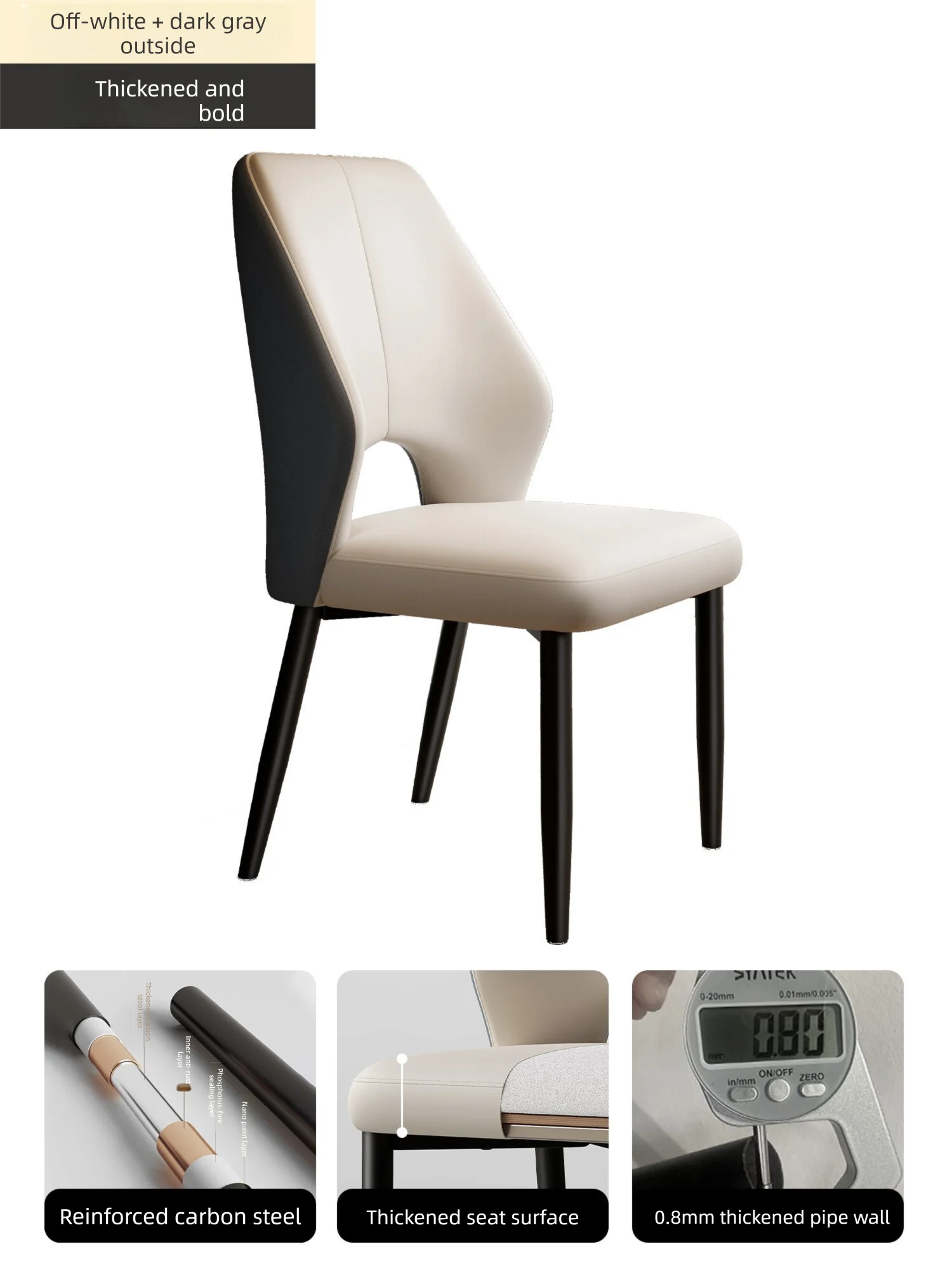
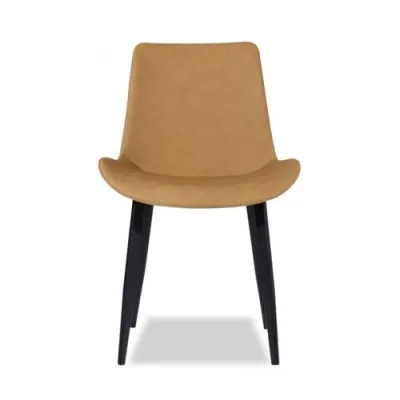
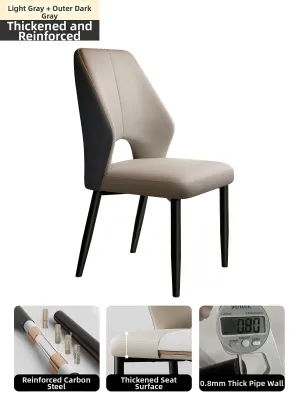
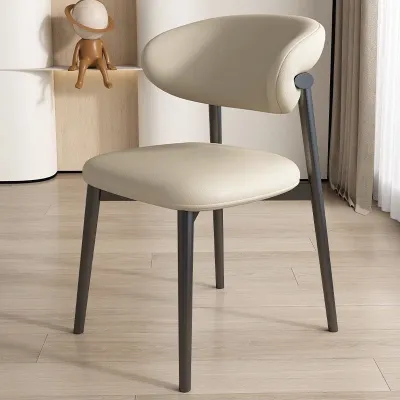
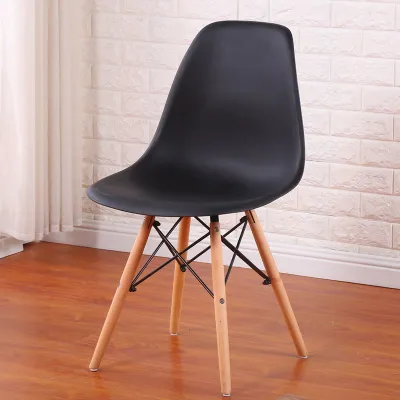
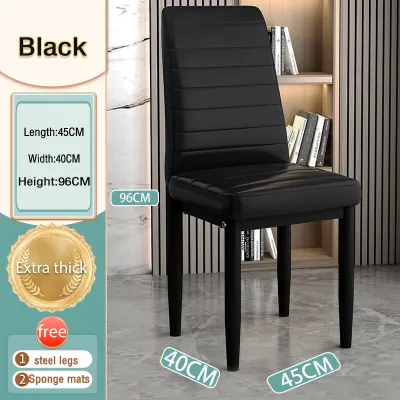
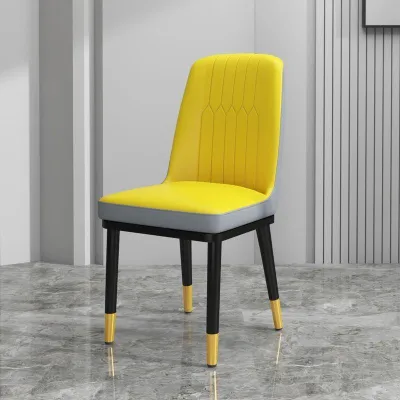
Prices are valid at publication and may change. Please refer to the product page for the latest price.
Architectural features also play a significant role in defining your style. A room with high ceilings, large windows, or exposed structural elements demands a different visual weight than a cozy, enclosed dining nook. Consider the natural light entering the space and how it interacts with different materials.
Finally, determine the atmosphere you want to cultivate. A formal dining room designed for hosting structured dinner parties benefits from high-backed, fully upholstered chairs. Conversely, a casual, multi-functional space used for quick breakfasts, remote work, and family crafts calls for lightweight, easily movable, and highly durable seating options.
Align Dining Chair Designs with Your Decor
Selecting the right dining chair requires looking at how the chair’s silhouette interacts with your dining table. A heavy, solid oak table can easily overwhelm delicate, thin-framed metal chairs, while a minimalist glass-top table might look mismatched next to bulky, fully skirted armchairs.

Visual weight is the key to achieving balance. In smaller dining areas, such as those in typical urban apartments, chairs with open backs or slender legs help maintain sightlines and make the room feel more spacious. In larger dining halls, more substantial chairs help anchor the table and prevent the dining set from looking lost in the expansive space.
Scandinavian and Minimalist Spaces
Scandinavian and minimalist interiors prioritize simplicity, functionality, and natural elements. When selecting chairs for these spaces, look for light wood tones like ash, beech, or pale oak. The silhouettes should be clean and uncluttered, featuring tapered legs and gently curved backrests that offer support without adding visual bulk.
Upholstery in minimalist spaces should remain understated. Opt for neutral fabrics such as linen, wool, or cotton blends in shades of grey, beige, or off-white. Woven materials, including natural rattan and paper cord, are excellent choices for adding organic texture. Always check the manufacturer’s care instructions for these natural materials, as they may require specific cleaning methods to maintain their appearance in humid climates.
Industrial and Urban Environments
Industrial design celebrates raw, structural elements and utilitarian materials. To complement this edgy aesthetic, focus on dining chairs that feature matte metal frames, distressed leather upholstery, or reclaimed wood finishes. The contrast between cold metal and warm, textured leather creates a balanced, inviting look.
When integrating industrial chairs, verify that their rugged aesthetic does not make the dining area feel overly harsh. You can soften the look by choosing chairs with curved metal frames or by opting for padded leather seats rather than solid metal sheets. Ensure the metal frames have protective glides on the feet to prevent scratching your flooring when chairs are moved.
Mid-Century Modern and Retro Rooms
Mid-century modern design is defined by organic shapes, flowing lines, and a nostalgic yet futuristic appeal. If your home features this retro aesthetic, seek out dining chairs with tapered wooden legs, curved plywood shells, and warm wood finishes such as walnut, teak, or medium oak.
This style allows for more playful experimentation with color and texture. Consider chairs upholstered in bold, textured fabrics like bouclé, tweed, or velvet in retro-inspired hues like mustard yellow, forest green, or burnt orange. These vibrant choices can transform your dining chairs into subtle accent pieces that draw the eye without disrupting the overall design harmony.
Contemporary and Transitional Homes
Contemporary and transitional homes bridge the gap between traditional elegance and modern simplicity. This versatile style calls for dining chairs with tailored upholstery, clean lines, and streamlined profiles. Look for chairs that offer deep comfort without the heavy ornamentation of classic antique furniture.
To create a cohesive look that accommodates mixed-era furniture, choose chairs with neutral fabric upholstery and subtle metallic accents, such as brushed brass or polished chrome caps on the legs. This subtle nod to modern luxury allows the chairs to blend seamlessly with both a rustic wooden table and a sleek marble-topped surface, making them a highly adaptable choice for evolving interiors.
Practical Checks for Comfort and Fit
No matter how beautiful a dining chair looks, it must be functional and comfortable for daily use. Before making a purchase, measure your dining table’s height. Standard dining tables typically stand around 75 cm high, requiring a seat height of approximately 45 cm to 48 cm. This ensures a comfortable seat-to-table clearance of 25 cm to 30 cm, allowing ample legroom for diners.
Next, evaluate the physical space around the table. Ensure there is at least 90 cm of clearance between the edge of the table and the nearest wall or piece of furniture. This space allows guests to pull their chairs out and sit down comfortably without blocking walkways. If space is tight, armless dining chairs are generally easier to slide completely under the table when not in use, saving valuable floor space.
Before finalizing your choice, review the manufacturer’s specifications for finished dimensions, weight capacity, and stability. If you live in a multi-story building, verify that the packaged chairs can easily fit through your doorway and lift access. For households with high daily usage, check the durability of the upholstery fabric and choose materials that are easy to wipe clean and maintain.
Rules for Mixing and Matching Chair Styles
Mixing different dining chairs is an excellent way to inject personality into your dining space, but it requires careful planning to avoid visual chaos. The most important rule is to maintain a unifying element across all the chairs. This could be a consistent seat height, a matching wood species, or a shared leg style.
A classic approach to mixing chairs is the host-and-hostess arrangement. Place two distinct, more substantial armchairs at the head and foot of the table to serve as focal points, while keeping the side chairs uniform and simpler in design. This creates an intentional, curated look that feels balanced rather than accidental.
To prevent the dining area from looking cluttered, limit your selection to no more than two distinct chair styles. For example, you might pair a set of sleek wooden side chairs with two upholstered end chairs. Keeping the color palette cohesive across both styles will help tie the entire arrangement together beautifully.
Frequently Asked Questions (FAQ)
Can I use different dining chair styles on the same table? (FAQ)
Yes, you can successfully mix different dining chair styles around a single table by ensuring they share at least one common design element. Maintaining a consistent seat height is crucial for comfort, while matching the visual weight of the chairs prevents any single piece from dominating the space. You can anchor the mix by choosing a unifying color palette, using the same upholstery fabric across different frame designs, or selecting chairs that all feature similar wood tones.
How do I choose dining chairs for a small dining area? (FAQ)
For compact dining spaces, prioritize chairs with slim profiles, open backs, or armless designs. Chairs with open backrests, such as spindle-back or ladder-back styles, allow light to pass through and keep sightlines clear, making the room feel larger. Choosing lighter wood finishes, neutral upholstery, or even transparent materials can also reduce the visual bulk of the seating. Additionally, ensure the chairs can slide fully underneath the table to maximize floor space when not in use.
Community discussion
Share your experience or ask a question. Comments are reviewed before publication.