
Selecting the right dining chairs is a critical decision that bridges the gap between aesthetic expression and daily functional comfort. In Singapore’s diverse residential landscape—ranging from compact HDB flats and modern condominiums to expansive landed homes—the dining area often serves as a multi-functional hub for family meals, remote work, and social gatherings. Achieving a cohesive look requires a thoughtful understanding of how different chair silhouettes, materials, and design histories interact with your home’s overall interior theme. By aligning the structural lines of your seating with your established decor, you can transform a purely utilitarian space into a curated design statement.
Selecting the Right Dining Chairs: Assessing Your Space and Table Proportions
Before exploring specific design aesthetics, you must establish the physical boundaries and spatial proportions of your dining zone. A common pitfall is selecting dining chairs based solely on their visual appeal, only to find they crowd the room or fail to fit beneath the table. Begin by measuring the floor clearance around your dining table. To ensure comfortable movement, maintain a minimum of 75 to 90 centimeters of open space between the table edge and the nearest wall, sideboard, or pathway. This clearance allows diners to pull out their chairs and stand up easily without obstructing traffic, which is particularly vital in open-plan HDB layouts where space is at a premium.
The visual weight and height of your chairs must also complement your table’s design. A heavy, solid wood dining table with thick pedestal legs requires chairs with substantial silhouettes and thicker frames to maintain visual balance. Conversely, a minimalist glass-topped table or a slender metal-framed table pairs best with lightweight, low-profile chairs that preserve an airy, open feel. Pay close attention to the height of the chair backs; high-back chairs can dominate a small dining nook, making the ceiling feel lower, while low-back chairs help maintain clear sightlines across an open-concept living and dining area.
Products mentioned in this guide
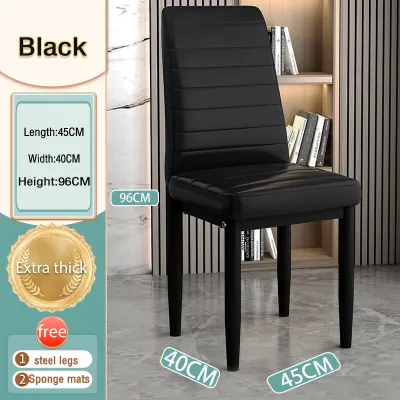
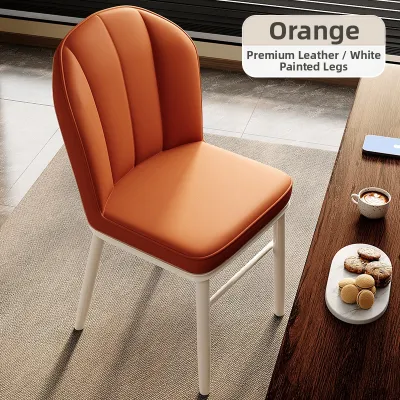
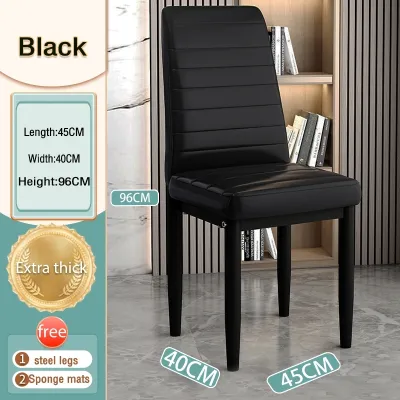
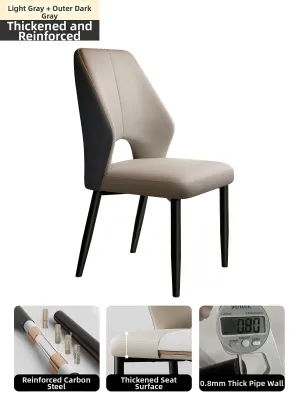
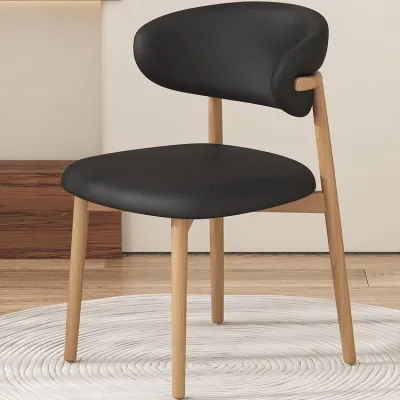
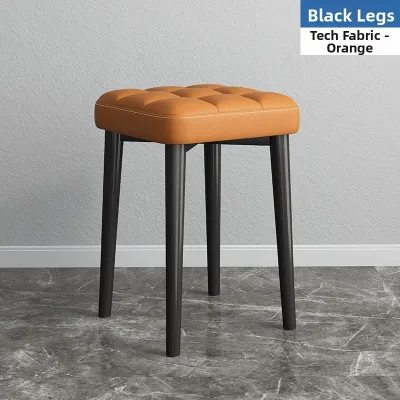

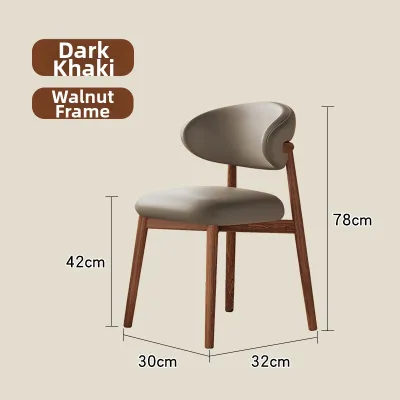
Prices are valid at publication and may change. Please refer to the product page for the latest price.
Finally, never overlook the practical logistics of delivery and assembly. While flat-pack furniture offers convenience, many premium, traditional, or vintage dining chairs are delivered fully assembled. Before placing an order, measure the width and height of your home’s entryways, main door, interior hallways, and the dimensions of your building’s elevator cabin. Tight elevator doors and narrow communal corridors in older estates can pose major delivery obstacles for bulky, non-disassembled seating. Verifying these dimensions beforehand prevents costly delivery failures and ensures a smooth installation process.
Best Dining Chair Styles for Popular Interior Aesthetics
Different interior design themes call for specific design languages in furniture. Understanding these connections helps you narrow down your options and find chairs that look natural in your space.

Modern and Minimalist Interiors
Modern and minimalist spaces prioritize simplicity, functionality, and clean lines. When choosing dining chairs for these environments, look for streamlined silhouettes with hidden joinery and an absence of ornate detailing or heavy stitching. Molded plastic, acrylic, and slim metal frames are excellent material choices that offer structural integrity without adding visual clutter. Transparent acrylic chairs, often referred to as “ghost chairs,” are particularly effective in small dining areas as they allow light to pass through, creating the illusion of more space. These sleek seating options pair exceptionally well with dining tables made of polished marble, tempered glass, or matte-finished engineered stone, reinforcing a clean, sophisticated, and uncluttered atmosphere.
Scandinavian and Japandi Spaces
Scandinavian and Japandi (Japanese-Scandinavian fusion) aesthetics focus on warmth, natural materials, and a sense of calm simplicity. For these interiors, opt for dining chairs crafted from light-toned woods such as white oak, ash, or beech. Features like woven paper cord seats, spindle backs, and subtle rattan accents add organic texture and warmth without overwhelming the senses. The design should emphasize low-profile backs and soft, organic curves that echo the natural world. To maintain a cohesive look, pair these chairs with solid wood dining tables that feature soft, rounded edges and light, matte protective finishes rather than high-gloss lacquers.
Industrial and Urban Lofts
Industrial decor celebrates raw, utilitarian elements and exposed structural details. Dining chairs suited for this aesthetic often combine rugged metal frames with distressed leather, canvas, or reclaimed wood seats. Look for chairs that feature visible hardware, such as prominent rivets, weld marks, metal cross-bracing, or even industrial-style casters. The beauty of these chairs lies in their intentional imperfections and sturdy construction. They pair naturally with heavy timber tables, concrete-topped surfaces, or tables supported by dark iron pipe frames, enhancing the raw, loft-like character of the dining space.
Traditional and Classic Homes
Traditional and heritage-inspired interiors require dining chairs that convey elegance, symmetry, and detailed craftsmanship. Look for classic design elements such as tufted upholstery, carved wooden frames, elegant cabriole or turned legs, and decorative nailhead trims. Rich, tactile fabrics like velvet, brocade, or heavy linen add depth and a sense of luxury to formal dining rooms. When selecting these more ornate, high-back designs, it is crucial to verify the exact width and armrest height of the chairs. Traditional armchairs can be significantly wider than modern alternatives, and their armrests must clear the underside of the table apron to allow them to be tucked in fully when not in use.
Mid-Century Modern and Retro Vibes
Mid-Century Modern design is defined by its nostalgic yet highly functional approach, featuring geometric shapes and organic curves. Iconic chair styles from this era often showcase tapered wooden legs, curved plywood shells, and bold, textured upholstery fabrics like bouclé or tweed. Warm, rich wood tones such as teak and walnut are central to this palette. To create a balanced retro dining setup, match these chairs with tables that also feature tapered, angled legs and organic, asymmetrical shapes—such as surfboard or soft oval designs—which complete the mid-century aesthetic without feeling dated.
Coordinating Materials and Finishes with Your Decor
Achieving a professional-looking dining space involves carefully coordinating the materials and finishes of your chairs with other elements in the room. You do not need to buy a perfectly matching dining set; in fact, mixing materials often creates a more dynamic and personalized space. However, successful mixing requires following a few basic design guidelines to prevent visual chaos.
When mixing different wood tones between your dining table and chairs, focus on matching the undertones rather than trying to find identical wood shades. Wood species generally fall into warm, cool, or neutral undertone categories. For example, warm woods like teak, cherry, and walnut have yellow, orange, or red undertones, while cool woods like grey-washed oak or maple have ash or blue undertones. Combining a warm teak table with cool grey oak chairs can look discordant. Instead, pair a warm walnut table with chairs featuring warm-toned cherry legs, or use painted black wooden chairs to create a clean, neutral contrast that works with almost any wood type.
Metal finishes offer another excellent opportunity for coordination. If your dining chairs feature metal legs or frames, try to echo those metallic tones elsewhere in the dining room. For instance, satin brass chair legs pair beautifully with a brass pendant light hanging above the table, while matte black metal frames can coordinate with black window frames, curtain rods, or cabinet hardware. This subtle repetition of finishes ties the entire room together, making the design feel intentional and cohesive.
Upholstery choice is equally important for both visual texture and practical durability. When selecting fabric-covered dining chairs, look closely at the weave and texture. Heavy, textured fabrics like bouclé or tweed add warmth and depth, while smooth linens and leathers offer a sleeker look. Always check the manufacturer’s care label and the Martindale rub count specification before purchasing. For daily family use, look for fabrics rated for high durability (typically 20,000 rubs or higher). Do not assume a fabric is stain-resistant or water-repellent based on the material name alone; verify the specific finishing treatments and cleaning instructions provided by the manufacturer.
If you find that the wood tones of your dining table and chairs still clash slightly, or if the overall arrangement lacks cohesion, a dining rug can serve as an excellent visual bridge. A large, low-pile area rug anchors the dining set and provides a neutral boundary that separates the wood of the table legs from the wood of the chair legs. Ensure the rug is large enough to extend at least 60 to 70 centimeters beyond all sides of the table, allowing the chairs to remain fully on the rug even when pulled out for seating.
Essential Sizing and Comfort Checks Before Buying
While visual style is important, dining chairs must ultimately be comfortable and physically compatible with your dining table. Ergonomic discomfort can quickly ruin the enjoyment of a beautifully designed space. Performing a few essential sizing and structural checks before finalizing your purchase will ensure your chairs are highly functional for daily use.
The most critical dimension to verify is the clearance between the chair seat and the underside of the table. For comfortable seating, there should be a gap of 25 to 30 centimeters between the top of the dining chair seat cushion and the bottom of the table top or table apron (the wooden frame running directly beneath the tabletop). If this gap is too small, diners will find their thighs pressed uncomfortably against the table structure; if it is too large, the table will feel awkwardly high. Always measure your table’s exact clearance height before shopping for chairs.
Another important decision is choosing between armless chairs and armchairs. Armless chairs are highly versatile, occupy less visual space, and are easier to get in and out of, making them ideal for smaller dining areas or compact HDB layouts. Armchairs, on the other hand, offer superior comfort and support, making them excellent for long, leisurely dinners. However, armchairs require a wider physical footprint—often requiring an extra 5 to 10 centimeters of width per chair—and their armrests must be low enough to slide completely under the table apron. Carefully measure the height from the floor to the top of the chair’s armrests to ensure a seamless fit.
Do not rely on visual styling as a guarantee of ergonomic comfort. Always review the product’s exact seat depth, seat width, and backrest angle specifications. A comfortable dining chair typically has a seat depth of 40 to 45 centimeters and a seat width of at least 45 centimeters. The backrest should offer adequate lumbar support and feature a slight backward recline (around 100 to 110 degrees) to encourage a relaxed yet upright dining posture. Chairs with completely vertical backrests or overly deep seats can cause discomfort during extended sitting.
Finally, inspect the structural integrity and stability of the chairs. Look for robust joinery methods, such as mortise-and-tenon joints or reinforced corner blocks, which offer far greater durability over time than simple screw-and-glue construction. Check the manufacturer’s specified weight capacity to ensure the chairs can safely accommodate all users. If your dining floor is slightly uneven, look for chairs with adjustable leveling feet to prevent annoying wobbles. Taking the time to verify these physical and structural details ensures your dining chairs will remain comfortable and stable for years to come.
Quick Comparison: Dining Chair Styles and Aesthetics
To help you quickly identify the best seating options for your home, the table below summarizes the key design features, compatible interior aesthetics, and ideal table pairings for the five major dining chair styles.
| Chair Style | Key Visual Features | Best Matching Aesthetics | Ideal Table Pairings |
|---|---|---|---|
| Modern / Minimalist | Clean lines, hidden joinery, slim metal or molded plastic frames, transparent acrylic. | Contemporary, Minimalist, High-Tech | Polished marble, tempered glass, or sleek matte-finished engineered stone tables. |
| Scandinavian / Japandi | Light-toned woods (oak, ash), woven paper cord, rattan accents, soft organic curves. | Scandinavian, Japandi, Warm Minimalist | Solid wood tables with rounded edges and natural, unpolished matte finishes. |
| Industrial | Rugged metal frames, distressed leather or canvas upholstery, reclaimed wood, visible hardware. | Industrial, Urban Loft, Rustic | Heavy timber, concrete-topped, or dark iron-framed dining tables. |
| Traditional / Classic | Tufted backrests, carved wooden frames, cabriole legs, nailhead trim, velvet or rich linen. | Traditional, Transitional, Classic European | Rich mahogany, walnut, or cherry wood tables with decorative carved pedestals. |
| Mid-Century Modern | Tapered wooden legs, curved plywood shells, bold geometric fabrics, warm walnut/teak tones. | Mid-Century Modern, Retro, Eclectic | Teak or walnut tables with tapered legs and surfboard or organic oval shapes. |
Frequently Asked Questions (FAQ)
Can I mix and match different dining chair styles?
Yes, mixing and matching dining chairs is an excellent way to create a personalized, curated look. To keep the arrangement from looking chaotic, use a unifying element to tie the different chairs together. This could be a consistent wood tone, matching upholstery fabric, or a shared leg design. A classic and highly effective styling approach is to place two identical, slightly more ornate armchairs at the heads of the table, and use simpler, matching armless chairs along the sides. This establishes a clear visual hierarchy while maintaining a balanced and cohesive dining set.
How do I protect my floors from dining chair scratches?
Protecting your flooring from the constant movement of dining chairs is essential, especially for hardwood, engineered wood, or polished tile floors. Before using new chairs, inspect the bottom of the legs for factory-installed glides or protective caps. Applying high-quality aftermarket felt pads to the bottom of the chair feet is one of the most effective ways to prevent scratches. However, felt pads can trap dust and grit over time, which can act like sandpaper against your floor. Make it a habit to clean the bottom of the pads regularly and replace them when they wear thin. Alternatively, placing a low-pile dining rug under the table set provides a durable physical barrier that protects your floors from scratches and scuffs.
Community discussion
Share your experience or ask a question. Comments are reviewed before publication.