
Matching the perfect counter stool to your kitchen or dining space is a balance of visual alignment, material coordination, and spatial awareness. The right stool does not simply fill a gap at the island; it anchors the room’s design narrative, bridging the transition between functional prep zones and social living areas. To achieve a cohesive look, you must evaluate the dominant materials, colors, and design cues of your existing space, and then select seating that either echoes these elements or introduces a deliberate, sophisticated contrast.
Identify Your Existing Interior Style
Before browsing online or visiting a furniture showroom, take a step back and analyze the architectural and design baseline of your kitchen. The most successful interiors feel cohesive because every element references another. Begin by identifying the dominant materials that cover the largest surface areas in your room. Look closely at your countertops—whether they are made of cool, polished quartz, veined marble, or warm solid timber—and notice how their texture interacts with the light. Next, evaluate your cabinetry. Flat-panel matte laminates suggest a sleek, contemporary direction, whereas shaker-style doors or detailed wood veneers lean traditional or transitional.
The overall color palette and mood of the room will dictate whether your stools should blend seamlessly or stand out. A kitchen dominated by crisp whites, pale greys, and cool stone surfaces benefits from either a continuation of that airy, minimalist aesthetic or the introduction of warm, tactile elements to soften the cool feel. Conversely, a space featuring deep navy, forest green, or charcoal cabinetry requires seating with sufficient visual weight to hold its own against those rich hues.
Products mentioned in this guide
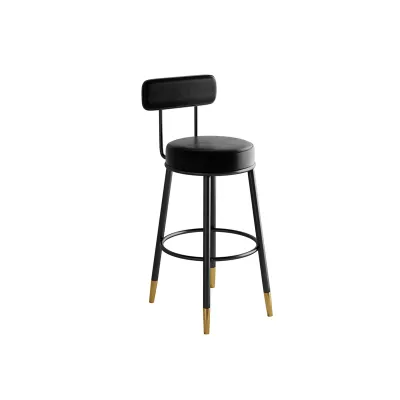
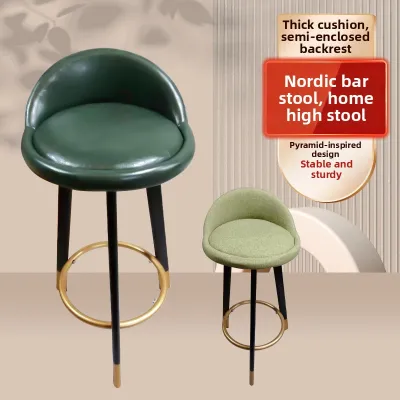

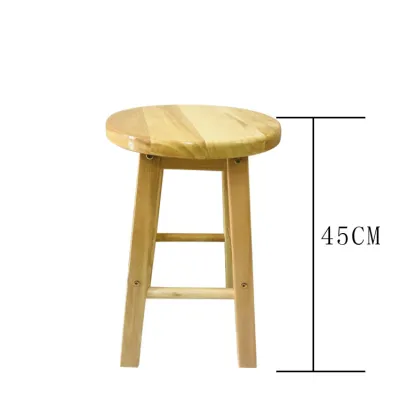
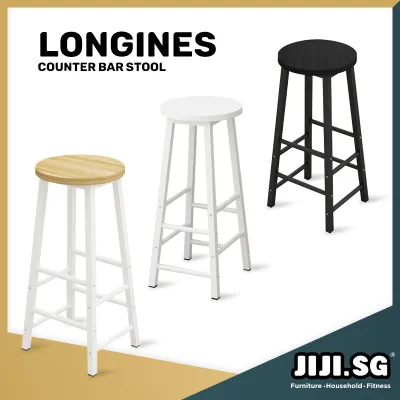
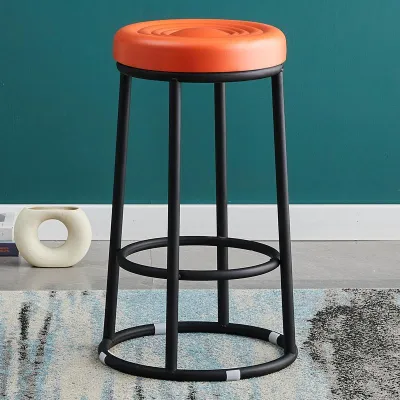
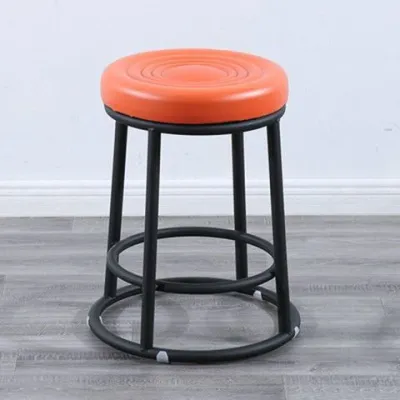
Prices are valid at publication and may change. Please refer to the product page for the latest price.
Finally, pay close attention to the smaller metal details and hardware throughout the room. The finishes of your cabinet handles, kitchen faucet, and overhead pendant lights serve as excellent reference points. If your space features brushed brass cabinet pulls and a matching faucet, selecting counter stools with subtle brass accents or warm wooden legs can tie the entire room together. If your fixtures are matte black, choosing stools with black powder-coated steel legs will create a clean, intentional connection that makes the space feel professionally curated.
Match Counter Stools to Popular Design Aesthetics
Different interior design themes rely on specific material vocabularies and structural silhouettes. Aligning your counter stools with these established styles ensures that your seating enhances, rather than disrupts, the room’s intended atmosphere.

Scandinavian and Japandi
Scandinavian and Japandi design philosophies focus on simplicity, natural warmth, and functional minimalism. If your home embraces this organic aesthetic, look for counter stools crafted from light-toned woods such as oak, ash, or beech. These timbers bring a soft, natural texture to the kitchen island without darkening the space. Incorporating woven elements, such as natural rattan, cane, or paper cord seats, adds a tactile layer that feels both crafted and airy.
The silhouette of a Scandinavian stool should favor clean lines, gently rounded edges, and organic shapes. Avoid heavy ornamentation, bulky solid frames, or high-gloss lacquered finishes, as these elements conflict with the understated nature of the style. If you prefer padded seating for extended comfort, select upholstery in neutral, muted tones—such as oatmeal, sand, soft grey, or olive green—and opt for matte, textured fabrics like linen blends or wool.
Industrial and Urban Loft
Industrial and urban loft aesthetics celebrate raw materials, structural honesty, and a utilitarian edge. To complement this style, your counter stools should feature robust materials that look better with age and use. Distressed leather upholstery in rich tan, dark brown, or charcoal is an excellent choice, as it pairs beautifully with the rugged textures often found in industrial spaces, such as exposed brickwork or concrete screed.
Look for stools constructed with matte black iron, gunmetal, or brushed steel frames. Visible welds, exposed rivets, and raw metal finishes enhance the authentic, workshop-inspired character of the design. Combining these dark metals with reclaimed timber or rough-hewn wooden seats creates a striking balance between cold metal and warm wood. Utilitarian features—such as integrated circular footrests, exposed adjustment cranks, and heavy-duty swivel mechanisms—should be embraced as deliberate design statements rather than hidden away.
Modern Minimalist and Contemporary
Modern minimalist and contemporary spaces prioritize sleek lines, uncluttered surfaces, and high functionality. To maintain the clean sightlines of a minimalist kitchen, your counter stools should possess a sense of visual lightness. Look for designs featuring slim, architectural metal legs, hidden joinery, and low-profile backrests that can tuck neatly beneath the counter when not in use.
Stick to a monochromatic or highly restrained color palette. Smooth, high-performance fabrics, faux leather, or premium top-grain leather in solid shades of matte black, pure white, cool grey, or deep charcoal work exceptionally well. Geometric profiles, sharp angles, or perfectly circular seats reinforce the architectural nature of contemporary design. Avoid excessive tufting, decorative stitching, or busy patterns that could introduce unwanted visual noise to an otherwise streamlined environment.
Mid-Century Modern and Transitional
Mid-Century Modern and transitional styles offer a beautiful bridge between vintage warmth and contemporary clean lines. If your kitchen features retro elements or a classic-meets-modern transitional vibe, look for stools with iconic mid-century design markers. Tapered wooden legs, warm walnut or medium oak finishes, and gently curved, molded plywood seat shells are hallmarks of this era.
To add depth and comfort, consider upholstery in rich, earthy tones like mustard yellow, burnt orange, teal, or forest green. Textured fabrics such as classic bouclé, tweed, or low-pile velvet introduce a sophisticated vintage charm. These styles excel at softening the hard, flat surfaces of modern kitchen appliances and countertops, infusing the dining area with a sense of nostalgic comfort and timeless appeal.
Key Design Elements to Coordinate
To ensure your selected counter stools look entirely at home, you must analyze how their individual physical attributes interact with the surrounding architecture. Balancing these elements prevents the stools from looking like an afterthought.
Leg and Frame Finish
The lower half of your counter stool occupies a significant amount of visual real estate. When choosing leg finishes, decide whether you want them to match your cabinetry or contrast with your flooring. For example, if you have dark wood floors, choosing stools with light oak or painted metal legs prevents the seating from disappearing into the floor. Alternatively, matching the metal of the stool legs to your kitchen’s hardware—such as choosing matte black legs to match black cabinet pulls—creates a highly cohesive, intentional design thread.
Seat Material and Texture
Kitchens are inherently filled with hard, flat surfaces like quartz countertops, tiled splashbacks, and stainless steel appliances. Introducing the right seat material is your opportunity to balance these cold textures. If your kitchen island features a thick, polished marble or engineered stone top, pairing it with stools that have soft upholstered seats, woven rattan, or warm timber tops will instantly soften the space. This contrast of hard and soft materials makes the seating area feel more inviting and comfortable for long conversations.
Color and Contrast
Decide whether your counter stools should serve as a subtle, blending element or a bold focal point. If you want to maintain a spacious, calm atmosphere, choose stools in a color that closely matches the paint or laminate of your kitchen island. For instance, white stools against a white island face will visually recede, making the room feel larger. On the other hand, if your kitchen is neutral, opting for stools in a contrasting color—like deep navy stools against a light grey island—creates an eye-catching design focal point that defines the dining zone.
Backrest Profile
The height and shape of the stool’s backrest have a major impact on the room’s sightlines, especially in open-plan living and dining areas. Backless stools offer the ultimate clean look, as they can slide completely under the counter, keeping walkways clear and maintaining an unobstructed view of your beautiful countertops. Low-profile backrests provide a compromise, offering some lumbar support while remaining below the counter line. High-backed stools offer the greatest comfort for dining but will stand out prominently, making their design and material choice incredibly important to the overall room aesthetic.
Practical Considerations for Compact Kitchens in Singapore
In Singapore, where many homes are HDB flats or compact condominiums, choosing furniture requires a careful balance of style and spatial efficiency. The physical constraints of local layouts mean that practical usability must go hand-in-hand with your aesthetic choices.
Visual Weight
In smaller, open-plan layouts, bulky furniture can quickly make a room feel cramped and dark. To maintain an airy, spacious feel, prioritize counter stools with a light visual weight. Stools with open-frame metal backs, slender legs, or even transparent acrylic seats allow light to pass through, making the kitchen feel larger than it actually is. Avoiding heavy, fully upholstered bucket-style chairs will keep your walkways and dining areas feeling breezy and open.
Clearance and Spacing
Before purchasing, measure your kitchen island or peninsula carefully to ensure your stools fit comfortably. A standard kitchen counter in Singapore typically sits at about 90 centimeters high, which pairs perfectly with counter stools that have a seat height of 60 to 65 centimeters. To ensure a comfortable dining experience, always allow for 25 to 30 centimeters of clearance between the top of the seat cushion and the underside of your countertop. Additionally, plan for adequate width: each person needs about 60 to 75 centimeters of horizontal space (measured from the center of one stool to the next) to eat comfortably without knocking elbows. Ensure you also verify the finished dimensions of the stools against your lift and doorway access to avoid delivery complications.
Floor Protection
Singaporean homes commonly feature hard flooring surfaces such as porcelain tiles, luxury vinyl tiles (LVT), or engineered timber. Frequent movement of metal or wooden stool legs can easily scratch these surfaces or create loud, scraping noises. Always check that your chosen stools come equipped with high-quality floor protectors. If they do not, apply heavy-duty felt pads to wooden legs or soft rubber caps to metal frames. This simple step preserves your flooring and ensures a quiet, smooth glide every time you pull out a seat.
Frequently Asked Questions (FAQ)
Can I mix and match different counter stool styles?
Yes, you can mix and match styles successfully if you maintain at least one unifying design element. To prevent visual chaos, ensure the stools share a common thread, such as the exact same metal finish on the legs, identical seat heights, or a matching upholstery fabric. For example, you might use three stools of the same model but in different complementary colors, or different stool shapes that all feature the same natural oak wood finish.
How do I ensure the counter stools fit my island height?
To ensure comfortable legroom and a natural seating posture, you should leave a gap of 25 to 30 centimeters (10 to 12 inches) between the top of the stool seat and the underside of your countertop. For a standard Singaporean kitchen counter or island, which usually stands at 90 centimeters high, you should select counter stools with a seat height of approximately 60 to 65 centimeters. Always measure to the top of the compressed cushion if the seat is heavily padded.
Community discussion
Share your experience or ask a question. Comments are reviewed before publication.