
Selecting the ideal bar chair for your Singapore home involves balancing visual appeal with physical compatibility. A kitchen island or home bar is often the social anchor of modern open-plan HDB flats, condominiums, and landed properties. Choosing a style that complements your interior design theme ensures a cohesive look, while verifying the physical dimensions guarantees comfort and safety for daily use.
To find the right match, you must evaluate both the aesthetic details of your space—such as wood tones, metal finishes, and upholstery textures—and the precise measurements of your counter. This guide breaks down how to align popular design styles with the right bar chair configurations, ensuring your seating is as functional as it is beautiful.
Quick Answer: Matching Bar Chair Styles to Popular Interior Themes
Finding the right bar chair style depends on identifying the core visual elements of your home’s interior design. Different design themes rely on specific materials, finishes, and silhouettes to create a cohesive atmosphere:
Products mentioned in this guide
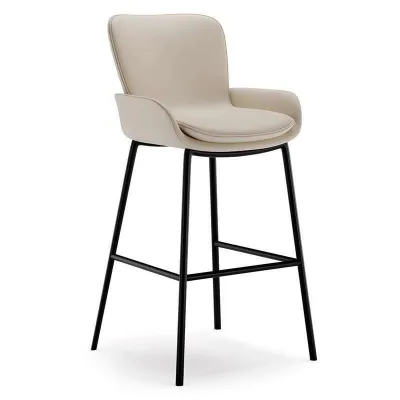
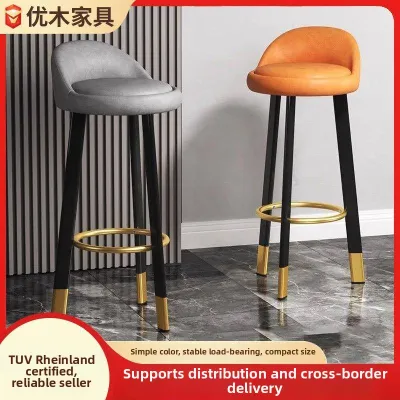
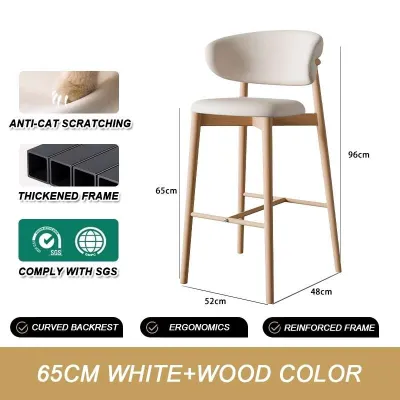
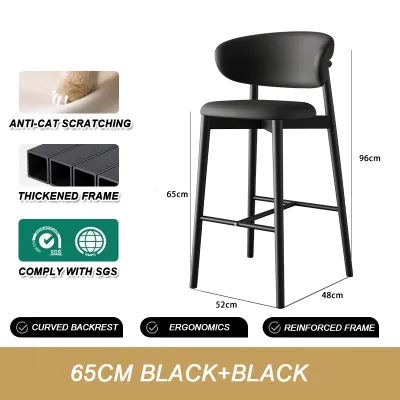
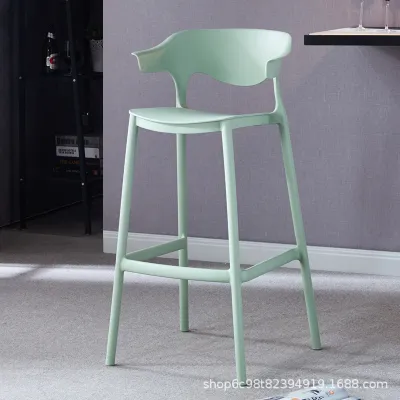
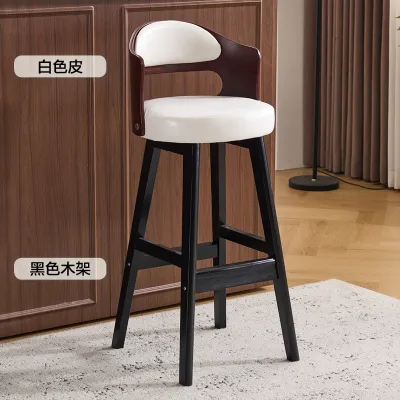
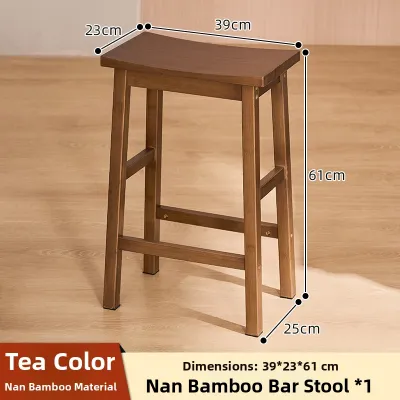
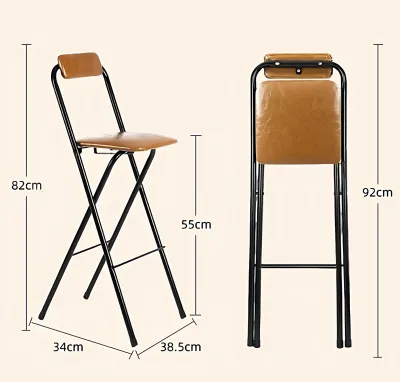
Prices are valid at publication and may change. Please refer to the product page for the latest price.
- Scandinavian and Japandi: Focus on light wood tones like oak or ash, woven rattan accents, and neutral, breathable fabrics. Choose organic, curved silhouettes with spindle backs that maintain visual lightness.
- Industrial and Urban Loft: Opt for matte black or brushed metal frames, distressed polyurethane (PU) or genuine leather, and reclaimed wood elements. Look for utilitarian shapes, exposed hardware, and mechanical details.
- Modern Minimalist: Prioritize sleek powder-coated metal, molded plastics, and monochromatic performance fabrics. Select streamlined, low-profile designs with clean lines and hidden joints.
- Mid-Century Modern: Choose warm wood finishes like walnut or teak, paired with velvet or textured bouclé upholstery and subtle brass accents. Look for tapered legs and curved plywood seats.
While matching these design aesthetics is essential for visual harmony, you must always pair your style choice with correct height and spatial measurements. A beautiful chair that does not fit your counter height or leaves insufficient legroom will ultimately compromise the usability of your space.
Key Factors to Consider Before Choosing a Bar Chair
Before focusing on the aesthetic details of different bar chair designs, you must establish the physical and practical parameters of your seating area. Addressing these foundational factors first prevents purchasing furniture that is uncomfortable or structurally unsuitable for your home.

Counter vs. Bar Height
One of the most common mistakes when buying high seating is confusing counter-height stools with bar-height stools. Standard kitchen counters in Singapore—including most built-in HDB kitchen islands and peninsula counters—typically stand at 85 to 90 cm from the floor. These require counter-height stools with a seat height of 60 to 65 cm.
In contrast, dedicated bar counters, high dry-kitchen islands, or balcony ledger counters usually stand at 100 to 105 cm from the floor. These setups require true bar-height stools with a seat height of 75 to 80 cm. Always measure the distance from the floor to the underside of your counter before browsing styles, taking care to account for any drop-down support beams or thick stone edge profiles that might reduce thigh clearance.
Space and Footprint
Your available floor space and the layout of your kitchen or dining area should dictate the silhouette of your bar chair. In compact Singapore apartments where walkways must remain clear, backless stools are highly practical because they can slide completely under the counter when not in use. This keeps the physical footprint minimal and maintains clean sightlines.
If you plan to use the island for longer periods, such as working from home or enjoying extended meals, stools with backrests offer necessary lumbar support. Low-back designs provide a compromise, offering subtle support while remaining low enough to tuck partially under the counter. Full-back chairs provide the greatest comfort but have a larger visual and physical footprint, requiring more clearance behind the counter to allow users to push back and stand up easily.
Material and Upholstery Care
Singapore’s tropical climate, characterized by high relative humidity and warm temperatures, directly impacts how furniture materials wear over time. When selecting upholstery, do not assume durability based on the material name alone. Instead, check the manufacturer’s care labels and specifications for performance ratings, such as Martindale rub counts for fabrics, which indicate wear resistance.
If your bar chairs will be placed near a cooking zone where grease and spills are common, prioritize easy-wipe materials like treated leather, high-quality polyurethane (PU), or performance fabrics designed to resist liquid absorption. For solid wood or metal frames, verify that the surfaces have been treated with protective sealants or moisture-resistant powder coatings to prevent warping, mold growth, or rust in humid environments.
Top Bar Chair Styles for Popular Interior Design Themes
Once you have determined your physical space requirements, you can focus on selecting a design style that enhances your home’s interior aesthetic. Below is a detailed look at how to match specific bar chair characteristics to four of the most popular interior design themes in Singapore.
Scandinavian and Japandi Interiors
Scandinavian and Japandi (Japanese-Scandinavian fusion) designs prioritize simplicity, natural elements, functionality, and a sense of cozy warmth. These spaces benefit from furniture that feels light, organic, and uncluttered.
- Ideal Materials: Light-toned wood finishes such as natural oak, ash, or beech form the foundation of this style. Woven rattan, paper cord, or cane accents add organic texture, while seat cushions in neutral linen, cotton, or light grey wool-blend fabrics provide soft comfort.
- Silhouettes: Look for gentle curves, rounded edges, and tapered spindle backrests. Stools with slim, angled wooden legs and open-back designs help maintain a sense of visual lightness, making the room feel more spacious.
- Selection Advice: Prioritize matte or low-sheen protective finishes that showcase the natural grain of the wood. If you select chairs with woven rattan or cane elements, verify the manufacturer's care instructions regarding humidity. Ensure your home has adequate natural ventilation or air conditioning to prevent moisture buildup on natural fibers.
Industrial and Urban Loft Spaces
Industrial design celebrates raw, utilitarian elements, exposed structural materials, and a moody, textured color palette. This style is well-suited for homes featuring concrete screed floors, exposed brick walls, or dark metal track lighting.
- Ideal Materials: Heavy-duty metal frames—particularly in matte black, gunmetal, or brushed iron—are essential. Pair these metallic structures with distressed polyurethane (PU) leather, top-grain genuine leather, or dark reclaimed wood seats like elm or walnut.
- Silhouettes: Look for bold, utilitarian shapes with visible hardware, such as exposed rivets, weld joints, and structural bracing. Stools featuring mechanical elements, such as threaded metal rods for height adjustment or manual gas lifts, fit perfectly into this aesthetic.
- Selection Advice: Because Singapore's coastal humidity can accelerate metal oxidation, check the manufacturer's specifications to ensure metal frames have been treated with an anti-rust or clear protective powder coating. For distressed leather or PU upholstery, review the cleaning guidelines to ensure the material can withstand regular wipe-downs without peeling or cracking.
Modern Minimalist and Contemporary Homes
Modern minimalist and contemporary interiors focus on clean lines, geometric forms, and a highly organized, clutter-free environment. The goal is to choose seating that integrates seamlessly into the architecture of the space.
- Ideal Materials: Sleek, powder-coated metals in solid black or white, molded polypropylene (plastic), and smooth, monochromatic performance fabrics are ideal. Polished chrome or brushed stainless steel can also add a clean, reflective touch.
- Silhouettes: Look for streamlined profiles, cantilever designs, or monobloc structures with hidden joints. Stools with ultra-slim metal sled bases or integrated, continuous frames help minimize visual noise around the kitchen island.
- Selection Advice: Select stools with a compact physical footprint and low-profile or concealed footrests to preserve a tidy look. If the bar chairs are located in a high-traffic kitchen area, molded polypropylene or metal seats are highly practical, as they can be easily sanitized with a damp microfiber cloth and mild soapy water.
Mid-Century Modern and Transitional Rooms
Mid-Century Modern and transitional designs blend retro charm with classic sophistication. These styles rely on warm wood tones, rich textures, and iconic, sculptural furniture shapes.
- Ideal Materials: Medium to dark wood finishes, such as walnut, teak, or cherry, are characteristic of this style. Upholstery materials like rich velvet, textured bouclé, or smooth leather in jewel tones (such as forest green, amber, or navy) add depth, often complemented by subtle brass or gold metal footrest caps.
- Silhouettes: Look for iconic design elements like gently tapered legs, curved plywood seat shells, subtle button tufting, and sloped backrests that cradle the body.
- Selection Advice: When choosing wooden bar chairs, try to coordinate the wood stain of the stool legs with your kitchen cabinetry or nearby dining furniture to avoid clashing undertones. Additionally, verify the structural stability and stated weight capacity of the tapered legs; because these legs flare outward, the joints bear significant shear stress and should be reinforced with sturdy metal brackets or robust mortise-and-tenon joinery.
Quick Comparison: Bar Chair Features by Design Style
The table below summarizes the recommended materials, silhouettes, and color palettes for each major interior design style to help you quickly narrow down your options.
| Interior Style | Ideal Materials | Key Silhouettes | Colors to Prioritize |
|---|---|---|---|
| Scandinavian & Japandi | Oak, ash, rattan, linen, cotton | Curved edges, spindle backs, tapered legs | Slate, cream, beige, soft grey, natural wood |
| Industrial & Loft | Matte black steel, distressed leather, elmwood | Utilitarian, exposed rivets, adjustable gas lifts | Charcoal, rust, dark brown, matte black |
| Modern Minimalist | Powder-coated metal, polypropylene, performance fabric | Sled bases, cantilever designs, hidden joints | Pure white, jet black, cool grey, navy |
| Mid-Century Modern | Walnut, teak, velvet, bouclé, brass accents | Tapered legs, curved plywood, button tufting | Mustard, olive, teal, warm brown, brass |
Use this table as a starting point to align your aesthetic preferences with your home’s decor. Once you have identified the styles that match your vision, cross-reference them with your specific counter height, available clearance, and the practical requirements of your household.
Pre-Purchase Checklist: Verifying Fit and Function
Before finalizing your purchase, walk through this practical checklist to ensure your chosen bar chairs will perform well and fit comfortably in your living space.
Measuring the Overhang
To sit comfortably without your knees knocking against the kitchen island cabinet or wall, your counter must have an adequate overhang. A standard, comfortable counter overhang should extend at least 25 to 30 cm from the base of the island. Measure this distance carefully; if your overhang is shallow (less than 20 cm), you may need to choose a backless stool that allows you to sit closer to the edge, or opt for a model with a shallower seat depth to prevent the chairs from protruding too far into your walkway.
Weight Capacity and Stability
Verify the manufacturer’s stated weight capacity for each bar chair, which typically ranges from 100 kg to 130 kg for residential use. Beyond weight limits, consider the overall stability of the chair’s design:
- Base Width: Stools with a wider leg base offer greater stability. If you have young children or elderly family members, avoid ultra-slim, top-heavy designs that can tip over easily when someone climbs on or off.
- Swivel Mechanisms: Swivel stools make it easier to get in and out of tight spaces without sliding the chair frame across the floor. However, ensure the swivel base is heavy and wide—typically featuring a circular metal base plate with a non-slip rubber rim—to prevent tipping during rotation.
Floor Protection and Assembly
Different flooring materials common in Singapore homes require specific protection to prevent scratches, scuffs, and gouges:
- Hardwood and Vinyl: Luxury vinyl tiles (LVT), engineered wood, and traditional parquet floors are relatively soft and easily scratched by metal or hard plastic stool legs. Ensure your stools come with high-quality felt pads or soft rubber glides. Inspect these pads periodically, as they wear down over time and collect abrasive dust.
- Homogeneous Tiles: While highly durable, polished tiles can still suffer from metal scrape marks. Use durable nylon or plastic glides on the bottom of stool legs to ensure smooth, quiet movement.
Finally, review the assembly requirements. Many bar chairs purchased online arrive flat-packed and require self-assembly. Check if the package includes clear instructions and all necessary hardware. If you prefer not to assemble the furniture yourself, or if you are purchasing heavy solid wood or metal designs, verify if the retailer offers professional delivery and on-site assembly services.
Frequently Asked Questions (FAQ)
How many bar chairs should I buy for my kitchen island?
As a general rule, you should allow 60 to 75 cm of counter width per bar chair. This spacing ensures that users have comfortable elbow room and can sit down or stand up without bumping into one another. To calculate the correct number of stools, measure the total usable length of your counter overhang and divide it by this spacing guideline. Additionally, make sure to factor in the widest part of the stool—which is often the base of the legs or the armrests—rather than just the width of the seat pad.
Can I mix and match different bar chair styles?
Yes, mixing and matching bar chairs can add visual interest and personality to your kitchen, provided you maintain a unifying design element. To keep the look cohesive and avoid visual clutter in compact spaces, try keeping one design variable constant. For example, you can choose stools with different backrest designs or colors, provided they share the exact same frame material and seat height. Alternatively, you can use different stool designs in the same color palette to create a subtle, curated look.
What is the standard height difference between a counter and a bar chair?
For comfortable, ergonomic seating, the ideal distance between the top of the bar chair seat and the underside of the counter is 25 to 30 cm. This gap provides ample clearance for your thighs while allowing your elbows to rest naturally on the counter surface. When calculating this gap, be sure to measure to the lowest point of the counter’s underside. Thick quartz, granite, or concrete countertops often feature a supportive timber substrate or a dropped mitered edge underneath, which can reduce your actual leg clearance by several centimeters compared to the top surface height.
Community discussion
Share your experience or ask a question. Comments are reviewed before publication.