
When designing a modern kitchen or home bar, selecting the right bar chairs is a crucial decision that bridges functional utility and aesthetic harmony. In contemporary open-plan layouts, where the kitchen island often serves as the central hub for dining, working, and entertaining, these chairs are highly visible design elements. Matching your bar chairs to your home’s interior design theme ensures a cohesive visual flow, preventing the seating from looking like an afterthought.
Achieving this balance requires looking beyond simple comfort to analyze how a chair’s materials, lines, and visual weight interact with the surrounding environment. In apartments where space is at a premium, the physical footprint and silhouette of your seating play a major role in how open or cramped the room feels. By understanding the core characteristics of popular design themes—such as modern, industrial, Scandinavian, and minimalist—you can confidently select bar chairs that enhance your home’s unique character while fulfilling your daily lifestyle needs.
Assessing Your Counter Height and Spatial Constraints
Before diving into aesthetic choices, establishing the physical and spatial baseline of your dining area is critical to ensuring your bar chairs fit both your counter and your room’s proportions. The most vital measurement is the distance from the floor to the underside of your countertop. To ensure comfortable legroom and a natural posture while dining, working, or socializing, you must maintain a clearance of 25 to 30 cm between the top of the bar chair seat and the underside of the counter.
Products mentioned in this guide
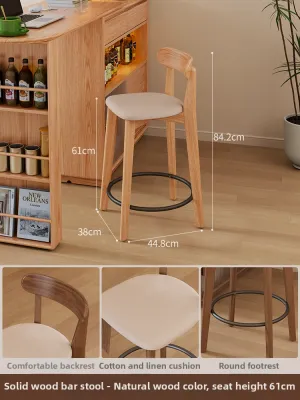
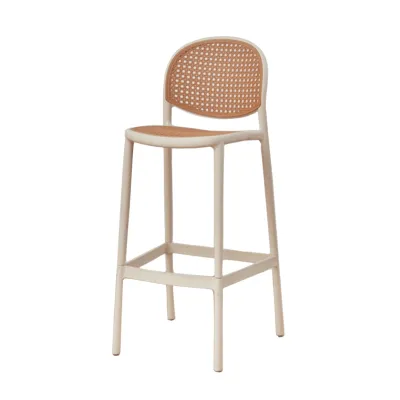
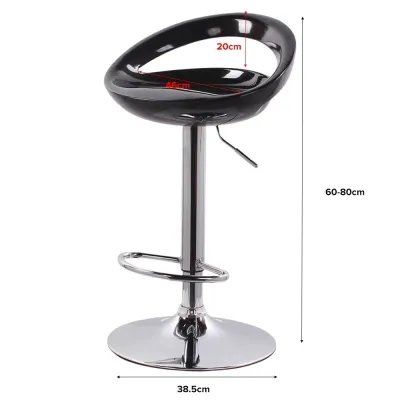

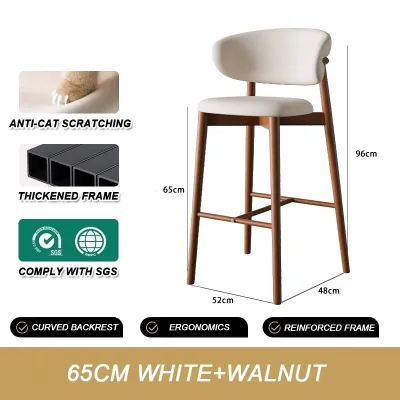
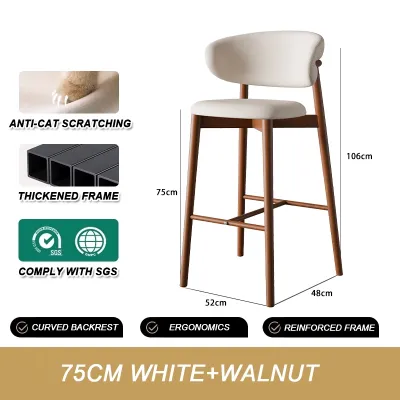

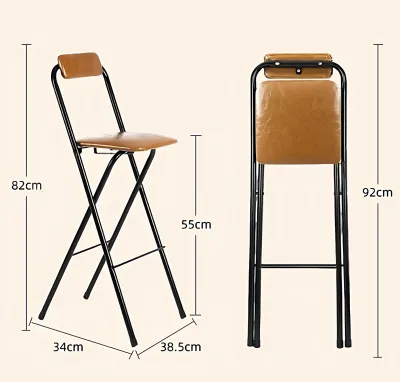
Prices are valid at publication and may change. Please refer to the product page for the latest price.
Standard counter heights generally dictate which category of seating you require. A standard kitchen island countertop typically stands at approximately 90 cm high, which pairs best with counter stools featuring seat heights of 60 to 65 cm. If your home features a raised bar counter, which usually stands at 100 to 105 cm, you will need true bar chairs with seat heights of 70 to 75 cm. Always measure your specific counter before purchasing, as custom carpentry can sometimes deviate from these standard measurements.
Beyond height, you must evaluate the visual weight and physical footprint of the chairs, especially in compact open-plan layouts common in local apartments. Bar chairs with wide, flared legs or thick, solid-wood pedestal bases occupy significant physical floor space and can impede foot traffic in narrow walkways. If your kitchen island is situated in a high-traffic zone, prioritizing a compact footprint with straight, slender legs will keep the pathway clear.
The design of the backrest also plays a major role in the spatial flow and sightlines of your home. High, solid backrests create a visual barrier that can make a small kitchen feel enclosed and cluttered. In contrast, low-profile backrests or backless stools allow the eye to travel freely across the room, preserving open sightlines and making the entire living area feel more spacious.
Styling Bar Chairs for Modern Interiors
Modern interior design is characterized by its clean lines, geometric order, and a focus on sleek, unadorned surfaces. To complement this aesthetic, look for bar chairs that exhibit a streamlined silhouette and a sophisticated, polished finish. The goal is to select seating that feels current, organized, and quietly luxurious, avoiding any intricate ornamentation or traditional carvings that conflict with contemporary cabinetry.

Materials play a pivotal role in establishing a modern vibe. Molded plastics, polished chrome, brushed steel, tempered acrylic, and smooth leather or high-quality synthetic leather upholstery are excellent choices. A bar chair featuring a polished chrome frame paired with a black leather seat, for example, delivers a striking high-contrast look that matches the minimalist cabinetry and quartz countertops common in contemporary homes.
Color palettes in modern spaces tend to favor neutral, monochromatic, or bold, high-contrast schemes. Matte black, stark white, deep charcoal, and brushed metallic finishes integrate seamlessly into these environments. If your kitchen features a neutral backdrop, you can use a pair of modern bar chairs in a bold primary color or a rich jewel tone as an intentional accent piece to break up the monotony.
When shopping for modern seating, avoid chairs with turned wooden legs or decorative carvings. Instead, prioritize geometric shapes, such as square frames, cantilevered bases, or perfectly circular seats. These structured forms reinforce the architectural lines of modern cabinetry and built-in appliances, creating a cohesive and highly curated look.
Integrating Industrial Bar Chairs for Raw Textures
Industrial design celebrates raw, unfinished textures, utilitarian simplicity, and the honest exposure of structural elements. Originating from converted warehouses and factories, this style thrives on a sense of history and rugged durability. When selecting bar chairs for an industrial-themed space, look for pieces that embrace these tactile qualities and showcase their construction features.
The material palette for industrial bar chairs is dominated by heavy-duty metals and natural, weathered woods. Matte black steel, cast iron, gunmetal finishes, and distressed or reclaimed timber are the building blocks of this aesthetic. A stool featuring a solid elm wood seat supported by a welded iron frame brings an authentic, grounded warmth that balances the coldness of concrete floors or exposed brick walls.
Functional design details are the hallmark of industrial furniture. Look for bar chairs that feature visible rivets, exposed weld joints, heavy-duty bolt details, or prominent footrests. Adjustable height mechanisms, such as a threaded metal screw that allows the seat to spin up or down, not only add practical versatility but also serve as a striking visual nod to vintage machinery.
While industrial style is inherently rugged, comfort should not be entirely sacrificed. To make an industrial bar chair more inviting for daily use, look for models with contoured wooden seats or those fitted with distressed leather cushions. These softer elements temper the harshness of the metal frames, ensuring your kitchen island remains a comfortable spot for morning coffee or casual evening conversations.
Choosing Scandinavian Bar Chairs for Warmth and Function
Scandinavian design focuses on a harmonious balance between functional simplicity and cozy, natural warmth, often referred to as hygge. This aesthetic values light, organic materials, and ergonomic comfort, aiming to create spaces that feel bright, airy, and deeply welcoming. Bar chairs in this category should feel soft to the touch and visually light, avoiding any sense of clinical coldness.
Light-toned woods are the cornerstone of Scandinavian furniture. Look for bar chairs crafted from oak, ash, beech, or birch, which help reflect natural light and bring organic warmth into the kitchen. Seats woven from paper cord, or upholstered in soft, textured fabrics like boucle, linen, or wool blends in muted earth tones, soft greys, or gentle pastels, further enhance this cozy tactile experience.
The structural design of Scandinavian bar chairs often features organic curves, tapered legs, and gently rounded edges. Ergonomic support is highly prioritized, meaning these chairs frequently incorporate curved backrests that cradle the spine comfortably. This thoughtful design ensures that the seating is as practical for long dinners as it is beautiful to look at.
To maintain the serene, clutter-free atmosphere of a Scandinavian home, avoid overly heavy or dark materials. Steer clear of shiny chrome, dark wrought iron, or glossy black finishes. Instead, choose matte, natural finishes that highlight the wood’s grain and celebrate the beauty of simple, honest craftsmanship.
Selecting Minimalist Bar Chairs for Clean Lines
While Scandinavian design embraces natural warmth and cozy textures, strict minimalism focuses on absolute simplicity, reduction of form, and the elimination of visual noise. In a minimalist interior, every piece of furniture must justify its existence through pure utility and flawless execution. Bar chairs selected for these spaces should blend seamlessly into the architecture, almost disappearing when not in use.
To achieve this ultra-clean look, backless bar stools or low-profile designs are highly recommended. These stools can be tucked completely beneath the kitchen island countertop, keeping walkways entirely clear and preserving the uninterrupted horizontal plane of your kitchen island. This is particularly effective in open-concept living areas where you want to minimize visual clutter from the living room perspective.
Minimalist bar chairs often feature single-material construction or highly concealed joinery. Look for stools made from a single piece of molded plywood, matte-finished polymer, or powder-coated aluminum. The absence of visible screws, brackets, or complex support bars reinforces the illusion of a singular, continuous form, contributing to a sense of architectural calm.
The color palette for minimalist seating should match or closely complement the surrounding cabinetry. If you have a matte white kitchen island, choosing matte white bar stools allows them to merge visually with the island base. If you prefer contrast, a stark matte black stool against a light background creates a bold, graphic focal point without introducing unnecessary decorative details.
Finding Versatile Bar Chairs for Cross-Style Compatibility
For homeowners who enjoy updating their decor over time, or those whose homes feature a blend of different design influences, choosing highly specialized bar chairs can feel restrictive. In such cases, the best approach is to seek out versatile, transitional designs. These are pieces that borrow elements from multiple styles, allowing them to adapt effortlessly to changing environments.
A classic example of cross-style compatibility is a bar chair featuring a natural oak or walnut seat paired with a simple, slender black metal frame. The warm wood seat connects beautifully with Scandinavian or rustic themes, while the clean black metal lines satisfy modern and industrial sensibilities. This hybrid nature makes the chair a safe yet stylish investment that can survive future home renovations.
You can also use temporary accessories to shift a bar chair’s aesthetic appeal. Adding a textured wool throw or a linen seat cushion can instantly soften a modern or industrial metal stool, giving it a cozy Scandinavian or bohemian touch. Swapping out interchangeable hardware, such as screw-on feet glides or cushion covers, offers another cost-effective way to update your seating without replacing the entire chair.
When evaluating a bar chair for long-term versatility, focus on the quality of its core structure and the neutrality of its form. A well-constructed chair with balanced proportions and a neutral colorway will always be easier to style than one with highly specific, trend-driven details. By prioritizing structural integrity and timeless silhouettes, you ensure your bar chairs remain functional and fashionable for years to come.
Frequently Asked Questions (FAQ)
How much space should I leave between each bar chair?
To ensure comfortable seating and easy access, you should leave approximately 15 to 20 cm of clearance between the widest points of adjacent bar chairs. For example, if your bar chairs have a seat width of 45 cm, you should allocate roughly 60 to 65 cm of countertop width per chair. This spacing allows diners to eat, drink, and converse comfortably without bumping elbows. If your bar chairs feature swiveling seats or wide armrests, increase the clearance to 25 cm to allow for smooth rotation and effortless entry and exit.
Can I mix and match different bar chair styles at the same island?
Yes, mixing and matching different bar chair styles can create an eclectic and highly personalized look, provided you follow a few basic design rules to maintain cohesion. First, ensure that the seat heights are identical across all chairs to keep the dining plane uniform. Second, establish a common design thread, such as using the same material family (for instance, all wooden stools with different shapes) or a unified color palette (such as different chair designs all finished in matte black). This shared element ties the diverse shapes together, preventing the arrangement from looking chaotic.
Community discussion
Share your experience or ask a question. Comments are reviewed before publication.