
Matching a bar chair to your home interior design requires balancing visual harmony with practical spatial planning. A well-matched choice either seamlessly extends the existing design theme of your kitchen island or counter, or serves as a deliberate, stylish accent. By identifying your home’s dominant design language—whether it is minimalist, industrial, mid-century, or contemporary—and verifying physical dimensions, you can select seating that feels integrated and functional.
When choosing seating for a high-traffic area like a kitchen counter, the decision involves more than just aesthetics. You must consider how the chairs interact with the surrounding layout, the durability of the materials under daily use, and the physical comfort they provide. Taking a systematic approach to matching styles ensures that your investment enhances both the beauty and the usability of your living space.
Identify Your Existing Interior Design Style
Before browsing online marketplaces or visiting showrooms, take a close look at the room where your bar chairs will reside. Observe the dominant colors, textures, and existing furniture silhouettes in the kitchen or adjacent living area. The materials of your countertops, the finish of your cabinetry, and even the color of your walls all contribute to the baseline design language of the space.
Products mentioned in this guide
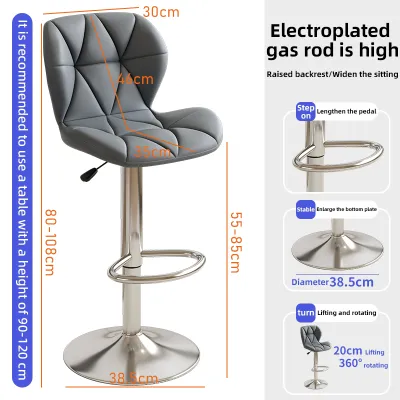
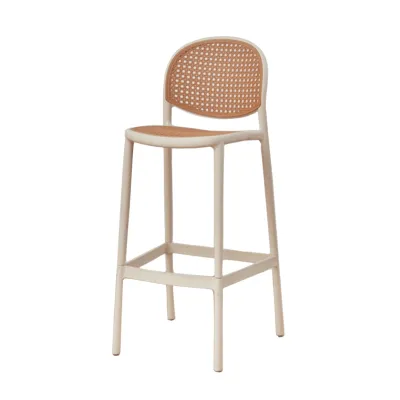
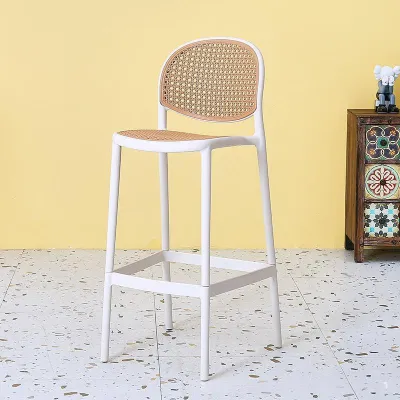

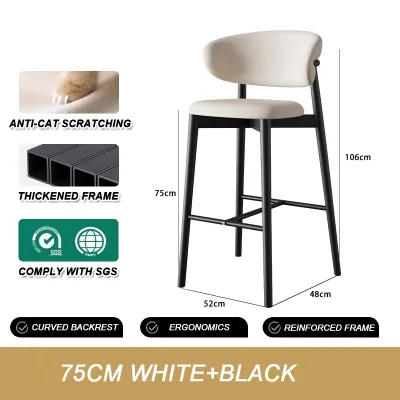
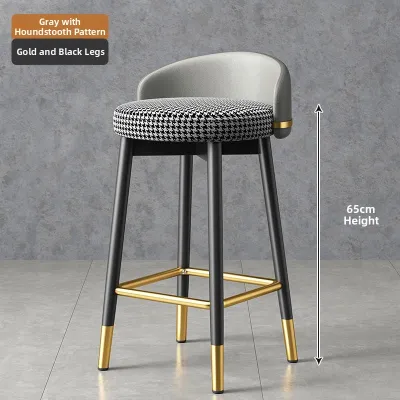
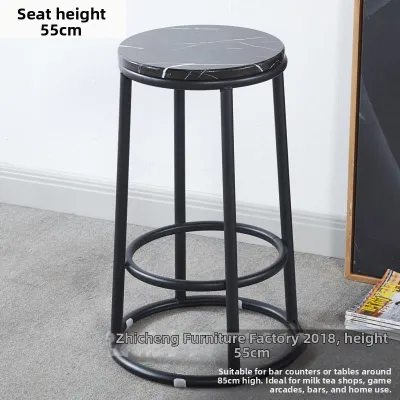
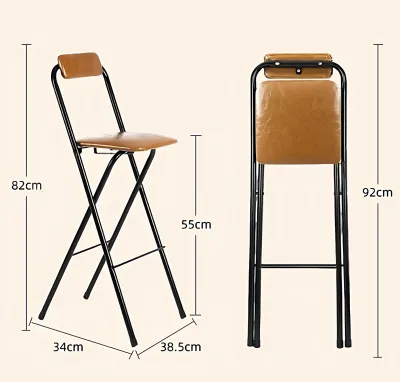
Prices are valid at publication and may change. Please refer to the product page for the latest price.
Identify the overarching theme of your home before committing to a specific chair style. For example, a kitchen featuring handleless flat-panel cabinets, quartz countertops, and polished concrete floors leans toward a sleek, modern, or minimalist aesthetic. Conversely, a space with shaker-style cabinets, warm wood accents, and open shelving suggests a rustic, traditional, or transitional theme.
It is also important to note any statement pieces or fixed architectural elements that the new seating must harmonize with. Features such as exposed brick walls, industrial light fixtures, or a distinctive range hood serve as visual anchors. Your bar chairs should either complement these elements or provide a balanced contrast that does not create visual clutter.
Additionally, consider the layout of your home. In open-concept layouts where the kitchen directly faces the living room, the bar chairs will be visible from multiple angles. This means they must coordinate not only with the kitchen island but also with the living room sofa, coffee table, and overall color scheme to maintain a harmonious flow throughout the entire living space.
Popular Bar Chair Styles and Where They Fit Best
When selecting bar chairs, you can either treat them as a seamless extension of the room’s existing theme or use them as a deliberate contrasting accent. A matching approach creates a clean, cohesive look that makes the space feel unified and calm. On the other hand, introducing a contrasting style can break up visual monotony and turn your kitchen island into an eye-catching focal point.

To make an informed decision, it helps to understand the defining characteristics of major furniture design styles. Each style utilizes specific materials, shapes, and finishes that evoke a distinct mood and interact differently with your home’s architecture. By familiarizing yourself with these styles, you can narrow down your search to options that align with your design goals.
As you explore these styles, keep in mind that many modern designs are hybrid in nature. You do not need to find a chair that fits perfectly into a single category; instead, focus on finding a piece that shares key design elements with your existing decor, such as a similar wood tone, metal finish, or geometric silhouette.
Industrial and Raw Aesthetics
Industrial bar chairs are characterized by their rugged construction, featuring elements like matte metal frames, distressed wood seats, and visible hardware such as rivets or bolts. These pieces emphasize raw, functional design and structural honesty, making them highly durable options for active households. The aesthetic is grounded in utilitarian design, often drawing inspiration from vintage factories and workshops.
This style is well-suited for lofts, modern farmhouse kitchens, or spaces with prominent brick, concrete, or exposed piping accents. The dark metal frames of industrial stools provide a strong visual anchor against light-colored kitchen islands, adding depth and texture to the room.
To prevent an industrial-themed space from feeling overly cold or clinical, balance the heavy materials with softer textiles and organic elements elsewhere in the room. Introducing indoor plants, woven placemats, or upholstered dining chairs in the adjacent dining area helps soften the hard edges of metal and concrete. You can also look for industrial stools that feature leather seat pads, which add both physical comfort and visual warmth to the metal frame.
Scandinavian and Minimalist Designs
Scandinavian and minimalist bar chairs focus on simplicity, utility, and clean, uncluttered silhouettes. These designs typically feature light-toned woods such as beech, ash, or oak, paired with simple geometric shapes and tapered legs. The emphasis is on functional beauty, avoiding unnecessary ornamentation to keep the visual weight of the furniture as light as possible.
These designs are highly suitable for compact apartments in Singapore, where maximizing visual lightness and physical space is crucial. A streamlined, low-profile stool keeps sightlines open across an open-concept kitchen and living area, preventing the space from feeling cramped or overcrowded.
To maintain the signature airy feel of Nordic design, pair these chairs with neutral color palettes, such as soft greys, whites, and muted earth tones. Ensuring the space receives ample natural light will highlight the natural wood grains and clean geometry of the furniture, creating a serene and welcoming atmosphere. If you want to add a touch of warmth, look for minimalist stools with slim, upholstered seat cushions in light wool or linen fabrics.
Mid-Century Modern and Retro Vibes
Mid-century modern bar chairs are defined by their organic curves, tapered wooden legs, and molded plywood or plastic seats. This style often incorporates retro design elements, sometimes featuring bold, saturated accent colors like mustard yellow, olive green, or warm rust. The design philosophy centers on blending organic shapes with functional, geometric structures.
These chairs work as effective focal points in otherwise neutral or highly contemporary kitchens. The organic curves of a mid-century stool break up the rigid, straight lines of standard kitchen cabinetry, adding immediate character, warmth, and historical depth to the room.
When integrating mid-century designs, ensure the wood tones complement, rather than clash with, your existing cabinetry and flooring. You do not need an exact match, but pairing clashing undertones—such as a cool grey floor with a highly orange teak chair—can create visual friction. Look for harmonious undertones to keep the design cohesive. If your kitchen has dark wood cabinets, a mid-century stool with a walnut finish and a black leather seat can create a sophisticated, integrated look.
Contemporary and Transitional Styles
Contemporary and transitional bar chairs offer a versatile design solution that bridges the gap between traditional details and modern simplicity. These chairs frequently feature a mix of materials, such as fully upholstered seats paired with sleek metal bases or polished wood legs. The silhouettes are clean and updated, yet they retain a sense of classic comfort and sophistication.
This style is highly adaptable for homes that blend multiple design influences rather than adhering strictly to a single theme. The upholstered elements provide a softer, more formal dining experience at the kitchen counter, making them ideal for long conversations over meals.
You can use your fabric choices to tie the bar chairs into your existing soft furnishings. Selecting an upholstery color or texture that mirrors your living room curtains, sofa cushions, or area rugs helps establish a unified visual flow across open-plan living and dining zones. For a subtle look, choose neutral fabrics with interesting textures, such as bouclé or woven tweed, which add depth without introducing busy patterns.
Coordinating Materials, Colors, and Finishes
Achieving a balanced look requires careful coordination of materials, colors, and finishes between your bar chairs and the surrounding room. If your kitchen features prominent wood elements, decide whether to match the wood species and stain exactly or create a deliberate contrast. For instance, placing dark walnut bar chairs against light oak cabinetry creates a striking, intentional design statement, whereas matching the wood tones exactly creates a seamless, integrated look.
Evaluate upholstery fabrics based on your specific household needs, prioritizing stain-resistant or easy-clean materials for kitchen islands. For high-traffic areas where food and drinks are served, materials like treated leather, synthetic blends, or performance fabrics are highly practical. Always check the manufacturer’s care instructions to ensure the material can withstand regular wiping and spot cleaning without degrading.
Metal finishes offer another practical opportunity for design coordination. Check that the metal elements of your bar chairs—such as brushed brass, matte black, or polished chrome—align with existing hardware like cabinet handles, light fixtures, and faucets. Matching a matte black faucet with matte black chair legs, or pairing brass cabinet pulls with brass-capped chair feet, creates a highly polished and cohesive aesthetic that ties the entire room together.
Do not overlook the texture of your countertop when coordinating finishes. A highly polished marble or quartz countertop pairs beautifully with matte or brushed metal finishes, as the contrast prevents the space from looking overly reflective. Conversely, if you have a matte concrete or wood countertop, adding a touch of polished metal can introduce a subtle, sophisticated gleam to the kitchen island.
Pre-Purchase Checklist: Dimensions and Space Planning
Before finalizing your purchase, physical compatibility must be verified to ensure comfort, safety, and functionality. Start by measuring the exact height of your counter or island from the floor to the underside of the surface. Standard kitchen counters are typically around 90 cm high, requiring counter-height stools with a seat height of 60 to 65 cm. Dedicated bar counters are usually around 105 cm high, requiring bar-height stools with a seat height of 75 to 80 cm. Ensure there is a gap of approximately 25 to 30 cm between the seat and the underside of the counter to allow adequate legroom.
Next, calculate the available width along your counter to determine how many chairs can comfortably fit without overcrowding. As a general rule, allow at least 60 to 75 cm of space for each seat, measured from the center of one chair to the center of the next. If your chosen chairs have arms or wide, splayed legs, you may need to allow even more space to ensure users can sit down and stand up without bumping into one another.
Verify the physical footprint of the chair base and check for any obstructions under the counter, such as support brackets, cabinets, or shallow overhangs. If the counter overhang is shallow, chairs with wide bases or large circular pedestals may protrude into walkways, creating tripping hazards. Ensure the chairs can slide at least partially under the counter when not in use to keep walkways clear.
Finally, review the manufacturer’s specifications for weight capacity, stability, and assembly requirements. If you are selecting chairs with complex swivel or gas-lift height adjustment mechanisms, check the assembly instructions to ensure you have the tools and space required for setup. For homes with smooth flooring, verify if the chair bases include protective glides or felt pads to prevent surface wear and noise during movement. If the chairs require self-assembly, ensure you have a flat, clean surface to assemble them on to avoid scratching the frames or seats during the process.
Frequently Asked Questions (FAQ)
Can I mix two different bar chair styles at the same counter?
Yes, mixing styles can create a highly curated and personalized look, provided there is a unifying element to prevent visual chaos. To achieve this, keep at least one design feature consistent across all chairs, such as using the same frame material or upholstery color while varying the seat shapes. Alternatively, you can use two distinct but complementary styles in an alternating pattern to establish a balanced, eclectic aesthetic.
How do I protect my kitchen island from scratches caused by bar chairs?
To protect your kitchen island and flooring from scratches, always inspect the base of the bar chairs before assembly. Many manufacturers include built-in plastic or rubber glides on the feet of the chairs. If these are missing or insufficient for your specific flooring type, apply high-quality aftermarket felt pads or silicone caps to the feet to ensure smooth, scratch-free movement.
Are backless bar chairs suitable for everyday use?
Backless bar chairs are highly functional for space-saving, as they can tuck completely under the counter when not in use, keeping walkways clear. However, they offer limited ergonomic support for extended periods of sitting. If your kitchen island doubles as a home office or primary dining area, choosing bar chairs with supportive backrests and footrests will provide greater long-term comfort.
Community discussion
Share your experience or ask a question. Comments are reviewed before publication.