
Selecting the perfect bar chair is more than just picking a seat that matches your countertop height; it is about finding a design that bridges the gap between your kitchen’s architectural features and your personal design aesthetic. Because a bar chair stands taller than standard dining seating, its silhouette, material, and visual weight have a disproportionate impact on the overall feel of your open-plan living or dining area. To make a choice that feels intentional rather than accidental, you must evaluate the dominant textures, colors, and lines already present in your home.
By analyzing your space’s physical dimensions alongside its design language, you can narrow down the vast array of options to a style that feels custom-tailored to your home. Whether you are furnishing a compact condominium kitchenette or a spacious open-concept HDB flat, selecting the right seating requires balancing visual style with structural practicality.
Quick Style Matcher: Find Your Bar Chair Aesthetic
Before browsing online catalogs or visiting showrooms, take a step back and observe the primary materials and architectural details of your room. Your walls, flooring, and countertop surfaces provide the ultimate blueprint for your seating style. For instance, if your kitchen features seamless white quartz countertops, handleless flat-panel cabinetry, and pale oak flooring, your space leans heavily toward Scandinavian or minimalist design. Conversely, if your island features concrete-look finishes, exposed metal pipes, or dark wood accents, an industrial aesthetic will feel right at home.
Products mentioned in this guide
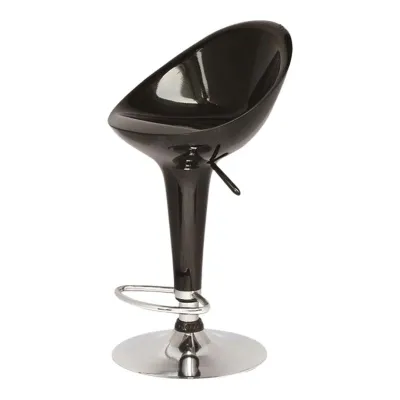
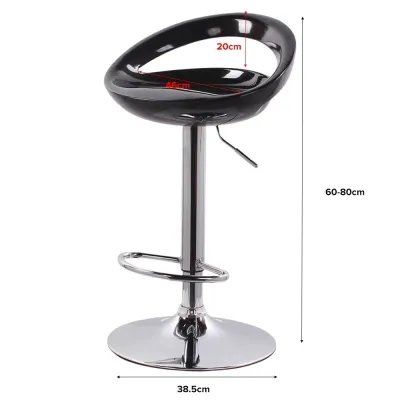
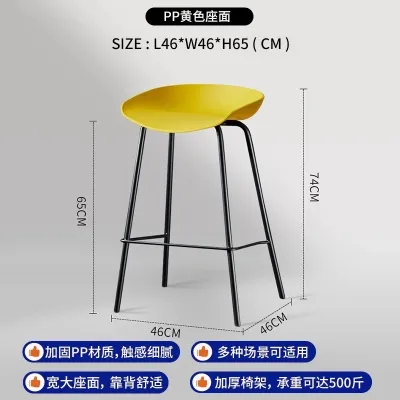
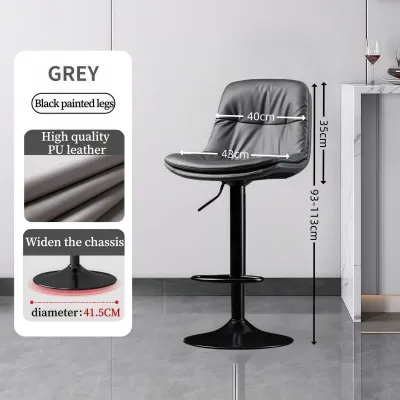
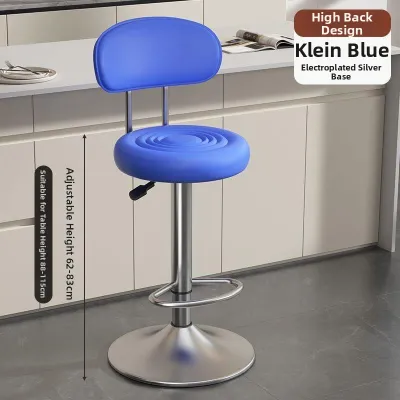
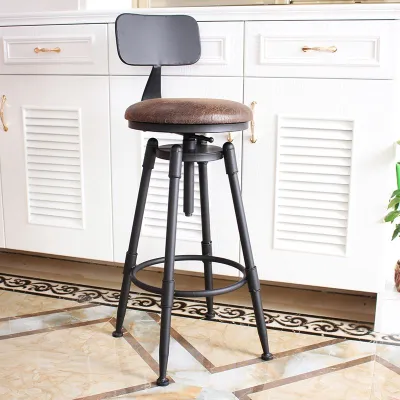
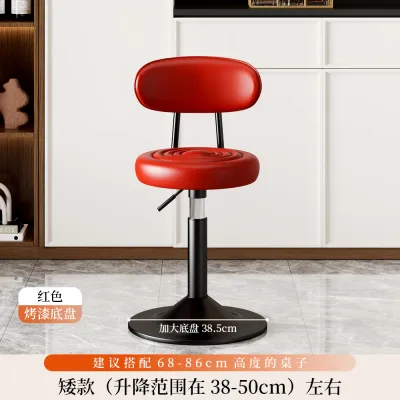
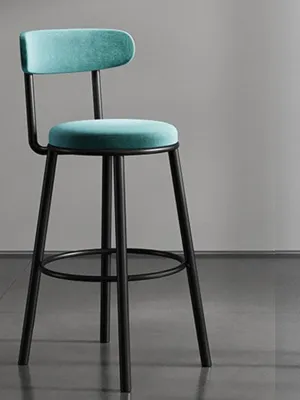
Prices are valid at publication and may change. Please refer to the product page for the latest price.
To identify your dominant visual cues, look at the largest surfaces in your kitchen and dining areas. Pay close attention to the metal finishes on your cabinet handles, light fixtures, and faucets—matching or intentionally contrasting your bar chair frames with these elements creates an immediate sense of cohesion.
Additionally, consider the visual weight of the chairs. A small, open-concept kitchen benefits from low-profile, armless bar stools that tuck completely under the counter, preserving unobstructed sightlines. A larger, dedicated bar area can easily accommodate heavier, high-backed chairs with armrests, which act as architectural anchor points in the room.
Essential Measurements and Space Checks Before Buying
While finding the right aesthetic is exciting, physical compatibility is non-negotiable for comfort and safety. The first step is to accurately measure your counter height, as this determines whether you need counter-height or bar-height seating. Standard kitchen counters and islands typically stand at 90 to 95 cm from the floor, requiring counter-height chairs with a seat height of 60 to 65 cm. Taller bar tables, custom breakfast bars, or commercial-style counters usually measure 105 to 115 cm in height, which pairs with bar-height chairs featuring a seat height of 75 to 80 cm.

To ensure comfortable seating, aim for a 25 to 30 cm gap between the top of the seat cushion and the underside of your counter. This provides ample legroom for most adults and prevents thigh compression against the counter edge.
Next, evaluate your floor space and walkway clearance. When chairs are in use, there should still be at least 90 cm of clear walkway space behind them to allow family members to pass comfortably without squeezing. Measure the depth of your counter overhang as well; a minimum overhang of 25 to 30 cm is necessary to allow the chairs to be tucked in fully when not in use, keeping your kitchen pathways clear.
If you are considering chairs with armrests, check the exact height of the armrests against the lower edge of your countertop. Armrests that are too high will prevent the chair from sliding under the counter, leaving them protruding into your living space.
Finally, verify the weight capacity listed in the manufacturer’s product specifications to ensure long-term structural safety. If your home features delicate flooring, such as natural parquet, engineered timber, or luxury vinyl tiles (LVT), check that the chair bases are equipped with non-marking floor protectors or felt pads to prevent unsightly scratches and scuffs.
Top Bar Chair Styles for Popular Interior Aesthetics
Scandinavian: Light Woods and Minimalist Lines
Visual Cues: This style is characterized by pale wood finishes like ash, beech, or light oak, paired with clean, unadorned lines. Upholstery, if present, features neutral tones, muted pastels, or textured grey fabrics that emphasize simplicity and warmth.
Ideal Home Environment: Scandinavian bar chairs thrive in bright, sunlit spaces with white or soft off-white walls, light-toned flooring, and plenty of indoor greenery. They complement kitchens that prioritize natural light and functional, clutter-free surfaces.
Shopping Checks: Look for product specifications that confirm solid wood construction or high-quality, multi-layered veneers rather than cheap particleboard. Inspect the joinery details under the seat—mortise-and-tenon joints or reinforced corner blocks indicate a highly stable frame capable of withstanding daily use.
Industrial: Raw Metals and Distressed Finishes
Visual Cues: Industrial design features heavy-duty matte black or brushed metal frames, often paired with distressed wood seats or dark, weathered leather upholstery. Exposed rivets, weld marks, and structural metal bracing are celebrated design elements.
Ideal Home Environment: This style perfectly suits urban lofts, open-plan apartments with concrete-look screed floors, exposed brick accent walls, or kitchens with dark granite countertops and black steel hardware.
Shopping Checks: Because Singapore’s tropical climate brings high humidity, raw metal frames can be prone to rust if untreated. Always verify that the metal components are powder-coated or treated with a rust-resistant finish, and check that any wooden elements are sealed with a moisture-resistant topcoat for easy cleaning.
Mid-Century Modern: Tapered Legs and Organic Curves
Visual Cues: Defined by retro warmth and geometric sophistication, this style showcases rich wood finishes like walnut or teak. Look for splayed, tapered legs, gently curved plywood backrests, and organic, body-contouring bucket seats.
Ideal Home Environment: These chairs pair beautifully with warm color palettes, vintage-inspired rugs, brass light fixtures, and kitchens featuring rich wood-grain cabinetry or terrazzo countertops.
Shopping Checks: Review the assembly instructions or product diagrams to ensure the angled, tapered legs are secured to the seat frame using heavy-duty metal mounting brackets rather than simple wood screws. If choosing upholstered versions, check the fabric composition—performance polyester or polyurethane (PU) leather blends are much easier to spot-clean than delicate natural fibers.
Contemporary: Sleek Profiles and Mixed Materials
Visual Cues: Contemporary bar chairs focus on current design trends, featuring glossy finishes, molded acrylic or polycarbonate seats, and contrasting material combinations like polished chrome paired with matte polymer.
Ideal Home Environment: This style is ideal for ultra-modern, minimalist kitchens with high-gloss acrylic cabinets, handleless drawers, integrated smart appliances, and monochromatic color schemes.
Shopping Checks: Molded plastic and acrylic surfaces are highly practical but can be susceptible to fine scratches over time. Check the manufacturer’s care instructions to ensure the materials can be cleaned without abrasive agents, and verify the base stability of single-pedestal or trumpet-style swivel bases by checking for a heavy, rubber-rimmed bottom plate.
Coastal or Bohemian: Rattan, Wicker, and Textures
Visual Cues: This aesthetic embraces a relaxed, organic feel through woven natural fibers, cane webbing backrests, and light, breezy linen or cotton cushions. The silhouettes are informal, soft, and highly textured.
Ideal Home Environment: These chairs are perfect for bright, airy, sun-drenched breakfast nooks, homes with coastal-inspired light blue or sandy color palettes, and spaces featuring natural jute rugs and layered textiles.
Shopping Checks: In humid climates, natural rattan requires regular dusting and must be kept away from direct water splashes to prevent mold growth. If your bar area is close to an open window or semi-outdoor balcony, look for high-density synthetic polyethylene (PE) wicker, which mimics the look of natural fiber but can be easily wiped clean and offers superior moisture resistance.
Material and Structural Checks for Daily Use
When finalizing your purchase, it is essential to shift your focus from purely aesthetic names to practical, verifiable product specifications. A beautiful chair is only as good as its structural integrity and ease of maintenance. Never assume that a material name alone guarantees durability; always check the manufacturer’s specifications for maximum weight limits and structural testing certifications, such as BIFMA standards for safety and stability.
Upholstery selection should align with your household’s lifestyle. For busy kitchens where meals are frequently prepped and eaten, look for upholstery labels featuring cleaning codes like “W” (clean with water-based detergent) or “S” (clean with solvent-based cleaner). Performance fabrics treated with stain-resistant coatings or high-quality synthetic leathers are highly recommended, as they allow you to wipe away accidental spills, coffee stains, or food crumbs with a damp cloth.
Pay close attention to the design of the footrest, as this is a high-wear area that takes constant pressure. Wooden footrests can quickly become scuffed or chipped by shoes; look for chairs that feature a metal protective cap or plate on the front footrest bar to preserve the wood finish. For metal frames, ensure the footrest welds are smooth and fully integrated into the main legs to prevent structural failure over time.
Lastly, carefully review the assembly requirements before ordering. Flat-packed furniture can save on shipping costs, but you must ensure you have the necessary tools and patience to assemble the pieces securely. If you prefer a hassle-free experience, verify if the retailer offers professional delivery and on-site assembly services. If choosing pre-assembled chairs, double-check that the packaged box dimensions can easily fit through your doorway and into your residential lift.
Frequently Asked Questions (FAQ)
What is the difference between counter-height and bar-height chairs?
Counter-height chairs generally feature a seat height of 60 to 65 cm and are designed to pair with standard kitchen islands or countertops that stand around 90 to 95 cm high. Bar-height chairs are taller, featuring a seat height of 75 to 80 cm, making them suitable for elevated pub tables, wet bars, or custom commercial-style countertops measuring 105 to 115 cm high. To avoid purchasing the wrong size, always measure the exact distance from your floor to the underside of your counter before placing an order, ensuring you maintain a comfortable 25 to 30 cm legroom gap.
How much space should I leave between each bar chair?
To ensure comfortable seating and easy movement, you should allocate approximately 60 to 75 cm of horizontal counter width per chair. For example, if your kitchen island is 180 cm long, you can comfortably accommodate up to three bar chairs. To calculate your space, measure the total usable length of your counter and divide it by your desired spacing. Remember to account for the widest part of the chair—which is often the base or the armrests rather than the seat cushion—to ensure the chairs do not bump into each other when rotated or tucked in.
Community discussion
Share your experience or ask a question. Comments are reviewed before publication.