
Selecting the perfect coffee table is about establishing balance, enhancing flow, and anchoring your living room’s design language. An oval coffee table presents a unique design opportunity, offering the elongated surface of a rectangle but with softened, rounded corners that invite movement. To match an oval coffee table style to your living room aesthetic, you must evaluate the dominant lines, color palettes, and visual weight of your existing furniture, then select a table style that harmonizes with those elements.
This versatile shape serves as a visual bridge, softening the harsh angles of modern sectionals while offering a safer, more fluid layout for compact homes. Whether your home leans toward the clean simplicity of Scandinavian design, the raw textures of industrial lofts, or the formal elegance of traditional interiors, the oval shape can adapt. By understanding how to read your current room’s design cues, you can confidently select an oval coffee table that feels like an intentional, seamless addition.
Diagnose Your Current Living Room Aesthetic
Before browsing online catalogs or visiting furniture showrooms, take a step back and objectively assess your existing living room. Start by observing the dominant lines of your current seating and storage furniture. If your sofa features track arms, sharp angles, and blocky legs, your room has a strong geometric foundation. Ornate furniture with rolled arms, tufted upholstery, or turned wooden legs suggests a more traditional or classic orientation. An oval coffee table can either echo these existing curves or introduce a welcome contrast to soften a highly angular room.
Products mentioned in this guide
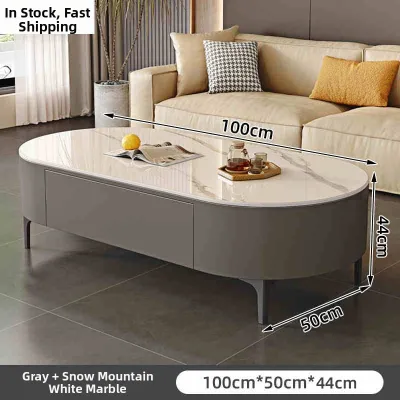
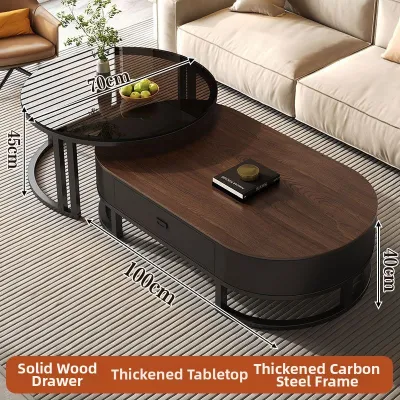
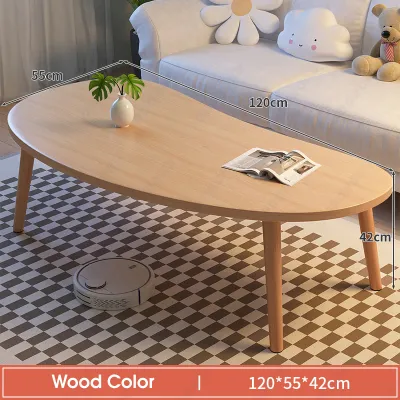
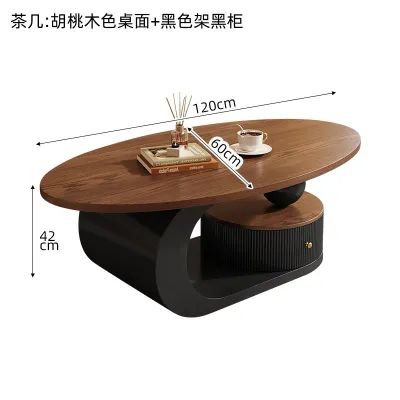
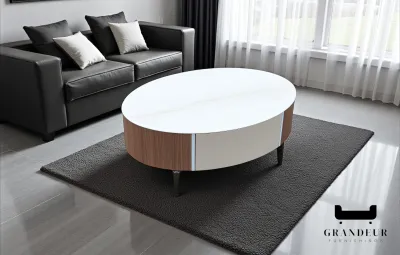

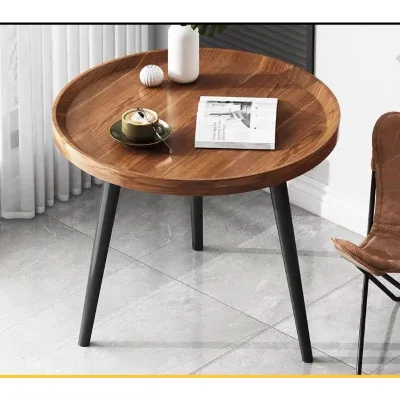
![[SG Seller]Simple Modern Solid Wood Side Table Sofa Corner Table Bedside Table Oval Coffee Tea Table](https://img.lazcdn.com/g/p/8b5b0ca2e99bc3b03d102f40ecdfb52e.jpg_400x400q80.jpg_.webp)
Prices are valid at publication and may change. Please refer to the product page for the latest price.
Next, identify the primary color palette and material finishes that define the space. Look closely at the undertones of your flooring, television console, and side tables. Warm wood tones like teak, cherry, or walnut demand a table that either coordinates with these rich hues or contrasts them cleanly with painted or metallic surfaces. If your room is dominated by cool gray tiles, matte black metal accents, or light-colored fabrics, a table with cool-toned materials like glass, marble, or ash wood will maintain visual continuity.
Finally, evaluate the visual weight of your existing furniture pieces. Visual weight refers to how heavy an object looks, which is often determined by its material, color, and ground clearance. A bulky, deep-seated leather sectional sofa has a high visual weight and requires a substantial coffee table—perhaps one with a thicker top or a solid pedestal base—to avoid looking dwarfed. Conversely, a low-profile, leggy sofa with thin cushions has a low visual weight, which is best paired with a slender, airy oval table that allows light to pass through.
Match Oval Coffee Table Styles to Your Identified Décor
The natural curves of an oval coffee table offer a unique geometric advantage. Unlike square or rectangular tables, which impose rigid boundaries, the oval shape softens a room’s overall layout and encourages a more organic flow. In typical Singapore apartments where living rooms often double as high-traffic corridors, removing sharp corners makes the space feel larger and significantly more inviting. Once you have diagnosed your room’s baseline aesthetic, you can explore how specific oval table styles align with your design goals.

Modern and Minimalist Spaces
Modern minimalist interiors prioritize open space, clean lines, and a lack of unnecessary ornamentation. In these environments, a coffee table should perform its functional duty without cluttering the visual field. Look for an oval coffee table featuring a tempered glass top or a high-gloss lacquer finish. Glass tops are particularly effective because they allow the beauty of an underlying rug to show through while reflecting natural light, making the entire seating area feel larger.
To maintain this airy feel, choose designs with slim metal frames, matte black powder-coated legs, or even a recessed plinth base that makes the table appear to float. Avoid heavy wooden drawers or chunky legs that block sightlines. A minimalist oval table should feel light, precise, and understated, letting the simplicity of its curved silhouette speak for itself.
Scandinavian and Japandi Interiors
Scandinavian and Japandi (Japanese-Scandinavian fusion) aesthetics celebrate warmth, cozy textures, and functional simplicity. These styles rely heavily on natural elements to create a calm, welcoming atmosphere. An oval coffee table crafted from light-toned woods such as white oak, ash, or beech is the perfect addition to this type of space.
Look for tables with organic, soft-edged profiles, tapered wooden legs, and matte, clear-coat finishes. These finishes protect the wood while showcasing the natural variation of the grain. Avoid tables with heavy, ornate hardware or dark, glossy stains. The ideal Scandinavian or Japandi oval table is low-profile, highly functional, and radiates a quiet, nature-inspired warmth that complements soft linen sofas and woven wool rugs.
Mid-Century Modern Rooms
Mid-century modern design is famous for its playful use of geometry, organic curves, and warm, nostalgic wood tones. If your living room features iconic tapered-leg armchairs, sunburst clocks, or retro-inspired credenzas, your coffee table should echo these classic mid-century silhouettes.
An oval table in a rich walnut or teak finish is a quintessential choice for this aesthetic. Look for design details like classic hairpin legs made of black iron, or a sculptural wooden base that mimics the architectural designs of the 1950s and 1960s. Some mid-century oval tables also feature integrated slatted magazine racks underneath, combining retro style with practical storage. The warm wood tones and expressive grain patterns of walnut or teak will instantly anchor your seating area with vintage character.
Industrial and Urban Lofts
Industrial design embraces raw, unrefined materials, exposed structural elements, and a moody, textured color palette. If your home features concrete screed floors, exposed brick walls, or matte black steel accents, your coffee table should reflect this rugged, urban sensibility.
For an industrial aesthetic, choose an oval coffee table that pairs a textured top with a heavy metal base. Reclaimed wood tops with visible knots and weathering, concrete-look composites, or even distressed metal surfaces work exceptionally well. A sturdy frame made of blackened steel, iron pipes, or textured powder-coated metal provides the necessary structural contrast. The oval shape is particularly useful in industrial spaces, as it injects a touch of organic softness into an environment that can otherwise feel overly cold and linear.
Traditional and Classic Settings
Traditional and classic living rooms are built on symmetry, formal layouts, and refined decorative details. In these spaces, furniture is expected to feel substantial, elegant, and timeless. A flimsy or ultra-minimalist table will feel out of place against rich fabrics like velvet or brocade and classic architectural moldings.
To match a traditional aesthetic, select an oval coffee table crafted from dark-stained woods like mahogany, cherry, or dark oak. Look for elegant design details such as bevelled tabletop edges, fluted legs, or a beautifully carved pedestal base. A polished marble or travertine top paired with a warm brass or antique bronze frame also fits beautifully, adding a sense of old-world luxury. The table should have a grounded, stable presence that acts as a formal centerpiece for your seating arrangement.
Verify Spatial Flow and Proportions Before Buying
While finding the right aesthetic style is exciting, a coffee table must also function flawlessly within your physical space. Before finalizing your purchase, you must verify that the table’s finished dimensions align with your living room’s layout. Start by measuring the distance between the front edge of your sofa and the planned location of the coffee table. To ensure comfortable legroom and easy walking clearance, aim for a gap of 35 to 45 centimeters. Anything less will make the seating area feel cramped, while a larger gap makes it difficult to reach the table comfortably.
Next, consider the height of the coffee table relative to your sofa’s seat cushions. For optimal ergonomics and visual balance, the tabletop should sit at the same height as your sofa’s seat cushions, or up to 5 centimeters lower. If you choose a table that is significantly taller than your sofa cushions, it will disrupt the sightlines of the room and feel awkward when you set down a drink. Conversely, an excessively low table requires you to bend over uncomfortably to reach your items.
The oval shape offers a distinct advantage when managing spatial flow, especially in compact or narrow living rooms. Because an oval lacks the sharp, protruding corners of a square or rectangular table, it naturally reclaims valuable floor space along your walkways. This curved profile allows family members and guests to navigate around the seating area smoothly, reducing the risk of painful shin bumps in high-traffic zones.
Finally, do not overlook the logistics of delivery and installation, which can be particularly challenging in high-rise apartments and condominiums in Singapore. Before ordering, measure the height, width, and diagonal clearance of your front door, hallway corners, stairwells, and lift doors. A large, solid-stone oval table or a fully assembled wooden design with a substantial single-piece top can easily exceed the physical limits of standard residential lifts. Check the manufacturer’s packaging dimensions and assembly conditions carefully. If the table arrives fully assembled, you must be absolutely certain it can navigate every corner from the delivery truck to your living room.
Align Material Choices with Your Daily Maintenance Reality
Every material comes with its own set of care requirements, and matching your coffee table to your lifestyle is just as important as matching it to your decor. If your household includes young children, active pets, or frequent dinner guests, your material choice should reflect your willingness to perform daily maintenance.
Glass and acrylic surfaces are highly valued for their modern, light-enhancing qualities, but they are notorious for showing fingerprints, dust, and water smudges. If you opt for a glass-topped oval table, be prepared to wipe it down regularly with a microfiber cloth and a dedicated glass cleaner. Additionally, ensure the glass is tempered for safety, which reduces the risk of sharp shards in the event of an accidental impact.
Wooden tables bring unmatched natural beauty and warmth, but they require careful protection against moisture and heat. Before buying, check the manufacturer’s care instructions to see what type of finish has been applied. A polyurethane finish offers decent water resistance, while oil-rubbed or waxed woods are much more delicate and prone to water rings. Regardless of the finish, make it a habit to use coasters under cold drinks and trivets under hot mugs to prevent permanent surface damage.
Natural stone tops, such as marble or travertine, offer an elegant, high-end look but are highly porous. Acidic spills from coffee, tea, or citrus juices can quickly etch the surface, leaving dull spots that are difficult to remove. Check if the stone has been treated with a protective sealer, and plan to reapply a penetrating sealer periodically to maintain its stain resistance. For a low-maintenance alternative that still offers the look of stone, consider sintered stone or engineered quartz, which are non-porous, highly scratch-resistant, and require no periodic sealing.
Ultimately, the rounded edges of an oval coffee table make it an inherently safer and more forgiving choice for busy households. By eliminating sharp corners at toddler-eye level or pet-tail height, you create a safer living environment. Always consult the manufacturer’s specific care labels and guidelines before applying any cleaning products, ensuring your chosen material remains beautiful for years to come.
Frequently Asked Questions (FAQ)
How do I center an oval coffee table on a rug?
To center an oval coffee table on an area rug, align the longest axis of the table with the center point of your main sofa. The rug itself should be large enough so that the front legs of the sofa and any flanking armchairs rest securely on top of it. This arrangement visually frames the oval table, anchoring it as the central focal point of the seating group rather than letting it appear to float aimlessly in the room.
Can I mix an oval coffee table with a rectangular dining table in an open-concept space?
Yes, mixing geometric shapes is a highly effective design strategy in open-concept living and dining areas. Introducing the curved lines of an oval coffee table helps break up the rigid, linear feel of a rectangular dining table, creating visual variety and clearly defining the living zone as a place of relaxation. To ensure the two zones still feel cohesive, look for a shared design element, such as matching wood species, similar metal hardware finishes, or a consistent color palette across both pieces of furniture.
Community discussion
Share your experience or ask a question. Comments are reviewed before publication.