
Finding the right seating for your dining space or kitchen counter is more than just a matter of utility; it is a fundamental step in establishing your home’s design narrative. In modern homes, the dining area has evolved from a closed-off room into a multi-functional hub where family members gather to work, cook, and socialize. When selecting a wooden stool chair, the challenge lies in balancing physical proportions with visual harmony. The ideal seating must not only fit physically under your counter but also seamlessly echo the textures, lines, and tones of your surrounding interior design theme.
Because wood is an organic material, it possesses an inherent warmth and versatility that synthetic materials cannot match. However, this versatility means that a single timber species can look completely different depending on its cut, finish, and structural silhouette. By understanding the core design principles of popular interior aesthetics, you can make an informed decision that elevates your dining space from a simple eating area into a curated design statement.
Essential Sizing and Comfort Standards for Dining Stools
Before exploring the aesthetic nuances of timber and grain, establishing the correct physical proportions is essential for daily usability. The distinction between counter-height and bar-height stools is a frequent source of confusion during home furnishing. Counter-height stools typically feature a seat height of 60 to 65 cm (24 to 26 inches) and are designed to pair with kitchen islands or counters that stand roughly 90 cm high. Bar-height stools, on the other hand, have a taller seat profile of 75 to 80 cm (30 to 32 inches), making them suitable for elevated bars or commercial-height counters measuring around 100 to 105 cm from the floor.
Products mentioned in this guide
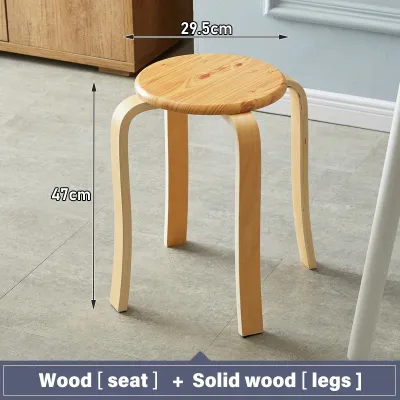
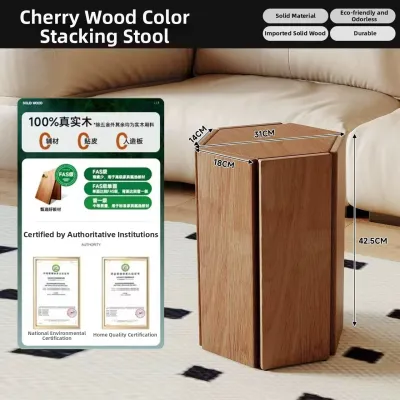
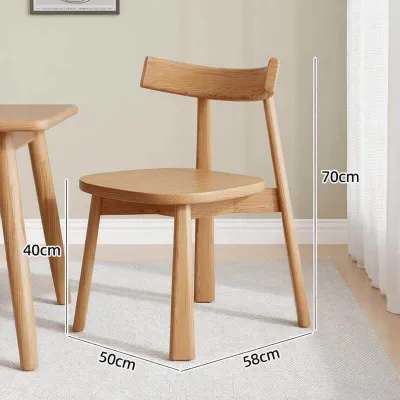
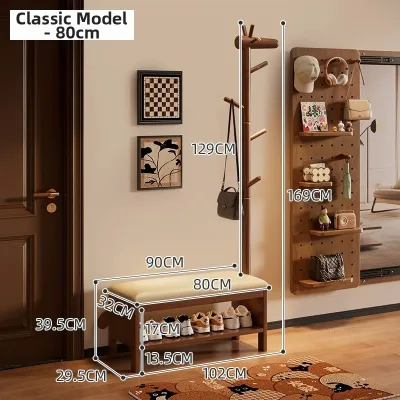
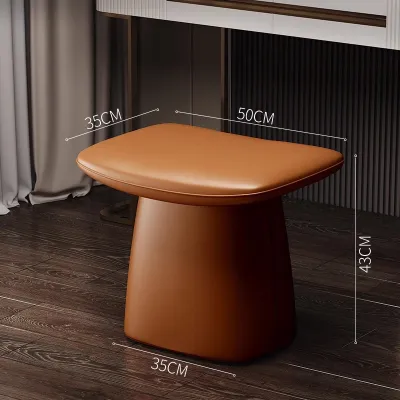
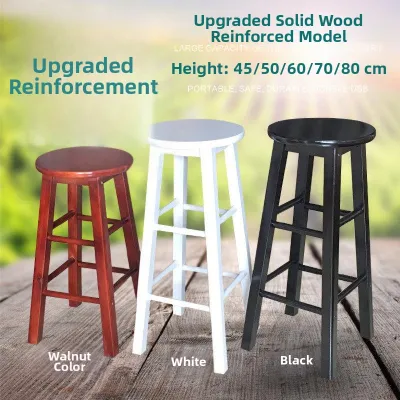
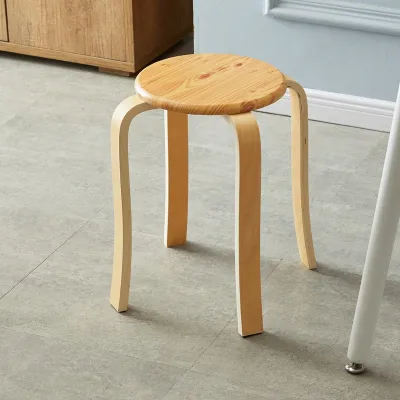
Prices are valid at publication and may change. Please refer to the product page for the latest price.
To ensure comfortable seating, aim for a clearance of 25 to 30 cm between the top of the stool seat and the underside of your dining surface. This gap provides sufficient legroom for most adults while maintaining an ergonomic posture. Failing to account for this clearance can result in a cramped seating experience, particularly if your counter features a thick stone slab, a drop-down edge, or an under-counter support apron. Always measure from the floor to the absolute lowest point of the counter’s underside, rather than the top surface, to get an accurate clearance baseline.
Seat depth and width are equally critical for comfort during extended meals or working sessions. A standard dining chair typically offers a seat width of 40 to 50 cm, and stools should ideally match this range if they are intended for primary dining use. Compact, backless stools often have smaller seats of 30 to 35 cm, which are excellent for saving space but may feel restrictive over long periods. If your household frequently hosts long dinners, prioritizing a wider, slightly contoured seat will significantly enhance comfort.
The presence of a footrest is another key ergonomic element that is often overlooked. Because a stool elevates the body, feet cannot rest flat on the floor; a sturdy footrest provides the necessary structural support to relieve pressure on the thighs. Beyond ergonomics, the design of the footrest influences the visual weight of the furniture. A low, thick wooden rung adds a sense of grounded stability, whereas a minimalist metal bar keeps the profile airy and light. Ensure that the footrest height feels natural for your height and matches the stool’s overall structural integrity.
Matching a Wooden Stool Chair to Your Dining Room Aesthetic
Wood is an incredibly versatile material, but its visual impact changes dramatically depending on the cut, stain, and silhouette. Matching a wooden stool chair to your interior design theme requires a careful examination of these design details.

Scandinavian and Japandi: Minimalist and Warm
The Scandinavian and Japandi design movements prioritize simplicity, functionality, and a deep appreciation for natural elements. To complement these styles, select stools crafted from light-toned woods such as ash, beech, or white oak. These species feature subtle, fine grain patterns that help maintain a bright, open, and airy atmosphere in the dining room.
Look for silhouettes characterized by clean, straight, or gently tapered legs that avoid any heavy ornamentation or bulky framing. The joinery should be clean and seamless, reflecting the craftsmanship of Nordic design. For a Japandi aesthetic, which blends Scandinavian minimalism with Japanese wabi-sabi principles, look for matte finishes that celebrate natural imperfections and raw wood grain rather than high-gloss lacquers.
When choosing between styles, keep in mind the classic trade-off of backless designs. Backless wooden stools are highly space-efficient because they can be tucked completely out of sight beneath the counter, maintaining clean sightlines. However, they lack the back support required for long, leisurely dining sessions. If comfort is your priority, look for low-profile, curved wooden backrests that offer support without disrupting the minimalist silhouette.
Industrial: Raw, Structured, and Mixed Materials
Industrial interiors thrive on contrast, showcasing raw, utilitarian materials alongside structural elements. To match this rugged aesthetic, look for wooden stools that feature distressed finishes, reclaimed timber, or deep, rich stains like dark walnut or charred oak. These finishes highlight the natural knots, cracks, and weathering of the wood, adding immediate character to the space.
A hallmark of industrial design is the combination of wood and metal. Stools that pair solid timber seats with matte black iron, brushed steel, or distressed copper frames create a striking visual anchor. The metal elements provide structural strength, while the warmth of the wood prevents the space from feeling overly cold or clinical.
Pay close attention to structural details such as exposed joinery, heavy-duty rivets, or thick, blocky seat profiles. These elements emphasize the craftsmanship and functional nature of the piece. Avoid delicate, highly polished, or overly refined wood finishes, as they will clash with the unpolished, urban character of an industrial-themed home.
Traditional and Classic: Elegant and Detailed
Traditional and classic dining spaces rely on a sense of history, symmetry, and formal elegance. For these environments, rich, dark hardwoods such as mahogany, cherry, or deep walnut are the ideal choices. These dense woods convey a sense of permanence, warmth, and heritage that lighter timbers cannot replicate.
Look for furniture styles that showcase classic woodworking techniques. Turned legs, elegant cabriole curves, carved aprons, and spindle or ladder-back backrests are all hallmarks of traditional design. These detailed elements add visual texture and a sense of luxury to the dining area, making the stools feel like heirloom pieces.
To enhance comfort and elevate the formal look, consider stools that integrate subtle upholstery, such as high-quality leather or textured linen seat pads. These materials soften the hard timber surface while adding another layer of classic texture. When selecting your stools, ensure the wood stain either matches your existing dining table precisely or offers an intentional, elegant contrast to avoid a mismatched appearance.
Mid-Century Modern: Retro and Organic Curves
Mid-century modern design is celebrated for its organic shapes, clean lines, and playful retro sensibility. To capture this look, prioritize warm wood tones such as teak, walnut, or rosewood. These timbers offer a characteristic golden-brown hue that brings a cozy, nostalgic warmth to any dining space.
Identify stools featuring splayed, tapered legs, which are a signature element of the mid-century aesthetic. Curved plywood seats and floating backrests are also common, showcasing the innovative manufacturing techniques of the mid-20th century. These organic curves help soften the rigid, straight lines often found in modern kitchen islands and rectangular dining tables.
The visual lightness of mid-century modern stools makes them highly suitable for smaller spaces. Their slender legs and open frames allow light to pass through, preventing the dining area from looking cluttered or heavy. This design direction is perfect for homeowners who want functional seating that retains a sense of spaciousness.
Adapting Wooden Stools for Singapore Homes and Climates
Designing a dining space in Singapore requires balancing aesthetic preferences with local spatial and environmental realities. With many residents living in HDB flats or condominiums, space optimization is often a primary consideration. In compact layouts, choosing armless, backless, or stackable wooden stools is a highly practical strategy. These designs can be tucked entirely under the kitchen island or dining counter when not in use, keeping walkways clear and maximizing floor space.
The local climate also poses unique challenges for solid wood furniture. Singapore’s high relative humidity, combined with the frequent use of air-conditioning, creates a fluctuating indoor environment. Rapid shifts between hot, humid air and cool, dry air can cause solid timber to expand and contract. Over time, this movement increases the risk of warping, cracking, or joint separation. Furthermore, placing wooden furniture directly under or near air-conditioning vents can dry out the timber too quickly, leading to structural damage.
To protect your wooden stools, implement a few simple maintenance habits. Keep stools away from direct sunlight, which can fade the finish and dry out the wood. If your dining area is highly humid or poorly ventilated, using a dehumidifier can help stabilize the indoor environment. Always check the treated item’s manufacturer instructions and the applied product’s label before applying any sealants or conditioners. Periodically applying a suitable wood conditioner or high-quality wax can help lock in moisture and protect the surface from spills.
If you are concerned about the maintenance of solid wood, high-quality engineered wood or wood veneers present a viable alternative. Engineered wood is constructed in layers, making it highly stable and resistant to warping caused by humidity fluctuations. It is often a more budget-friendly option for Singapore homes. However, there is a trade-off: engineered wood and veneers generally have a shorter lifespan than solid wood and cannot be easily sanded down and refinished if they become scratched or damaged. Weigh these factors carefully based on your budget and long-term expectations.
Quick Reference: Wood Tones and Their Ideal Design Styles
Choosing the right wood type is the first step in aligning your seating with your home’s aesthetic. The table below outlines how common wood species and finishes correspond to different interior design styles.
| Wood Type / Finish | Color Profile | Grain Character | Best Matched Styles |
|---|---|---|---|
| Ash / Maple | Light cream to pale straw | Subtle, fine, and straight | Scandinavian, Japandi, Modern |
| Oak | Light to medium brown | Prominent, coarse, and wavy | Farmhouse, Transitional, Rustic |
| Teak | Golden brown to warm honey | Straight, oily texture | Mid-Century Modern, Japandi |
| Walnut / Mahogany | Deep chocolate to rich reddish-brown | Elegant, swirling, and dense | Traditional, Classic, Industrial |
While the natural characteristics of the wood species provide a solid foundation, the applied finish can significantly alter its final appearance. For example, a matte or oil finish keeps the wood looking raw and natural, which is ideal for Scandinavian or Japandi spaces. Conversely, a high-gloss lacquer or a dark stain can transform a simple piece of oak into something suitable for a classic or industrial setting. Always verify the finish of the stool to ensure it aligns with your design goals.
Frequently Asked Questions (FAQ)
How do I measure the correct height for a kitchen island or dining counter?
To find the correct stool height, measure from the floor to the absolute underside of your counter or island, rather than the top surface. This accounts for any thick countertops or support aprons. Once you have this measurement, subtract 25 to 30 cm (10 to 12 inches) to determine the ideal seat height of your stool. This gap ensures comfortable legroom and an ergonomic seating posture.
Is it okay to mix different wooden stool styles in the same dining space?
Yes, mixing stool styles can add visual interest, but it requires a unifying element to prevent the space from looking chaotic. You can mix different silhouettes as long as they share a consistent wood tone, seat height, or metal hardware finish. This approach works best in larger, open-plan dining areas where the design variation feels deliberate and curated rather than accidental.
Do wooden dining stools need seat cushions for daily use?
Flat, solid wooden seats are perfectly suitable for quick meals, morning coffee, or short tasks. However, for extended dining sessions or working from home, a hard surface can become uncomfortable. If you plan to use the stools daily for long periods, consider adding thin, high-density foam cushions or choosing stools with ergonomically contoured wooden seats to improve comfort without sacrificing style.
Community discussion
Share your experience or ask a question. Comments are reviewed before publication.