
A wooden coffee table serves as the anchor of a living room, bridging the gap between seating and surrounding decor. Finding the right style requires balancing your existing design theme, the physical dimensions of your space, and the practical characteristics of different wood species and finishes. By analyzing your room’s layout, lighting, and dominant furniture pieces, you can select a wooden coffee table that feels intentional rather than accidental.
Assess Your Current Living Room Aesthetic
Before browsing designs, identify the dominant theme of your living room. Whether you live in a minimalist apartment, a contemporary condominium, or a cozy, eclectic space, your coffee table should support that established environment. Look closely at your largest furniture pieces, particularly your sofa and media console. If your sofa features clean, straight lines and neutral fabric, it provides a highly versatile backdrop; a plush, rolled-arm sofa, on the other hand, suggests a more traditional or transitional direction.
Next, analyze the textures and materials already present in the room. Metal accents, exposed brick, or concrete elements lean industrial, while soft linens, woven rugs, and indoor plants point toward Scandinavian or biophilic design.
Products mentioned in this guide

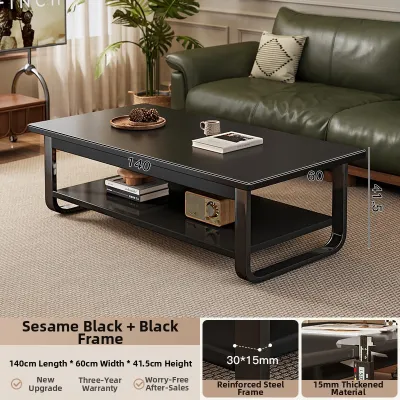
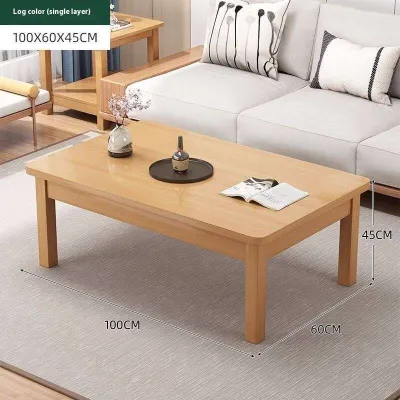

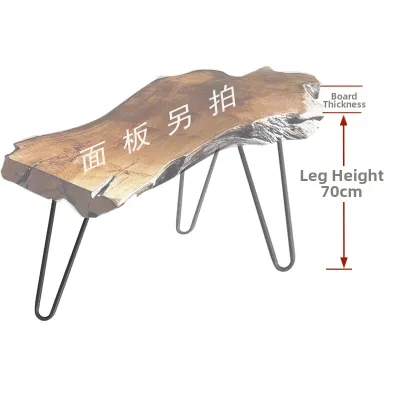
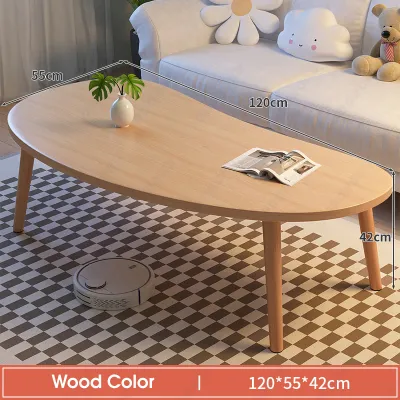
![CraftedLiving SG-Tea table mall Apartment Light Luxury New Style Glass Balcony2025Living Room Tea Table for Home with a Sense of Sophistication]Collection of Minimalist Solid Wood Coffee Tables](https://img.lazcdn.com/g/p/31010f500897e3e452614f1f1a25830b.jpg_webp_400x400q80.jpg_.webp)
![[3S FURNITURE] Stylish Lightweight Coffee Bed Side Table with Pine Wood Table Leg (6 Months Local Warranty)](https://img.lazcdn.com/g/p/8114c6cc9f8d167c664dbce77b09ff53.png_400x400q80.png_.webp)
Prices are valid at publication and may change. Please refer to the product page for the latest price.
Finally, evaluate the room’s color palette and natural light. Bright, tropical daylight can make dark wood tones appear rich and dramatic, but in smaller or poorly lit corners, those same dark tones might feel heavy and imposing. Note whether your walls and floors have warm or cool undertones, as this will dictate your wood selection.
Match Wood Tones and Finishes to Your Decor
Wood tones carry distinct visual weights that influence how spacious a room feels. Light woods like ash, beech, or light oak reflect more light, making them excellent choices for compact living rooms or spaces with limited natural illumination. Darker woods, such as walnut or deep teak, absorb light and command attention, anchoring a large seating area but potentially overwhelming a tight layout.

The finish of the wood determines both its aesthetic impact and its daily maintenance. A matte finish offers a modern, organic look that excels at hiding minor dust and fingerprints, making it highly practical for busy households. Satin finishes provide a subtle, soft sheen that works across almost any style, while high-gloss lacquers deliver a formal, dramatic effect but require frequent polishing and are highly sensitive to scratches.
When coordinating with existing wooden elements, such as parquet flooring or built-in cabinetry, aim for deliberate contrast or a close match. Placing a medium-oak coffee table directly on a medium-oak floor can create a muddy, undefined look. Instead, pair a light oak table with dark flooring, or use a contrasting area rug to visually separate the table legs from the floor beneath.
Evaluate Table Shapes and Proportions for Your Space
The shape of your coffee table should complement your seating configuration. For L-shaped sectionals, a round or square wooden coffee table fits neatly into the natural nook created by the chaise. For standard three-seater sofas, a rectangular or oval table mirrors the elongated seating area, ensuring everyone can reach the surface comfortably. Oval and round tables are particularly useful in tight layouts, as their lack of sharp corners eases movement.
Clearance is critical for comfortable traffic flow. Maintain a distance of approximately 30 to 45 centimetres between the edge of the coffee table and the front of the sofa. This provides ample legroom while keeping drinks and books within easy reach. Additionally, ensure there is at least 60 to 75 centimetres of clearance between the table and other major furniture pieces, like a TV console, to allow comfortable walking paths.
Height is the final ergonomic factor. As a general rule, the top of your wooden coffee table should sit level with or up to 5 centimetres below the top of your sofa’s seat cushions. A table that is too high disrupts the visual line of the room and makes reaching down awkward, while an excessively low table can feel impractical for daily use.
Align Design Details with Popular Interior Styles
Beyond the wood species itself, the structural details of a coffee table—such as leg shapes, joinery, and integrated hardware—define its stylistic identity. These subtle elements transform a simple piece of timber into a design statement that reinforces your chosen interior theme.
Scandinavian and Minimalist Spaces
Scandinavian design prioritizes simplicity, functionality, and light. Look for wooden coffee tables crafted from light-toned woods like ash, pine, or pale oak. These tables typically feature slender, tapered legs, soft organic curves, or clean geometric forms. Storage is kept to a minimum, often utilizing hidden drawers or a single open shelf to maintain an uncluttered, airy appearance that maximizes the perception of space.
Industrial and Rustic Environments
For spaces that embrace raw textures and vintage charm, industrial and rustic tables offer robust character. These designs often showcase reclaimed wood with visible grain patterns, knots, and distressed finishes that celebrate natural imperfections. They frequently incorporate matte black metal frames, heavy iron hardware, and chunky, block-like proportions that provide a grounded, substantial presence in the room.
Mid-Century Modern and Contemporary Rooms
Mid-century modern aesthetics rely on rich, warm wood tones like walnut, teak, or cherry. Look for tables with iconic design markers: splayed or peg legs, gently curved surfboard shapes, or asymmetrical organic silhouettes. Contemporary interpretations might feature sleek, blocky plinth bases or mixed-material tops, combining rich wood grains with subtle glass or stone inserts to create a sophisticated focal point.
Practical Checks Before You Buy
Before finalizing your purchase, verify the logistics of bringing the table into your home. Measure your doorways, corridors, stairwells, and especially the lift dimensions if you live in a high-rise apartment or condominium. A beautiful solid wood table is of little use if it cannot clear the elevator doors or navigate a tight hallway turn.
Assess the maintenance requirements against your lifestyle. Check the manufacturer’s specifications regarding the finish; some oils and waxes require periodic reapplication to maintain moisture resistance, while polyurethane coatings offer a durable barrier against spills. In humid climates, ensuring the wood is properly sealed is essential to prevent warping or swelling over time.
Consider household safety and stability. If you have young children or active pets, prioritize tables with rounded edges and sturdy, wide-set bases that resist tipping. Avoid delicate, top-heavy designs or sharp-cornered rectangular tables in high-traffic zones where accidental bumps are common.
Frequently Asked Questions (FAQ)
Can I mix different wood tones in the same living room?
Yes, mixing wood tones adds depth and character to a room, provided you follow a few basic guidelines. Keep the undertones consistent; for example, pair warm woods like teak and walnut together, or stick to cool, grey-toned woods. To prevent visual chaos, limit your space to two or three dominant wood tones, and use a neutral area rug to create a visual buffer between different wood pieces, such as a dark coffee table on light parquet flooring.
How high should a wooden coffee table be compared to the sofa?
Your wooden coffee table should ideally be the same height as your sofa’s seat cushions, or slightly lower by up to 5 centimetres. This height range ensures comfortable ergonomics, allowing you to easily set down a cup or reach for items without straining. It also maintains a balanced visual profile across your seating area, keeping the sightlines open and clean.
Community discussion
Share your experience or ask a question. Comments are reviewed before publication.