
Selecting the perfect side board cabinet for your home is a balancing act between functional storage and visual harmony. In Singapore’s diverse residential spaces, from compact HDB flats to modern condominiums, a side board cabinet often serves as a multi-functional anchor in the dining or living area. To find a style that seamlessly integrates with your existing interior design, you must look beyond the individual beauty of the piece and evaluate how its lines, materials, and proportions interact with your current furniture. By matching the visual weight and design language of your room, you can transform a simple storage unit into a cohesive design statement.
Identify Your Existing Interior Design Theme
Before browsing online marketplaces or visiting local showrooms, take a step back to analyze the dominant design elements already present in your room. Begin by observing the shapes of your existing furniture, such as your dining table, chairs, and sofa. Note whether these pieces feature clean, straight lines and sharp angles, or if they lean toward ornate, curved details and soft silhouettes. This structural language dictates whether your space leans modern or traditional.
Next, identify the dominant color palette and material finishes that define the room. Take note of the primary wood tones, metal finishes, and surface textures. For instance, a room filled with light oak and matte textures presents a very different design foundation than one featuring dark walnut, polished marble, or high-gloss lacquered surfaces. Matching or intentionally contrasting these finishes is key to a successful integration.
Products mentioned in this guide
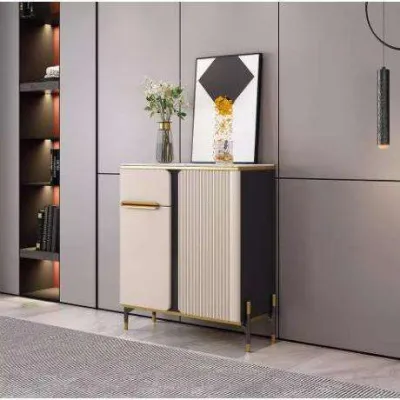

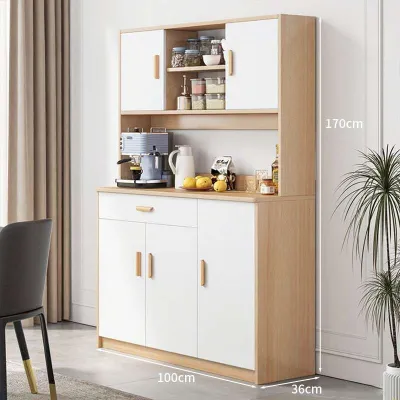
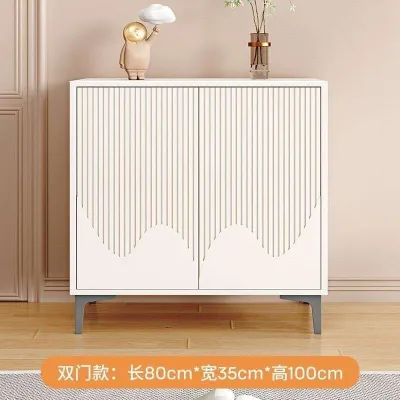
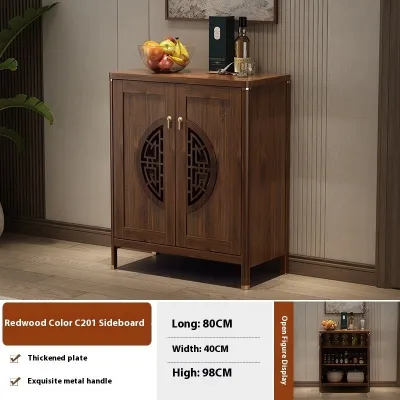
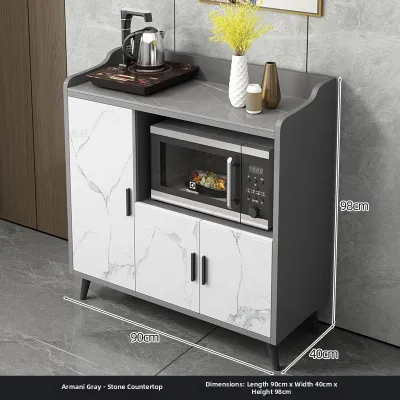
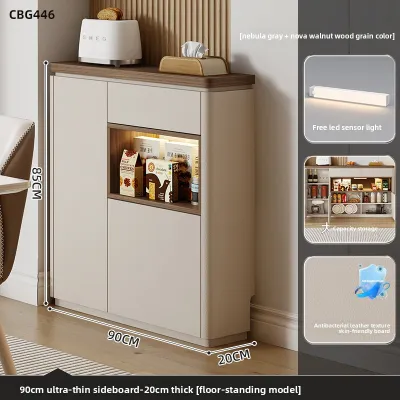
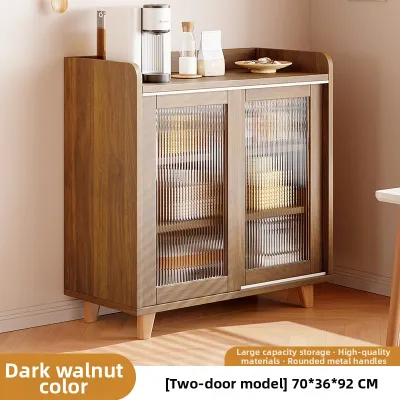
Prices are valid at publication and may change. Please refer to the product page for the latest price.
Finally, assess the overall atmosphere of your living or dining area. Determine if the space feels intentionally clutter-free and spacious, warm and cozy, raw and industrial, or formal and structured. Understanding this ambient character helps you select a side board cabinet that reinforces the existing mood rather than disrupting it.
Match Sideboard Cabinet Styles to Your Decor
Achieving a balanced look requires matching the visual weight and material continuity of your new side board cabinet with the rest of your furniture. Visual weight refers to how heavy or light a piece appears based on its color, material, and base design. A bulky, solid-to-the-floor cabinet will feel much heavier than a unit raised on slender legs, making it crucial to choose a style that aligns with your room’s spatial dynamics.

Modern and Minimalist Interiors
For homes that embrace a sleek, uncluttered aesthetic, look for a side board cabinet characterized by handle-less doors, flat panels, and seamless push-to-open mechanisms. These features maintain a clean facade that blends effortlessly into the wall. High-gloss or ultra-matte finishes work exceptionally well in modern spaces, reflecting light or absorbing it to create a sophisticated, low-profile look.
Color choices should lean toward neutral tones such as crisp white, deep charcoal, or muted grey. If you prefer a bolder look, select a solid accent color like navy or forest green, ensuring the cabinet does not rely on heavy patterns or intricate grain variations.
Additionally, verify that the cabinet profile is low and streamlined. A low-slung side board cabinet preserves open sightlines across your dining or living room, which is particularly beneficial for maintaining an airy feel in open-plan HDB or condo layouts.
Scandinavian and Japandi Spaces
If your home features the warm, organic simplicity of Scandinavian or Japandi design, prioritize light-toned woods. When shopping, check the manufacturer’s material labels for actual wood types or high-quality veneers such as white oak, ash, or light birch. These materials bring a natural warmth and texture that defines these design movements.
Look for design details like tapered legs, simple wooden handles, and organic textures such as woven rattan or slatted wood door panels. These elements add tactile interest without overwhelming the senses, keeping the overall look grounded and inviting.
Ensure the side board cabinet emphasizes everyday functionality and clean craftsmanship. Avoid heavy ornamentation or glossy finishes, opting instead for matte, protective topcoats that highlight the natural beauty of the wood grain while offering practical durability for daily use.
Industrial and Urban Lofts
For spaces that celebrate raw, structural elements, seek out side board cabinets that combine reclaimed-look wood finishes with dark metal frames. The contrast between warm, textured wood and cold, black powder-coated steel perfectly captures the edgy, urban loft aesthetic.
Check for design details such as exposed hardware, visible rivets, wire mesh door inserts, or distressed surface treatments. These features add character and a sense of history to the piece, making it a striking focal point against brick, concrete, or dark-painted walls.
Because industrial furniture often carries significant physical weight, verify the structural stability and weight capacity from the product manual. This is especially important if you plan to place heavy items, such as a television, large ceramic vases, or a collection of books, on top of the cabinet.
Mid-Century Modern and Traditional Homes
For homes with a mid-century modern influence, look for side board cabinets featuring warm walnut or teak finishes, iconic angled peg legs, and geometric door patterns or gently curved corners. These retro-inspired elements bring a sense of nostalgia and architectural interest to your dining space.
If your home leans toward traditional elegance, focus on classic details such as detailed woodwork, raised-panel doors, and traditional brass or bronze hardware. Richer, darker wood stains like mahogany or cherry complement the formal, symmetrical layout of traditional dining rooms.
Regardless of which classic style you choose, always cross-reference the manufacturer’s care instructions for specialized wood finishes. Traditional veneers and solid woods often require specific cleaning routines and protection from direct sunlight or moisture to maintain their luster over time.
Key Design Elements to Check Before Buying
Before finalizing your purchase, it is essential to evaluate the physical and visual compatibility of the side board cabinet with your specific room layout. Start by measuring your available wall space carefully. Beyond the wall width, check the clearance paths for doors, drawers, and walkways to ensure the cabinet does not obstruct movement. In Singapore, where apartment layouts can be compact, verifying delivery route dimensions—including HDB or condo lift doors, tight corridor corners, and stairwells—is critical to avoiding delivery-day complications.
Next, compare the height of the side board cabinet with your existing dining table or nearby display shelves. A sideboard that is too tall can dwarf a dining set, while one that is too low might look out of scale. Aim for a height that sits relatively level with or slightly above your dining table surface to maintain a balanced visual horizon.
Review the manufacturer’s specifications for surface treatments and assembly requirements. If you live in a humid climate, check if the materials are treated to resist moisture or warping. Additionally, understand whether the unit arrives fully assembled or requires on-site installation, which may affect your planning and delivery logistics.
Finally, assess the internal storage layout against your actual needs. Consider whether you require adjustable shelves to accommodate tall glassware, or deep drawers to conceal table linens and cutlery. Balancing closed cabinetry for concealment with open shelving for display allows you to customize the unit’s utility to your lifestyle.
Practical Tips for Mixing Styles Intentionally
Mixing furniture styles can give your home a curated, lived-in feel, but it requires deliberate choices to avoid looking cluttered. To blend a contrasting side board cabinet style successfully, use transitional elements to bridge the gap. For example, you can match the wood tone of a modern sideboard with the legs of your traditional dining chairs, or repeat an accent color found in your living room rug through the cabinet’s hardware.
Balancing visual weight is also crucial when mixing styles. If you choose a heavy, dark industrial side board cabinet for a relatively light, modern room, balance its presence by pairing it with lighter surrounding decor, such as a slender floor lamp or a minimalist wall mirror. Adequate lighting around the cabinet can also soften its visual impact.
If you find that the contrast feels disjointed or clashes heavily with fixed architectural features like your flooring or built-in wardrobes, stop and consult an interior design professional. They can help you find a harmonious middle ground that respects your home’s structural layout while satisfying your aesthetic preferences.
Frequently Asked Questions (FAQ)
Can I mix a modern sideboard with traditional furniture?
Yes, you can successfully mix a modern side board cabinet with traditional furniture by focusing on shared design elements. Look for a common color palette or match the metal hardware finishes, such as using brass accents on both your modern cabinet and traditional dining chairs, to create a subtle visual link. Additionally, you can use contemporary decor items, such as modern ceramic vases or a sleek table lamp placed on top of the sideboard, to bridge the stylistic gap and make the transition feel intentional.
How do I measure my space for a sideboard cabinet?
To measure your space accurately, start by measuring the width of the designated wall, ensuring you leave at least 60 to 90 centimeters of clearance on either side for comfortable walking paths and adjacent furniture doors. Next, check the cabinet’s height relative to nearby windowsills, power outlets, and light switches to prevent any physical or visual obstructions. Finally, verify the delivery route dimensions for your specific HDB or condo building, checking elevator door heights, stairwell clearances, and your front door frame to ensure the delivery team can safely transport the cabinet into your home.

Community discussion
Share your experience or ask a question. Comments are reviewed before publication.