
A lift-up coffee table offers an elegant solution for space-constrained homes, transforming a low-profile centerpiece into a functional desk or casual dining surface. However, finding a model that matches your living room’s interior design requires more than just picking a pleasing wood grain. The mechanical nature of these tables means their visual weight, structural footprint, and operational clearances must align perfectly with your existing decor. By understanding how different finishes, bases, and lift mechanisms interact with popular design aesthetics, you can select a piece that feels like a natural extension of your home.
Why Style and Function Must Align in a Lift-Up Coffee Table
The coffee table is often the visual anchor of a living room, sitting directly in the center of your seating arrangement. When closed, it must harmonize with your sofa, rug, and media console to maintain a cohesive environment. When raised, it shifts both physically and visually, altering the room’s spatial dynamics and exposing hidden storage compartments.
This dual nature means the table’s base, top material, and overall silhouette dictate the visual weight of the room. A solid, block-like table creates a grounded, substantial feel, whereas a table with slender legs or a recessed base maintains a sense of openness. The choice of top material—whether warm timber, cool stone, or textured laminate—also dictates how light bounces around the space.
Products mentioned in this guide
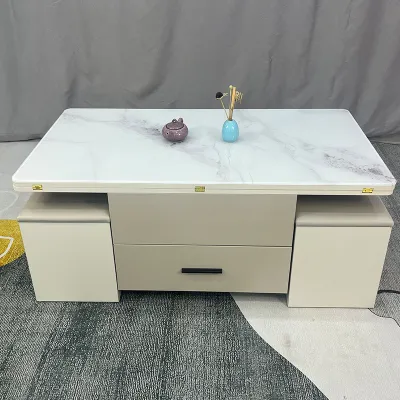
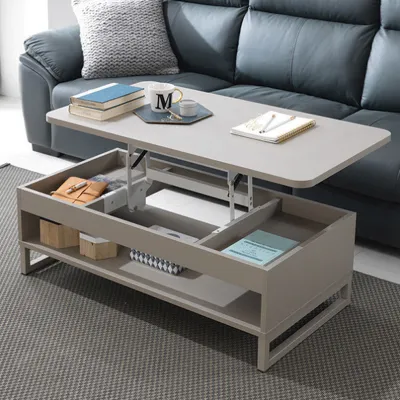
![[Sg Sales] Multifunctional Lifting Coffee Table Desk Dining Table Collapsible Lifting Coffee Table Dual-Use Small Apartment Living Room Coffee Table Rising Variable Tea Table](https://img.lazcdn.com/g/p/6a22c9ce120cb4b8a5fb5bb67f4f8d43.jpg_400x400q80.jpg_.webp)
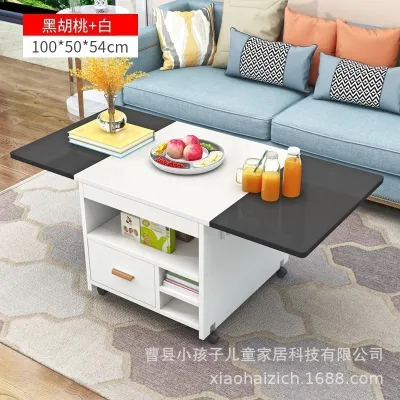
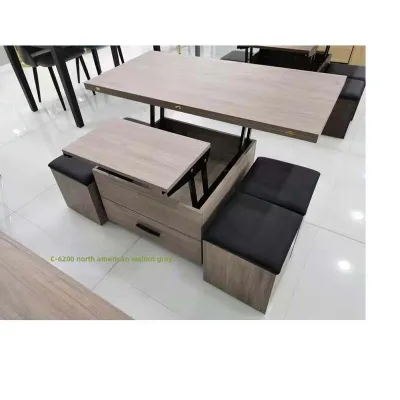
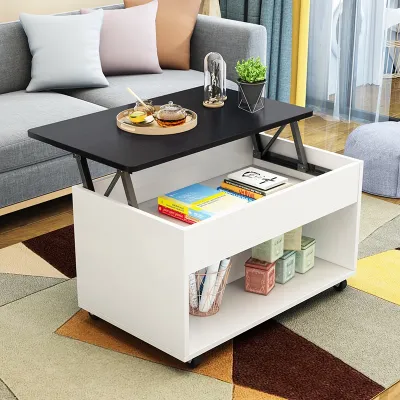
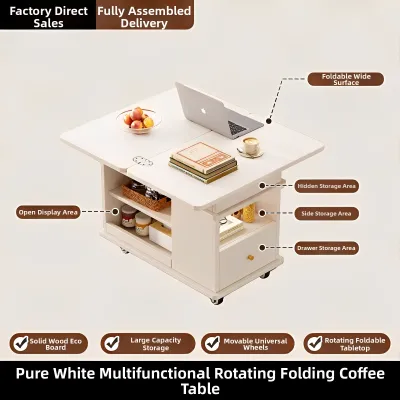
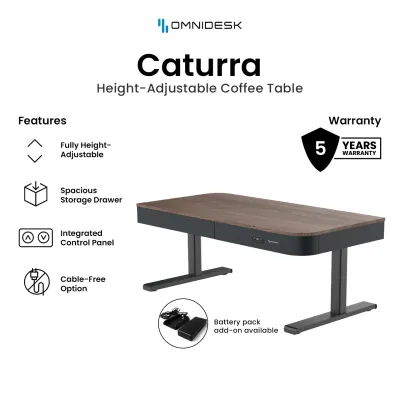
Prices are valid at publication and may change. Please refer to the product page for the latest price.
To achieve a successful design, you must balance your preferred interior theme with the mechanical realities of a moving tabletop. Lift-up mechanisms require internal space, which often translates to a thicker tabletop or a solid box base. Balancing these physical demands with your aesthetic goals is the first step to ensuring your new furniture piece is both beautiful and practical.
Essential Spatial and Stability Checks Before Selecting a Style
Before diving into aesthetic choices, you must verify that the table’s physical dimensions and mechanical path fit your living room layout. Unlike static furniture, a lift-top table operates in three dimensions, requiring careful measurement of both its closed and extended states.

Clearance and Lift Height Measure the distance between the front edge of your sofa and the table. When the mechanism extends, the top typically moves both upward and outward, often projecting 20 to 30 centimeters forward. Ensure this diagonal path does not collide with your knees or the sofa cushions. The raised height should sit between 60 and 68 centimeters from the floor, which aligns comfortably with standard sofa seat heights for laptop use or dining without straining your shoulders.
Proportions and Walkways Standard living room layouts require at least 30 to 45 centimeters of walkway space between the coffee table and surrounding furniture. When the lift-top is fully extended, this clearance will shrink on the sofa side but open up on the opposite side. Map out these dual footprints using masking tape on your floor to ensure you can still navigate the room comfortably when the table is active.
Weight and Stability An extended tabletop acts as a lever, meaning any weight placed on the edge exerts downward force outside the table’s center of gravity. To prevent the table from tipping forward when you lean on it or place items down, the base must have a wide, stable footprint or a heavy counterweight. Tables featuring heavy tops, such as sintered stone or thick engineered wood, require exceptionally robust bases to remain secure.
Access and Assembly Because the internal mechanical frame of a lift-up table is often pre-installed, these units frequently arrive fully assembled or in large, heavy boxes. Measure your home’s entryways, narrow corridors, stairwells, and particularly elevator doors and interior heights—especially in high-rise apartments or condominium blocks—to guarantee the delivery team can safely transport the piece into your living space.
Matching Lift-Top Designs to Popular Living Room Aesthetics
Different interior styles demand distinct structural forms and materials. Selecting the right lift-up coffee table requires matching these design elements to your home’s established theme.
Scandinavian: Light Woods and Minimalist Silhouettes
Scandinavian design prioritizes bright, airy spaces, natural light, and functional simplicity. To complement this aesthetic, choose a lift-up coffee table finished in light wood veneers such as white oak, ash, or maple. These pale timbers reflect ambient light, keeping the center of your living room feeling open and spacious. Matte or low-sheen protective topcoats are preferable to high-gloss finishes, as they preserve the organic appearance of the wood grain.
The silhouette of the table should remain as light as possible. Seek out designs featuring tapered wooden legs or recessed plinth bases that create a subtle shadow line, making the table appear to float. Avoid bulky, solid-box bases that can make a minimalist living room feel cramped and heavy.
Concealed hardware is essential for maintaining clean lines. Look for models where the lifting arms and hinges are completely hidden when the table is closed, leaving no visible metal joints or gaps on the exterior panels. The tabletop edges should be seamless, with integrated bevels or finger pulls instead of protruding metal handles.
Always verify the surface treatment on the product label rather than assuming natural wood properties. Natural wood veneers are sensitive to moisture and temperature changes, meaning you must confirm the finish is rated for daily use and plan to use coasters to protect the delicate surface from condensation and heat.
Industrial: Raw Textures and Metal Accents
Industrial interiors celebrate raw materials, structural honesty, and utilitarian design. A lift-up coffee table fits naturally into this aesthetic, as the mechanical lifting gear can be showcased rather than hidden. Look for tables featuring rich, dark wood finishes like walnut, charcoal-stained pine, or reclaimed timber textures paired with matte-black iron or steel frames.
Unlike other styles, industrial design welcomes visible mechanical components. Heavy-duty steel scissor joints, exposed rivets, and visible spring systems add to the rugged, functional charm of the piece. A sturdy metal frame not only anchors the table visually but also provides the necessary counterweight to support a heavy wooden top when extended.
Because humid environments can accelerate metal corrosion, check the manufacturer’s specifications for anti-rust coatings or powder-coated finishes on all metal frames, hinges, and mechanical arms. This ensures the moving parts operate smoothly without squeaking or binding due to moisture buildup.
Keep in mind that industrial-style tables are often significantly heavier than their minimalist counterparts. Ensure your floor surface can handle the concentrated weight, and consider placing a durable rug beneath the table to protect your flooring from scratches during placement or minor adjustments.
Japandi: Organic Shapes and Warm Neutrals
Japandi style blends the cozy warmth of rustic Japanese minimalism with the functional elegance of Scandinavian design. This aesthetic relies on organic shapes, soft textures, and a muted, earthy color palette. For a Japandi living room, opt for a lift-up coffee table in medium wood tones like warm oak, teak, or light walnut, avoiding overly grey or red undertones.
Look for tables with rounded corners, oval tops, or softened edges that promote a gentle, flowing movement through the room. Subtle textured details, such as vertical fluted or slatted wood cladding around the base compartment, add visual depth without cluttering the design. These slats also help disguise the seams of the hidden storage drawer or lift compartment.
The operation of the lift mechanism must match the serene, quiet atmosphere of a Japandi home. Seek out high-quality gas spring struts that offer silent, assisted lifting and a controlled, slow-closing action. A loud, clanking spring mechanism will quickly disrupt the peaceful ambiance you have carefully curated.
Pay close attention to the table’s height specifications. Japandi furniture typically features a lower profile, sitting closer to the floor to foster a grounded feeling. Ensure that the table’s closed height aligns with your low-slung sofa, and verify that the fully lifted height still reaches a comfortable level for your intended tasks.
Modern Contemporary: Sleek Lines and Mixed Materials
Modern contemporary spaces thrive on bold geometric shapes, polished surfaces, and unexpected material combinations. For this style, look for lift-up coffee tables that move away from traditional all-wood constructions. Consider designs featuring high-gloss lacquered panels, sintered stone tops, or tempered glass accents paired with architectural metal bases in brushed brass, chrome, or matte black.
Sintered stone and thick tempered glass are exceptionally durable and scratch-resistant, making them excellent choices for a multi-functional table. However, these materials are also incredibly heavy. Before purchasing, carefully verify the weight capacity of the internal lifting mechanism to ensure it can lift and support the heavy top without straining or sagging over time.
To preserve the sleek, uninterrupted planes of contemporary design, prioritize tables with push-to-open mechanisms or integrated, recessed hand pulls. The exterior should appear as a solid, sculptural geometric block when closed, concealing the dual-purpose workspace hidden within.
Verifying Lift Mechanisms and Surface Care Requirements
Regardless of the style you choose, the longevity and safety of your lift-up coffee table depend on the quality of its internal hardware and the durability of its surfaces.
Mechanism Types The heart of any lift-up coffee table is its mechanical hardware. There are two primary types: spring-loaded hinges and gas-strut (hydraulic) lifters. Spring mechanisms are highly durable and cost-effective but can require more physical effort to open and may close with a sudden, loud snap. Gas struts utilize compressed air to provide a smooth, weight-assisted lift that holds the top securely in place. Always verify the manufacturer’s stated maximum load capacity for both the closed and fully extended positions to ensure the table can safely support your laptop, books, or dining ware.
Safety Features Because lift-up tables involve moving metal parts and heavy panels, safety is a paramount consideration. Look for mechanisms equipped with soft-close dampers or slow-drop technology that prevents the top from slamming shut if bumped. Adequate safety gaps (at least 1 to 2 centimeters) between the moving tabletop and the base frame are crucial to prevent fingers from getting pinched during operation. This is especially vital in households with curious pets or young children who might play near the table.
Surface Care and Durability A lift-up table is subjected to more wear and tear than a static coffee table. When raised, it often hosts hot coffee mugs, warm plates, or laptop chargers that generate heat. It is a common misconception that a specific wood or stone name guarantees resistance to heat, stains, or water rings. Always consult the manufacturer’s care labels and warranty terms. For wood veneers, apply a high-quality polyurethane sealer if allowed, or use heat-resistant mats and coasters. For sintered stone or laminate tops, verify their specific stain-resistance ratings to ensure easy cleanup after meals.
Storage Limitations The hidden compartment beneath the lifting top is incredibly convenient for stowing away remote controls, board games, or blankets. However, this storage space has strict weight and depth limits. Overloading the internal compartment can obstruct the folding arms of the lifting mechanism, preventing the table from closing fully or causing the hinges to bend out of alignment. Check the interior dimensions and weight capacity guidelines provided by the manufacturer before packing the compartment with heavy items.
Frequently Asked Questions (FAQ)
Can a lift-up coffee table replace a standard dining table?
While a lift-up coffee table is an excellent space-saving solution for occasional meals, light work, or casual dining in compact apartments, it is rarely a complete replacement for a dedicated dining table. The raised height is restricted by the table’s base design and the height of your sofa cushions, which may not provide the optimal ergonomic posture for long, formal dinners. Additionally, the surface area is typically limited, making it difficult to host multi-course meals or seat more than two people comfortably at the same time.
How do I maintain the lifting mechanism over time?
To keep your lift-up coffee table operating smoothly, perform a visual inspection of the mechanical joints, screws, and brackets every six months. Tighten any loose hardware with a screwdriver to prevent misalignment, which can cause the top to sit unevenly when closed. Clean dust and pet hair from the hinges and struts using a soft, dry microfiber cloth. Avoid applying off-the-shelf spray lubricants or grease unless specifically recommended by the manufacturer, as these substances can attract dust, clog the mechanism, and degrade plastic washers or seals.
What is the safest lift-top design for homes with young children?
For homes with young children, prioritize safety-first designs that minimize the risk of pinched fingers or heavy impacts. Choose a table equipped with a premium gas-strut mechanism that features a slow-closing, soft-close damper, ensuring the top cannot slam shut under its own weight. Look for rounded corners on the tabletop to prevent bumps and bruises, and select a model with a wide, heavy base or a low center of gravity to ensure the table remains completely stable and tip-proof even when a child leans on the extended surface.
Community discussion
Share your experience or ask a question. Comments are reviewed before publication.