
A glass top coffee table matches your living room aesthetic by acting as a design chameleon. Because the tabletop itself is transparent, the visual identity of the piece is defined almost entirely by its base material, frame silhouette, and structural shape. Selecting the right style requires evaluating your existing furniture, assessing the physical flow of your room, and choosing a design that either harmonizes with your current decor or provides a deliberate, stylish focal point. By understanding how different base designs interact with light and space, you can select a piece that elevates your home while remaining highly functional.
Assessing Your Current Living Room Aesthetic
Before browsing online catalogs or visiting showrooms, take a close look at the design elements already present in your living space. Your room’s dominant aesthetic is established by the materials, colors, and textures of your largest furniture pieces, such as your sofa, accent chairs, media console, and shelving units. Note whether your space features warm, rustic wood grains, cool industrial metals, or plush, colorful fabrics. A glass top coffee table should complement these existing elements rather than compete with them for visual attention.
Next, evaluate the visual weight of your living room. Visual weight refers to how heavy or light an object feels to the eye. If your living room is filled with bulky, fully upholstered seating and dark wood cabinetry, it may feel grounded or even slightly crowded. In this scenario, a glass top coffee table with a slender, open frame can introduce a sense of airiness, making the entire room feel more spacious. Conversely, if your room is already highly minimalist, you might choose a table with a more substantial, sculptural base to anchor the seating arrangement.
Products mentioned in this guide
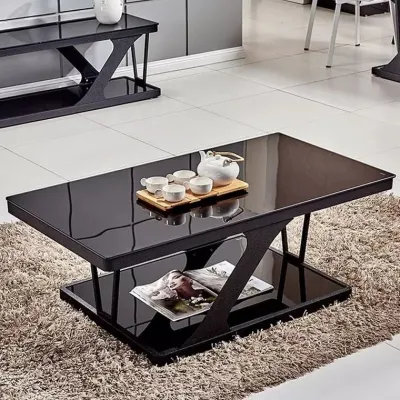
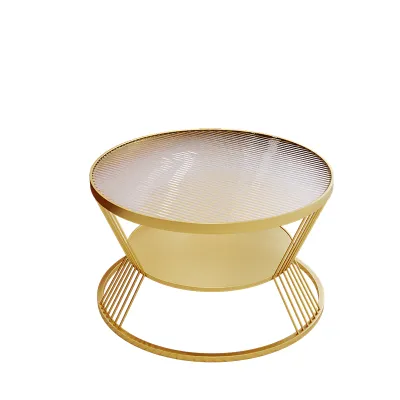
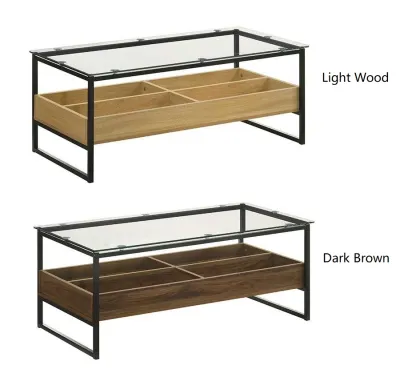
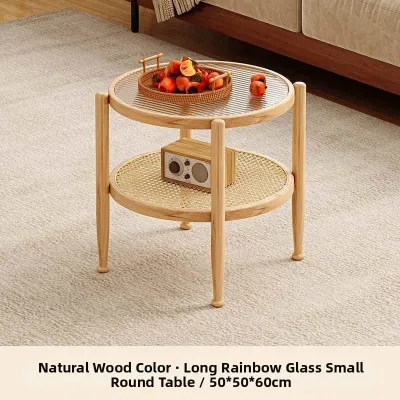
![[Pre order - Smartliving] NKAHS- Minimalist Living Room Coffee Table – Glass Top & Wood Base](https://img.lazcdn.com/g/p/6fe026c2a6bf358d48d1923010e30aa2.jpg_400x400q80.jpg_.webp)
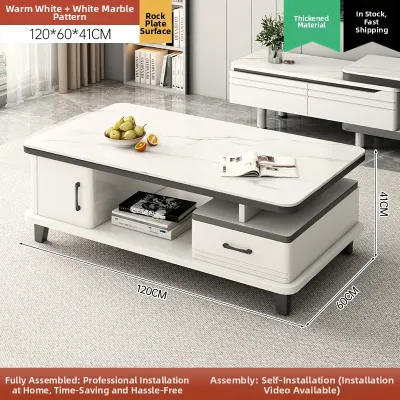
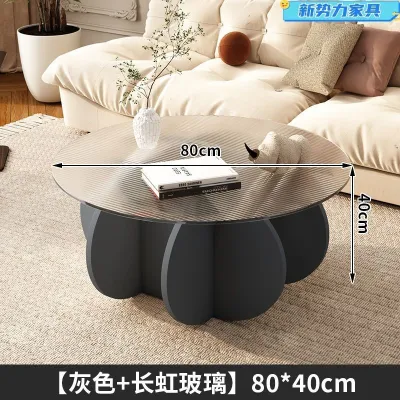
Prices are valid at publication and may change. Please refer to the product page for the latest price.
Finally, measure the physical proportions of your current sofa. The length, depth, and seat height of your sofa are critical benchmarks that dictate the ideal dimensions of your coffee table. A table that is too tall or too short will disrupt both the visual balance of the room and your physical comfort when reaching for a drink. Take note of these measurements early in your planning process so you can filter out options that do not align with your seating scale.
Matching Glass Top Coffee Table Styles to Your Decor
The beauty of a glass top coffee table lies in its dual nature: the glass surface provides a clean, modern plane that lets light pass through, while the base structure showcases craftsmanship and style. This combination allows the table to adapt to a wide variety of interior design themes. The key to successful styling is recognizing how different base materials—such as polished chrome, raw iron, light oak, or warm walnut—interact with the surrounding decor.

When selecting a table, you can choose to either blend it seamlessly into your existing design or use it to create a striking contrast. For instance, placing a sleek, metal-framed glass table in a highly contemporary room reinforces a clean, unified look. On the other hand, introducing a glass table with a rustic, reclaimed wood base into a modern apartment can add a layer of warmth and texture, preventing the space from feeling too sterile.
Modern Minimalist & Contemporary
Modern minimalist and contemporary spaces thrive on clean lines, uncluttered surfaces, and a sense of quiet sophistication. In these environments, a glass top coffee table should feature a highly streamlined silhouette that prioritizes function and form without unnecessary ornamentation. Look for tables with geometric frames, such as perfect squares, rectangles, or circles, constructed from slender metal or even clear acrylic.
To maintain the pristine look of a minimalist space, seek out designs with hidden hardware and seamless joints. Bases made of polished stainless steel, chrome, or matte black metal work exceptionally well, as they reflect light and mimic the clean lines of contemporary architecture. Low-profile designs are particularly effective in these settings, as they keep sightlines completely clear across the room, emphasizing a sense of open, uninterrupted space.
Industrial & Urban Loft
Industrial and urban loft aesthetics celebrate raw, utilitarian materials and exposed structural elements. To match this style, look for a glass top coffee table that pairs its refined glass surface with a rugged, heavy-duty base. The contrast between the delicate, smooth glass and a rough, textured base is a hallmark of successful industrial design.
Focus on base materials like blackened steel, cast iron, or distressed reclaimed wood. Structural details such as exposed bolts, visible welds, heavy-duty metal casters, or pipe-style framing add authentic character to the piece. A glass top is particularly useful in an industrial setting because it allows these interesting structural elements and raw textures of the base to remain fully visible from every angle in the room.
Scandinavian & Japandi
Scandinavian and Japandi styles focus on warmth, natural materials, simplicity, and high functionality. If your living room embraces these nature-inspired aesthetics, look for a glass top coffee table with a light-colored wooden base. Species like oak, ash, or beech with natural, matte finishes are ideal for maintaining a bright, organic feel.
The design should feature organic, rounded, or softly angled shapes rather than harsh, sharp corners. A circular or soft triangular glass top paired with a tripod wooden base creates a gentle, inviting look. Ensure the glass edges are smoothly polished and the overall silhouette remains unpretentious, allowing the natural beauty of the wood grain to shine through while serving a practical purpose in your daily routine.
Mid-Century Modern & Transitional
Mid-century modern and transitional spaces often blend retro-inspired shapes with classic design elements. For a mid-century look, seek out glass top coffee tables that feature iconic tapered wooden legs, warm walnut or teak finishes, and subtle brass or copper accents. Organic, flowing shapes like ovals, ellipses, or kidney beans are excellent choices for softening the rigid, angular lines of mid-century sofas.
In transitional spaces, which bridge the gap between traditional and contemporary styles, a glass top table can act as a unifying piece. Look for bases that combine classic curved lines with modern materials, such as a gently curved metal frame in a soft pewter or brushed brass finish. This balance allows the table to coordinate beautifully with both heirloom traditional furniture and clean, modern upholstery.
Essential Sizing and Spatial Checks
Even the most beautiful coffee table will become a source of frustration if it does not fit your living room’s physical layout. To ensure a comfortable and functional setup, you must perform several spatial checks before making a purchase. Start by measuring the distance between the front edge of your sofa and the edge of the coffee table. For comfortable legroom and easy movement, aim for a clearance of approximately 35 to 45 centimeters. This provides enough space to walk through without forcing you to stretch uncomfortably to reach items on the table.
Next, verify the height of the table relative to your sofa’s seat cushions. As a general rule, the top of the glass surface should sit level with or slightly below the top of your sofa cushions—typically within 2 to 5 centimeters. A table that is significantly taller than your sofa seats can look awkward and make it difficult to set down drinks, while a table that is too low can feel uncomfortable to use.
Additionally, account for the broader traffic patterns in your living room. Ensure there is a clear walkway of at least 60 to 75 centimeters between the coffee table and other major furniture pieces, such as a media console or armchair. If your coffee table will sit on an area rug, check that the rug is large enough to accommodate both the sofa’s front legs and the table’s base comfortably. Finally, verify that the table does not obstruct the swing radius of nearby doors, cabinet drawers, or low-profile storage units.
Evaluating Glass Specifications and Base Stability
Because glass is a delicate material, evaluating the technical specifications of both the glass top and the supporting base is essential for safety and durability. When reviewing product listings, always check for tempered or toughened glass rather than standard annealed glass. Tempered glass undergoes a controlled thermal treatment that increases its strength; if it does break, it fractures into small, relatively harmless granular pieces rather than sharp, jagged shards.
Pay close attention to the specified thickness of the glass top. High-quality coffee tables typically feature glass that is at least 8 to 12 millimeters thick, which provides a sturdy feel and excellent resistance to daily wear. Always verify the manufacturer’s specified weight capacity for both the glass top and the overall table structure to ensure it can safely support your intended decor, books, or trays.
Edge treatments are another critical safety factor, particularly in high-traffic areas. Look for glass tops with polished, beveled, or rounded edges, which eliminate sharp corners and reduce the risk of accidental cuts or chips. Finally, inspect the design of the base. A stable table requires a wide, balanced footprint to prevent tipping. If your living room has slightly uneven flooring, look for bases equipped with adjustable leveling feet, which allow you to stabilize the table and prevent annoying wobbles.
Purchasing and Delivery Considerations
Buying a glass top coffee table requires careful logistical planning due to the fragile and often heavy nature of the materials. Before finalizing your purchase, thoroughly review the retailer’s return and warranty policies. Pay close attention to their terms regarding damage sustained during transit or manufacturing defects, and understand the process for reporting issues immediately upon delivery.
Consider the assembly requirements of the table. Some designs arrive fully assembled, while others require self-assembly. If assembly is required, check the product details to see what tools are needed and whether the glass top attaches securely to the base using specialized suction cups, threaded fasteners, or protective silicone pads. Because glass panels can be heavy and awkward to handle, plan to have a second person assist you during the unboxing and assembly process to prevent accidental drops.
Finally, confirm the packaged delivery dimensions of the item. In high-density living environments, such as apartments in Singapore, you must ensure that the boxed table can easily navigate common areas. Measure your building’s elevator doors, stairwells, corridors, and your own apartment’s entryway to guarantee the delivery team can safely transport the package to your living room without obstruction.
Frequently Asked Questions (FAQ)
How do I keep a glass coffee table from showing fingerprints?
To keep your glass surface looking pristine, clean it regularly using a high-quality microfiber cloth and a dedicated glass cleaner. Microfiber is highly effective at trapping oils and dust without leaving lint or streaks behind. Avoid using abrasive sponges or harsh chemical cleaners that could scratch the surface. Always consult the manufacturer’s care instructions before applying any aftermarket protective coatings or polishes, as some treatments may react negatively with specific glass finishes or edge sealants.
Is a glass top coffee table safe for homes with young children?
If you have young children, safety should be your primary consideration when selecting a table. Look for products that explicitly certify the use of tempered glass and feature rounded or polished edges rather than sharp, 90-degree corners. Verify that the table’s base is heavy and has a wide footprint to prevent the table from tipping over if a child leans on it. Additionally, consult the manufacturer’s safety guidelines for any specific age-related warnings, and consider using temporary corner guards if necessary.
Can I place heavy decor items on a glass table?
Yes, you can display decor on a glass table, but you must respect the manufacturer’s stated maximum weight capacity. This limit can usually be found in the product manual or the online specifications sheet. To protect the glass, distribute the weight of your decor items evenly across the surface rather than concentrating heavy objects in a single spot. Use felt pads or coasters under ceramic, metal, or stone decorative items to prevent surface scratches.
Community discussion
Share your experience or ask a question. Comments are reviewed before publication.