
A dining bench with a backrest offers a unique combination of communal seating comfort and space-saving efficiency, making it an increasingly popular choice for modern Singaporean homes. Unlike traditional individual chairs, a backrest bench creates a clean, streamlined look along one side of your dining table while providing supportive comfort for long family dinners. Choosing the right style requires balancing physical space constraints with the existing design language of your home.
To find the right match, you must evaluate both the structural compatibility of your dining set and the visual elements of your interior theme. Whether your home leans toward the airy simplicity of Scandinavian design, the raw textures of an industrial loft, or the warm nostalgia of mid-century modernism, the right bench can anchor your dining area and elevate the entire room.
Assessing Your Dining Space and Table Compatibility
Before focusing on aesthetics, you must ensure the bench physically fits your dining area and functions seamlessly with your existing table. Start by measuring the available floor space behind the dining table, keeping in mind that a bench with a backrest requires more permanent clearance than a backless alternative. Ideally, maintain a walking clearance of at least 60 to 90 centimeters behind the bench to allow family members to slide in and out comfortably without blocking walkways.
Products mentioned in this guide
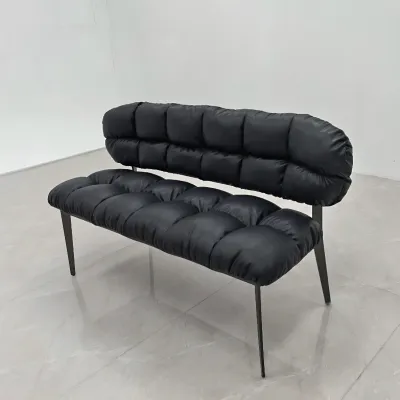
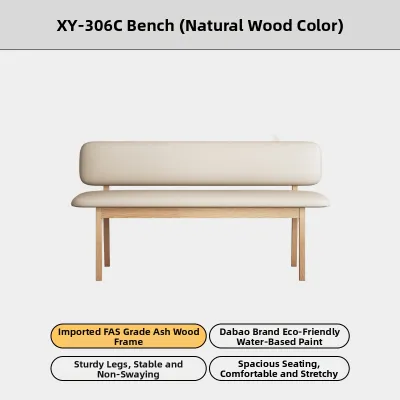
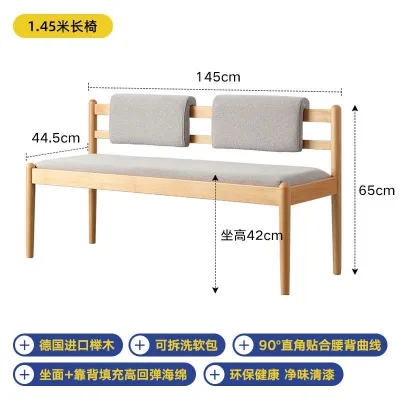
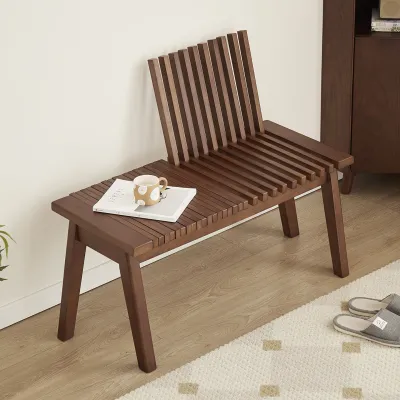
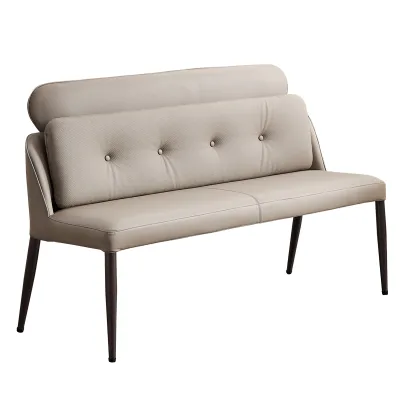
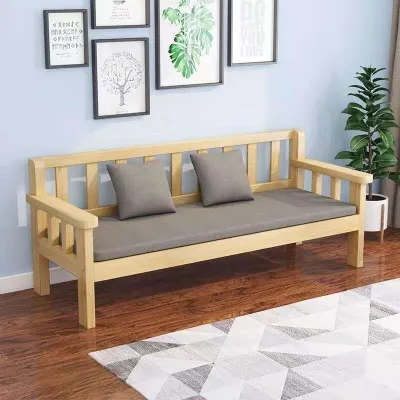
Prices are valid at publication and may change. Please refer to the product page for the latest price.
Next, examine the base structure of your dining table, as this determines how easily the bench can be accessed. Tables with a central pedestal or trestle base offer the most flexibility, allowing users to slide onto the bench from either end. If your table has traditional four-corner legs, measure the exact distance between the legs to ensure the bench can fit between them, especially if you plan to tuck it in when not in use.
Finally, verify the vertical clearance of your table setup. Measure the distance from the floor to the lowest point of the table apron, which is the frame supporting the tabletop. A backrest bench cannot be fully tucked under a table if the backrest height exceeds the apron clearance, meaning the bench will remain partially or fully extended. Understanding these physical boundaries prevents layout frustration and ensures your dining area remains functional.
Matching Bench Styles to Popular Interior Themes
Integrating a dining bench with a backrest into your home requires a thoughtful look at your current interior design. The bench should complement the dominant visual weight, color palette, and material textures already present in your dining space. By identifying these key design markers, you can select a bench that harmonizes with your home rather than competing with it.

Different design movements prioritize different materials, shapes, and finishes. To help you navigate these choices, we have broken down how to pair backrest benches with three of the most popular interior design themes found in Singaporean homes today.
Scandinavian and Minimalist Interiors
Scandinavian and minimalist homes focus on simplicity, functionality, and a strong connection to natural light. When selecting a dining bench for this type of space, look for light-toned wood finishes such as oak, ash, or beech, which help keep the dining area feeling bright and open. The silhouette should feature clean, straight lines or gentle curves, avoiding any intricate carvings or heavy ornamentation that could disrupt the visual flow.
The backrest of a minimalist bench should have a low profile, often utilizing slender spindles or a simple solid wood panel that allows light to pass through. If you prefer padded seating, opt for integrated cushions or slim, subtly upholstered seats in neutral tones like beige, soft gray, or muted earth colors. These choices provide comfort while maintaining the uncluttered aesthetic essential to Nordic-inspired interiors.
Avoid heavy, dark-colored upholstery or bulky, overstuffed designs, as these can make a small dining area feel cramped. Instead, prioritize lightweight structures that emphasize negative space, ensuring the bench contributes to an airy, calm atmosphere.
Industrial and Urban Loft Spaces
Industrial design celebrates raw, utilitarian elements, exposed structural features, and a mix of contrasting textures. To match this aesthetic, look for a dining bench that combines metal and wood. A matte black powder-coated steel or iron frame paired with a solid, distressed wood seat and backrest instantly evokes the character of an urban loft.
Pay close attention to the structural details of the bench. Visible hardware, such as exposed rivets, brackets, or weld marks, can enhance the authentic, rugged feel of the piece. The wood elements should showcase natural grain patterns, knots, and slight color variations, adding warmth to the cool metal frame.
Ensure that the bench’s joints and metal finishes are smooth to the touch despite their rugged appearance. High-quality industrial furniture balances a raw aesthetic with refined construction, ensuring that the metal parts do not snag clothing or scratch skin during daily use.
Mid-Century Modern and Contemporary Homes
Mid-century modern and contemporary interiors are characterized by organic shapes, sophisticated angles, and a curated, design-forward feel. For a mid-century look, seek out benches crafted from warm-toned woods like walnut or teak, featuring iconic tapered legs that flare slightly outward. The backrest should offer a curved, ergonomic shape that cradles the back while serving as a striking visual element.
Upholstery plays a significant role in these styles, offering an opportunity to introduce rich textures and colors. Tailored upholstery in materials like textured bouclé, woven tweed, or high-quality leather adds depth and sophistication to the dining space. Classic mid-century colors, such as mustard yellow, forest green, or deep teal, can turn the bench into a tasteful statement piece.
When choosing a contemporary bench, look for sleek, geometric frames and minimalist upholstery that prioritizes comfort without bulk. Ensure the backrest angle and seat depth align with modern ergonomic standards, providing a supportive sit that encourages long, relaxed conversations around the table.
Key Comfort and Ergonomic Checks for Backrest Benches
While style is important, a dining bench must ultimately be comfortable enough for daily use. Unlike standard dining chairs, benches are shared spaces, making ergonomic checks crucial before you make a purchase. Start by assessing the angle of the backrest; a completely vertical backrest can feel stiff and uncomfortable over time. Look for a gentle recline of about 100 to 105 degrees, which supports a natural, relaxed posture during meals.
Next, evaluate the seat depth and the contouring of the front edge. The seat should be deep enough to support your thighs fully, but not so deep that your knees press against the front edge when your back is against the backrest. A waterfall or rounded front edge is highly recommended, as it prevents pressure points behind the knees and promotes healthy blood circulation during extended sitting.
In Singapore’s warm and humid tropical climate, material breathability is a key comfort factor. If you choose an upholstered bench, look for breathable fabrics like linen blends, cotton weaves, or high-quality aniline leather that do not trap body heat. Avoid thick synthetic vinyls that can feel sticky and uncomfortable in warm weather, or ensure your dining area is consistently air-conditioned if you opt for denser materials.
Finally, test the overall stability and weight distribution of the bench. Because a backrest encourages users to lean back, the bench must have a sturdy base and a low center of gravity to prevent any risk of tipping. Sit on the edge and lean back firmly to check for any flexing, wobbling, or lifting of the front legs, ensuring the frame remains completely stable under pressure.
Practical Considerations for Daily Use and Maintenance
Your household lifestyle should dictate the materials and finishes you choose for your dining bench. If you have young children or pets, bare wood or easily wipeable surfaces are highly practical choices. For upholstered options, look for performance fabrics treated with stain-resistant coatings, or opt for top-grain leather that develops a beautiful patina over time and can be wiped clean with a damp cloth.
Always review the manufacturer’s care instructions before purchasing, especially regarding spill management. In a dining environment, spills are inevitable, so knowing whether a fabric requires professional cleaning or can be spot-cleaned with mild soap is essential. For wooden benches, check if the finish is water-resistant and what type of wood conditioner or polish is recommended to maintain its luster.
Floor protection is another critical detail that is often overlooked. Because dining benches are heavy and frequently slid back and forth, they can easily scratch hard flooring surfaces like vinyl, laminate, or polished marble. Check if the bench legs come with built-in non-marking glides, or plan to attach heavy-duty felt pads to the bottom of each leg to safeguard your floors.
Lastly, consider the physical weight of the bench and how often you will need to move it. A solid wood or heavy metal bench can be difficult to shift when sweeping or mopping the dining area. If you require high mobility, look for lighter-weight designs or benches with integrated handholds in the backrest to make daily cleaning routines much easier.
Frequently Asked Questions (FAQ)
Can a dining bench with a back fit under a standard dining table?
Whether a backrest bench can slide under a table depends entirely on the table’s apron height and the bench’s total backrest height. To check this, measure the vertical clearance from the floor to the lowest edge of the table’s support frame. Most standard dining benches with backs are designed to remain partially or fully pulled out, as the backrest is typically higher than the tabletop. If you have a compact dining area, you may need to position the bench permanently against a wall or choose a low-profile backrest that can clear the table apron.
How do I determine the right seat height for a dining bench?
To find the ideal seat height, measure the distance from the floor to the underside of your dining table apron. As a general rule, you should maintain a vertical clearance of about 25 to 30 centimeters between the top of the bench seat and the underside of the table to allow comfortable leg movement. For standard dining tables that stand around 75 centimeters high, a bench seat height of 45 to 48 centimeters is usually ideal. Always check the manufacturer’s specifications for the compressed seat height if the bench features thick, plush cushioning.

Community discussion
Share your experience or ask a question. Comments are reviewed before publication.