
Protecting floors from scratches while keeping chairs sliding smoothly is a common household challenge. While chair leg covers offer an excellent solution, they often slip off, twist, or wear through within a few weeks of installation. Achieving a long-lasting fit requires more than just stretching a cover over the bottom of a chair leg; it demands careful preparation, precise sizing, and correct installation techniques.
When chair leg covers are installed properly, they form a tight, secure barrier that withstands daily movement. By taking the time to prepare the furniture legs and align the protectors correctly, you can prevent premature wear and avoid the frustration of constantly replacing slipped covers. This guide walks you through the essential steps to ensure your floor protectors stay firmly in place and perform reliably over time.
Preparing Chair Legs for a Secure Fit
Before you purchase or install any chair leg covers, preparing the surface of the furniture legs is the most critical step. Many homeowners skip this phase, only to find their new covers sliding off within days due to hidden dust, oils, or incorrect sizing. Taking a few minutes to measure and clean the legs ensures a high-friction grip that keeps the covers secure.
Products mentioned in this guide
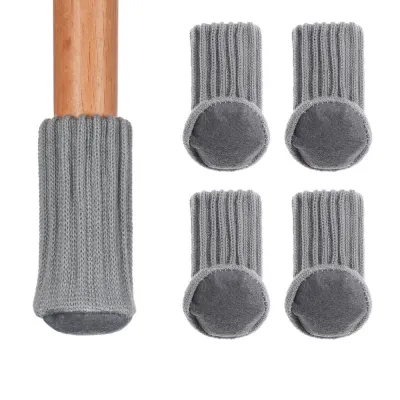
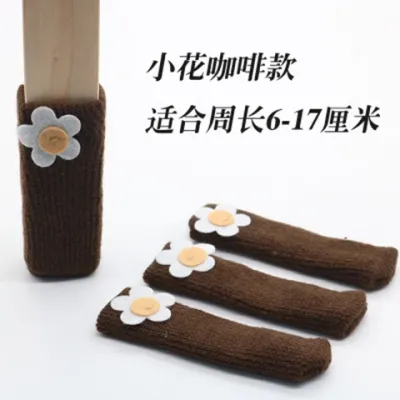
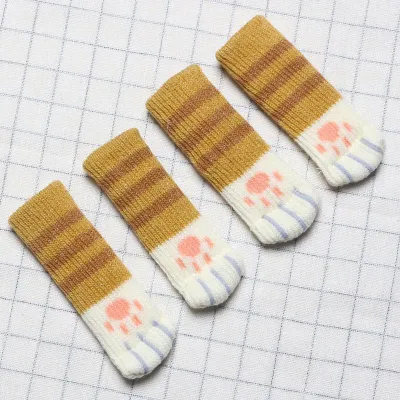
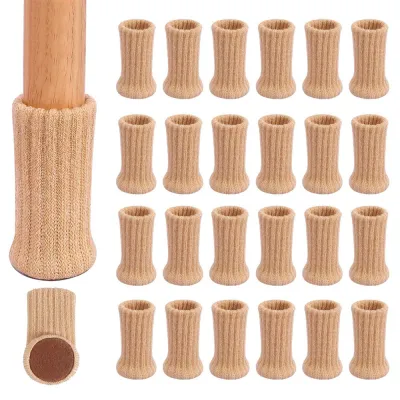
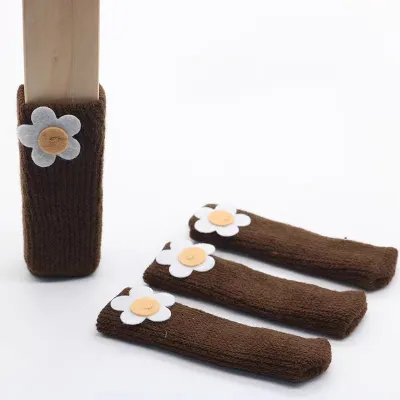
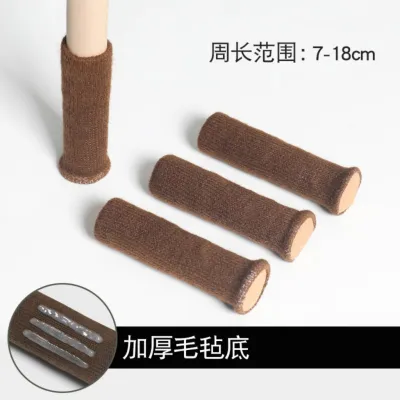
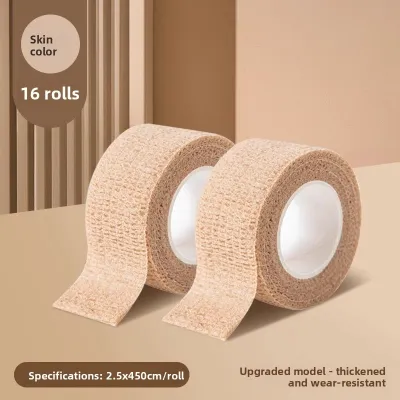
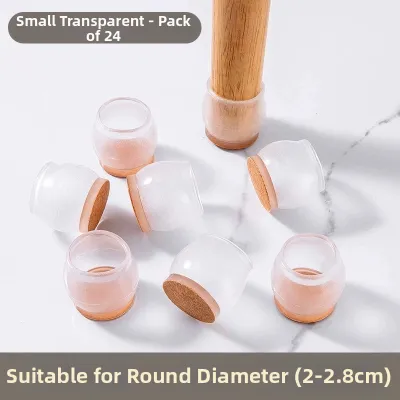
Prices are valid at publication and may change. Please refer to the product page for the latest price.
Measuring the exact dimensions of your chair legs is the foundation of a successful installation. Do not rely on visual estimates, as even a millimeter of difference can cause a cover to slip off or split under pressure. Use a precise measuring tape or a caliper to find the width of the leg base. For round legs, measure the diameter across the center of the bottom surface. For square legs, measure the width of one side. If your chairs have rectangular or irregularly shaped legs, measure both the width and depth to find a compatible cover shape.
Once you have the measurements, compare them directly to the manufacturer’s sizing chart. Many silicone and rubber covers are designed with a specific stretch tolerance, meaning they are engineered to fit a narrow range of dimensions. Choosing a cover that is too small will overstretch the material, leading to rapid tearing, while a cover that is too large will lack the necessary tension to stay on. If your measurements fall between two sizes, consult the manufacturer’s guidelines to determine whether to size up or down based on the elasticity of the material.
Cleaning the chair legs is equally vital to remove invisible barriers to friction. Over time, furniture legs accumulate floor wax, dust, pet hair, grease, and residue from old adhesive pads. This buildup acts as a lubricant, causing slip-on covers to slide off during use. Wipe down the bottom few centimeters of each chair leg using a clean microfiber cloth dampened with a mild soapy water solution or a diluted isopropyl alcohol mixture, depending on what is safe for your furniture’s finish. Allow the wood or metal to dry completely before proceeding, as trapped moisture can damage the furniture and cause the covers to slip.
Finally, inspect the bottom of each chair leg for physical imperfections that could damage your new covers. Run your finger carefully over the edges to check for sharp wood splinters, rough metal burrs, or protruding nails and glides from previous protectors. A sharp edge can easily puncture silicone or slice through fabric covers under the weight of a seated person. Use a fine-grit sandpaper to gently smooth out any rough wooden edges, or use a hammer or pliers to safely remove old, damaged metal glides. Ensuring a smooth, flat surface prevents localized pressure points that cause rapid wear.
Installing Common Types of Chair Leg Covers
Installing chair leg covers requires a gentle yet firm touch to avoid damaging the protectors before they even touch the floor. Different materials demand specific handling techniques to ensure they sit correctly and maintain their structural integrity. Rushing the installation or forcing a cover onto a leg can lead to immediate tears or misalignment that compromises floor protection.

When handling any type of cover, avoid using sharp tools like screwdrivers or knives to pry the material over the leg, as this can easily puncture the protector. Instead, use your fingers to guide the cover into place. Ensure that the cover is aligned perfectly straight with the angle of the chair leg. If a cover is installed crookedly, the weight of the chair will be distributed unevenly across the bottom pad, leading to rapid, localized wear and causing the cover to pull away from the leg over time.
Silicone and Rubber Caps
Silicone and rubber caps are highly popular for their durability and snug fit, but installing them can be challenging due to their high-friction nature. To install these caps successfully, you must stretch them evenly without putting excessive stress on the bottom seal. Start by tilting the chair or turning it upside down on a soft surface, such as a rug or towel, to access the legs easily.
To stretch a tight-fitting silicone cap, gently open the mouth of the cap with your fingers, warming it slightly in your hands first if the material feels stiff. Place one edge of the cap over the side of the chair leg base, then roll or stretch the remaining edges over the rest of the leg. Avoid pulling solely on the bottom pad of the cap, as this can tear the seam where the flexible sides meet the thicker base. Instead, apply pressure to the sides of the cap, sliding them upward along the leg in a smooth, rolling motion.
Once the cap is on, ensure it is fully seated against the bottom of the chair leg. There should be no empty space or air pocket between the flat bottom of the chair leg and the inside base of the cap. If the cap is suspended or only partially pushed on, the weight of a person sitting on the chair will force the leg downward, putting immense pressure on the sides of the cap and causing it to split. Press down firmly on the center of the cap to verify that the bottom pad makes flat, even contact with the wood or metal surface.
Fabric and Knit Slip-On Covers
Fabric and knit slip-on covers, often resembling small socks, offer a soft and quiet glide on hard floors. However, because they lack the rigid structure of silicone, they are more prone to twisting, sliding down, or bunching up at the base. Installing them correctly involves securing the proper tension along the length of the chair leg.
Begin by sliding the fabric cover over the bottom of the leg, pulling it upward as far as it will comfortably go. The goal is to distribute the tension evenly along the fabric rather than bunching it all at the bottom. Pulling the cover up to its full height ensures that the elastic band at the top can grip a wider section of the leg, preventing the sock from sliding down during daily movement. If the cover has an internal silicone grip strip, make sure this strip is positioned flat against the leg surface without folding over.
After pulling the cover up, adjust the fabric around the very base of the leg. The bottom seam of the knit cover should sit symmetrically around the perimeter of the leg bottom. If the seam is pulled to one side, the chair will rest on a folded edge of fabric, leading to uneven wear, wobbling, and rapid fraying of the threads. Smooth out any wrinkles or twists in the fabric along the shaft of the leg, ensuring the material runs straight up and down to maintain a neat appearance and consistent tension.
Keeping Covers Secure and Reducing Wear
Once your chair leg covers are installed, their lifespan and stability depend heavily on your floor type and daily usage habits. Different flooring materials exert varying levels of friction on the bottom of the covers, which directly impacts how long they stay secure and intact.
Evaluate the type of flooring in your home to understand the wear patterns your covers will experience. Smooth surfaces like polished concrete, luxury vinyl planks, or sealed hardwood allow covers to glide easily with minimal resistance, extending their lifespan. Conversely, textured surfaces such as rough ceramic tiles, wide grout lines, or textured stone floors create significant friction and mechanical wear. If your chairs sit on textured floors, expect to inspect the covers more frequently, as the constant scraping against rough surfaces will wear down the bottom pads much faster than on smooth floors.
Modifying how you move your chairs can dramatically reduce the stress placed on the leg covers. Dragging a chair while sitting in it forces the covers to bear both the vertical weight of your body and a strong horizontal shearing force. This shearing force is the primary cause of covers tearing or sliding off the legs. Encourage family members to lift chairs slightly when pulling them out or pushing them in, rather than dragging them across the floor. This simple habit change minimizes friction, protects your floors, and keeps the covers securely attached.
If you find that a cover is slightly too large and tends to slide down, you can employ safe, reversible tightening methods if the manufacturer’s instructions allow. Avoid using permanent glues or nails, which can ruin the furniture’s finish and make future replacement difficult. Instead, wrap a small piece of compatible, non-damaging grip tape or thin silicone tape around the bottom of the chair leg before sliding the cover on. This minor adjustment increases the diameter of the leg slightly and provides a high-friction surface for the cover to grip, preventing it from sliding off without causing permanent damage to the wood or metal.
Testing the Fit and Routine Maintenance
To ensure your installation was successful and will hold up over time, perform a quick physical test immediately after fitting the covers. This proactive step allows you to identify and correct any alignment or sizing issues before the chairs are put into regular service.
The “drag and lift” test is a simple and effective way to verify the security of the covers. Place the chair on your floor and slide it back and forth several times as you normally would when sitting down. Next, lift the chair straight up off the ground. Observe the covers closely during these movements. If they twist, bunch up, slide downward, or make a squeaking sound, they are not fitted correctly. Re-align the covers or check if you need a smaller size to achieve a tighter grip.
Establishing a routine visual inspection checklist will help you catch wear before it leads to floor damage. Once a month, take a moment to look at the bottom of each chair leg. Check for thinning rubber, worn-out felt pads, stretched seams, or loose fabric threads. Additionally, look for accumulated dust, pet hair, or grit trapped underneath or around the edges of the covers. This debris can act like sandpaper, scratching your floors even if the cover is still attached. Wipe away any debris immediately to maintain a clean contact surface.
For reusable covers, especially fabric or silicone types with removable felt pads, follow a regular cleaning routine based on the material care labels. Many fabric knit covers can be hand-washed in cold water with a mild detergent to restore their elasticity and remove embedded dirt. Allow them to air dry completely before reinstalling them. For silicone caps, a quick wipe with a damp cloth is usually sufficient to remove dust and restore the material’s natural grip. Keeping the covers clean ensures they continue to perform effectively and look neat in your home.
Frequently Asked Questions (FAQ)
What should I do if the chair leg covers keep sliding off?
If your chair leg covers continue to slide off despite careful installation, the most common culprit is an incorrect size or shape mismatch. Check if the cover has stretched out over time or if you are using a round cover on a square leg, which reduces the contact surface area and grip. To resolve this, verify your measurements against the manufacturer’s sizing chart and replace any stretched-out covers. If the size is correct but the leg is exceptionally smooth, you can apply a thin layer of compatible, non-damaging grip tape or a small strip of hook-and-loop fastener to the chair leg to increase friction and keep the cover firmly in place.
Can I use standard chair leg covers on chairs with wheels or casters?
No, standard slip-on chair leg covers are not designed for and should not be used on chairs with wheels or casters. Attempting to fit standard caps or socks over rolling wheels is highly unstable and can cause the chair to tip over or slide unpredictably, presenting a safety hazard. If you need to protect your floors from rolling office chairs, look for caster-specific cups, wheel locks, or dedicated floor protection mats designed specifically for wheeled furniture. Always consult the manufacturer’s specifications to find compatible floor protection solutions for your specific type of rolling chair.
Community discussion
Share your experience or ask a question. Comments are reviewed before publication.