
Raising your bed can create valuable under-bed storage space and make getting in and out of bed much easier, but safety must always come first. To install bed risers safely, you must match the riser design to your specific bed frame type, verify the weight capacity of both the frame and the risers, and ensure the bed remains perfectly level. A mismatched or poorly installed riser can lead to structural damage, collapsed frames, or personal injury.
Assess Your Bed Frame and Choose Compatible Risers
Before purchasing any accessories, examine the bottom of your bed frame. Standard metal frames often feature thin legs with plastic glides or caster wheels, while wooden frames may have thick, square, or turned wooden posts. Platform beds and sleigh beds often rest on solid panels or wide plinths rather than individual legs.
Measure the exact footprint of each leg or wheel. The diameter or width of the leg must fit entirely within the recessed cup of the riser. If the leg rests on the edge of the cup rather than flat on the bottom, the point of contact will be unstable and prone to slipping.
Products mentioned in this guide


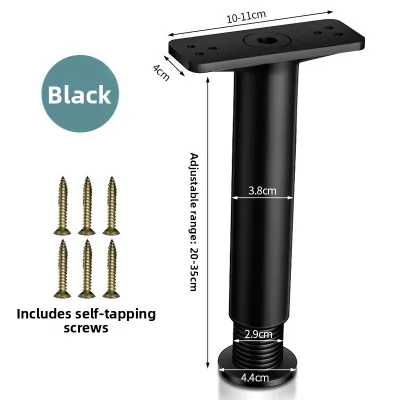



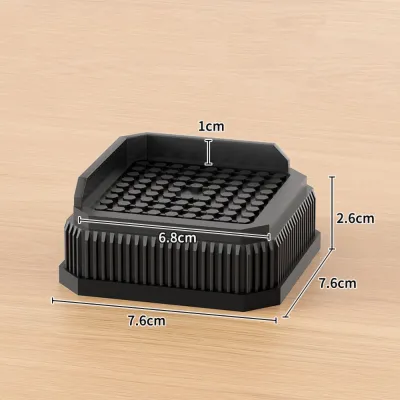
Prices are valid at publication and may change. Please refer to the product page for the latest price.
Consider the weight capacity of the risers. This rating must accommodate the combined weight of the bed frame, the mattress, the bedding, and all occupants. In Singapore, where space-saving storage beds are popular, the weight of a heavy hydraulic storage bed frame must also be factored in before choosing a riser.
Material selection is critical for long-term stability. Heavy-duty plastic, solid wood, and steel are the most common materials. While plastic risers are widely available on online marketplaces, ensure they feature reinforced inner walls and non-slip rubber bases to prevent sliding on smooth tile or vinyl flooring.
Tools and Preparation for Safe Installation
Safe installation is a two-person job. Attempting to lift a heavy mattress and frame alone can cause muscle strain or lead to dropping the bed, which can crack the frame or damage your flooring.

Gather your tools before starting. You will need a tape measure to verify heights, a flashlight to inspect the underside of the bed, and non-slip rubber pads if your risers do not already have them. If your bed frame has adjustable joints, keep a wrench or screwdriver handy to tighten any loose hardware beforehand.
Clear the area around and under the bed completely. Remove all bedding, pillows, and the mattress if possible, to reduce the lifting weight. If you live in a high-rise apartment or HDB flat with compact bedroom layouts, ensure you have enough clearance from walls and nearby wardrobes to lift and maneuver the frame safely.
Step-by-Step Installation by Bed Frame Type
Different bed frames distribute weight in unique ways, meaning a one-size-fits-all installation approach does not work. You must adapt your technique to the specific support structure of your bed to maintain its structural integrity.
Installing Cup-Style Risers on Standard Legs
Start by removing the mattress and box spring to make the frame as light as possible. Have your helper stand on the opposite side of the bed to assist with lifting and stabilizing the frame.
Lift one corner of the bed frame straight up, keeping your back straight and bending at the knees. Slide the cup-style riser directly underneath the leg, ensuring the leg is centered perfectly within the recessed well of the riser.
Gently lower the frame until the leg rests flat against the bottom of the riser cup. Repeat this process for each corner, working in a systematic pattern—either corner-by-corner or side-by-side—to prevent the frame from tilting excessively during the process.
Once all risers are in place, check that the bed frame is completely level. If your frame has center support legs, you must install matching risers of the exact same height under those center legs to prevent the middle of the frame from sagging or bowing under weight.
Securing Risers on Caster Wheels
Caster wheels present a unique safety hazard because they are designed to roll. Before installing risers, engage the wheel locks on all casters that have them.
Choose risers specifically designed for wheels, which feature deep, narrow wells or built-in caster cups that lock the wheel in place. Standard flat-bottomed risers are highly dangerous for caster wheels as the wheel can easily roll off the edge.
Lift one corner of the bed and guide the caster wheel directly into the center of the riser’s wheel slot. Lower the bed slowly, ensuring the wheel sits snugly at the very bottom of the recess and cannot turn or roll.
If your risers do not have a deep enough well, you can install heavy-duty rubber caster cups inside the riser cup first, or replace the caster wheels entirely with flat glide feet before placing them onto the risers.
Adapting to Sleigh or Platform Beds Without Visible Legs
Sleigh beds, platform beds, and solid-base storage beds do not have traditional legs, making standard cup-style risers unusable and highly unsafe. These beds distribute weight along wide panels, plinths, or solid flat bases.
To raise a platform bed safely, you must use specialized platform bed risers or heavy-duty riser blocks that span the entire width of the supporting panels. These blocks must be wide enough to support the full thickness of the bed’s base board without creating pressure points that could crack the wood.
Position the wide riser blocks at equal intervals along the head, foot, and sides of the platform base. Ensure the base rests securely across the entire top surface of each block, and verify that the blocks are rated for the substantial weight of solid wood or upholstered platform frames.
If the bottom of your platform bed is completely flat and lacks distinct support points, attempting to raise it with individual risers is generally not recommended. In such cases, a taller mattress or a professional bed frame modification is a much safer alternative.
Post-Installation Stability and Safety Verification
Once all risers are installed, you must perform a thorough safety check before replacing the mattress and bedding. Gently shake the bed frame from side to side and head to toe to check for any wobbling, sliding, or shifting.
Inspect each riser visually to confirm that the legs or wheels remain perfectly centered in their cups. If any leg has shifted toward the edge of a riser, lift that corner and re-center it immediately.
Place the mattress back onto the frame carefully, avoiding any sudden drops or heavy impacts that could displace the risers. Sit on different areas of the bed—the corners, the edges, and the center—to test how the assembly handles weight distribution.
Establish a regular maintenance schedule to inspect the risers every few months. Over time, daily movement, getting in and out of bed, and shifting during sleep can cause risers to slide slightly on smooth floors, or cause plastic risers to develop stress fractures.
When to Stop and Consult a Professional
While installing bed risers is a straightforward DIY task for standard frames, certain situations require you to stop and seek professional assistance or alternative solutions. If your bed frame is made of antique, fragile, or thin wood, the concentrated pressure from risers can split the legs.
If you notice any bending in metal frames, cracking sounds when weight is applied, or if the bed frame joints feel loose even after tightening, do not use risers. These are signs of structural weakness that raising the bed will only worsen.
Additionally, if your bed requires more than 15 to 20 centimeters of lift, standard risers are no longer safe due to the high center of gravity. For significant height adjustments, consult a furniture maker to custom-build a taller frame or install a dedicated loft bed system.
Frequently Asked Questions (FAQ)
Can I use bed risers on an adjustable or motorized bed?
Using standard bed risers on adjustable or motorized beds is generally not recommended. Motorized beds are exceptionally heavy due to their internal steel frames and motors, and the shifting weight distribution as the bed adjusts can cause individual risers to tip over or crack. If you must raise an adjustable bed, consult the manufacturer to see if they offer approved leg extensions or heavy-duty riser accessories designed specifically for your model.
How do I determine the maximum safe height for my bed?
The maximum safe height depends on the stability of your bed frame and the height of the risers. Most safety guidelines suggest not raising a bed more than 15 centimeters (6 inches) using aftermarket risers. Raising a bed higher than this significantly shifts its center of gravity, making the entire structure prone to tipping when you lean against the headboard or sit on the edge. Always ensure the total height allows you to sit comfortably on the edge of the mattress with your feet flat on the floor.
Will bed risers damage my flooring?
Bed risers can damage flooring if they lack proper protective padding. The concentrated weight of the bed on a small surface area can dent hardwood, crack ceramic tiles, or tear vinyl flooring. To protect your floors, choose risers with built-in rubberized non-slip bases, or place heavy-duty felt or rubber floor protector pads underneath each riser before lowering the bed onto them.
Community discussion
Share your experience or ask a question. Comments are reviewed before publication.