
A dust cover sheet, often called a bed skirt, shields the under-bed area from dust and conceals storage boxes or bed frames. Achieving a crisp, tailored look depends heavily on your specific bed frame design. Whether you own a platform bed, a solid divan base, or a storage bed with drawers, the installation method must be adapted to ensure the fabric hangs perfectly without shifting or blocking access.
Installing a dust cover sheet requires understanding how your bed frame supports the mattress. A standard flat-platform sheet works beautifully when sandwiched between a mattress and a divan, but it can slip on a slatted platform bed. Storage beds require specialised wrap-around or split-corner designs to keep drawers functional. By selecting the right style and using simple securing techniques, you can elevate your bedroom’s aesthetic while keeping maintenance straightforward.
Preparation and Tools Needed
Before installing your dust cover sheet, taking precise measurements is essential to avoid a sagging hem. Measure the width and length of your bed frame to ensure the sheet matches your mattress size. The most critical measurement is the drop length, which is the vertical distance from the top of the bed base to the floor. A standard drop is typically around 35 to 40 centimetres, but measuring your specific setup prevents the fabric from pooling on the floor.
Products mentioned in this guide

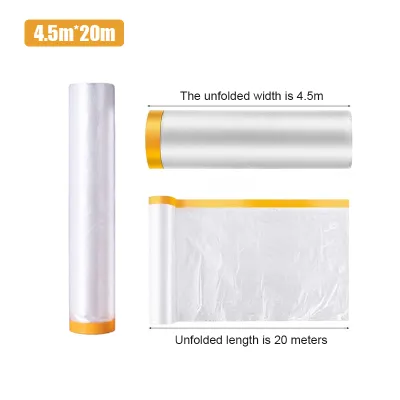
![[2-3 Days Delivery] 4.5m x 20m Plastic Dust Cover Protective Plastic Sheet Disposable Furniture Dustproof Cover Protective Cover Plastic Cover Plastic Film for Home Improvement CNY Gift Present](https://img.lazcdn.com/g/p/37fceab8fc43d4b3b58593d55aae9bcb.jpg_400x400q80.jpg_.webp)



Prices are valid at publication and may change. Please refer to the product page for the latest price.
Next, identify the attachment style of your dust cover sheet. Traditional styles feature a flat fabric platform that sits entirely under the mattress. Modern alternatives include elasticized wrap-around bands, Velcro attachments, or multi-piece panels that adhere directly to the frame. Knowing your sheet’s design helps you prepare the correct securing method and determines whether you will need to lift the mattress completely.
Prepare the workspace by clearing out any storage boxes or loose items currently kept under the bed. Strip the bed of heavy blankets, duvets, and pillows to make the mattress as light as possible. If you are working alone, clearing a wide perimeter around the bed frame ensures you have enough room to move freely and adjust the fabric from all sides.
Finalise the preparation by gathering a few basic tools to help secure the fabric. Keep a pair of fabric scissors handy for trimming loose threads, along with safety pins, double-sided fabric tape, or spiral upholstery pins. Having these items nearby prevents interruptions once you begin positioning the sheet.
Installing on a Platform Bed
Platform beds present a unique challenge because they lack a recessed box spring to hold a traditional bed skirt in place. If you are using a platform style with a flat fabric deck, lay the deck directly over the wooden slats or solid platform base. Ensure the fabric is centred so that the decorative drop hangs evenly on the left, right, and foot of the bed.

For platform beds with a mattress that sits flush on the frame, tucking the edges of the sheet is crucial. If the mattress is lightweight, the dust cover sheet may slide when you make the bed. To prevent this, apply strips of double-sided fabric tape along the outer edges of the wooden slats before laying down the sheet. Press the fabric deck firmly onto the tape to create a temporary, non-damaging bond that keeps the cover aligned.
If your platform bed has a lip or a recessed frame where the mattress sinks in, a traditional flat-deck sheet might bunch up at the corners. In this scenario, a wrap-around dust cover sheet is often a more practical choice. Wrap the elasticized band around the exterior of the platform frame, adjusting the tension so the fabric hangs straight down. This method bypasses the slats entirely and keeps the drop fabric clear of the inner frame.
Once the sheet is positioned, carefully lower the mattress back onto the platform. Check the drop length on all three visible sides to ensure the hem hovers approximately one to two centimetres above the floor. If the fabric drags, it will collect dust and make vacuuming difficult; if it is too high, the under-bed space remains visible. Adjust the tuck depth under the mattress until the hemline is perfectly level.
Installing on a Divan Bed
Divan beds consist of a solid, upholstered box base that provides a sturdy foundation for the mattress. Because the divan base is flat and uniform, it is highly compatible with traditional platform-style dust cover sheets. To begin the installation, you will need to lift the mattress completely off the divan base. Because mattresses can be heavy and awkward to handle, it is highly recommended to perform this step with a second person to prevent back strain.
With the mattress safely set aside, drape the dust cover sheet over the divan base. Align the corners of the sheet’s fabric platform precisely with the four corners of the divan. Take your time to smooth out the central fabric deck, ensuring there are no folds or diagonal wrinkles that could cause the mattress to sit unevenly.
Once the sheet is aligned, carefully lower the mattress back onto the divan base. Avoid dragging the mattress across the base during this step, as the friction can pull the dust cover sheet out of alignment. Instead, lift the mattress high and lower it straight down onto the platform. The heavy weight of the mattress acts as a natural anchor, pressing the sheet firmly against the flat divan surface.
After the mattress is in place, walk around the bed to inspect the hang of the fabric. Adjust any pleats or ruffles at the corners so they fall straight down without twisting. If the divan base has built-in drawers that you rarely use, you can let the fabric hang naturally over them; however, if you need regular access, ensure the fabric can be easily lifted without shifting the entire sheet.
Installing on a Bed with Storage Drawers
Beds with integrated storage drawers require a specialised approach to ensure the dust cover sheet does not interfere with the drawer tracks or handles. A standard, one-piece bed skirt will block the drawers entirely, forcing you to lift the fabric every time you need to retrieve an item. To maintain full functionality, opt for a wrap-around sheet, a multi-piece split panel set, or a dust cover designed specifically for storage beds.
If you are using a multi-piece system, the panels are typically attached individually to the sides of the bed frame. Clean the frame surface above the drawer openings with a dry cloth to remove any dust. Apply adhesive-backed Velcro strips or double-sided fabric tape directly to the frame, then press the corresponding fabric panels onto the strips. This allows you to cover the gaps between the drawers while keeping the drawer fronts completely accessible.
When positioning the panels, pay close attention to the drawer handles and hardware. The fabric should hang cleanly behind or beside the handles so it does not get caught in the drawer slides when opening or closing the compartments. If the fabric is too wide and drapes over the drawer openings, it can easily jam the tracks, leading to torn fabric or damaged drawer mechanisms.
If you find that the fabric panels are slightly too long or wide for your drawer configuration, you may need to customise them. Use fabric scissors to trim any excess material near the drawer tracks or wheels. To prevent the cut edges from fraying over time, apply a thin line of fabric glue along the raw edge, or fold and hem the edge using iron-on hemming tape. This ensures a clean, professional finish that stands up to daily drawer usage.
Securing and Adjusting for a Smooth Finish
Once your dust cover sheet is installed on your specific bed frame, taking a few minutes to finalise the fit will ensure it stays in place and looks polished. Start by smoothing out any wrinkles or bunching along the top platform and the hanging drop. If the fabric has deep creases from being folded in its packaging, use a handheld garment steamer to gently release the wrinkles while the sheet is hanging. Alternatively, iron the sheet on a low heat setting before installation.
Next, perform a thorough alignment check around the entire perimeter of the bed. The corners of the dust cover sheet should align perfectly with the corners of the bed frame, and the hem should rest consistently just above the floor surface. If you notice any sagging or unevenness, adjust the tension of the fabric deck or the wrap-around band until the hemline is uniform.
To prevent the sheet from shifting during daily bed-making or when you toss and turn at night, apply extra fasteners at high-stress points. The footboard corners and the sides of the bed are particularly prone to movement. Inserting spiral upholstery pins through the sheet and into the fabric of a divan base, or using small pieces of double-sided fabric tape on a wooden platform, will lock the cover securely in place.
Finally, test the setup by pulling back the blankets and simulating a sheet change. If the dust cover remains firmly anchored without sliding or bunching, your installation is successful. Regular maintenance involves occasionally checking the fasteners and vacuuming the hem with a brush attachment to keep the fabric free of dust and pet hair.
Frequently Asked Questions (FAQ)
How do I keep the dust cover sheet from slipping off the bed frame?
To prevent a dust cover sheet from shifting, you can place a thin, non-slip rug pad or rubberized drawer liner between the mattress and the fabric platform. This creates friction and stops the sheet from sliding when the mattress moves. For lightweight mattresses or wooden platform beds, applying double-sided fabric tape or hook-and-loop fasteners along the frame edges provides a secure hold. If you are using a fitted or elasticized wrap-around style, check the tension of the elastic band; if it has stretched out over time, you can tighten it by tying a small knot in the elastic or securing it with safety pins at the head of the bed.
Can I wash the dust cover sheet without removing the mattress?
Whether you can wash the dust cover sheet without removing the mattress depends entirely on its attachment style. Traditional flat-platform sheets require you to lift and remove the mattress completely, as the central fabric deck is sandwiched beneath it. However, if you use a wrap-around, elasticized, or Velcro-attached dust cover, you can easily detach the fabric panels or band from the sides of the frame without disturbing the mattress. When washing, always check the manufacturer’s care label. Most cotton and polyester dust covers can be machine washed on a gentle cycle with cool water and tumble dried on low heat to prevent shrinkage and maintain the fabric’s shape.

Community discussion
Share your experience or ask a question. Comments are reviewed before publication.