
Identifying a properly restored Steelcase chair requires a systematic inspection of its mechanical functions, material integrity, and structural components. A genuine, high-quality refurbishment goes far beyond a simple wipe-down; it involves replacing worn parts with compatible components, ensuring the gas cylinder holds pressure, and verifying that the ergonomic adjustments operate smoothly. By focusing on physical indicators, original manufacturing labels, and seller transparency, you can confidently distinguish a professionally restored chair from a hastily patched-up second-hand unit.
The Reality of the Refurbished Office Chair Market
The secondary market for premium office seating is diverse, ranging from official manufacturer-certified programs to independent third-party refurbishers and casual peer-to-peer sales. Understanding these distinctions is crucial because the term “refurbished” is not legally standardized. A manufacturer-refurbished chair typically undergoes a rigorous multi-point inspection and rebuilding process using original equipment manufacturer (OEM) parts, whereas a third-party restoration relies on the specific standards, tools, and replacement parts chosen by that individual seller.
Unfortunately, the popularity of high-end ergonomic chairs has led to an influx of poorly repaired units in the marketplace. Some sellers perform cosmetic touch-ups—such as spraying cheap paint over scratched frames or adding low-density foam over worn seats—while ignoring critical mechanical issues. When evaluating a chair, you must set realistic expectations. Superficial scuffs on the lower plastic base or minor cosmetic blemishes on the outer frame are normal signs of previous use, but structural damage, such as a cracked frame, a wobbly cylinder, or a failing tilt mechanism, indicates a faulty restoration that should be avoided.
Products mentioned in this guide
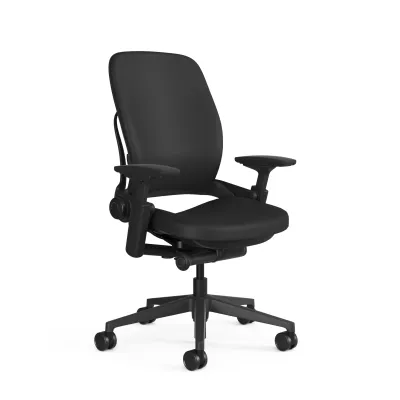
![[Pre-Loved] Steelcase Series 1 Sustainable Ergonomic Office Chair 6 Months Warranty - Newstar Furniture](https://img.lazcdn.com/g/p/ecceaab13c81bbb50612b84be270b3a1.png_400x400q80.png_.webp)
Prices are valid at publication and may change. Please refer to the product page for the latest price.
Essential Quality Checks for a Properly Restored Chair
Before you begin evaluating a refurbished chair, it is essential to set up a proper inspection environment to ensure no hidden defects go unnoticed. Choose a well-lit space, preferably with bright natural light or strong overhead lighting, so you can clearly see the texture of the materials, paint consistency, and any subtle cracks in the plastic or metal. Place the chair on a completely flat, hard surface rather than a thick carpet, as a level floor is necessary to accurately assess the chair’s stability, balance, and caster movement.

Additionally, familiarize yourself with the specific model’s original design and adjustment features by reviewing the manufacturer’s official care and assembly documentation online. Knowing exactly how many levers, dials, and tension controls the chair is supposed to have—and where they are located—prevents you from overlooking missing components or incorrect aftermarket modifications during your physical assessment.
Frame, Base, and Mechanical Components
The mechanical core of an ergonomic chair determines its safety, comfort, and longevity. Begin your inspection by testing the gas cylinder, which controls the height adjustment. Sit on the chair and operate the height lever several times; the movement should be smooth and quiet, and the cylinder must hold your weight without slowly sinking over time. Next, test the tilt tension and angle adjustments by reclining fully and locking the chair in various positions to ensure the internal springs and locking teeth engage securely without slipping or making loud popping noises.
Examine the five-star base and the main frame closely for any structural anomalies. Look for hairline cracks in the nylon or aluminum base, and inspect the joints for unauthorized welds or non-original brackets that suggest a makeshift repair. Turn the chair over to inspect the casters; they should roll freely in all directions and pivot smoothly without excessive play or grinding sounds. Finally, verify the overall stability of the chair by gently shaking the backrest and armrests to ensure there is no excessive wobbling, and check for any remaining weight capacity labels to confirm the structural limits match the original specifications.
Cushions, Mesh, and Upholstery Condition
The seating surface directly impacts your daily comfort and physical support. Press your hand firmly into the center of the seat cushion to evaluate the foam density; a properly restored chair should have firm, resilient foam that bounces back immediately rather than sagging or feeling bottomed-out against the plastic seat pan. If the foam feels uneven, lumpy, or excessively soft, it may indicate that the original padding was not replaced or was substituted with a cheap, low-grade alternative.
For models featuring mesh backrests, run your hands along the entire surface to check for fraying, small tears, or loose threads. Pay close attention to the edges where the mesh meets the frame, ensuring the material is pulled taut and securely anchored without any signs of slipping or improper stretching. Inspect the armrest pads as well, as these are high-wear areas. They should be free of deep scratches, peeling surfaces, or sticky residues, and both pads must match in color, texture, and shape, indicating they were replaced as a complete, compatible pair.
Red Flags That Indicate Poor Restoration Work
Spotting a low-quality restoration often requires looking closely at the hardware and assembly details. One of the most common red flags is the use of mismatched screws, stripped screw heads, or bolts that do not sit flush with the frame. This usually indicates that the seller did not use the correct tools or lost the original hardware during disassembly, potentially compromising the structural integrity of the chair.
Another warning sign is the presence of strong chemical odors, which often stem from cheap spray paint, industrial adhesives, or harsh cleaning agents used to mask stains and scuffs. Inspect the frame for uneven paint finishes, overspray on plastic components, or thick glue residue around the edges of the cushions and armrests. These cosmetic shortcuts suggest that the refurbisher prioritized speed over quality. Furthermore, be wary of non-OEM replacement parts that do not align perfectly with the chair’s original contours, such as armrest pads with noticeable gaps or adjustment levers that feel loose and unresponsive.
Verifying Labels, Tags, and Manufacturer Documentation
To confirm the authenticity and history of the chair, you must locate and inspect the original manufacturer’s identification label. On most Steelcase chairs, this sticker is affixed to the underside of the seat pan or along the central mechanism housing. The label contains vital information, including the exact model number, the original ship date, and the serial number. If this label is missing, defaced, or completely painted over, it is a major warning sign that the chair’s origin cannot be verified.
Once you locate the model number, cross-reference it with official brand resources or authorized dealer databases to confirm that the physical features of the chair match the original factory configuration. Additionally, look for a dedicated refurbishment tag or sticker from the seller. While the format and naming of these tags vary depending on the specific refurbishment program, a reputable restorer will clearly document their work, often listing the date of restoration, the parts replaced, and their contact information for future support.
Navigating Purchasing Channels and Seller Warranties
When shopping for a refurbished ergonomic chair in Singapore, choosing the right purchasing channel is just as important as inspecting the physical product. While general online marketplaces and peer-to-peer platforms may offer lower initial prices, buying from an authorized local dealer or a specialized commercial furniture refurbisher provides a much higher level of security. In Singapore, a properly restored premium chair typically represents a significant investment of several hundred S$, making it essential to protect your purchase with clear, enforceable terms.
Always evaluate the seller’s warranty and return policy before committing to a transaction. A reputable refurbisher will offer a comprehensive warranty—often ranging from one to several years—covering the gas cylinder, tilt mechanism, and structural frame, backed by local after-sales support. Be cautious of sellers who only offer a short “testing warranty” of a few days or weeks. Before making your final decision, request high-resolution photos of the actual unit you will receive, including close-ups of the upholstery, the base, and the identification labels, rather than relying on stock images.
Steps to Take If You Receive a Substandard Unit
If your delivered chair arrives and fails to meet the expected quality standards, taking immediate, documented action is critical. Begin by photographing and video-recording the issues as soon as you unbox the unit, focusing on any mechanical failures, damaged upholstery, or structural instability. Keep all original packaging materials, as many sellers require the chair to be returned in its original box to qualify for a refund or exchange.
Next, review the seller’s return policy and initiate a formal dispute through the online marketplace or payment provider if the seller is unresponsive or refuses to honor their warranty. Clearly present your photo and video evidence to support your claim. If the issue is minor—such as a squeaky caster or a loose armrest pad—and returning the entire chair is logistically difficult or costly, you may consider consulting a qualified local furniture repair professional to assess whether a simple adjustment can resolve the problem safely.
Frequently Asked Questions (FAQ)
Can I replace the gas cylinder on a refurbished chair myself?
While it is physically possible to replace an office chair’s gas cylinder using specialized removal tools, attempting this repair yourself carries safety risks. The cylinder contains highly pressurized gas, and improper installation or the use of incorrect tools can damage the delicate tilt mechanism or the seat pan. Additionally, performing unauthorized structural modifications or using non-compatible aftermarket parts may void any remaining seller warranty, so it is always advisable to have a professional technician handle cylinder replacements.
Does a refurbished chair retain its original manufacturer warranty?
In almost all cases, a refurbished chair does not retain its original manufacturer warranty, as these warranties are typically non-transferable and only apply to the original purchaser. Instead, any warranty coverage is provided directly by the third-party refurbisher or the authorized dealer who restored the chair. Before purchasing, you should verify the specific terms, duration, and coverage details of the seller’s warranty directly with them to ensure you have adequate protection.
Community discussion
Share your experience or ask a question. Comments are reviewed before publication.