
Finding a reliable water proof shoe cabinet in Singapore requires looking past basic marketing labels. With the country’s high relative humidity, frequent tropical downpours, and the common practice of washing HDB corridors, standard wooden furniture often warps, swells, or harbors mold within a few seasons. To secure a storage solution that truly protects your footwear and stands the test of time, you must understand how to evaluate material compositions, structural designs, and brand verification methods. This guide provides a practical framework to help you identify high-quality, moisture-resistant shoe cabinets that can withstand Singapore’s demanding climate.
Understanding "Waterproof" vs. "Water-Resistant" Claims
Marketing terms can be highly misleading when shopping for home storage. A product labeled “water-resistant” is designed to withstand minor, temporary exposure to moisture, such as a few stray drops of rain or a lightly damp sole. However, under prolonged exposure to wet footwear or the persistent ambient humidity of a semi-outdoor balcony, water-resistant materials will eventually absorb moisture. This leads to irreversible structural damage, including swelling, peeling laminates, and structural sagging.
In contrast, a genuinely waterproof shoe cabinet is constructed from materials that are completely impervious to water penetration. Even when subjected to standing water, heavy rain splashes, or saturated footwear, these materials maintain their structural integrity, shape, and finish. For Singapore homeowners, distinguishing between these two terms is crucial. Placing a merely water-resistant cabinet in an HDB corridor or a covered balcony often results in premature failure, whereas a truly waterproof unit offers long-term durability.
Products mentioned in this guide
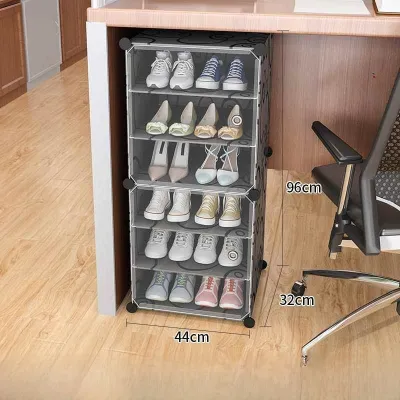
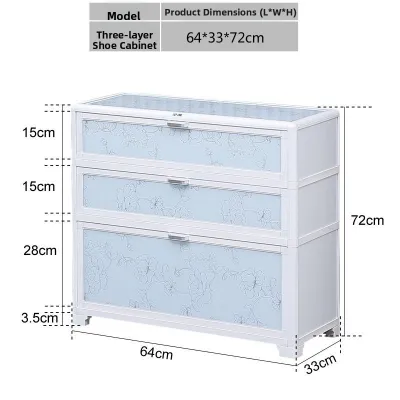
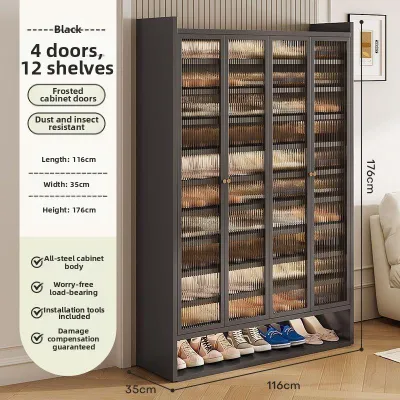
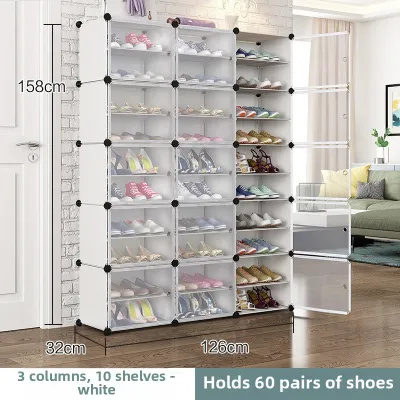
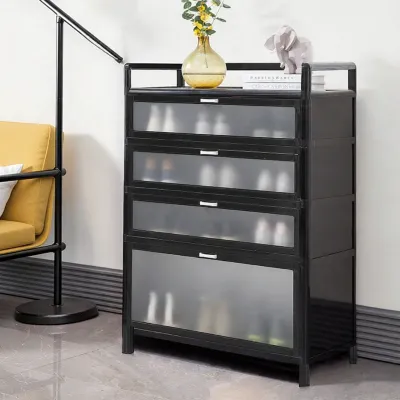
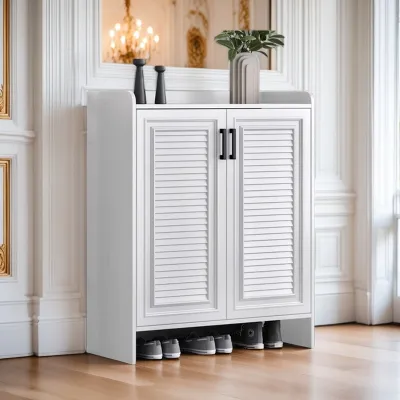
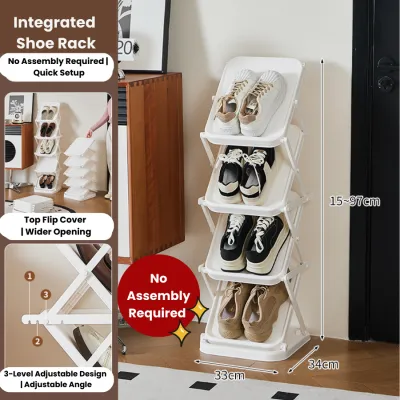
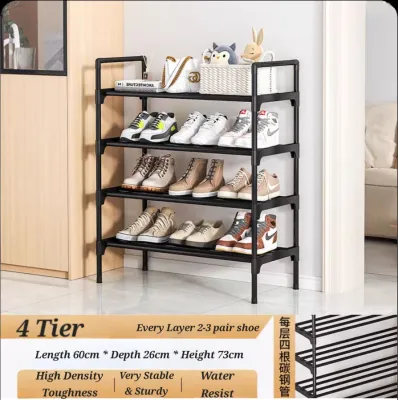
Prices are valid at publication and may change. Please refer to the product page for the latest price.
To avoid costly purchasing mistakes, always look beyond promotional headlines. Review the manufacturer’s detailed product specifications and care guidelines. If the warranty terms exclude damage caused by environmental humidity, liquid contact, or outdoor placement, the cabinet is likely only water-resistant. Reliable brands will explicitly state the limits of their waterproofing and provide clear instructions on suitable installation environments.
Evaluating Materials and Finishes for Humid Climates
The material composition of a shoe cabinet is the single most important factor determining its resistance to moisture. Traditional engineered woods, such as standard particleboard or medium-density fibreboard (MDF), are highly susceptible to water damage. When moisture penetrates the outer laminate of these materials, the internal wood fibers expand, causing the panels to warp and crumble. If you prefer a wood-look aesthetic, look for marine-grade plywood or moisture-resistant MDF, which utilize specialized waterproof adhesives to bind the fibers.

For absolute moisture protection, alternative materials offer superior performance. High-density plastics, such as wood-plastic composites (WPC), polyvinyl chloride (PVC) foam boards, and high-density polyethylene (HDPE), are inherently waterproof. These materials do not absorb water, meaning they are completely immune to rotting, warping, and mold growth. When selecting plastic or composite cabinets, verify the material’s thickness and internal reinforcing structures to ensure the shelves will not sag under the weight of multiple pairs of shoes.
Metals are another highly durable option, provided they feature the correct finish. Aluminum is naturally rust-resistant and highly suitable for humid environments. Steel cabinets can also be exceptionally durable, but they must be treated with a high-quality, seamless powder coating. This coating acts as a physical barrier, preventing oxygen and moisture from reaching the underlying metal. Inspect the cabinet for any exposed metal edges, scratches, or thin spots in the coating, as these areas are highly vulnerable to rust.
Regardless of the primary material, pay close attention to the edge banding on any paneled surfaces. Edge banding is the thin strip of material used to seal the exposed edges of furniture panels. Standard hot-melt glues can degrade over time when exposed to humidity, allowing moisture to seep into the core. Look for cabinets that utilize laser-fused or polyurethane (PUR) edge banding, which create a seamless, watertight seal that prevents delamination.
Structural Features That Protect Against Moisture
Beyond material selection, the physical design of a shoe cabinet plays a critical role in protecting both the furniture piece and the footwear stored inside. One of the most important structural features to look for is an elevated base or raised legs. In Singapore, common corridors are regularly washed by town councils, and balconies are prone to rainwater pooling during sudden monsoons. A cabinet that sits directly on the floor will trap water underneath, leading to mold growth and material degradation. Choosing a model with legs elevated at least 5cm to 10cm off the ground ensures proper clearance, simplifies floor cleaning, and keeps the cabinet base dry.
The quality of the hardware is another vital consideration. Hinges, handles, drawer slides, and shelf support pegs are often the first components to fail in humid climates. Standard steel hardware will quickly develop rust, leading to squeaking doors, stiff drawers, and unsightly orange stains. Prioritize cabinets equipped with rust-proof hardware, such as 304-grade stainless steel hinges or aluminum handles. If the cabinet features hydraulic soft-close hinges, verify that the hydraulic mechanism is sealed and rated for high-humidity environments.
Ventilation is equally essential for maintaining a dry interior. Placing damp or sweaty shoes inside a completely sealed cabinet creates a high-humidity microclimate. This trapped moisture encourages the growth of mold, mildew, and unpleasant odors, which can ruin leather and fabric shoes. Look for cabinets designed with built-in ventilation features, such as louvered doors, slatted panels, or breathable back vents. These designs promote continuous airflow, allowing residual moisture to evaporate naturally while still protecting your shoes from dust and direct rain splashes.
How to Verify Brand Reliability and Warranty Coverage
When shopping for a water proof shoe cabinet, verifying the reliability of the brand is essential to ensure you are receiving a high-quality product. Because many retailers use generic marketing terms, you must look for concrete indicators of brand credibility. Start by carefully analyzing the manufacturer’s warranty policy. A reputable brand that stands behind its waterproof claims will offer a clear, written warranty that covers structural warping, material delamination, and hardware rust under normal usage conditions. Be wary of brands that offer long warranties but include extensive clauses excluding water or humidity damage.
Customer reviews provide valuable real-world insights into how a cabinet performs over time in Singapore’s tropical climate. When browsing reviews on local e-commerce platforms or independent forums, look for feedback from buyers who have owned the product for at least six months to a year. Search for specific keywords such as “rust,” “mold,” “swelling,” or “balcony use.” If multiple reviews mention that the hinges rusted within a few months or that the shelves began to sag, it indicates that the materials used may not be suitable for high-humidity environments.
Additionally, consider the brand’s local presence and customer support infrastructure. Purchasing from a brand with a physical showroom in Singapore allows you to inspect the build quality, material thickness, and hardware functionality in person before buying. A local presence also makes it much easier to contact customer service, claim warranty benefits, or source replacement parts if a component eventually wears out. Brands that offer readily available replacement hinges, shelves, or leveling feet demonstrate a commitment to product longevity.
Space Planning and Pre-Purchase Checks
Before finalizing your purchase, thorough space planning is necessary to ensure the cabinet fits your home and meets your practical needs. Begin by measuring the designated installation area. If you plan to place the cabinet in an HDB corridor, you must comply with the Singapore Civil Defence Force (SCDF) fire safety guidelines. These regulations require maintaining a minimum clear escape passage of 1.2 meters along the corridor. Measure the depth of the cabinet with the doors fully closed, and ensure that opening the doors does not obstruct the walkway or block your main entryway.
Next, evaluate the internal storage capacity and configuration. Measure the height and depth of your largest shoes to ensure they will fit comfortably on the shelves without being bent or squished. Look for cabinets with adjustable shelving systems, which allow you to customize the interior layout to accommodate flat shoes, sneakers, and tall boots. Verify the maximum load capacity per shelf, as storing multiple pairs of heavy footwear can cause thin or poorly supported shelves to bow over time.
Finally, consider the delivery, assembly, and installation requirements. Ensure that the packaged boxes or the fully assembled cabinet can fit through your doorway, lift, and hallways. If the cabinet is tall, narrow, or top-heavy, it poses a potential tip-over hazard. Check if the manufacturer provides wall-anchoring hardware and instructions. If you are installing the cabinet on a balcony or corridor wall, verify if drilling is permitted in your building and ensure you use the correct wall plugs for concrete or masonry surfaces to secure the unit safely.
Routine Care to Prevent Moisture Buildup
Even the most durable waterproof shoe cabinet requires routine care to maintain its appearance and prevent internal moisture buildup. For regular cleaning, wipe down the exterior and interior surfaces with a soft, damp microfiber cloth. Avoid using abrasive scrubbing pads, steel wool, or harsh chemical cleaners containing bleach or strong solvents, as these can scratch the surface or strip away protective powder coatings and UV-resistant finishes. If a deeper clean is needed, use a mild dish soap diluted in warm water, and dry the surfaces thoroughly afterward.
Managing how you store your footwear is equally important for preventing mold and odors. Avoid placing soaking wet or muddy shoes directly into an enclosed cabinet. Instead, leave them to air-dry completely on an open doormat or a temporary drying rack before moving them to the main storage unit. This simple habit drastically reduces the amount of moisture introduced into the cabinet’s interior.
To further control humidity levels inside the cabinet, utilize passive moisture absorbers. Placing replaceable desiccant tubs, silica gel packets, or activated charcoal bags on the shelves helps absorb residual dampness and neutralize odors. Regularly open the cabinet doors for a few hours during dry, sunny days to encourage maximum airflow and refresh the interior environment.
Frequently Asked Questions (FAQ)
Can I place a shoe cabinet on an exposed balcony?
Placing a shoe cabinet on a fully exposed balcony requires extreme caution. Standard waterproof cabinets designed for indoor or semi-outdoor use may not withstand direct, heavy rainfall and intense UV exposure. Over time, sunlight can degrade plastics, cause colors to fade, and weaken structural components, while driving rain can bypass standard door seals. If you must place a cabinet on an exposed balcony, ensure it is explicitly rated for outdoor use, features UV-resistant materials, and is securely anchored to prevent wind damage.
What should I do if I spot mold inside the cabinet?
If you spot mold inside your cabinet, remove all shoes immediately and wipe down the affected areas with a soft cloth dampened with a mild solution of white vinegar and water or a specialized gentle mold cleaner. Avoid harsh scrubbing that could damage the material’s finish. Allow the cabinet to dry completely with the doors open in a well-ventilated area. Before returning your shoes, inspect them for mold, clean them thoroughly, and place a fresh moisture absorber inside the cabinet to prevent future outbreaks. If mold has deeply penetrated the material or compromised the structure, consult the manufacturer for guidance.

Community discussion
Share your experience or ask a question. Comments are reviewed before publication.