
Finding the right replacement roller wheel—often called a caster—for your office chair, kitchen trolley, or cabinet involves more than matching the color or general shape. A mismatched wheel can damage your flooring, cause the furniture to wobble, or fail entirely under load. To get the perfect fit, you must systematically identify the mounting style, measure the stem or plate dimensions with precision, calculate the weight capacity, and choose a wheel material compatible with your home’s floors. Taking these steps before you order ensures a smooth, stable roll and protects your investment.
Identify the Mount and Stem Type
Before purchasing any replacement parts, you must determine how the existing roller wheel attaches to your furniture. Roller wheels generally fall into two main categories: stem mounts, which insert directly into a hole or socket in the furniture leg, and plate mounts, which screw flat against the underside of the furniture base.
To inspect the mounting mechanism, you will need to carefully remove at least one of the existing wheels. For a stem mount, turn the furniture on its side or upside down, grip the wheel firmly, and pull it straight out. If it resists, a gentle pry with the flat edge of a screwdriver can help pop it free. For threaded stems, you will need to unscrew the wheel counterclockwise. For plate mounts, use a screwdriver or drill to remove the mounting screws.
Products mentioned in this guide
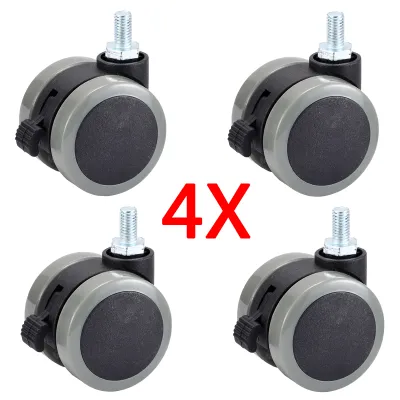
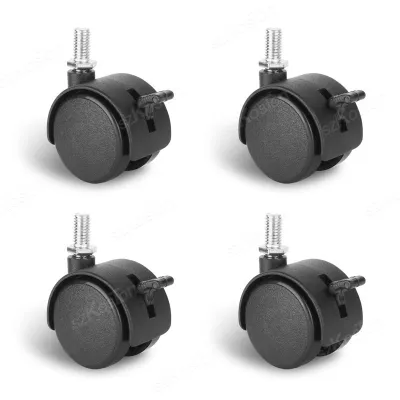
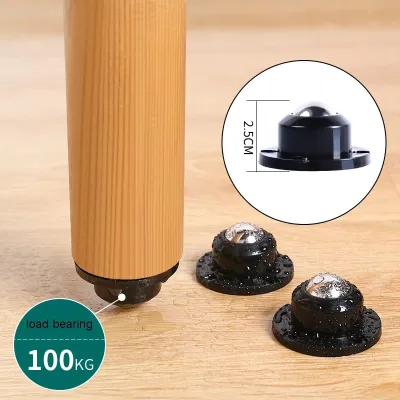
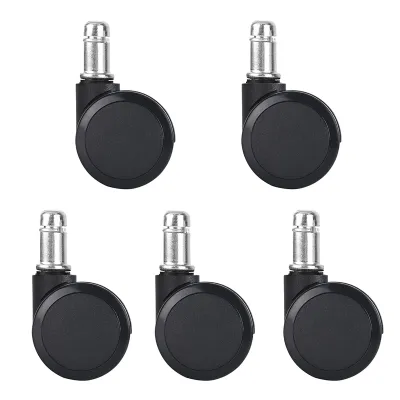
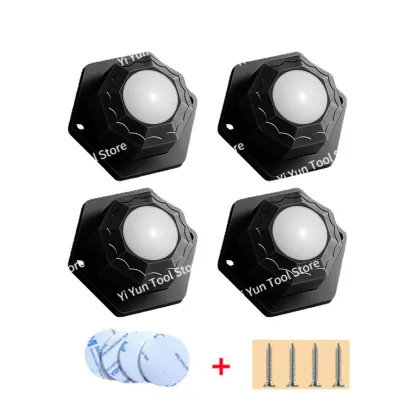
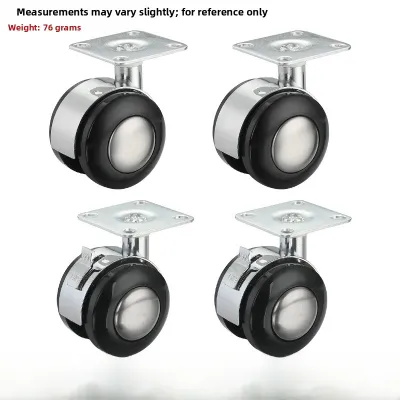
![[SG Seller]Truslink 5PCs 3 Inch Office Chair Caster Wheels Roller Rollerblade Style Castor Wheel Replacement PU Wheel](https://img.lazcdn.com/g/p/4157aea7284404087fad9be9f0d36a0d.png_400x400q80.png_.webp)
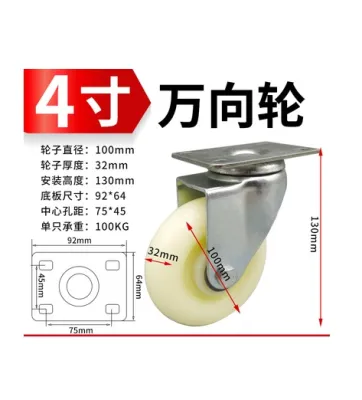
Prices are valid at publication and may change. Please refer to the product page for the latest price.
Once the wheel is free, examine the stem closely. A grip ring stem features a small metal ring near the top that compresses when pushed into the socket, holding the wheel in place through tension. A threaded stem looks like a bolt and screws directly into a threaded metal insert. A friction or grip neck stem is typically wider at the base and tapers toward a flared top, common in wooden furniture legs. If there is no stem but rather a flat metal square with screw holes, you have a plate mount. Inspect the furniture leg itself to see if the receiving socket or threaded insert is still intact, as a damaged socket will prevent a new stem from holding securely.
Measure the Wheel and Stem Dimensions
Accurate measurements are the most critical part of this process. Even a discrepancy of one millimeter can make a replacement wheel completely unusable. While a standard ruler can work, using a digital caliper will provide the precise measurements needed for a perfect match.

First, measure the wheel diameter. This is the distance from one edge of the wheel tread to the opposite edge, measured straight through the center hub. Matching the original diameter is essential to keep your furniture level. If you only replace one or two wheels on a piece of furniture, a larger or smaller wheel will cause the item to tilt, which can misalign cabinet doors, cause drawers to slide open on their own, or create an unstable surface.
Next, measure the stem dimensions. For grip ring and friction stems, measure the stem’s diameter at its widest point (excluding the grip ring itself) and its total length from the base of the stem to the tip. For threaded stems, you must determine both the bolt diameter and the thread pitch. You can check this by taking the old stem to a local hardware store in Singapore to test it against a thread gauge, or by measuring the threads carefully with a caliper. For plate mounts, measure the length and width of the top plate, as well as the distance between the centers of the screw holes to ensure the new plate aligns with the existing screw holes in your furniture.
Finally, measure the overall mounting height. This is the total distance from the floor to the point where the stem or plate meets the furniture. This measurement helps you verify that the new caster assembly will maintain the original clearance height of your furniture, preventing it from scraping against rugs or sitting too low to the ground.
Calculate the Required Load Capacity
Every roller wheel is rated for a specific maximum weight. Exceeding this limit can cause the wheel to deform, the bearings to seize, or the stem to bend, potentially dropping the furniture and damaging your floors. To find the correct load capacity, you must calculate the total weight the wheels must support.
Start by estimating the weight of the furniture piece itself. Next, add the maximum weight of its contents. For an office chair, this includes the weight of the heaviest user. For a sideboard, bookshelf, or kitchen trolley, factor in the weight of books, heavy kitchen appliances, or stored items. For example, if a solid wood sideboard weighs 60 kg and holds up to 40 kg of dinnerware, the total weight to support is 100 kg.
To find the required capacity per wheel, do not simply divide the total weight by the total number of wheels. In the real world, floors are rarely perfectly flat, and weight is seldom distributed evenly. When you move a piece of furniture, it will momentarily balance on only three wheels as it rolls over tile grout lines, rug edges, or uneven floorboards. Therefore, always divide the total weight by three instead of four. For our 100 kg sideboard, each wheel should have a minimum load rating of approximately 34 kg. Applying this safety margin ensures the casters can handle dynamic stress and sudden shifts in weight without failing.
Select the Wheel Material for Your Floor Type
Choosing the right wheel material is essential to protect your home’s flooring and ensure quiet, effortless movement. The general rule of thumb is to pair soft wheels with hard floors and hard wheels with soft floors.
If your home features hard flooring—such as parquet, luxury vinyl tiles (LVT), homogeneous tiles, or polished marble—opt for soft tread wheels. These are typically made of polyurethane, thermoplastic rubber, or soft rubber. Soft wheels absorb vibrations, roll quietly, and grip the floor gently, preventing the unsightly scratches, scuffs, and track marks that can ruin expensive flooring. In Singapore’s humid climate, high-quality polyurethane wheels are highly recommended as they resist degradation from moisture and floor cleaning agents.
If your furniture sits on carpeted surfaces, hard wheels made of nylon, polypropylene, or hard plastic are the better choice. Hard wheels do not sink deeply into the carpet pile, making it much easier to push or pull the furniture. They glide over the fibers rather than pulling or snagging them. However, if you have a low-pile rug over a hardwood floor, ensure the wheel material is still gentle enough not to press through the rug and dent the wood underneath. Always check your flooring manufacturer’s care guidelines, as using the wrong caster material can sometimes void your flooring warranty.
Decide Between Replacement and Professional Repair
Before you purchase and install new roller wheels, evaluate the structural integrity of the furniture’s mounting points. A brand-new caster cannot function properly if the wood or metal surrounding it is compromised.
Inspect the area around the wheel mount for signs of wear or damage. Look for cracked wooden legs, stripped threads in metal inserts, or bent mounting plates. If a socket has widened over time, a new grip ring stem will wobble and eventually fall out. If the wood around a plate mount is split or rotting, screwing a new plate into the same spot will not hold under weight.
If you discover structural damage, a simple DIY wheel swap may not be safe. In these cases, it is best to consult a professional furniture repair service. They can reinforce split wooden legs with dowels or epoxy, install new threaded metal inserts, or repair the base structure. If the mounting point is completely sound, replacing the entire caster assembly—including both the wheel and the receiving socket—is often safer and more reliable than trying to force a new wheel into an old, worn-out socket.
Frequently Asked Questions (FAQ)
Can I use a larger roller wheel to make my furniture taller?
It is generally not recommended to install larger wheels solely to increase furniture height. Raising the height alters the furniture’s center of gravity, making it top-heavy and significantly increasing the risk of tipping over when moved. Additionally, taller wheels can change the alignment of drawers and doors, or cause the piece to interfere with adjacent walls and furniture. If you need more height, look for dedicated furniture risers designed for stability.
What should I do if the new stem is slightly too loose in the socket?
If a new stem wobbles or slips out of the socket, do not attempt to fix it with temporary adhesives, tape, or makeshift shims. These temporary fixes will quickly fail under the weight of the furniture, leading to sudden collapses. Instead, use a caliper to re-measure your socket and return the wheels for the exact matching stem diameter. Alternatively, you can replace the old socket sleeve inside the furniture leg with a new one that matches your new stem perfectly.
Community discussion
Share your experience or ask a question. Comments are reviewed before publication.