
An authentic japan coffee table is more than just a low-profile surface to place a cup of tea; it is a physical manifestation of spatial harmony, architectural history, and mindful living. Rooted in centuries of floor-sitting culture, Japanese furniture design prioritizes quiet utility, clean structural lines, and the preservation of natural materials. When shopping for your living room, recognizing these subtle but deliberate design elements allows you to distinguish a genuine, thoughtfully crafted piece from a mass-produced imitation.
For homeowners in Singapore, integrating a Japanese-style coffee table offers both aesthetic and spatial benefits. In compact urban apartments, lowering the visual plane of your furniture creates an immediate sense of openness and vertical space. However, selecting the right piece requires a close examination of materials, construction techniques, and proportions to ensure the table not only looks authentic but also withstands the demands of a tropical climate. By understanding the core design principles of these tables, you can make an informed investment that brings lasting balance to your home.
Understanding the Philosophy: Minimalism and Floor-Level Living
To appreciate the physical characteristics of a Japanese-style coffee table, one must first understand the floor-sitting culture that shaped its evolution. Historically, daily life in traditional Japanese homes occurred directly on tatami mats. This lifestyle gave rise to the chabudai, a low, often collapsible wooden table used dynamically throughout the day for dining, working, and social gatherings. Because rooms served multiple functions, these tables had to be lightweight, easily moved, and perfectly proportioned for those sitting on floor cushions (zabuton).
Products mentioned in this guide
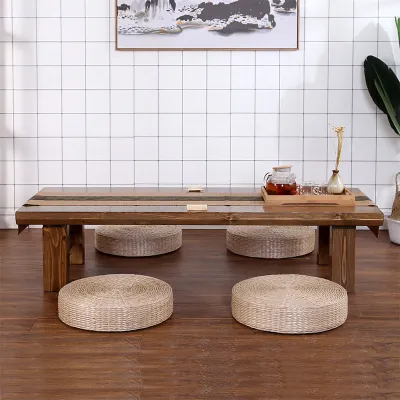
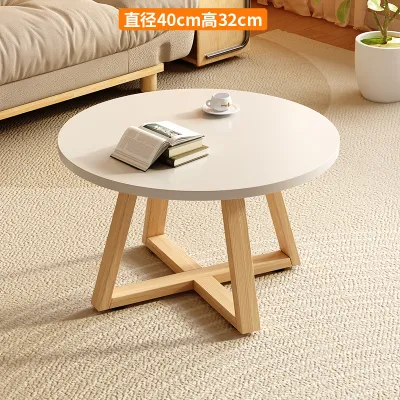
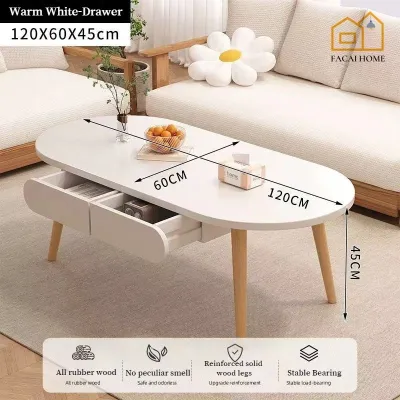


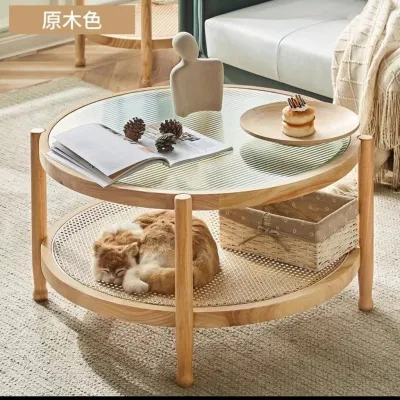

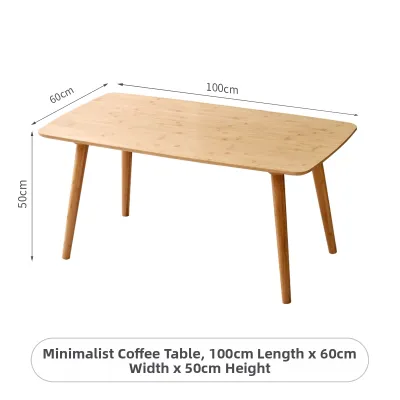
Prices are valid at publication and may change. Please refer to the product page for the latest price.
Modern Japanese coffee tables retain this close connection to the ground, maintaining a low-profile silhouette that encourages a relaxed, grounded posture. By keeping the center of gravity low, these pieces preserve open sightlines across the room. This design philosophy aligns with the concept of ma, the artistic interpretation of empty space, which suggests that the void around an object is just as important as the object itself. A low table allows light and air to circulate freely, preventing the living room from feeling crowded or visually heavy.
Furthermore, the aesthetic of these tables is deeply influenced by wabi-sabi, the philosophy of finding beauty in transience and imperfection. Rather than masking the natural characteristics of timber, Japanese design celebrates them. A knot in the wood, an irregular grain pattern, or a subtle variation in color is not treated as a defect to be sanded away or covered with thick paint. Instead, these organic details are highlighted, serving as a reminder of the material’s natural origins and the passage of time.
Minimalism in Japanese furniture is never sterile or merely decorative; it is a deliberate process of subtraction. Every leg, apron, and joint exists because it serves a clear structural purpose. There are no unnecessary carvings, applied moldings, or superficial embellishments. The beauty of the piece lies entirely in its clean lines, balanced proportions, and the raw elegance of its materials, resulting in a quiet presence that complements rather than dominates your living space.
Identifying Authentic Materials and Natural Wood Finishes
Authentic Japanese coffee tables are defined by their reliance on high-quality, sustainably sourced timber that showcases prominent, expressive grain patterns. Traditional craftspeople select wood species not just for their strength, but for their visual character and tactile qualities. Recognizing these species and understanding how they are finished is a crucial step in verifying a table’s authenticity.

Traditional Wood Species
When inspecting a table, look for specific wood types commonly used in authentic Japanese furniture design. White oak (nara) is highly favored for its exceptional durability, prominent grain rays, and warm, neutral tone. Japanese ash (tamo) is another classic choice, celebrated for its dramatic, undulating grain patterns that add organic movement to a minimalist tabletop. For a deeper, richer color palette, walnut is frequently utilized, offering a smooth texture and excellent structural stability. Softwoods like Japanese cedar (sugi) and cypress (hinoki) are also traditional, valued for their fragrant aroma and light, clean appearance, though they are softer and more prone to character-building dents over time.
Natural Accents
In addition to solid hardwoods, authentic designs often incorporate natural, woven accents to introduce texture and visual lightness. Look for lower storage shelves or sliding panels made from woven bamboo, rattan, or rush grass (igusa). These materials provide a delicate contrast to the solid timber frame, allowing air to pass through and preventing dust from accumulating in enclosed compartments.
Surface Finishes
An authentic Japanese finish should always feel warm, dry, and distinctly organic to the touch. Traditional makers use natural oils, such as tung oil or linseed oil, and natural beeswax to protect the wood. These finishes penetrate deep into the fibers, shielding the timber from moisture while leaving the natural pores open. For premium or heritage pieces, traditional urushi lacquer may be applied in thin, hand-polished layers, resulting in a durable, lustrous surface that deepens in character over decades.
The Synthetic Contrast
Be highly skeptical of tables coated in thick, high-gloss polyurethane, polyester, or synthetic laminates. These plastic-like coatings create a cold, reflective barrier that completely masks the natural texture of the wood. If the surface feels glassy, cold, and entirely uniform, it is likely a mass-produced imitation. A genuine piece should allow you to feel the subtle ridges and valleys of the wood grain when you run your fingertips across the top.
Climate Considerations for Singapore Homes
Because Singapore experiences high relative humidity year-round, solid wood furniture requires careful consideration. Timber is a hygroscopic material, meaning it naturally absorbs and releases moisture, causing it to expand and contract. In a tropical climate, an improperly dried or sealed solid wood table can warp, cup, or split over time.
To ensure longevity in Singapore, verify that the solid wood has been thoroughly kiln-dried to a stable moisture content before manufacturing. Alternatively, look for high-quality engineered timber cores—such as multi-layered plywood—faced with thick, genuine natural wood veneers. This construction method provides exceptional resistance to warping in humid environments while preserving the exact visual and tactile qualities of solid timber.
Evaluating Proportions: The Low-Profile Aesthetic and Visual Weight
Proportion is the cornerstone of Japanese furniture design. A table must balance its physical dimensions with a sense of visual lightness, ensuring it does not overwhelm the surrounding space. When evaluating a table’s proportions, pay close attention to its height, leg design, and edge detailing.
Height and Clearance
Traditional Japanese coffee tables are significantly lower than their Western counterparts. While a standard Western coffee table typically stands between 40 and 50 centimeters high, an authentic low-profile Japanese design generally measures between 20 and 35 centimeters from the floor. This height is optimized for sitting directly on the floor or on low-profile cushions.
Before purchasing, measure your existing living room layout. If you plan to pair the table with a standard sofa, ensure the sofa’s seat height is relatively low—ideally under 40 centimeters. A massive, deep-seated sofa paired with an ultra-low table can make reaching for a cup of tea physically awkward and visually unbalanced. Additionally, measure your doorway, lift access, and hallway clearances to guarantee the table can be safely delivered and maneuvered into your apartment.
Leg Design and Base
Inspect the legs and base of the table to assess its visual weight. Authentic pieces feature slender, clean-lined legs that maintain a sense of structural elegance. Look for tapered legs that gently narrow toward the floor, round dowel-style legs, or simple square profiles. Avoid tables with bulky, blocky legs, heavy pedestal bases, or ornate turned wood details. The base should feel open and airy, allowing light to pass underneath the table to keep the room feeling spacious.
Edge Detailing
Run your hands along the edges of the tabletop. Authentic Japanese design avoids sharp, harsh 90-degree corners and complex, heavy routing. Instead, look for subtly eased edges, gentle bevels, or soft, organic curves that are pleasant to touch. These softened profiles reduce the visual bulk of the tabletop, making the piece feel lighter and safer for households with young children or pets.
Inspecting Joinery and Construction for Authentic Craftsmanship
To truly verify the quality and authenticity of a Japanese-style coffee table, you must look beneath the surface. Traditional Japanese woodworking, known as sashimono, is world-renowned for its reliance on complex, interlocking wood-to-wood joints that require no nails, screws, or modern adhesives. While contemporary production often incorporates some modern elements, the presence of traditional joinery techniques is a primary indicator of authentic craftsmanship.
Traditional Joinery Techniques
Examine the connection points where the legs meet the aprons and the tabletop. Look for visible signs of interlocking joinery, such as mortise-and-tenon joints, sliding dovetails, or exposed wooden dowels and pegs. These joints are not only incredibly strong but also allow the wood to expand and contract naturally with seasonal humidity changes. By avoiding rigid metal fasteners, the timber can breathe without cracking or pulling the joints apart.
Hardware and Underside Inspection
Always peer underneath the table to inspect its construction. A high-quality, authentic piece will minimize the use of visible metal brackets, shiny wood screws, or plastic corner blocks. While discreet, high-quality metal hardware is sometimes used in modern flat-pack designs to facilitate shipping, the extensive use of cheap L-brackets, staples, or heavy wood glue is a clear sign of a low-quality replica. The underside should be finished with the same care and attention to detail as the top surface.
Grain Matching and Detailing
High-quality furniture makers pay meticulous attention to grain direction and alignment. Inspect the tabletop to see how the individual wood planks are joined. Premium tables feature carefully matched grain patterns—such as book-matching, where adjacent wood slices mirror each other—to create a harmonious, continuous design across the surface. The grain on the table’s aprons and legs should also align logically, demonstrating that the craftsman carefully selected and positioned each piece of timber during assembly.
Stability and Weight-Bearing Checks
Because low-profile coffee tables are frequently used as informal writing desks, footrests, or temporary seats, they must possess excellent structural integrity. Test the table by applying gentle lateral force to the tabletop. A well-constructed table with high-quality joinery will remain completely rigid and silent. If the table wobbles, sways, or creaks under mild pressure, the joints are poorly engineered or loose, indicating that the piece will not withstand daily use.
The Buyer’s Checklist: How to Verify Authentic Japanese Design
When shopping in-store or browsing online marketplaces, use this structured diagnostic checklist to evaluate potential purchases and avoid low-quality imitations.
- Verify the Finished Dimensions: Ensure the table's height falls within the traditional 20 to 35-centimeter range. Check that the length and width are compatible with your living room's available space, leaving at least 30 to 45 centimeters of clearance between the table and your seating for comfortable movement.
- Inspect the Underside: Look for clean wood-to-wood joinery, such as mortise-and-tenon or dovetails. Check for and avoid excessive metal brackets, staples, or visible glue squeeze-out.
- Feel the Finish: Touch the wood surface. It should feel warm, textured, and natural, indicating an oil, wax, or matte lacquer finish. Avoid cold, perfectly smooth, or glassy plastic-like coatings.
- Check the Wood Species: Read the manufacturer's product label. Look for specified hardwoods like oak, ash, walnut, or cherry. Be wary of generic labels like "hardwood solids" or "solid wood mix," which often mask low-grade materials.
- Test for Stability: Gently shake the table laterally. It should feel solid, heavy for its size, and completely silent. Any wobbling or creaking is a major red flag.
Red Flags to Avoid
- MDF with Printed Vinyl Wrap: Many budget-friendly tables use medium-density fiberboard (MDF) covered in a thin plastic film printed with a wood-grain pattern. These pieces lack the warmth, texture, and durability of real wood, and they cannot be repaired if scratched or damaged by moisture.
- Ornate or Heavy Carvings: Heavily carved legs, complex baroque curves, or decorative gold trim are entirely contrary to the minimalist, nature-focused philosophy of Japanese design.
- Thick, Heavy Aprons: A very deep wooden apron directly beneath the tabletop adds unnecessary visual bulk and severely restricts legroom if you choose to sit on the floor.
The Decision Path
When deciding whether to purchase a piece, weigh its authenticity against your practical household needs. If you find a table that uses minor modern adaptations—such as high-quality kiln-dried timber, a protective matte moisture sealant, or discreet steel reinforcement plates underneath—these are highly acceptable and often beneficial for maintaining stability in Singapore’s humid climate. However, if a table fails the basic checks for stability, uses cheap printed vinyl wraps, or relies on poor joinery, it is best to walk away and continue your search for a piece that truly honors the art of Japanese craftsmanship.
Frequently Asked Questions (FAQ)
How do I style a Japanese coffee table in a modern living room?
To respect the minimalist philosophy of the table, keep the surface uncluttered. Display only a few carefully curated items, such as a single ceramic vase, a small bonsai, or a simple stone tray. Use natural textiles, such as a linen or cotton table runner, to add soft texture. To maintain spatial harmony, pair the table with low-profile sofas or place comfortable floor cushions (zabuton) nearby, allowing guests to experience the traditional floor-level living style comfortably.
Is solid wood strictly required for an authentic Japanese-style coffee table?
While solid wood is traditional and ages beautifully, it is not strictly mandatory for a high-quality Japanese-style table. In humid climates like Singapore, premium natural wood veneers bonded to stable engineered cores (such as high-density fiberboard or multi-layered plywood) are highly practical. This construction method resists warping and splitting caused by moisture fluctuations while still providing the authentic visual grain, warmth, and tactile feel of solid timber on all visible surfaces.
Community discussion
Share your experience or ask a question. Comments are reviewed before publication.