
Taming the fitted sheet is one of the most common household organization hurdles. Because of their rounded corners and elasticized edges, these sheets often end up rolled into awkward, bulky bundles that clutter your linen closet and trap unwanted air. However, achieving a perfectly flat, square fold is not an innate talent; it is a mechanical process that anyone can master with the right spatial approach. By learning how to nest the corners of the sheet, you can transform a chaotic loop of elastic into a crisp, stackable rectangle. This systematic approach to bedsheet organization not only saves valuable cupboard space but also keeps your linens looking pristine and ready for use.
Implementing a structured folding routine reduces fabric wear and tear. When sheets are shoved into cupboards in messy clumps, the elastic bands remain under uneven tension, and the fabric develops deep, stubborn creases. Learning a reliable folding technique ensures that your bedding is stored under uniform conditions, preserving the elasticity and texture of the material over time. Whether you are managing lightweight cotton, slippery silk, or heavy linen, the same fundamental principles of corner alignment will yield a neat, compact result every time.
Prepare Your Space and the Fitted Sheet
Before you begin folding, setting up your environment is essential for a smooth, frustration-free process. Trying to fold a large piece of fabric while balancing it in mid-air or working on a cluttered surface almost guarantees that the corners will slip out of alignment. Instead, clear off a spacious, flat area that allows you to spread the fabric out completely. A freshly made bed, a clean dining table, or a large, swept floor provides the necessary room to manage the sheet’s dimensions without the fabric dragging on surrounding objects.
Products mentioned in this guide
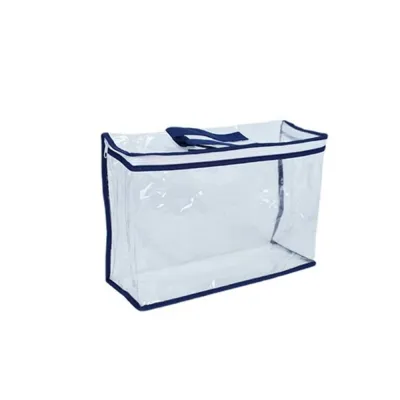
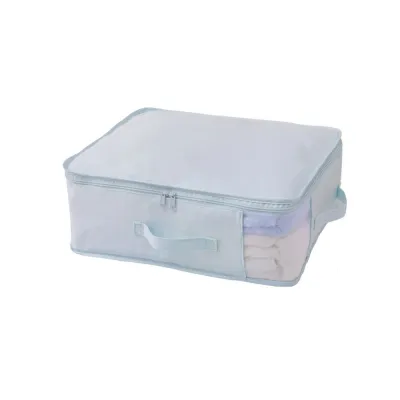
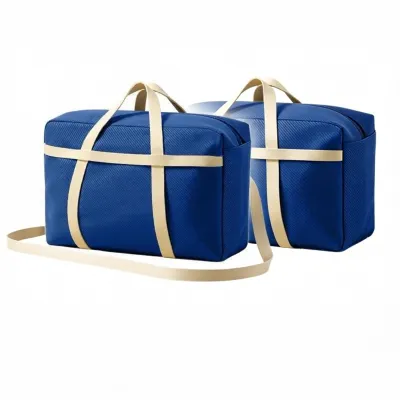
7 Lazada user ratings
It's really cheap, I bought it to complete my order. I'll see how the quality is once I use it. If it's good, then it definitely deserves my…Read full reviewShow less
It's really cheap, I bought it to complete my order. I'll see how the quality is once I use it. If it's good, then it definitely deserves my five-star rating!
This storage bag is really nice! The design is quite cute, and it made me really happy to get it.
I feel really secure after using the blanket, and it does a great job at keeping moisture away.
It's great that it can be moved and has two zippers, making it really handy.
It's quite large, very easy to use, and very sturdy.
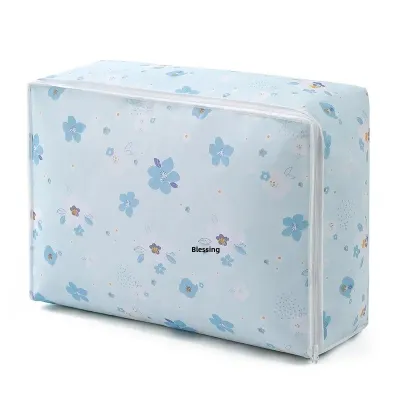
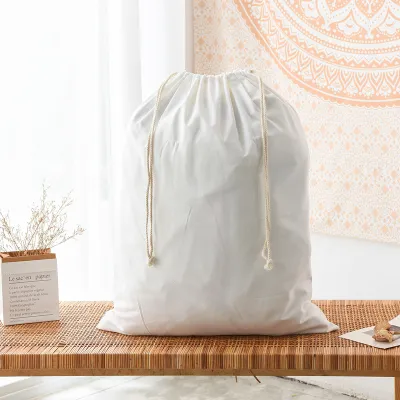
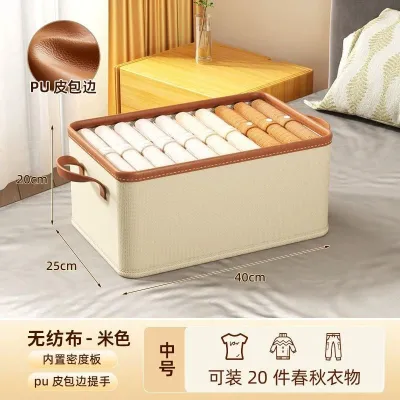
5 Lazada user ratings
These bags design looks nice but material are too thin to hold itself up if not full.
Soft material cant hold up by itself if not full.
Prices are valid at publication and may change. Please refer to the product page for the latest price.
Dryness is another critical factor in successful fabric storage. Before folding, verify that your fitted sheet is completely dry, paying close attention to the gathered elastic corners where moisture tends to linger. Storing even slightly damp linens in a closed cupboard traps humidity, creating an ideal environment for musty odors and mildew. Once you are certain the fabric is dry, give the sheet a vigorous shake to release static cling and smooth out major wrinkles by running your hands across the surface, locating the four corner seams to prepare for the folding process.
The Step-by-Step Corner-Tucking Folding Method
To fold a fitted sheet successfully, you must first understand its anatomy. The goal of this method is to consolidate the four rounded, elasticized corners into a single corner, which naturally coaxes the rest of the sheet into a flat, manageable rectangle. Start by standing up and holding the sheet along its shorter side. Place your hands directly inside the top two adjacent corners, ensuring the sheet is inside out so the corner seams rest directly on your fingertips.

Next, bring your hands together, meeting at the center. Take the corner in your right hand and flip it over the corner in your left hand, nesting them together so that the right corner now envelops the left. Once these two corners are joined, slide your right hand down the edge of the sheet to locate the bottom corner on the same side. Bring this bottom corner up and tuck it into the top two nested corners. Finally, locate the remaining bottom corner and tuck it over the other three, leaving you with all four corners nested together on one hand.
With all four corners securely nested, lay the gathered sheet flat onto your prepared surface. At this stage, the sheet will not look like a perfect square; instead, the elasticized edges will form a distinct L-shape or C-shape along two adjacent sides of the fabric. Use your hands to smooth out the bunched elastic, pulling the fabric gently from the center outward to ensure the main body of the sheet lies as flat and unwrinkled as possible.
Now, fold the edges of the sheet inward to hide the elastic and create straight, clean borders. Fold the side with the elastic gathered edges inward by a few inches, then repeat the fold from the opposite side to create a long, uniform rectangle. Depending on the depth of your cupboard shelves, fold this rectangle into thirds or quarters. The final result should be a neat, compact square or rectangle with all elastic edges completely concealed inside the fold.
Store Folded Fitted Sheets Neatly in Your Cupboard
Once your fitted sheets are folded into neat rectangles, the next step is organizing them within your cupboard to maximize space and maintain order. A highly effective method for keeping bedding sets together is the pillowcase storage technique. Slide your folded fitted sheet, matching flat sheet, and one pillowcase directly inside the second pillowcase of the set. This creates a self-contained, compact bundle that prevents individual pieces from getting lost or separated on the shelf.
When placing your sheets in the cupboard, consider the layout of your shelving. Storing sheet sets vertically, similar to files in a filing cabinet, allows you to see every set at a glance and pull one out without disturbing the rest of the stack. If you prefer traditional horizontal stacking, limit your stacks to three or four sets high. Stacking too many items vertically can cause the pile to topple and makes retrieving sheets from the bottom of the stack difficult.
To protect the longevity of your bedding, pay attention to weight distribution within your linen cupboard. Always store heavier items, such as thick winter blankets, heavy duvets, or bath towels, on the lower shelves. Place your lighter sheet sets on the middle or upper shelves. This prevents the weight of heavier textiles from crushing the folded sheets underneath, which can prematurely wear down the elastic bands and press deep creases into the fabric.
Troubleshoot Common Folding Frustrations
It is common to encounter difficulties when first practicing the corner-tucking method, especially with different fabric types and sizes. If the corners repeatedly slip out of alignment during the initial tucking process, your arms may be struggling to span the width of the sheet. To resolve this, use your chin or a clean table edge as an anchor point to hold the first nested corners in place while you reach down to retrieve the remaining bottom corners.
Deep-pocket sheets designed for extra-thick mattresses present another challenge because they contain a significant amount of excess fabric. When dealing with deep pockets, the nested corners will naturally create a bulkier fold. To manage this, pay extra attention to smoothing out the fabric once the sheet is laid flat on the table. Fold the excess corner fabric flat against the main body of the sheet before making your final folds into thirds or quarters to minimize bulk.
If the sheet becomes twisted, tangled, or highly uneven during the process, avoid trying to force a neat fold out of a messy foundation. Forcing a fold on a tangled sheet only results in a bulky, wrinkled bundle that takes up excess cupboard space. Instead, stop, pick up the sheet, give it a firm shake to reset the fabric, and start the corner-nesting process from the beginning. With a little patience, the physical alignment of the seams will become second nature.
Frequently Asked Questions (FAQ)
Should I iron fitted sheets before folding them?
Ironing fitted sheets is generally unnecessary and can actually damage the bedding if not done carefully. The high heat from a traditional clothing iron can degrade, melt, or weaken the synthetic rubber used in the elastic bands, causing them to lose their stretch and become brittle over time. If you prefer a crisp look, focus on smoothing the fabric by hand while folding, or use a low-heat steam setting on the flat portions of the sheet while keeping the heat source well away from the elasticized edges.
How often should I rotate my stored bed linens?
To ensure even wear and maintain fabric freshness, rotate your stored bed linens every time you change your sheets. Implement a first-in, first-out system by placing freshly washed and folded sheets at the bottom of your stack or at the back of your vertical filing system. This practice ensures that all of your sheet sets receive equal use, preventing any single set from wearing out prematurely while others sit unused. If sheets have been stored in a closed cupboard for more than a few months, take them out and air them in a well-ventilated room to remove any stale cupboard odors before placing them on your bed.

Community discussion
Share your experience or ask a question. Comments are reviewed before publication.