
Many bed support issues, such as a sagging sleep surface or a wobbling frame, can be resolved with targeted add-on accessories rather than buying a completely new bed. By systematically diagnosing the root cause, you can determine whether replacement slats, adjustable center legs, bed risers, or simple hardware tightening will restore stability and extend the life of your current setup. This approach saves money and avoids the hassle of dismantling and disposing of a large piece of furniture, especially in high-rise apartments where moving bulky items through lifts and doorways is a major chore.
Taking the time to assess and reinforce your existing bed frame also prevents unnecessary waste. Many modern bed frames are structurally sound in their main perimeter but suffer from weak secondary support components like thin slats or plastic brackets. By upgrading these specific parts, you can achieve a level of support that rivals or exceeds that of a brand-new bed frame at a fraction of the cost.
Identify the Root Cause of Your Bed Support Issue
To fix a bed effectively, you must first isolate where the failure is occurring. A sagging sensation can stem from a worn-out mattress, bowed wooden slats, a dipping center support rail, or loose frame joints. Start by stripping the bed of all sheets and pillows to perform a thorough visual inspection. Look for visible dips in the mattress surface, cracks in the wooden slats, or gaps where the frame corners meet.
Products mentioned in this guide
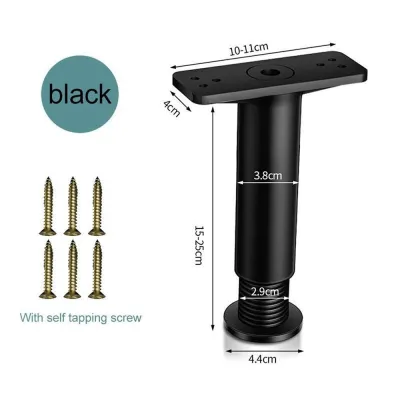
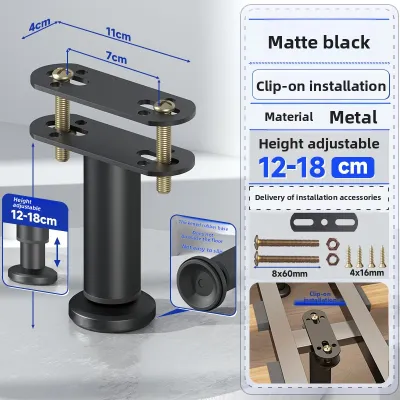


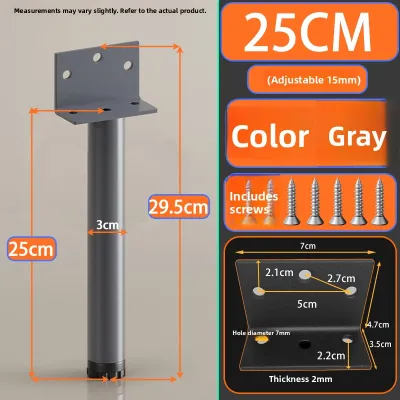
Prices are valid at publication and may change. Please refer to the product page for the latest price.
A simple way to differentiate between a failing mattress and a failing bed base is the floor test. Carefully slide your mattress off the frame and place it directly on a clean, flat floor. Lie down on it in your usual sleeping position. If the mattress feels firm and supportive on the floor, the issue lies within your bed frame or slat system. If the mattress still sags or feels lumpy on the flat floor, the mattress itself has likely reached the end of its lifespan and needs replacement.
Next, inspect the structural integrity of the frame. Check the wooden slats for bowing, splitting, or slipping out of their plastic holders. Examine the center support rail, if your bed has one, to see if it bends downward or if the support legs fail to touch the floor. Inspect the corner joints and legs for stripped screw holes, loose bolts, or structural cracks. Any cracked wood or bent metal joints require immediate attention, as they compromise the load-bearing capacity of the bed and pose a safety risk.
Pay close attention to the connection points where the side rails meet the headboard and footboard. These joints bear the brunt of lateral forces when you get in and out of bed. If you notice that the joints wiggle or have visible gaps even when the bed is empty, the fastening hardware has likely worked itself loose or the wood surrounding the hardware has begun to compress.
Finally, check the level of your floor. In older buildings or homes with uneven flooring, a bed frame may wobble simply because one leg is not making proper contact with the ground. This lack of contact places uneven stress on the remaining legs and joints, leading to premature wear and squeaking. Placing a spirit level on the side rails and center beam will quickly reveal if an uneven floor is the primary culprit behind your bed’s instability.
Solutions for Sagging Mattresses and Slats
If your mattress is in good condition but the underlying slats are sagging, you can reinforce the horizontal support layer. For minor sagging or slats that are spaced too far apart, adding a bunkie board—a slim, fabric-covered wooden barrier—can provide a uniform, flat surface. Alternatively, a firm mattress topper can temporarily mask minor surface dips, though it will not fix a structurally compromised base.

When inspecting your slats, measure the gaps between them. Many mattress manufacturers require slat spacing of no more than 7.5 centimeters to maintain the product warranty and prevent the mattress from squeezing through the gaps. If your slats are bowed, cracked, or spaced too widely, replacing them with a new set of individual solid wood slats or a roll-out slat system is a highly effective fix. Ensure you measure the interior width of your bed frame precisely before purchasing replacement slats to guarantee a snug fit.
Certain mattress types, such as heavy latex or pocket-spring models, demand exceptionally robust support. If your current slat system consists of flexible, arched sprung slats that have lost their tension, replacing them with flat, solid pine or hardwood slats can dramatically increase stability. For these heavy mattresses, a solid, continuous base or closely spaced solid slats are often necessary to prevent localized sagging and maintain structural integrity over time.
If you decide to replace your slats, consider the species of wood and the thickness of the boards. Softwoods like pine are common and affordable, but they must be thick enough—typically at least 2 centimeters—to resist bowing under heavy loads. Hardwoods like birch or beech offer superior rigidity and are less prone to warping over time, making them an excellent choice for heavier sleepers or premium mattresses.
Additionally, check how the slats are secured to the bed frame’s side rails. Slats that simply rest on the ledger strips without being fastened can slide, bunch up, or fall through, causing sudden mattress collapse. Fastening at least every third slat directly to the ledger strip using wood screws will lock the slats in place and add lateral rigidity to the entire bed frame, preventing the side rails from bowing outward.
Reinforcing Weak Center Support and Wobbly Joints
A wobbly frame or a deep sag in the middle of a queen or king-size bed often points to a weak or missing center support. Many standard bed frames lack adequate center legs, causing the middle rail to bow under weight. Adding aftermarket adjustable center support legs, often referred to as a bed stand support, can reinforce this critical span. These adjustable legs can be clamped or screwed onto your existing wooden or metal center rail to distribute weight evenly to the floor.
When installing bed stand support accessories, precise adjustment is crucial. The foot of each support leg must make firm, flat contact with the floor without lifting the bed frame off its corner legs. If the center leg is adjusted too high, it will bow the frame upward, creating a pivot point that causes the bed to rock and places intense stress on the corner joints. Conversely, if it is too short, it will fail to bear any load. Use a spirit level placed across the slats to verify that the frame remains perfectly horizontal after installation.
Wobbling and squeaking are frequently caused by loose hardware at the corner joints. Over time, the natural movement of sleeping and sitting on the bed loosens bolts and screws. Use a wrench or screwdriver to tighten all connections, taking care not to over-tighten and strip the threads, especially in wooden frames. If screw holes are stripped, you can repair them using wood filler and dowels, or reinforce the corners with heavy-duty metal corner braces. If you discover severely split wood or bent metal brackets that cannot be tightened, consult a professional furniture repair service or consider replacing the frame.
For wooden frames with hook-and-slot bracket connections, squeaking often occurs where the metal hooks rub against the pins inside the post. You can resolve this friction by applying a small amount of paraffin wax, beeswax, or a specialized dry lubricant to the contact points before reassembling the joint. This simple step eliminates the metal-on-metal or metal-on-wood grinding that causes annoying nighttime noises.
If your bed frame lacks a center support rail entirely, you can construct or purchase a retrofitted center support system. This typically consists of a sturdy wooden or metal beam that spans from the headboard to the footboard, supported by two or three adjustable legs. Installing such a system is highly recommended for any bed wider than a standard double, as it prevents the mattress from dipping in the middle and reduces the physical strain on the outer frame rails.
Adjusting Bed Height and Leveling with Risers
Uneven floors can cause a bed frame to wobble, creak, and experience uneven weight distribution. Heavy-duty bed risers can help level a bed on an uneven surface or adjust the overall height for easier access. When selecting risers, you must match their weight capacity and top cup size to the specific dimensions of your bed’s legs or casters. The leg must fit securely inside the riser’s recessed cup to prevent it from slipping off during movement.
Before installing risers, check the manufacturer’s specified load capacity, ensuring it accounts for the combined weight of the frame, mattress, bedding, and all sleepers. If you are leveling an uneven floor, use a spirit level to determine exactly which legs require elevation. Avoid stacking multiple risers unless they are specifically designed and certified by the manufacturer to lock together. Stacking unapproved risers creates an unstable column that can easily tip or collapse under lateral force.
Raising a bed increases its center of gravity, which naturally reduces lateral stability. This trade-off is particularly important for active sleepers or households with pets and children. Ensure that the bed is positioned against a wall to provide additional lateral support, and regularly check that the risers remain centered under the legs. If the bed feels noticeably more wobbly after installing risers, remove them immediately and address the floor leveling issue using low-profile felt pads or shim plates designed for furniture.
Consider the material of the risers as well. Heavy-duty plastic risers are common and cost-effective, but they must feature reinforced internal ribbing to prevent cracking under sudden impacts, such as when someone sits down heavily on the bed. Solid wood or metal risers offer superior durability and a more cohesive aesthetic, though they are typically heavier and more expensive.
Furthermore, ensure that the bottom of each riser has a non-slip rubber pad or felt lining. This is especially important on hard flooring surfaces like polished concrete, vinyl, or hardwood, where a smooth plastic riser can easily slide when lateral pressure is applied. A secure, non-slip base prevents the bed from shifting when you lean against the headboard or climb into bed.
When to Stop and Replace the Bed Frame
While many bed support issues can be resolved with accessories, some structural damage is irreversible. If you discover split side rails, severely warped metal frames, or shattered wooden corner joints, DIY fixes are no longer safe. These components bear the primary load of the bed, and temporary reinforcements like brackets or glue cannot reliably restore their original weight capacity.
Persistent instability, swaying, or loud squeaking that continues after you have tightened all hardware and added center support legs is a clear sign of structural fatigue. When the internal fastening systems of a frame wear down, the joints lose their structural rigidity. Continuing to sleep on a compromised frame risks sudden collapse, which can cause personal injury, damage your mattress, or scratch your flooring.
If the cost of purchasing replacement slats, center support legs, and hardware begins to approach the price of a new, sturdy bed frame, replacement is the more practical and safer decision. When a frame has reached the end of its usable lifespan, investing in a new, well-constructed bed base ensures long-term safety, proper mattress support, and a quiet night’s sleep.
Additionally, consider the age and material of your current frame. Cheap particleboard or medium-density fiberboard (MDF) frames that have begun to crumble around the screw holes are rarely worth repairing, as the material lacks the structural integrity to hold new fasteners securely. In contrast, a solid hardwood or heavy-gauge steel frame is often worth the effort and minor expense of reinforcing, as the core materials can last for decades when properly maintained.
Ultimately, your bed frame is the foundation of your sleep quality and physical safety. If you find yourself constantly adjusting support legs, tightening screws every few weeks, or worrying about the bed collapsing, the peace of mind that comes with a new, reliable bed frame far outweighs the cost of ongoing temporary fixes.
Frequently Asked Questions (FAQ)
Can I use plywood instead of buying new bed slats?
Using a sheet of plywood is a common DIY method to stiffen a sagging bed, but it comes with significant trade-offs. In humid climates, such as in Singapore, a solid sheet of plywood blocks airflow beneath the mattress. This lack of ventilation traps body moisture and humidity, creating an ideal environment for mold, mildew, and dust mites to develop on the underside of your mattress. If you choose to use plywood, it is highly recommended to drill numerous ventilation holes across the sheet to allow air to circulate.
If you proceed with this option, select exterior-grade plywood with a thickness of at least 1.5 to 1.9 centimeters to prevent the plywood itself from sagging under weight. Ensure the edges are thoroughly sanded and wrapped in a protective fabric or sheet to prevent splinters from snagging and damaging the mattress cover.
Do center support legs work on all types of bed frames?
Aftermarket center support legs are highly versatile, but their compatibility depends on your bed frame’s design. They work exceptionally well on wooden frames with a central wooden rail, as the support legs can be screwed directly into the wood. For metal frames, you must select center support legs equipped with heavy-duty clamps designed to grip metal crossbars securely without sliding.
Before purchasing a bed stand support leg, measure the clearance height from the bottom of your center rail to the floor. Choose an adjustable leg that covers this specific height range. Additionally, check the foot design of the support leg; it should feature a wide, non-slip plastic or rubber base to protect your flooring, whether you have hardwood, laminate, or tile, from scratches and indentation marks under heavy loads.
Community discussion
Share your experience or ask a question. Comments are reviewed before publication.