
A sagging bed disrupts sleep and can lead to long-term mattress damage. Before buying new parts, it is essential to identify whether the issue stems from the mattress, the slats, or the central frame structure. This guide will help you diagnose the exact failure point, evaluate safe repair options, and select the correct bed stand support or replacement slats to restore your bed’s stability.
Resolving this issue does not necessarily mean purchasing an entirely new bed frame or mattress. Instead, the most effective and sustainable solution lies in identifying the precise point of structural failure and replacing the compromised components. By systematically evaluating the frame, you can restore the necessary structural integrity to ensure a flat, stable sleeping surface.
Identify the Source of the Sagging
To fix a sagging bed, you must first isolate the root cause of the dip, which typically lies in either the mattress, the slats, or the central support structure. Begin by removing the mattress entirely and placing it flat on a level floor. Lie down on the mattress in this position; if the sag persists, the internal springs or foam layers have likely degraded, meaning a replacement mattress is required. If the mattress lies perfectly flat and supportive on the floor, the issue resides within your bed frame.
Products mentioned in this guide
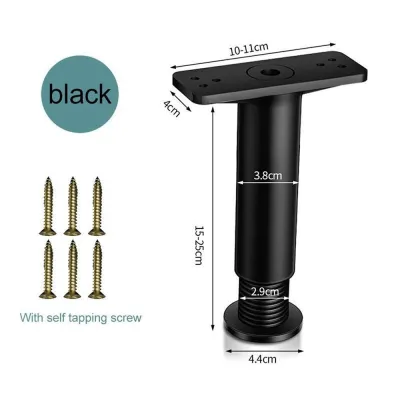
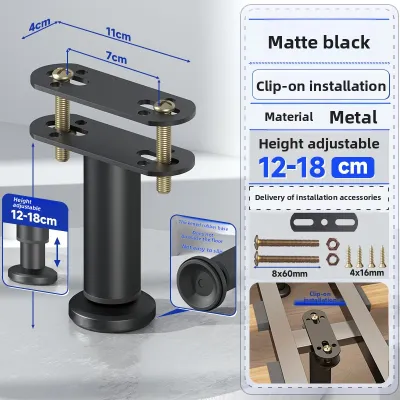

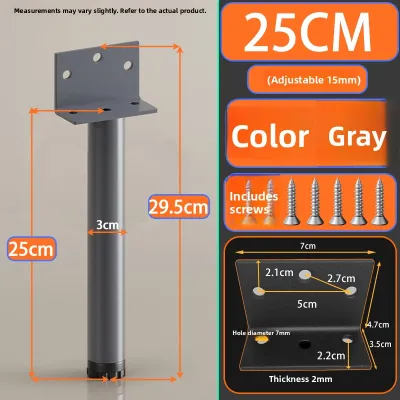

Prices are valid at publication and may change. Please refer to the product page for the latest price.
With the mattress removed, inspect the bed slats. Look closely for any visible bowing, hairline cracks, or splintering, particularly in the center third of the bed where body weight is concentrated. Measure the gaps between the slats; excessive spacing—typically anything wider than 7 to 10 centimeters depending on your mattress manufacturer’s guidelines—can cause the mattress to sink between the gaps, mimicking a broken frame.
Next, examine the center support beam and the attached bed stand support legs. These components are critical for queen, king, and super king-sized beds, which require central reinforcement to distribute weight evenly to the floor. Check if the support legs are perfectly vertical; legs that have tilted, bent, or lost direct contact with the floor will cause the center beam to bow downward.
Finally, inspect the perimeter of the frame. Examine the corner joints, side rails, and headboard connections for loose brackets, stripped screws, or structural cracks. Gently shake the frame to see if the joints flex or sway under lateral pressure, as loose hardware can cause the entire support system to shift out of alignment.
Temporary Fixes vs. Permanent Replacements
When addressing a sagging bed, it is important to distinguish between minor adjustments that offer immediate relief and structural failures that demand permanent replacement parts. For instance, if your inspection reveals loose corner brackets or slightly shifted slats, simply tightening the hardware with a hex key or repositioning the slats can instantly stabilize the frame. Rotating your mattress 180 degrees can also temporarily redistribute wear, though this will not resolve an underlying frame issue.

However, you must avoid relying on makeshift props to support a failing center beam. Shoving stacked books, wooden blocks, or plastic crates under a sagging frame is a common temporary impulse, but these objects lack stability. They can easily slip out of place when you move in bed, causing sudden structural shifts that can crack the frame, damage your flooring, or lead to personal injury.
Permanent replacement is necessary when there is visible material fatigue. Splintered wooden slats, cracked side rails, or bent metal support legs cannot be safely repaired with glue or tape. Once the structural fibers of wood or the structural integrity of metal are compromised, they can no longer reliably bear the dynamic load of a mattress and sleepers, making new replacement parts the only safe path forward.
Choosing the Right Bed Stand Support and Replacement Slats
Selecting the correct replacement components requires precise measurements and an understanding of your specific bed frame design. Start by measuring the inner width of your bed frame from the inside lip of one side rail to the other. Do not rely on standard mattress size charts, as actual frame tolerances vary between manufacturers. Additionally, measure the exact vertical drop from the top of the side rail lip to the floor to determine the required height for any center support legs.
When choosing replacement slats, you will generally choose between solid wood slats and sprung slats. Solid wood slats, typically made of pine or beech, offer a rigid, firm foundation and are excellent for heavy pocket-spring mattresses. Sprung slats feature curved wooden laminates that flex slightly under weight, providing a softer feel and reducing stress on the mattress, though they require compatible plastic mounting caps. If your frame allows, upgrading to a metal center support beam with adjustable legs offers the highest level of stability and load distribution.
If you are purchasing adjustable bed stand support legs, pay close attention to their design features. Look for legs with wide, non-slip feet made of heavy-duty plastic or felt padding to protect your flooring from scratches and indentations. Ensure the threading mechanism is robust, with a locking nut to prevent the leg from slowly unscrewing and losing height over time under daily vibrations.
Lastly, verify how the replacement parts will attach to your existing frame. Some wooden frames use simple peg-in slots or pre-drilled screw holes along the side rails, while others require specialized mounting brackets or proprietary plastic clips. Ensure your new slats or center support beam match these attachment points, or select a universal support kit that includes the necessary mounting hardware.
Step-by-Step Installation of Replacement Supports
Installing your new bed stand support and replacement slats is a straightforward process that can be completed safely with basic household tools. Begin by clearing all bedding and moving the mattress to a clean, flat area nearby. If you are replacing a central support beam, you may need to use temporary wooden blocks or a helper to hold the frame steady while you remove the old, damaged components.
Carefully unscrew or unclip the damaged slats and center beam. Work slowly to avoid stripping the existing screw holes in the wooden side rails, as stripped wood can make it difficult to secure the new parts. If the original screw holes are worn out, you can fill them with wood glue and toothpicks, let them dry, and drill new pilot holes, or shift the mounting brackets slightly to a fresh section of the rail.
Position the new center support beam first, ensuring it is perfectly centered and aligned with the headboard and footboard. Attach the adjustable bed stand support legs to the beam, adjusting their height until they make firm, level contact with the floor. Use a spirit level to verify that the beam is completely horizontal; an uneven center beam will cause the slats to warp and the mattress to sag prematurely. Once the beam is level, secure the replacement slats across the frame, fastening them tightly to prevent shifting.
Before replacing the mattress, test the stability of the repaired frame. Apply firm downward pressure to different areas of the slats and center beam, listening closely for any squeaks, creaks, or movement. If you notice any shifting, double-check that all screws are fully tightened and that the support legs are resting flat against the floor. Once the frame is silent and stable, carefully place your mattress back on top.
When to Stop and Call a Professional
While many bed support issues can be resolved through DIY part replacement, certain structural failures require professional intervention or a complete frame replacement. If you discover that the main side rails, headboard, or footboard joints are deeply split, cracked, or structurally compromised, stop the repair. Attempting to patch load-bearing perimeter joints with basic hardware can lead to a sudden collapse of the bed.
For custom-built, antique, or heavily modified bed frames, standard replacement parts may not fit. In these cases, seeking the assistance of a professional carpenter or welder is the safest way to ensure the frame is restored without ruining its aesthetic or structural value. A professional can custom-cut hardwood supports or weld metal joints to match the original design.
Additionally, always check the terms of your bed frame’s warranty before undertaking any structural modifications. If the frame is still under warranty, drilling new holes or adding aftermarket support legs might void your coverage. Contact the manufacturer or retailer first, as they may provide official replacement parts or repair services free of charge.
Frequently Asked Questions (FAQ)
Can I add extra center support legs to my existing bed frame?
Yes, you can add aftermarket bed stand support legs to an existing frame, provided there is a continuous center beam or a solid wooden rail capable of accepting the mounting hardware. Before installing them, check that the underside of your frame has flat, stable surfaces where the mounting plates can be screwed in securely. Additionally, ensure that the placement of these new legs does not interfere with under-bed storage drawers, trundle beds, or hydraulic lift mechanisms if your bed frame features built-in storage.
How often should I check my bed frame supports for wear?
It is highly recommended to inspect your bed frame supports and tighten all hardware every six months, which conveniently aligns with the recommended schedule for rotating your mattress. During this check, look for early warning signs of wear such as new squeaks when you move, visible bowing in the slats, or small gaps between the support legs and the floor. Catching loose screws or slightly shifted slats early prevents uneven stress on the frame, extending the lifespan of both the bed and your mattress.
Do metal bed frames need the same support replacements as wood frames?
Metal bed frames require a different approach to support replacement because they typically rely on welded crossbars, heavy-duty steel rails, or wire grids rather than individual wooden slats. If a metal frame begins to sag, it is usually due to bent steel bars or failing connection brackets rather than material rot. When replacing parts for a metal frame, you must check the manufacturer’s specifications to source proprietary metal support legs or brackets, as universal wooden slats will not attach securely to a metal frame without specialized adapters.
Community discussion
Share your experience or ask a question. Comments are reviewed before publication.