
Replacing worn casters on your office chair or furniture requires matching three critical specifications: the stem type, the wheel diameter, and the load capacity. Choosing the wrong size or attachment mechanism can lead to unstable seating, damaged floors, or a replacement part that simply does not fit. By taking a few precise measurements and inspecting your current setup, you can confidently select the correct Shiok Wheels to restore smooth, quiet mobility to your workspace.
Identify Your Current Caster Stem Type
To ensure your new wheels attach securely, you must first determine the exact stem mechanism your furniture uses. The stem is the metal pin that connects the wheel assembly to the base of the chair. Using the wrong stem type will prevent the caster from seating properly, which can damage the chair base or cause the wheel to fall out during use.
To safely remove an existing caster for inspection, turn your office chair upside down so the base faces upward. Firmly grasp the wheel assembly and pull it straight out of the socket. If the caster is stuck, you can gently slide a flathead screwdriver or a small pry bar between the caster housing and the chair base to leverage it out. Work slowly to avoid cracking or scratching plastic or wooden bases.
Products mentioned in this guide
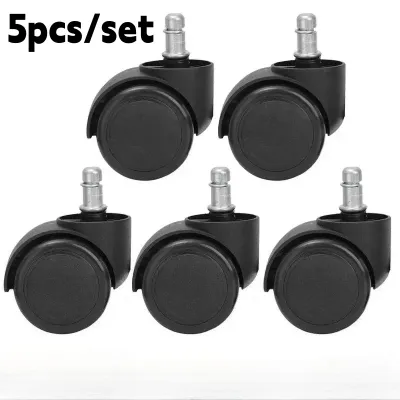
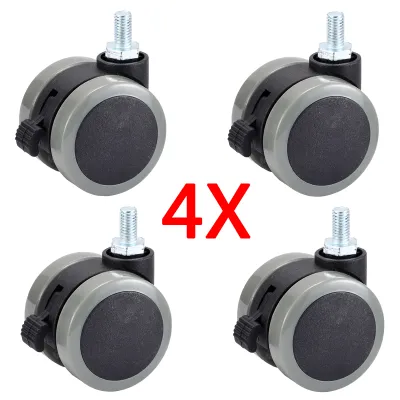
Prices are valid at publication and may change. Please refer to the product page for the latest price.
Once removed, visually identify the stem type. The most common variety for office chairs is the grip ring stem, which features a small metal split ring near the top of the pin that compresses when pushed into the socket. Another common type is the threaded stem, which screws into a threaded insert like a bolt. Less common for standard office chairs but frequent on utility furniture are plate mounts, which secure to the flat bottom of the furniture using four screws.
Next, measure the stem dimensions carefully. For a grip ring stem, use a caliper or a standard ruler to measure the diameter of the metal pin, excluding the split ring itself. The standard size for most office chairs is 11mm in diameter and 22mm in length, though some brands use a smaller 10mm diameter stem. For threaded stems, measure the outer diameter of the threads and count the thread pitch, or check the original furniture manual or manufacturer labels to verify the exact thread specification.
Determine the Correct Wheel Diameter and Clearance
Once you have identified the stem, you need to select the appropriate wheel diameter. Standard office chair wheels typically range from 2 inches (50mm) to 3 inches (75mm) in diameter. Measuring your existing wheels from edge to edge across the center of the wheel will give you a baseline for your replacement search.

While you can sometimes upgrade to a larger wheel size for a smoother roll over thick carpets, you must verify that the new diameter will not interfere with the furniture’s base or function. A larger wheel increases the overall height of the chair, which can alter your ergonomic seating position or prevent the armrests from sliding under your desk. Ensure there is sufficient vertical clearance between the top of the caster housing and the underside of the chair base to prevent rubbing when the wheels swivel.
The floor type in your workspace also dictates the ideal wheel tread material. Hardwood, laminate, and tile floors require soft polyurethane or rubber-like treads to prevent scratching and reduce rolling noise. For carpeted areas, harder nylon wheels are often preferred as they glide more easily over fibers. Review the manufacturer care guidelines for your flooring to select a wheel material that offers adequate floor protection without requiring a plastic chair mat.
Calculate Load Capacity for Your Furniture
Selecting casters with the correct load capacity is essential for safety and longevity. To find the required capacity, you must calculate the total dynamic load the wheels will support. This includes the weight of the furniture piece itself plus the maximum weight of the user or any items placed on the furniture.
To establish a safe operating margin, do not simply divide the total weight by the total number of wheels. Instead, divide the total dynamic load by the number of casters minus one. For example, if your office chair has five wheels, divide the total weight by four. This calculation accounts for uneven floors or shifting body weight, where one wheel may temporarily lift off the ground, transferring the entire load to the remaining casters.
Once you have calculated this target weight per wheel, locate and verify the load capacity ratings on the Shiok Wheels packaging or official product specifications. Ensure that each individual replacement wheel meets or exceeds your calculated safety margin. Using wheels with insufficient load ratings can lead to structural failure, flattened wheel treads, or sudden breakage during use.
Diagnose Whether to Replace or Maintain Existing Casters
Before purchasing new hardware, it is helpful to diagnose whether your current wheels require a full replacement or simply need basic maintenance. Some caster issues can be resolved with a thorough cleaning, while others pose safety risks that demand immediate replacement.
Inspect your current casters for signs of irreversible structural damage. Cracked plastic wheels, bent metal stems, or broken caster housings cannot be safely repaired and require new Shiok Wheels immediately. If the wheel wobble is severe or the internal ball bearings have spilled out of the swivel joint, the caster has reached the end of its usable lifespan.
Conversely, if your wheels are structurally sound but roll poorly or squeak, the issue may be maintainable. Hair, dust, and carpet fibers frequently wrap around the wheel axle, creating friction that prevents smooth rotation. You can often resolve this by using tweezers or a utility knife to carefully clear away debris, followed by a small application of silicone-based lubricant to the axle and swivel joints.
Additionally, check for uneven wear patterns across your set of wheels. If only one or two wheels are heavily worn while the others look new, inspect your chair base for warping or misalignment. Installing new casters on a bent or damaged chair base will cause the new wheels to wear out prematurely and will not resolve the underlying stability issue.
Installation Verification and Safety Checks
After selecting and receiving your new Shiok Wheels, proper installation is key to ensuring the furniture remains stable and safe to use. For grip ring stems, push the stem firmly into the socket until you hear or feel a distinct click, indicating the grip ring has expanded and locked into place. For threaded stems, tighten the bolt securely using a wrench, ensuring there is no play between the stem shoulder and the furniture base.
Once all casters are installed, place the furniture on a flat, level surface and test it for stability. Sit in the chair and gently roll in multiple directions to check for any wobble, tipping risks, or uneven weight distribution. The chair should glide smoothly without any clicking sounds or resistance.
If your new wheels feature integrated braking mechanisms, test them to ensure they engage and release smoothly. The brakes should hold the chair firmly in place on your typical flooring surface without slipping. If you encounter any resistance during installation, or if the stem does not fit snugly into the socket, stop immediately. Do not force the caster into place, as this can crack the base; instead, double-check your measurements or consult a professional.
Frequently Asked Questions (FAQ)
Do I need special tools to remove and install office chair casters?
Most standard grip ring casters can be removed and installed without any specialized tools. Common household items like a flathead screwdriver or a small pry bar can provide the leverage needed to pop a stubborn stem out of its socket. A rubber mallet is also useful for gently tapping new grip ring stems into place if they are difficult to push in by hand.
For threaded stems or plate mounts, you will need basic hand tools. A standard open-ended wrench or pliers is required to tighten threaded stems securely into the base. For plate-mounted casters, a Phillips screwdriver or a power drill with the correct bit is necessary to secure the mounting screws into the underside of the furniture. Always wear protective gloves to prevent hand injuries during removal.
Can I mix different wheel sizes or types on the same piece of furniture?
It is highly recommended to replace all casters on a piece of furniture simultaneously with identical wheels. Mixing different wheel diameters causes the furniture to sit at an angle, which creates uneven weight distribution and puts excessive structural stress on the smaller wheels and the furniture frame. This imbalance significantly increases the risk of the chair tipping over during use.
Mixing different stem types, tread materials, or load capacities can also lead to premature caster failure and unpredictable rolling behavior. For example, combining hard nylon wheels with soft polyurethane wheels on a hardwood floor can cause uneven traction and potential floor damage. To maintain balanced performance, stability, and safety, always install a complete, matching set of Shiok Wheels.

Community discussion
Share your experience or ask a question. Comments are reviewed before publication.