
Finding the right mattress firmness is not a matter of choosing the most luxurious model in a showroom; it is a precise equation balancing your primary sleeping position and your body weight. A mattress that feels like a cloud to one person can feel like a concrete slab to another, or worse, cause persistent morning backaches. To achieve restful sleep and maintain spinal health, you must select a firmness level that keeps your spine in a neutral alignment while relieving pressure on your joints.
In Singapore’s warm, humid climate, this decision also intersects with material breathability and structural durability, as high humidity can accelerate the softening of low-density comfort layers. By identifying how your body weight interacts with different mattress materials and sleep postures, you can systematically narrow down the ideal firmness rating for your needs.
Quick Diagnostic: Matching Firmness to Your Profile
Mattress firmness is often misunderstood as a single measurement of comfort, but it actually comprises two distinct mechanical elements: initial comfort (the plushness of the top layers) and deep support (the resistance of the core layers). Support keeps your spine aligned, while comfort prevents pressure points on your hips, shoulders, and knees. Because of this dual nature, firmness is highly subjective and depends entirely on how your body weight interacts with the mattress surface.
Products mentioned in this guide



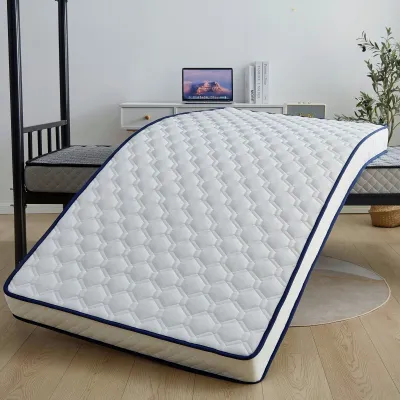
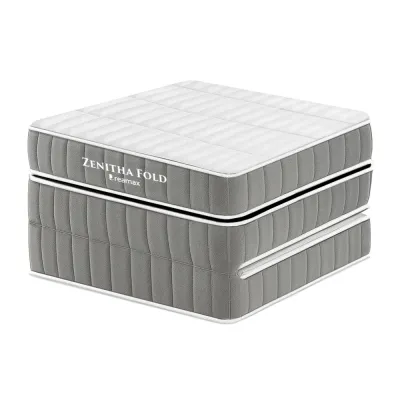
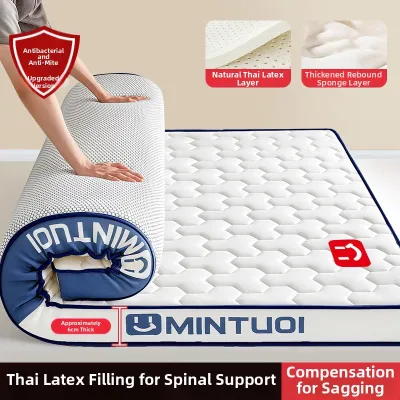
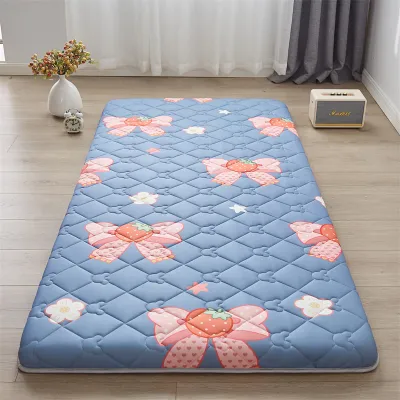
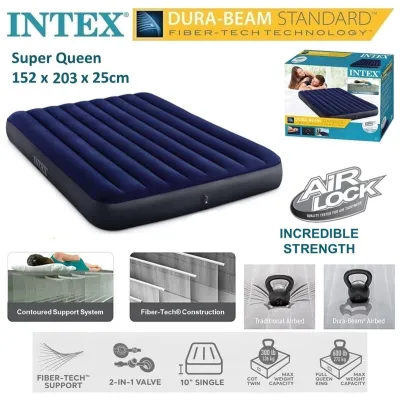
Prices are valid at publication and may change. Please refer to the product page for the latest price.
To help you establish a baseline, consider how general sleep postures and weight profiles typically align on a standard 1-to-10 firmness scale, where 1 is extremely soft and 10 is exceptionally firm:
- Side Sleepers: Generally require a softer feel (3 to 5) to cushion the shoulders and hips.
- Back Sleepers: Typically benefit from a medium to medium-firm feel (5 to 7) to support the lumbar curve.
- Stomach Sleepers: Need a firm surface (7 to 9) to prevent the midsection from sinking.
- Lighter Individuals (< 60 kg): Often need to select a slightly softer rating to experience adequate contouring.
- Heavier Individuals (> 90 kg): Usually require a firmer, more supportive build to avoid bottoming out.
It is vital to remember that mattress firmness ratings are not standardized across the bedding industry. A “medium-firm” model from one brand might feel like a “firm” from another, meaning these guidelines should serve as your starting diagnostic baseline rather than an absolute rule.
Step 1: Diagnose Your Primary Sleep Position
Your dominant sleep posture dictates where your body weight is concentrated and how your spine aligns throughout the night. Pinpointing this primary position is the most critical step in your diagnostic process, as it determines which parts of your body require deep cushioning and which require rigid resistance. If you are a combination sleeper who shifts positions, focus your decision on the posture you spend the most time in or the one you are in when you wake up experiencing discomfort.

Side Sleepers: Prioritizing Pressure Relief
When you sleep on your side, your entire body weight is concentrated on the narrow contact points of your shoulder and hip. This posture creates intense pressure zones that can restrict blood flow and lead to tossing, turning, or chronic joint pain. To prevent this, side sleepers require a softer to medium mattress feel (typically rated 3 to 5) that allows these prominent joints to sink comfortably into the comfort layers.
Allowing the shoulders and hips to compress the mattress slightly ensures that the natural curvature of your spine remains straight and horizontal. If a side sleeper uses an overly firm mattress, the shoulder and hip will be forced upward, bending the spine out of alignment and causing localized soreness.
- Check comfort layers: Look for thick comfort sections made of memory foam or natural latex that conform to your contours.
- Avoid rigid surfaces: Steer clear of traditional tight-top innerspring models that lack sufficient cushioning.
Back Sleepers: Balancing Support and Contouring
Back sleeping distributes your body weight relatively evenly across a larger surface area, but it introduces a distinct challenge: supporting the natural inward curve of your lower back. If a mattress is too soft, your pelvis will sink too deeply, flattening your lumbar curve and straining the surrounding muscles. Conversely, if the mattress is too firm, a gap will form beneath your lower back, leaving your lumbar spine completely unsupported.
The ideal solution for back sleepers is a medium to medium-firm mattress (typically rated 5 to 7). This firmness level provides enough surface contouring to fill the gap under your lower back while offering a solid underlying support core to keep your hips from sagging.
- Assess lumbar fill: When lying down, you should feel the mattress gently pressing against your lower back without your hips sinking below your knees.
- Verify core support: Opt for pocketed spring systems or high-density foam bases that offer reliable upward resistance.
Stomach Sleepers: Preventing Spinal Misalignment
Stomach sleeping is the most physically demanding posture for your spine because your midsection carries the bulk of your body weight. When you lie on your stomach, gravity naturally pulls your pelvis downward into the mattress. If the surface is too soft, your hips will sink deeply while your head and feet remain elevated, forcing your spine into an exaggerated, painful “U” shape.
To protect your lower back from severe strain, stomach sleepers must choose a firm mattress (typically rated 7 to 9). A firm surface keeps your hips elevated and level with your shoulders, maintaining a neutral spinal alignment throughout the night.
- Prioritize surface tension: Look for mattresses with minimal comfort padding and a highly responsive, stiff support core.
- Check hip alignment: Ensure your lower back does not feel arched or pinched when lying prone.
Step 2: Adjust for Your Body Weight and Type
While your sleeping position establishes your baseline firmness, your body weight determines how much force you actually apply to the mattress’s comfort layers. A mattress does not have a static feel; its perceived firmness changes dynamically based on the load it supports. To find the correct match, you must adjust your baseline choice using relative weight categories and consult the manufacturer’s specific weight capacity guidelines.
Lighter Body Types: Seeking Softer Contouring
Individuals who weigh less than 60 kg exert very little downward force on a mattress. Because of this, a standard “medium” mattress will often feel uncomfortably firm to a lighter sleeper, as their body does not compress the comfort layers enough to trigger the intended pressure relief.
If you have a lighter body type, you should generally size down in firmness (for example, choosing a medium-soft instead of a medium). This adjustment ensures that the mattress’s top layers actually engage and contour to your body shape, preventing joint pain.
- Target softer ranges: Look for models rated 3 to 5 on the firmness scale.
- Focus on responsive foams: Select materials that compress easily under low pressure, such as low-density memory foam or plush latex.
Average Body Types: Matching the Rated Feel
Sleepers who weigh between 60 kg and 90 kg typically experience a mattress exactly as the manufacturer intended. For this weight group, the advertised firmness rating is a highly reliable guide for making a selection.
If you fall into this average weight category, you can stick closely to the baseline firmness recommended for your sleep position without making major adjustments. Focus your attention on matching the material properties to your personal comfort preferences.
- Trust the ratings: Use the standard 5 to 7 medium range as your primary starting point.
- Evaluate material feel: Decide between the contouring hug of memory foam and the buoyant bounce of pocketed coils.
Heavier Body Types: Requiring Enhanced Support
Individuals who weigh more than 90 kg exert significant downward force, causing them to sink deeply through the comfort layers and press directly into the support core. On a standard “medium” mattress, this deep sinkage can make the bed feel excessively soft, unsupportive, and hot, while also causing the spine to fall out of alignment.
To counteract this, heavier sleepers should size up in firmness (for example, choosing a medium-firm or firm model) and look for robust internal construction. High-density comfort foams and thick-gauge pocketed coils are essential to prevent premature sagging and maintain structural integrity.
- Target firmer ranges: Look for models rated 7 to 9 to ensure adequate upward resistance.
- Check construction specifications: Prioritize hybrid mattresses with reinforced edges and high-density polyfoam or natural latex comfort layers.
Step 3: Address Specific Pain Points
While selecting a mattress based on position and weight will resolve most sleep issues, persistent physical discomfort requires targeted adjustments. Please note that while a mattress plays a significant role in physical comfort, severe or chronic pain should always be evaluated by a medical professional. If your discomfort is primarily sleep-related, you can refine your firmness choice by focusing on localized pressure relief and targeted support zones.
Lower Back Discomfort: Focusing on Lumbar Support
Lower back pain is frequently caused by a lack of proper support under the lumbar spine, which forces the surrounding muscles to remain contracted and tense all night. This issue occurs when a mattress is too soft (causing the pelvis to sag) or too firm (preventing the mattress from conforming to the lower back).
For most individuals suffering from lower back discomfort, a medium-firm mattress provides the optimal balance of contouring and push-back support. Additionally, look for mattresses that feature zoned support systems, which are engineered with firmer materials in the center third of the bed to keep the hips elevated.
- Verify zoned construction: Check if the manufacturer utilizes firmer coils or higher-density foam specifically in the middle section of the mattress.
- Review return policies: Ensure the retailer offers a comprehensive sleep trial so you can test how your back responds over several weeks.
Shoulder and Hip Discomfort: Maximizing Pressure Relief
Soreness in the shoulders and hips is typically a sign of excessive pressure buildup, which occurs when sleeping on a surface that is too hard. This is particularly common for side sleepers who use a firm mattress that does not allow these prominent joints to sink and distribute weight.
To alleviate joint pain, you should shift toward a softer or medium-soft feel that cradles the shoulders and hips. Materials like memory foam or high-quality latex are excellent choices because they conform precisely to joint contours, reducing peak pressure points.
- Perform the hand test: Slide your hand under your lower back while lying down; if it slides through with completely zero resistance, the mattress is likely too firm for your joints.
- Utilize sleep trials: Give your body at least 30 nights to adapt to a softer surface before making a final decision.
How to Test and Verify Your Mattress Choice
Purchasing a mattress is a significant investment, and verifying your choice through structured testing is essential to avoid buyer’s remorse. When testing a mattress in a showroom, avoid the common mistake of simply sitting on the edge or lying down for a few seconds. Instead, lie down in your primary sleeping position for at least 10 to 15 minutes while wearing comfortable, loose-fitting clothing to let your body settle and experience the true support level.
In Singapore, where delivery logistics and high-rise apartment access—such as navigating narrow HDB lifts or tight stairwells—can complicate returns, taking advantage of home sleep trials is highly recommended. Many modern mattress brands offer trials ranging from 100 to 120 nights. It typically takes your body’s muscle memory up to 30 days to adjust to a new sleep surface, making a home trial far more reliable than a brief showroom test.
If your new mattress feels slightly too firm or too soft after the adjustment period, you can make low-risk, reversible modifications:
- To Add Softness: Add a plush mattress topper made of memory foam, microcoils, or down alternative to enhance surface cushioning.
- To Add Firmness: Ensure your bed frame has a solid, non-flexing foundation, as a slatted base with wide gaps can cause a mattress to sag and feel softer than intended.
If you experience worsening physical pain, severe numbness, or persistent tingling during your sleep trial, stop using the mattress immediately and initiate a return or exchange.
Frequently Asked Questions (FAQ)
Navigating mattress firmness can be confusing with conflicting marketing claims. Here are clear answers to common questions about adjusting and choosing your mattress’s feel.
Can a mattress topper change my mattress firmness?
A mattress topper can successfully alter the immediate surface feel of your bed by adding a layer of plush cushioning or extra surface tension. However, a topper is only a surface-level modification; it cannot fix a mattress that has a sagging, worn-out, or fundamentally unsupportive core. If your underlying mattress is structurally compromised, adding a topper will not restore proper spinal alignment.
Is a firm mattress always better for back pain?
No, the belief that an extremely firm mattress is universally better for back pain is a persistent myth. An overly rigid mattress can force your body to conform to its flat surface rather than supporting your natural spinal curves, which often worsens back pain for side sleepers and lighter individuals. The most effective mattress for back pain is one that matches your specific sleep position and body weight to maintain a neutral spine.
Community discussion
Share your experience or ask a question. Comments are reviewed before publication.