
Selecting the right latex mattress firmness is a balancing act between your primary sleeping position and your body weight. While many shoppers focus solely on finding a soft or firm bed, the true goal of mattress selection is achieving neutral spinal alignment while simultaneously relieving pressure points. If your mattress fails to support your unique physical build, you risk waking up with chronic lower back pain, shoulder stiffness, or neck strain.
In the world of latex bedding, firmness and support are two distinct but closely related concepts. Firmness refers to the initial feel of the mattress surface when you first lie down, which is responsible for cushioning your joints. Support, on the other hand, refers to the deeper resistance of the mattress core that keeps your spine aligned and prevents your body from sinking too deeply. Understanding how your body weight and sleep posture interact with these two factors is the key to choosing a latex mattress that remains comfortable for years to come.
Quick Diagnostic: The Core Rule of Latex Mattress Firmness
To find your ideal latex mattress, you must first understand how firmness and support work together. A common mistake is assuming that a firm mattress is always supportive, or that a soft mattress is always unsupportive. In reality, natural latex is highly elastic, meaning it can provide excellent deep support even when the top comfort layer is relatively soft. The core diagnostic rule is simple: your sleeping position determines the surface feel (firmness) required to cushion your joints, while your body weight determines the structural resistance (support) required to prevent your spine from sagging.
Products mentioned in this guide
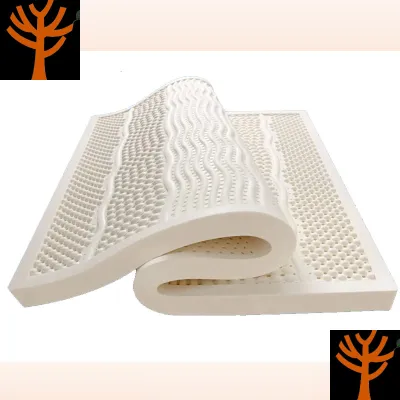
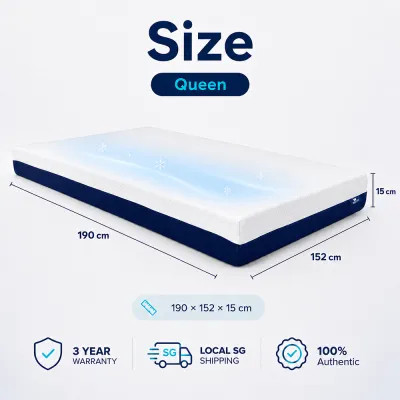
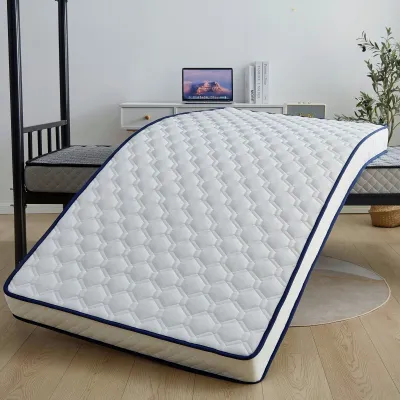
![[PRE-ORDER][Online Exclusive] Getha Miracle Latex Mattress](https://img.lazcdn.com/g/p/12dd5b19130246a25c4c392a33a7251a.jpg_400x400q80.jpg_.webp)

Prices are valid at publication and may change. Please refer to the product page for the latest price.
Because of this relationship, relying solely on a manufacturer’s standardized firmness scale can be misleading. A mattress labeled as “medium” might feel incredibly firm to a lighter individual who does not compress the top layers, yet feel excessively soft to a heavier individual who sinks straight through to the support core. To make an accurate diagnosis, you must look beyond generic labels and evaluate how your specific physical metrics interact with the physical properties of the latex.
Step 1: Evaluate Your Primary Sleeping Position
Your dominant sleeping position—the posture you naturally drift into and most frequently wake up in—is the primary factor that dictates where you need pressure relief. Different sleep postures distribute your body weight unevenly, creating specific pressure points that require targeted cushioning to prevent tossing and turning.

Side Sleepers
Side sleeping is one of the most common positions, but it is also the most demanding on a mattress. When you lie on your side, your entire body weight is concentrated on two narrow areas: your shoulders and your hips. If the latex surface is too firm, these joints will experience high pressure, leading to restricted blood circulation, numbness, and frequent waking throughout the night.
To prevent this, side sleepers generally require a softer to medium latex mattress. This allows the shoulders and hips to sink deep enough into the comfort layers to align the spine horizontally. If the surface lacks sufficient give, your spine will curve unnaturally, and you may develop chronic shoulder pain or tension in your lower back.
Back and Stomach Sleepers
Back and stomach sleepers have entirely different structural needs. For these positions, the primary challenge is preventing the midsection—which holds the majority of human body weight—from sinking too deeply into the mattress. If your hips sink lower than your shoulders and feet, your spine will bow into an unnatural shape, putting immense strain on your lumbar muscles.
To maintain the natural curve of your lower back, back and stomach sleepers typically require a medium-firm to firm latex mattress. This firmer surface provides the necessary upward resistance to keep your hips elevated and aligned with your shoulders. Stomach sleepers, in particular, need a highly supportive surface; a mattress that is too soft will cause the lower back to arch excessively, leading to severe morning stiffness.
Combination Sleepers
If you frequently rotate between your side, back, and stomach throughout the night, you are a combination sleeper. Your primary mattress requirement is responsiveness. You need a surface that allows you to change positions effortlessly without feeling stuck or trapped in a deep body contour.
Natural latex is inherently buoyant and elastic, making it an excellent material for combination sleepers. To accommodate multiple positions, a true medium firmness is usually the most effective compromise. This level offers enough surface cushioning to protect your shoulders and hips when you are on your side, while providing sufficient core support to keep your pelvis from sagging when you roll onto your back or stomach.
Step 2: Adjust for Your Body Weight and Build
Once you have identified the baseline firmness required for your sleeping position, you must adjust that choice based on your body weight. Because firmness is entirely subjective, your physical mass determines how deeply you will compress the latex layers and how firm the mattress will actually feel to you.
Lighter Individuals
Lighter individuals, typically defined as those weighing under 60 kg, exert relatively little force on a mattress. If you fall into this category, you will not compress the latex comfort layers very deeply. Consequently, a mattress that a manufacturer rates as a medium will likely feel quite firm to you, as you will remain resting on the very top of the surface.
To achieve proper pressure relief and contouring, lighter individuals should generally look for slightly softer latex options or mattresses with lower-density top layers. Opting for a lower Indentation Load Deflection (ILD) rating in the comfort layer ensures that the latex will still contour to your body shape under lighter weight, preventing pressure points from developing on your shoulders and hips.
Average to Heavier Individuals
Individuals weighing between 60 kg and 80 kg generally find that standard manufacturer firmness ratings align well with their actual experience. However, those weighing over 80 kg, and particularly over 100 kg, will compress the latex much more deeply. Under heavier loads, a medium mattress can quickly feel excessively soft, leading to a hammocking effect where the middle of the body sinks too far down.
If you are in a heavier weight category, you must prioritize thicker, higher-density support cores to prevent bottoming out. A firmer surface is often necessary to provide adequate pushback and maintain spinal alignment under greater weight. Look for a latex mattress with a robust, high-density base layer that can support your weight without losing its shape or structural integrity over time.
Step 3: Find Your Ideal Match (Position + Weight Matrix)
To simplify your decision-making process, you can combine your sleeping position and weight category into a practical diagnostic framework. The following matrix outlines the recommended latex mattress firmness levels based on these two key variables:
| Body Weight | Side Sleepers | Back Sleepers | Stomach Sleepers |
|---|---|---|---|
| Lighter (Under 60 kg) | Soft to Medium-Soft | Medium | Medium-Firm |
| Average (60 to 80 kg) | Medium | Medium-Firm | Firm |
| Heavier (Over 80 kg) | Medium-Firm | Firm | Firm to Extra-Firm |
While this matrix serves as an excellent starting point, you should also consider your personal feel preferences. For instance, some sleepers naturally prefer a “sleeping on” feel, where they remain buoyant on top of the mattress, while others prefer a “sleeping in” feel, where they are gently cradled by the comfort layers. If you prefer a highly buoyant sensation, you may want to lean toward the firmer side of your recommended range; if you prefer deep contouring, lean toward the softer side.
Additionally, keep in mind that latex mattresses are highly customizable. Many premium models feature multi-layered designs, allowing you to stack different densities of latex to create a highly personalized support profile that perfectly matches your diagnostic needs.
How to Test and Verify Your Choice Before Committing
Because buying a mattress is a significant investment, verifying your diagnosed firmness level in a real-world setting is crucial to ensuring long-term satisfaction. If you are testing mattresses in a retail showroom, do not simply sit on the edge of the bed or lie down for a few seconds. Instead, lie down in your primary sleeping position for at least 10 to 15 minutes to allow your muscles to fully relax. Pay close attention to any pressure points in your shoulders or hips, and have a partner check if your spine appears straight and horizontal.
Given that your body can take up to three to four weeks to fully adjust to a new sleeping surface, a short showroom test is not always foolproof. This is why purchasing from brands that offer substantial sleep trials—typically ranging from 30 to 100+ nights—is highly recommended. When evaluating a sleep trial, always verify the specific terms and conditions. In Singapore, some brands may charge return transport fees, require a mandatory break-in period before accepting a return, or specify strict packaging requirements.
Furthermore, consider the physical logistics of delivering a latex mattress to your home. Natural latex is incredibly heavy and highly flexible, meaning it behaves like a heavy, floppy weight rather than a rigid box. If you live in a high-rise condominium or a HDB flat in Singapore, always measure your doorway, hallway, and lift access dimensions before ordering. Ensuring that the delivery team can safely maneuver the mattress into your bedroom is just as important as choosing the correct firmness.
Finally, if you are highly uncertain about your ideal firmness level, look for modular or layered latex mattress systems. These models feature zip-off covers that allow you to rearrange, flip, or swap the internal latex layers at home. This design provides a valuable safety net, allowing you to easily adjust the firmness of your bed without the hassle of returning the entire mattress if your initial diagnosis was slightly off.
Frequently Asked Questions (FAQ)
Can I change the firmness of a latex mattress if I chose the wrong one?
Yes, you can adjust the surface feel of a latex mattress after purchase. If your mattress is too firm, adding a soft natural latex mattress topper can provide the extra cushioning and pressure relief your joints need. If you purchased a modular latex mattress, you can unzip the outer cover and rearrange or swap the internal layers to alter the overall firmness. However, if a solid-block mattress is fundamentally too soft and lacks deep support, a topper will not resolve the issue, and you will likely need to utilize the brand’s sleep trial or return policy.
Does natural latex feel different from synthetic latex in terms of firmness?
While both natural and synthetic latex can be manufactured to match any firmness level on the ILD scale, they do exhibit different physical sensations. Natural latex, particularly when manufactured using the Dunlop process, is highly elastic and buoyant, offering a springy, responsive feel that keeps you resting on top of the bed. Synthetic or blended latex tends to have slightly less elasticity and a slower response time, which some sleepers describe as feeling slightly closer to memory foam. To ensure long-term durability and performance, always check the manufacturer’s care instructions and material specifications before making your final selection.
Community discussion
Share your experience or ask a question. Comments are reviewed before publication.