
Finding the right King Koil mattress firmness depends on a careful balance of your primary sleeping position, body weight, and personal comfort preferences. Because a mattress is a long-term investment in your sleep health, selecting the correct level of support ensures proper spinal alignment and pressure relief throughout the night. By evaluating how your body interacts with different comfort layers and support cores, you can confidently choose a model that prevents morning aches and matches your lifestyle. Taking the time to understand these variables will help you navigate the showroom or online listings with clarity.
Assess Your Primary Sleeping Position
Your sleeping posture is the most critical factor in determining your baseline firmness needs. Side sleepers typically require a softer to medium feel. This allows the shoulders and hips to sink slightly into the comfort layers, which relieves pressure points and keeps the spine in a straight, horizontal line. Without this cushioning, side sleepers may experience numbness or joint stiffness in their arms during the night.
Back sleepers generally need a medium to medium-firm surface. This level of support maintains the natural S-curve of the lower back, preventing the pelvis from sagging too deeply. A balanced surface distributes body weight evenly, reducing muscle tension along the spine and allowing the back muscles to fully relax.
Products mentioned in this guide
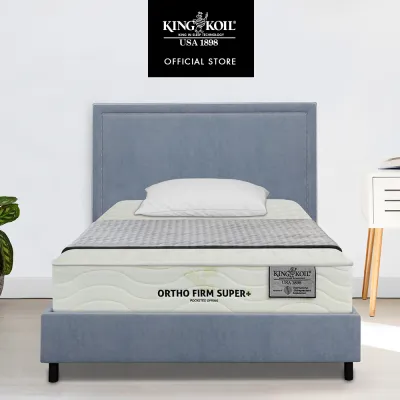
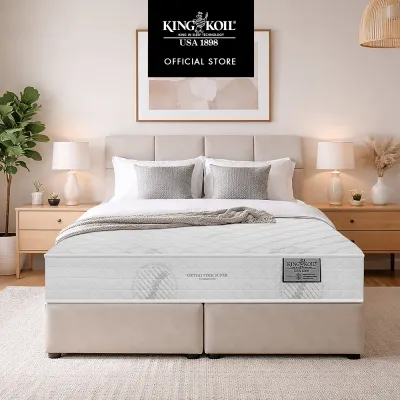
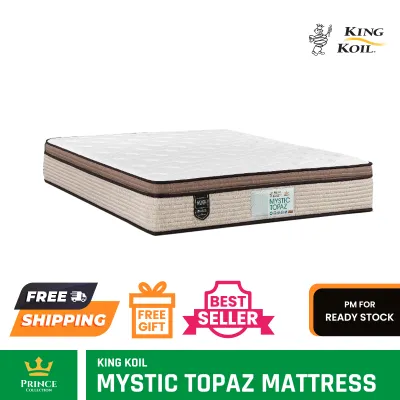
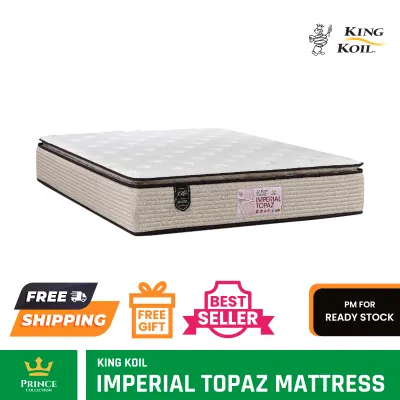
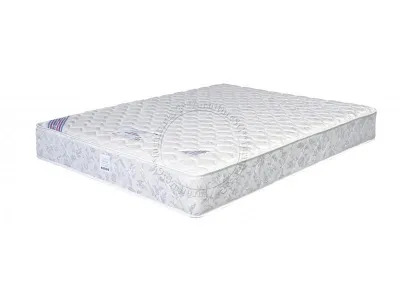
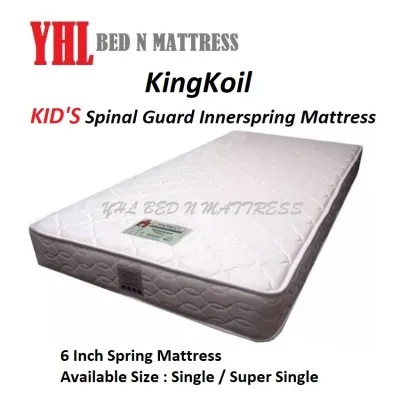
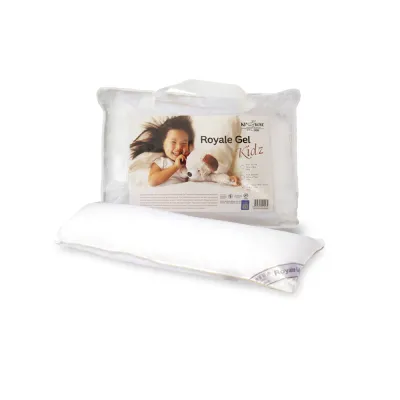
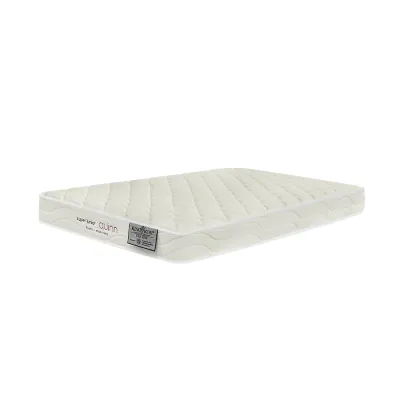
Prices are valid at publication and may change. Please refer to the product page for the latest price.
Stomach sleepers usually benefit from a firmer mattress. When sleeping on the stomach, the midsection carries a significant portion of body weight; a soft mattress allows the hips to sink, arching the lower back unnaturally. A firm surface keeps the body flat and aligned, preventing morning lower back pain.
Combination sleepers, who shift positions throughout the night, must balance pressure relief with ease of movement. A medium or medium-firm mattress with responsive materials often works best, allowing smooth transitions without the feeling of being stuck in one position.
Factor in Your Body Weight and Build
Your body mass directly influences how firm a mattress feels to you. Lighter individuals (typically under 60 kg) exert less downward force and may find standard firm mattresses too hard. They often require a plush or medium comfort layer to achieve proper contouring and pressure relief, as they do not sink deep enough to engage the underlying support core.

Average-weight individuals (between 60 kg and 90 kg) generally experience mattress firmness as advertised by standard manufacturer ratings. For these sleepers, a medium mattress provides a predictable balance of contouring comfort and structural support, making it a safe starting point for most buyers.
Heavier individuals (over 90 kg) often need a firmer support core to prevent excessive sinkage, which can lead to spinal misalignment. To balance this firm foundation, a thicker comfort layer is beneficial to provide adequate pressure relief for the joints, ensuring the mattress does not feel like a hard board.
When shopping, it is essential to check the product specifications for weight limits, high-density foam layers, or reinforced coil systems. Look for details on coil gauge and foam density to verify if the mattress is engineered to handle specific loads over time without premature sagging.
Evaluate Your Comfort Preferences and Physical Needs
Beyond physical alignment, subjective comfort plays a major role in your decision. Consider whether you prefer a “hugging,” sink-in feel or a “sleeping on top,” highly responsive feel. Memory foam layers tend to cradle the body, while latex or pocketed spring systems offer a more buoyant, floating sensation. Knowing which sensation you prefer helps narrow down the material composition of your mattress.
Physical complaints should also guide your firmness choice. If you experience lower back stiffness, a medium-firm mattress is often recommended to support the lumbar region. For shoulder or hip joint pain, prioritizing pressure relief with a slightly softer comfort layer can help alleviate localized stress and improve sleep quality.
Sharing a bed introduces the need for compromise and motion isolation. If you and your partner have different sleep preferences, a medium-firm mattress often serves as a comfortable middle ground. Additionally, pocketed coil systems help isolate movement, ensuring that one partner’s shifts do not disturb the other during the night.
Sometimes, personal comfort preferences conflict with ergonomic needs. For example, you might love the feel of an ultra-plush bed, but your back requires firmer support. In such cases, look for a balanced middle ground, such as a firm support core topped with a plush pillow-top layer, which offers the best of both worlds.
How to Test and Verify King Koil Mattress Options
To ensure you make the right choice, physical testing in a showroom is highly recommended. Spend at least 10 to 15 minutes lying on a mattress in your natural sleep position. Bring or request a pillow of your preferred height to replicate your actual sleeping posture as closely as possible, as an incorrect pillow can skew your perception of the mattress.
Pay close attention to brand-specific firmness labels, such as plush, cushion firm, medium, and extra firm. Because these terms are relative, ask the retail consultant for detailed specifications regarding the comfort layers, foam densities, and coil counts to understand what lies beneath the fabric. This helps you compare different models objectively.
If you are purchasing online or want extra peace of mind, look into sleep trials, return policies, and firmness exchange programs. Many retailers offer a window during which you can exchange the mattress if the initial choice feels too hard or too soft after a few weeks of home use. Be sure to read the terms and conditions regarding return shipping or processing fees.
While adjusting to a new mattress can take several weeks, persistent or severe pain is a sign that the firmness level is incorrect. If you experience ongoing discomfort despite trying different options, stop and consult a healthcare professional to address any underlying musculoskeletal issues.
Frequently Asked Questions (FAQ)
Can I change the firmness of my King Koil mattress after buying it?
While you cannot alter the core support layer of a mattress once it is manufactured, you can adjust the surface feel. Adding a mattress topper is an effective way to introduce plushness or pressure relief to a bed that feels too firm. Conversely, if a mattress is designed to be dual-sided, rotating or flipping it according to the manufacturer’s instructions may help maintain its shape, though most modern one-sided models cannot be flipped. Ultimately, if the core support is too soft, a topper cannot fix the underlying sag, and replacing the unit may be necessary.
Is a firmer King Koil mattress always better for back pain?
No, a firmer mattress is not universally better for back pain. While an overly soft mattress can cause the spine to sag out of alignment, an excessively firm mattress can create painful pressure points at the shoulders and hips, preventing the muscles from fully relaxing. A medium-firm mattress is frequently recommended for general back support because it balances structural alignment with surface cushioning. However, the ideal firmness depends entirely on your individual body weight and primary sleeping position. For chronic or severe back conditions, always seek professional medical advice.
How do King Koil's firmness labels translate to actual feel?
Firmness labels like plush, medium, and firm describe the relative thickness and density of the comfort layers over the support core. A plush mattress has thicker, softer foam layers, while an extra-firm model features thinner comfort layers and stiffer coils. However, the actual feel is highly subjective and varies based on the sleeper’s weight and even the room temperature, as some foams soften in warmer climates. To avoid surprises, rely on physical testing or detailed trial periods rather than choosing a mattress solely based on the printed label.
Community discussion
Share your experience or ask a question. Comments are reviewed before publication.