
Finding the right firmness level for a single mattress requires balancing your primary sleeping position, body weight, and specific physical needs. Because a single mattress concentrates your entire body weight onto a relatively small surface area, selecting the wrong firmness can quickly lead to morning aches, poor spinal alignment, or restless nights. By evaluating how your body interacts with different comfort layers and support systems, you can confidently identify the ideal mattress feel before making a purchase.
While personal preference plays a significant role, mattress selection is highly structural. The ideal choice should keep your spine in a neutral, straight position from your neck to your pelvis while relieving pressure on your shoulders, hips, and lower back. Understanding how manufacturers measure and define firmness is the first step toward making an informed decision.
Understanding the Mattress Firmness Scale
To help consumers navigate different models, the bedding industry uses a standard 1-to-10 firmness scale. On this scale, a rating of 1 represents extreme softness with almost no resistance, while a 10 represents an incredibly rigid, solid surface. In practice, almost all retail mattresses fall between a 3 and a 9, as options at the extreme ends of the spectrum do not provide the balance of comfort and support required for healthy sleep.
Products mentioned in this guide
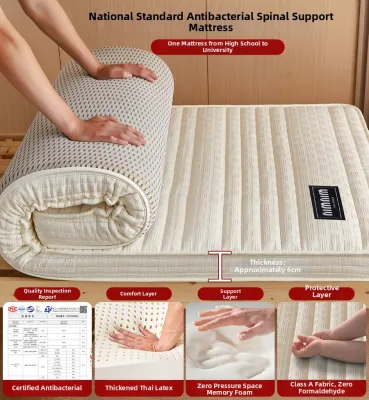
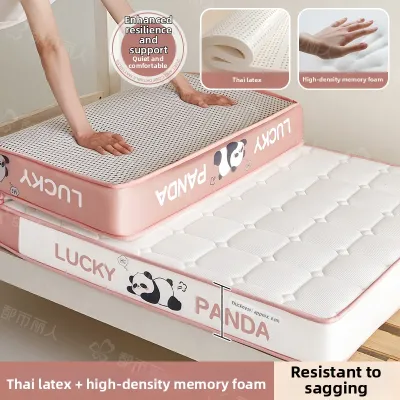
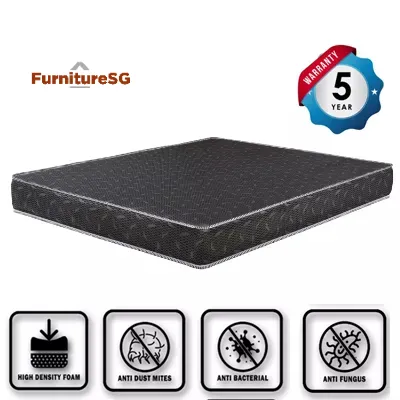
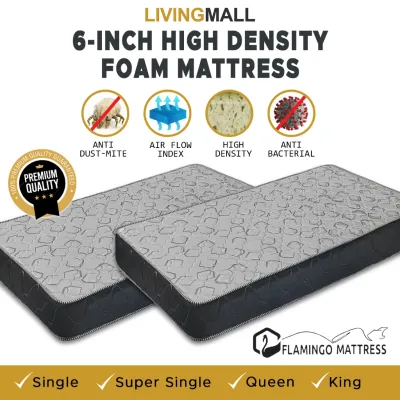
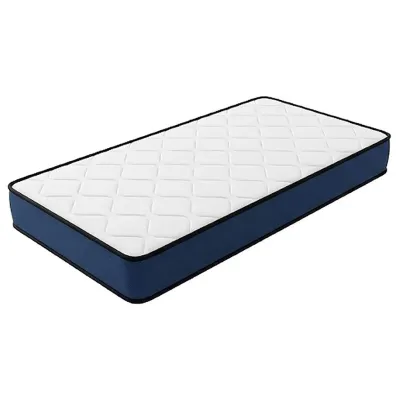
![[Bulky] DREAMAX Equinox Rest 8 Inch Comfort Pocket Spring Mattress / 20cm / Bed (SG) / sd](https://img.lazcdn.com/g/p/c25e074503162de8fade85f5c4b33c8d.jpg_400x400q80.jpg_.webp)
Prices are valid at publication and may change. Please refer to the product page for the latest price.
Soft mattresses, typically rated from 3 to 4, offer deep sinkage and heavy contouring. These models use thick comfort layers made of plush memory foam, gel transition foam, or natural wool to cradle the body. They are designed to cushion prominent pressure points, though they offer minimal resistance against deep compression.
Medium mattresses, rated from 5 to 6, provide a balanced feel that combines surface cushioning with moderate pushback. This range is highly versatile because it accommodates a wide variety of body shapes and sleeping styles. It allows for gentle contouring without making you feel trapped or stuck in the comfort layers.
Firm mattresses, rated from 7 to 9, offer a solid sleeping surface with very little sinkage. These models prioritize immediate support, keeping your body positioned on top of the mattress rather than letting you sink into it. They utilize high-density foam bases or robust pocketed coil systems to maintain a flat, stable plane.
It is crucial to distinguish between surface firmness and structural support. Firmness refers to the immediate feel of the top comfort layers when you first lie down. Support refers to the core structure’s ability to keep your spine aligned over several hours. A single mattress with a soft comfort layer can still provide excellent spinal support if it is built on a high-quality, high-density pocket spring or foam core.
Match Your Single Mattress Firmness to Your Primary Sleeping Position
Your dominant sleeping posture determines where your body exerts the most pressure on a single mattress. To prevent chronic muscle tension and joint strain, the mattress must yield at your body’s widest points while supporting your lighter zones.

Side Sleepers (3 to 6 rating) Side sleepers require a softer to medium surface to accommodate the sharp lateral curves of the shoulders and hips. When a side sleeper rests on a surface that is too firm, these pressure points bear the brunt of the body’s weight, leading to restricted blood circulation, numbness, and misalignment of the thoracic spine. A mattress rated between 3 and 6 allows the shoulders and hips to sink just enough to keep the spine running in a straight, horizontal line.
Back Sleepers (5 to 7 rating) Back sleepers need a medium to medium-firm mattress to support the natural, S-shaped curve of the spine. If the mattress is too soft, the heavy pelvis area will sag into the bed, flattening the natural curve of the lower back and straining the surrounding ligaments. Conversely, an overly firm mattress will leave a gap beneath the lumbar spine, forcing the lower back muscles to remain tense all night. A rating of 5 to 7 keeps the hips level with the shoulders while filling the lumbar gap.
Stomach Sleepers (7 to 9 rating) Stomach sleeping is highly demanding on the lower back, requiring a firm mattress to prevent the midsection from sagging. When the pelvis sinks too deeply into a soft mattress, the spine is forced into an unnatural upward arch, compressing the lumbar discs. A firm surface rated between 7 and 9 keeps the hips elevated and aligned with the chest, reducing the risk of waking up with lower back stiffness.
Combination Sleepers (5 to 6 rating) If you regularly switch positions throughout the night, a balanced medium mattress is generally the most practical choice. A 5 or 6 rating provides enough surface cushioning for occasional side sleeping while offering sufficient resistance to support back or stomach postures. This range also makes it easier to turn over, as you do not have to fight against deep, slow-moving foam layers to change positions.
Adjust for Your Body Weight and Build
Your body weight directly influences how deeply you compress the comfort layers of a single mattress. Because of this, a mattress that feels perfectly medium-firm to one person may feel incredibly hard or excessively soft to another.
Lighter Individuals (Under 60 kg) Lighter sleepers exert very little downward force on a mattress. On a standard medium-firm model, they may not compress the top comfort layers enough to trigger any contouring, causing the bed to feel much firmer than advertised. If you weigh under 60 kg, you will generally get better pressure relief and spinal alignment from a softer mattress rated between 3 and 5, which responds more easily to lighter weights.
Average-Weight Individuals (60 to 100 kg) Sleepers in this weight bracket typically experience a mattress exactly as the manufacturer intended. If you fall into this category, you can rely closely on standard industry ratings. A true medium or medium-firm mattress (5 to 7) serves as an excellent, low-risk starting point, providing a predictable balance of surface comfort and deep structural support.
Heavier Individuals (Over 100 kg) Heavier sleepers exert substantial downward pressure, causing them to sink deeply through the comfort layers and press directly against the rigid support core. On a soft or standard medium mattress, this can lead to bottoming out, poor spinal alignment, and premature wear along the edges of the bed. If you weigh over 100 kg, look for firm or extra-firm options (7 to 9) that feature high-density foams or reinforced pocketed coils. These materials provide the necessary resistance to maintain edge stability and prevent deep sagging.
Before finalizing your purchase, verify the manufacturer’s stated weight capacity for the specific single mattress model. Ensuring the mattress is rated for your weight class protects the structural integrity of the materials and prevents premature sagging over years of continuous use.
Account for Personal Comfort and Physical Needs
While sleeping position and body weight provide a reliable baseline, specific physical conditions and environmental factors can shift your ideal firmness requirements.
Back or Joint Pain If you suffer from chronic lower back pain, clinical studies generally point to a medium-firm mattress as the most effective option for reducing discomfort. However, if your pain is concentrated in your shoulders, collarbone, or hip joints, a slightly softer surface may be necessary to minimize direct pressure on those sensitive areas. Always consult a healthcare professional or physical therapist to get personalized guidance for chronic orthopedic issues.
Temperature Regulation In Singapore’s warm and humid tropical climate, heat retention is a major consideration. Firmer mattresses keep your body positioned on top of the sleeping surface, exposing more of your skin to ambient airflow and room ventilation. Softer mattresses contour closely around your body, trapping heat and moisture within the comfort layers. If you tend to sleep hot, look for firmer models or check for cooling features such as open-cell latex, gel-infused memory foam, or breathable pocketed spring systems.
Adjustment Period When you replace an old, sagging bed, your muscles and ligaments are often accustomed to improper alignment. Transitioning to a new mattress with the correct firmness level can feel uncomfortable or stiff at first. It typically takes two to four weeks for your body to adjust to a new support profile and for the mattress materials to settle into their intended performance levels.
How to Test and Verify Your Choice Before Buying
Because buying a mattress is a long-term investment, you should take practical steps to verify your chosen firmness level before committing to a purchase.
In-Store Testing If you visit a physical showroom, avoid the common mistake of simply sitting on the edge of the bed or pressing your hand into the center. Wear comfortable, loose clothing and lie down on the single mattress in your primary sleeping position for at least 10 to 15 minutes. This gives your body enough time to settle past the initial surface softness and allows you to gauge how the deeper support layers feel under your lower back, hips, and shoulders.
Online Purchasing If you prefer the convenience of buying online, prioritize brands that offer extended home sleep trials, such as 100-night trials. A home trial allows you to test the mattress in your own sleeping environment over several weeks. Carefully read the terms and conditions to ensure the trial includes a hassle-free return policy with clear instructions on who covers the return shipping or collection fees.
Size and Space Verification Before placing your order, double-check the exact dimensions of the bed. In Singapore, a standard single mattress typically measures 91 cm by 190 cm, while a super single mattress measures 107 cm by 190 cm. Ensure your chosen size fits your existing bed frame, leaves adequate walking space in your room, and can easily clear narrow doorways, tight corridors, or HDB lift doors during delivery.
Frequently Asked Questions (FAQ)
Is a firm mattress always better for back pain?
No, a firm mattress is not universally superior for back pain. While an overly soft mattress allows the spine to sag, a mattress that is too rigid cannot conform to the natural curves of your body, creating painful pressure points at the shoulders and hips. A medium-firm mattress generally offers the best balance of support and cushioning for lower back pain, but your optimal choice depends on your body weight and sleep position.
Will a single mattress feel different from a larger size in the same model?
Yes, a single mattress can feel slightly firmer than a queen or king-size mattress of the exact same model. Because a single mattress has a smaller surface area, your body weight is concentrated over a narrower section of coils or foam cells. This concentrated pressure can make the support core feel more resistant and rigid compared to a larger bed where the weight is distributed over a wider surface.
Community discussion
Share your experience or ask a question. Comments are reviewed before publication.