
Finding the right fabric couch brand for a Housing & Development Board (HDB) flat in Singapore requires balancing aesthetic appeal with strict spatial and environmental realities. Because HDB living rooms often serve multiple functions—acting as a lounge, home office, and dining pathway—the ideal couch must offer compact dimensions, breathable materials suited for tropical humidity, and flexible configurations. By focusing on brands that prioritize smart proportions and high-performance fabrics, you can secure a couch that enhances your home without overcrowding it.
Understanding HDB Space Constraints and Couch Dimensions
To find the right fabric couch for your HDB flat, you must first understand the physical boundaries of your living room. Newer BTO flats typically feature living areas with a width of 3.0 to 3.4 meters between the main TV wall and the opposite wall. This limited distance means that every centimeter of couch depth directly impacts your remaining walkway. If you select a couch that is too deep, you risk creating a cramped environment where family members must squeeze past the coffee table or TV console.
When planning your layout, aim to maintain a minimum clearance of 60 to 75 centimeters for standard walkways. If the path leads to a balcony, kitchen, or main entrance, increase this clearance to 90 centimeters to allow comfortable, unhindered movement. Failing to account for these pathways can make a beautifully designed couch feel like an obstacle rather than a comfortable retreat.
Products mentioned in this guide
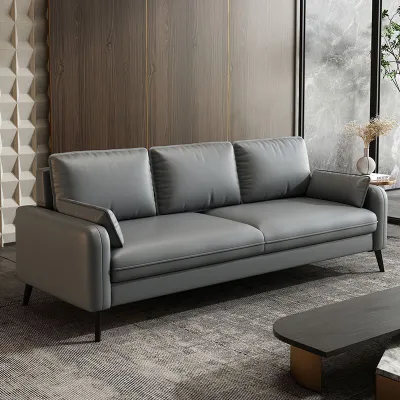
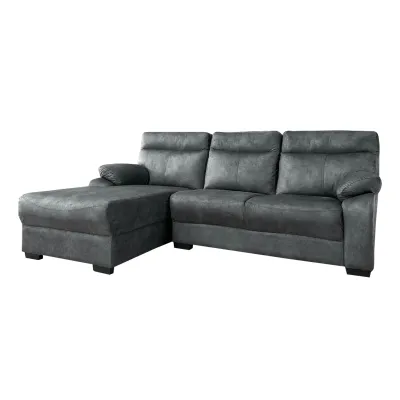
Prices are valid at publication and may change. Please refer to the product page for the latest price.
You must also weigh the trade-offs between couch depth and overall length. A deep couch (100 centimeters or more) offers excellent comfort for lounging and lying down, but it significantly reduces the remaining floor space. Conversely, a shallower couch (80 to 90 centimeters) preserves precious floor area and keeps the room looking spacious, though it may feel less accommodating for deep lounging. For seating capacity, a longer couch allows more people to sit side-by-side, but it can block access to adjacent dining areas or household shelters.
Before browsing brand catalogs, map out your living room floor plan using physical templates. Laying down newspaper or sticking masking tape on the floor to match the exact dimensions of your prospective couch is a highly effective way to visualize its footprint. Walk around the taped area for a few days to test the traffic flow and ensure that balcony doors, cabinets, and household shelter doors can open fully without obstruction.
Key Design and Material Features for HDB Living Rooms
Singapore’s tropical climate presents unique challenges for fabric furniture, making material selection a critical decision. High relative humidity levels, which often exceed 80%, can trap moisture within dense fabric fibers, leading to musty odors and premature wear. To combat this, prioritize breathable, moisture-wicking fabric weaves such as linen-cotton blends, flat-weave polyesters, or specialized performance fabrics. Avoid heavy, tightly woven materials like thick velvet or dense chenille, which tend to trap body heat and feel uncomfortably warm during hot afternoons.

The structural design of the couch base also plays a vital role in maintaining a healthy indoor environment. Selecting a couch with elevated legs—ideally between 10 and 15 centimeters of clearance—promotes continuous airflow underneath the seating structure. This ventilation helps prevent moisture from pooling on your flooring, which is especially important if you have vinyl or laminate floors prone to warping. Furthermore, this clearance height allows standard robot vacuums to pass underneath freely, preventing the accumulation of dust, pet hair, and allergens.
Another design consideration is the choice between modular and fixed configurations. Fixed couches offer a classic, sturdy feel and are often more budget-friendly, but they lack flexibility if you decide to rearrange your living room or move to a new home. Modular configurations, on the other hand, allow you to adapt the seating arrangement to suit different occasions. You can easily separate modules to create individual seating pods or combine them into a cohesive sectional when hosting guests, making them highly suitable for the multi-functional nature of HDB living.
Additionally, pay close attention to the armrest design of the couch. Bulky, heavily padded armrests can easily consume 20 to 30 centimeters of the couch’s total width without adding any actual seating space. For tight HDB layouts, look for brands that offer slim, low-profile, or track armrests. This design choice maximizes the usable seating area while keeping the overall footprint of the couch as compact as possible.
How to Vet Fabric Sofa Brands for Local HDB Needs
Not all furniture brands design their products with Singapore’s unique housing layouts in mind. Many international brands cater to larger suburban homes, resulting in standard catalog sizes that are simply too large for a typical HDB flat. When vetting brands, look for those that explicitly offer “compact,” “apartment-sized,” or “small-space” collections. A brand that understands the local market will often provide detailed dimension guides and offer 2-seater or compact 3-seater options that fall within the 1.5 to 2.0-meter range.
While online shopping offers convenience, visiting a local showroom is an indispensable step in the vetting process. Sitting on the couch in person allows you to evaluate the actual seat depth, cushion firmness, and fabric texture. A couch that looks stunning in a rendered online image might feel too firm, too soft, or have a scratchy fabric texture in reality. Showrooms also give you the opportunity to view the fabric colors under different lighting conditions, helping you avoid shades that might look vastly different under your home’s warm or cool lighting.
When evaluating a brand, scrutinize their warranty terms with a focus on local environmental factors. High humidity and consistent use can accelerate the degradation of foam cushions and fabric covers. Check if the brand’s warranty covers frame warping, joint stability, and cushion sagging under normal residential use. Be aware that standard warranties rarely cover fabric pilling, fading from UV exposure, or moisture-related damage, which underscores the importance of choosing high-quality, resilient fabrics from the outset.
Customer service and post-purchase support are also key indicators of a brand’s reliability. Look for brands that provide clear communication regarding delivery timelines, assembly services, and return policies. Reading independent customer reviews can reveal how a brand handles issues like delayed shipments, manufacturing defects, or transit damage, giving you peace of mind before making a significant financial investment.
Building Your Condition-Based Brand Shortlist
To streamline your search, categorize potential fabric couch brands based on your specific HDB flat type and household lifestyle. If you live in a compact 3-room flat, your primary goal is to maximize space efficiency. Look for brands that specialize in minimalist designs, loveseats, or armless couches. These designs provide comfortable seating for two to three people without dominating the visual landscape of your living room. Choosing a couch with a light color palette and slender legs can also help create the illusion of a larger, airier space.
For those living in larger 4-room or 5-room flats, open-concept layouts are increasingly common. In these spaces, you can consider brands that offer L-shaped sectionals or modular configurations. A well-placed sectional can serve as a natural divider between your living and dining areas, defining the zones without the need for physical walls. When shortlisting brands for these layouts, ensure they offer reversible chaises or modular pieces that can be configured to fit either the left or right side of your room, giving you maximum layout flexibility.
As you build your shortlist, verify all marketing claims against actual product specifications and customer feedback. Some brands may market a couch as “perfect for small spaces,” but a quick check of the dimensions might reveal a depth that blocks your walkway. Create a comparison spreadsheet to track the exact width, depth, height, and price in S$ for each model you are considering. Be sure to factor in any additional costs, such as delivery fees, assembly charges, and prevailing taxes, to ensure an accurate budget comparison.
Finally, consider your household’s daily habits when selecting fabric types from your shortlisted brands. If your living room receives direct sunlight through large windows, look for brands that offer fabrics with high UV resistance to prevent premature fading. If you frequently host gatherings or enjoy dining on the couch, prioritize brands that offer stain-resistant performance fabrics or removable, washable slipcovers, which make long-term maintenance significantly easier.
Pre-Purchase Checks and Delivery Logistics for HDBs
The final hurdle in your couch-buying journey is ensuring the physical delivery goes smoothly. Many homeowners overlook the logistical constraints of HDB estates, only to find that their new couch cannot fit into the lift or navigate tight corridor corners. Before finalizing your purchase, measure the height, width, and diagonal clearance of your HDB lift cabin. You must also measure the width of the common corridors and any sharp turns leading to your front door, especially in older HDB blocks where corridors may be narrower.
When purchasing from a brand, inquire about their delivery methods and the physical state of the couch upon arrival. Some brands deliver couches fully assembled, which requires maximum clearance, while others deliver them in modular sections or flat-pack boxes that are assembled on-site. If you live on a higher floor and the couch cannot fit into the lift, check if the brand offers specialized hoisting services or manual carrying up the stairs, and clarify any associated fees in S$ beforehand.
On the day of delivery, prepare your home to prevent damage to both your new couch and your property. Clear a wide path from the front door to the living room, removing any loose rugs, shoes, or decorative items. Verify whether the delivery team provides floor protection during assembly. If not, prepare cardboard sheets or heavy blankets to protect your HDB tiles or vinyl flooring from scratches. Once the couch is assembled, check that the legs are fitted with protective felt pads to prevent future floor damage when the couch is moved for cleaning.
Frequently Asked Questions (FAQ)
Can I customize fabric couch dimensions for my HDB?
Yes, several local furniture brands in Singapore offer customization options for fabric couches. This service typically allows you to adjust the overall length, seat depth, and armrest width, as well as select from a wide range of fabric colors and textures. However, opting for a customized couch generally increases the production lead time, often taking anywhere from 6 to 12 weeks. It also carries a premium price tag compared to standard, off-the-shelf catalog models, so you should weigh the benefits of a perfect fit against your budget and timeline.
How do I prevent fabric couches from molding in high humidity?
Preventing mold on a fabric couch in Singapore’s humid climate requires consistent maintenance and good airflow. Position your couch at least 5 centimeters away from the wall to allow air to circulate behind it, preventing moisture from getting trapped. On humid or rainy days, keep windows closed and use a dehumidifier or air conditioner to maintain indoor humidity levels below 60%. Regularly vacuum your couch to remove organic matter like dust and skin cells, which can feed mold spores, and always refer to the manufacturer’s care label before applying any liquid fabric protectors or cleaning solutions.
Community discussion
Share your experience or ask a question. Comments are reviewed before publication.