
Choosing the correct dust cover size for your massage chair requires matching the physical dimensions of your specific brand and model to the cover’s structural design. Because massage chairs feature complex, moving components—such as extending footrests, reclining backrests, and external control panels—a standard rectangular cover will rarely provide adequate protection. To find the right fit, you must measure the chair in both its fully upright and maximum reclined positions, identify any protruding features, and decide between a brand-specific custom cover or an adjustable universal option.
In Singapore’s humid climate, selecting the proper cover size is not just about aesthetics; it is essential for protecting sensitive electronic components and synthetic leather upholstery from dust accumulation, ambient moisture, and accidental scratches. A cover that is too tight can strain mechanical joints or compress delicate airbag systems, while an oversized cover can drape loosely on the floor, trapping dust and obstructing necessary ventilation. By following a systematic measurement and verification process, you can safeguard your investment and ensure your massage chair remains fully functional for years to come.
Prepare to Measure Your Massage Chair
Before pulling out your measuring tape, gather the necessary tools and assess the chair’s placement. If you need to shift the chair to access its rear panels for measurement, verify your available space and ensure there is clear doorway or lift access if the chair must be relocated. Ensure the chair remains on a flat, stable surface throughout this process so that its load capacity and stability are not compromised during handling. You will need a flexible fabric measuring tape—which conforms easily to curved surfaces—a notepad or digital device to record your findings, and the chair’s original user manual if it is available.
Products mentioned in this guide
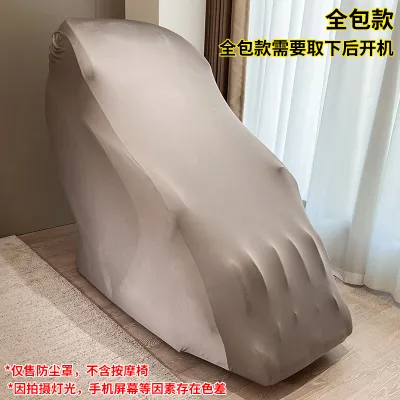
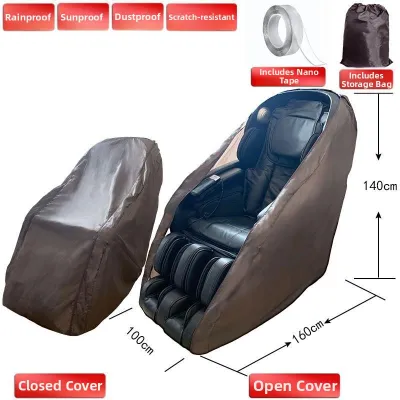
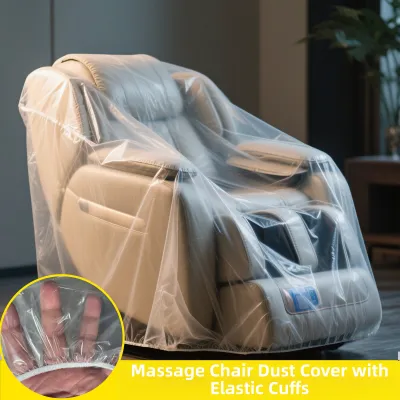
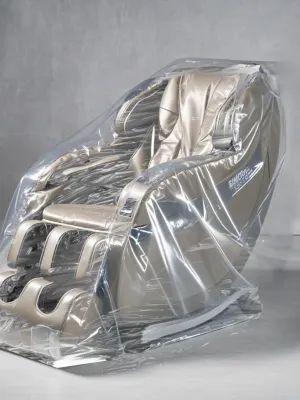

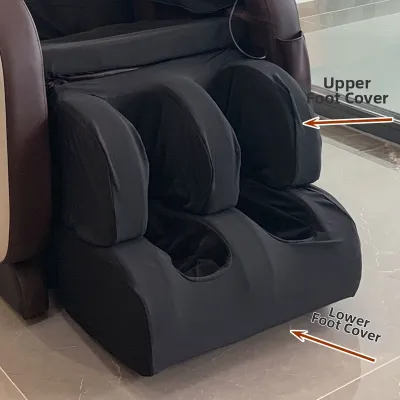
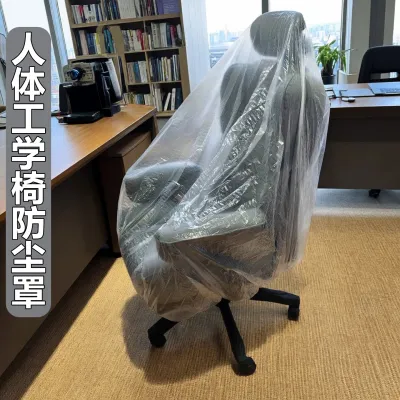
Prices are valid at publication and may change. Please refer to the product page for the latest price.
The manufacturer’s manual is an invaluable starting point, as it often lists the official product dimensions, including the maximum width, height, and depth. However, manual verification is still necessary, as aftermarket accessories or specific home placements can alter the actual space your chair occupies. Take a close look at the physical profile of your massage chair to identify any protruding features that might affect how a cover drapes. Many modern models include extended footrests, wide armrest panels, external remote control holders, or overhead surround-sound speakers.
These components create irregular shapes that require extra fabric allowance. If your chair features a tablet-style controller mounted on a dedicated bracket, note whether this bracket can be folded inward or if it remains static, as a rigid arm will require a wider cover clearance to prevent the fabric from stretching too tightly over the screen. Additionally, consult the manufacturer’s guidelines for any specific cover recommendations or material restrictions. Some brands advise against using heavy, non-breathable plastic covers because they can trap heat and humidity, potentially damaging the synthetic leather upholstery or causing mold growth in tropical environments.
Step-by-Step Guide to Measuring for a Dust Cover
To ensure complete coverage, you must measure your massage chair in multiple states of use. Begin by placing the chair in its fully upright, inactive position. Measure the maximum height from the floor to the highest point of the backrest. If your chair has headrest cushions or shoulder massage panels that extend upward, make sure your tape measure reaches the absolute peak of these components. Next, measure the total width across the widest part of the chair, which is typically the outer edges of the armrests. If the chair has side-mounted control panels or cup holders, include these in your width measurement to avoid a tight fit that could damage these accessories.

The depth of the chair in its upright position is measured from the furthest point of the backrest to the front edge of the footrest. Once you have recorded these upright dimensions, activate the chair and transition it into its fully reclined or zero-gravity position. This step is crucial because many users prefer to leave their dust cover on when the chair is not in use but still plugged in, or they may have limited space in their living room or study. Measure the maximum reclined length from the tip of the fully extended footrest to the top of the reclined backrest.
This operational footprint is often significantly larger than the upright footprint, and some universal covers are specifically designed to accommodate this extended shape. While measuring, pay close attention to the rear of the chair. Most massage chairs require a specific clearance distance from the wall to recline safely without hitting the wall or obstructing rear ventilation vents. Measure this gap and note the location of the power cord inlet and the main power switch. Your dust cover must allow sufficient clearance for these cords to exit safely without being bent at sharp angles. Furthermore, ensure that the cover design does not block the rear ventilation grilles, which are essential for dissipating heat from the internal motors and compressors after a massage session.
Match Measurements to Custom or Universal Cover Options
With your precise measurements in hand, you can now evaluate whether to purchase a brand-specific custom cover or an adjustable universal cover. Custom-fit covers, often sold directly by the massage chair manufacturer or specialized aftermarket brands, are tailored to the exact model number of your chair. Compare your manual measurements against the official size charts provided by these manufacturers. A custom cover offers a sleek, tailored appearance that matches the contours of the chair perfectly, minimizing excess fabric. However, verify that the custom cover’s specifications match your specific model generation, as manufacturers sometimes make minor design updates to the same model line over time.
If a custom cover is unavailable or outside your budget, a universal massage chair dust cover is a highly versatile alternative. When assessing universal options on online marketplaces, look for products that specify their maximum stretch capacity and feature adjustable elements. High-quality universal covers typically utilize elastic hems, adjustable drawstrings, or buckle straps that allow you to cinch the excess fabric tightly around the base of the chair. Check the product descriptions for these adjustable features, as they allow a single cover size to fit a range of similar chair dimensions while preventing the fabric from sagging or dragging on the floor.
When choosing between materials, consider how the fabric’s drape and seam placements will interact with your chair’s moving parts. Heavy canvas or stiff synthetic materials may not drape smoothly over curved armrests, potentially putting pressure on delicate airbag mechanisms or motorized calf rollers. Opt for lightweight, breathable, and dust-resistant fabrics that slide easily over the chair’s surface. Additionally, review the retailer’s return policies and sizing guarantees before finalizing your purchase. Because massage chairs have highly complex shapes, there is always a slight risk that a cover may not fit as expected, making a flexible return or exchange policy essential for a worry-free purchase.
Verify the Fit and Adjust for Proper Protection
Once your new dust cover arrives, perform a thorough test fit to ensure it provides optimal protection without compromising the chair’s components. Carefully drape the cover over the massage chair, starting from the top backrest and working your way down to the footrest. Check that the fabric fully encloses the upholstery without pulling tightly across mechanical joints, zippers, or control panels. If the cover feels excessively tight over the shoulder panels or armrests, adjust its position to relieve the tension. A cover that is stretched too tightly can apply constant pressure to the internal sensors and motors, potentially leading to premature wear.
Next, secure the bottom hems, drawstrings, or straps around the base of the chair. In Singapore homes, where floor-level dust and pet hair can easily accumulate, securing the bottom of the cover is vital to prevent drafts from carrying dust underneath the chair’s mechanical base. Ensure the hem sits slightly above the floor level so it does not trap moisture from floor mopping or interfere with the chair’s caster wheels if you need to slide the chair for cleaning.
Test the ease of removing and replacing the cover. It should slide off smoothly without snagging on delicate synthetic leather surfaces, remote control brackets, or power switches. Finally, always confirm that the chair’s ventilation areas are completely unobstructed when the cover is applied, especially if the chair has just been used. Allowing the internal motors to cool down with proper airflow prevents overheating and preserves the longevity of the electronic control boards inside your massage chair.
Frequently Asked Questions (FAQ)
Can I use a standard sofa cover for my massage chair?
Using a standard sofa or armchair cover for a massage chair is generally not recommended due to the vast differences in shape and functionality. Standard furniture covers are designed for static, blocky shapes and do not account for the moving parts, extending footrests, or deep reclining angles of a massage chair. A standard cover will often drape awkwardly, leaving sensitive lower mechanical areas exposed to dust while bunching up around the top. More importantly, standard covers lack the specific ventilation allowances required by massage chairs, which can trap heat generated by the internal motors and compressors, posing a risk of overheating or damage to the electronics.
What should I do if my massage chair model is discontinued?
If your massage chair model is discontinued and the manufacturer no longer supplies official custom covers, you can still find excellent protection by relying on precise manual measurements. Use your recorded upright and reclined dimensions to search for a high-quality universal cover that features adjustable drawstrings, elastic hems, or tension straps to customize the fit. Alternatively, you can contact third-party upholstery shops or custom cover specialists. Many of these specialists can fabricate a bespoke cover using your exact measurements, allowing you to select breathable, durable fabrics that match your home decor while ensuring a perfect, safe fit for your classic massage chair model.
Community discussion
Share your experience or ask a question. Comments are reviewed before publication.