
Finding the most comfortable wooden frame recliner in Singapore is not about chasing a single brand name, but rather understanding how a chair’s physical structure supports your body. Because comfort is highly subjective, a brand that works perfectly for one person might cause discomfort or back strain for another. The key lies in evaluating how the wood frame, cushioning, and mechanical components interact to distribute your weight and support your posture. By focusing on verifiable design features rather than marketing claims, you can find a wood sofa recliner that offers lasting comfort and fits seamlessly into your home.
Key Comfort Factors in Wooden Frame Recliners
The comfort of a wooden frame recliner is determined by its structural engineering and how well it aligns with your body’s natural shape. Unlike fully upholstered sofas, a wooden frame recliner has a visible, rigid skeleton that defines its shape and limits. Understanding the key design elements of this skeleton will help you identify which models are built for genuine, long-term comfort.
Frame Geometry and Recline Angle
The angle of the backrest relative to the seat pan—known as the seat-to-back angle—is the foundation of recliner comfort. In a well-engineered wood frame, this geometry naturally shifts your body weight away from the lower spine and distributes it evenly across the backrest. Look for frames that maintain a supportive angle of 100 to 110 degrees when upright, transitioning smoothly to a deeper angle when reclined to relieve pressure on the lumbar discs. A frame with poor geometry will force your body into a slouch, leading to muscle fatigue and lower back pain after short periods of sitting.
Products mentioned in this guide
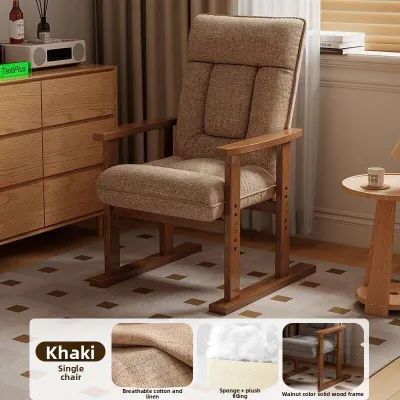
Prices are valid at publication and may change. Please refer to the product page for the latest price.
Cushioning Integration
Because wood is inherently rigid, the way cushioning is integrated into the frame determines whether you will experience pressure points over time. High-quality wood recliners utilize a suspension system, such as heavy-duty elastic webbing or pocket springs, stretched across the wooden seat frame. This suspension acts as a buffer, preventing the foam from bottoming out against the hard wood base. When testing a recliner, pay attention to the foam density; high-resiliency foam offers the best balance of initial softness and long-term support, resisting sagging even with daily use in Singapore’s humid climate.
Ergonomic Support
Proper ergonomic support requires the recliner to align with the natural curves of your spine. A built-in lumbar curve in the wooden backrest frame ensures that your lower back remains supported, preventing slouching. Additionally, the height and contour of the wooden armrests should allow your shoulders to relax naturally without hunching. If the armrests are too high, they can cause neck tension; if they are too low, they offer no support when you are reading or lounging.
Comparing Common Wood Recliner Designs for Comfort
Wooden frame recliners come in several distinct design styles, each offering a different balance of aesthetic appeal, structural support, and cushioning. Matching these designs to your personal comfort preferences is essential for finding the right chair.

Traditional Solid Wood Recliners
Traditional solid wood recliners are celebrated for their classic aesthetic, robust construction, and exceptional durability. These chairs typically feature a visible, heavy timber frame crafted from hardwoods like teak, oak, or walnut. Because the frame itself is completely rigid, comfort relies heavily on the quality of the removable or integrated cushions. When evaluating these models, check the joint construction; mortise-and-tenon joints secured with wood glue and screws offer superior stability compared to simple dowel joints. These recliners are ideal for those who prefer a firm, upright seating position and appreciate the warmth of natural wood grain.
Molded or Curved Plywood Recliners
Molded or curved plywood recliners, often inspired by classic Scandinavian designs, take a different approach to comfort by utilizing the natural flexibility of layered wood. Through a process of heat and pressure, thin layers of wood veneer are bonded together to form contoured shapes that mimic the human body’s natural curves. This design allows the frame to flex slightly under your weight, absorbing movement and providing a gentle, spring-like bounce. Because these chairs are less bulky than traditional upholstered recliners, they are highly suited for smaller living spaces where maximizing floor space is essential.
Hybrid Wood-and-Upholstery Recliners
Hybrid wood-and-upholstery recliners offer a middle ground, combining the elegant look of exposed wooden legs and armrests with a fully padded, upholstered seat bucket. This design ensures that every surface your body directly contacts is soft and cushioned, while the external wooden frame provides structural integrity and visual appeal. The primary comfort advantage here is the seamless transition between the seat, backrest, and footrest, which eliminates the gaps often found in traditional solid wood frames. This style is highly recommended for those who prioritize a plush, sink-in lounging experience for extended movie nights or afternoon relaxation.
Verifying Fit, Clearance, and Stability
Even the most well-constructed recliner will feel uncomfortable if it does not physically fit your body or your living room layout. Before making a purchase, you must verify several critical dimensions to ensure safe and comfortable operation.
Clearance Requirements
Before purchasing any recliner, you must measure your living space to ensure the chair can operate safely and comfortably. Traditional recliners require significant clearance behind the backrest to tilt backward fully, which can be challenging in compact living rooms. Look for “wall-hugger” or “zero-wall” mechanisms if space is limited; these designs slide the seat forward as the backrest reclines, requiring only a few centimeters of clearance from the wall. Additionally, ensure there is ample floor space in front of the chair for the footrest to extend without blocking walkways.
Seat Depth and Height
The physical dimensions of the seat must match your body proportions to prevent fatigue and circulatory issues. When sitting upright, your feet should rest flat on the floor with your knees bent at a comfortable 90-degree angle. If the seat is too high, your legs will dangle, putting pressure on the back of your thighs; if it is too low, standing up becomes difficult. The seat depth should allow you to sit fully back against the lumbar support while leaving a small gap between the edge of the seat cushion and the back of your knees.
Weight Capacity and Stability
A comfortable recliner must feel secure and stable in every position. Check the manufacturer’s specified load capacity to ensure the frame and reclining mechanism can handle daily use without strain. Examine the base of the chair; a wider, heavier wooden base provides a lower center of gravity, preventing the chair from tipping or rocking unexpectedly when you lean back. Furthermore, verify that the delivery path—including lift doors, corridor turns, and apartment entryways—can accommodate the finished dimensions of the assembled frame, as many solid wood recliners cannot be easily flat-packed.
Decision Framework: Which Wood Sofa Recliner Fits You?
To choose the right wood sofa recliner for your home, align your primary comfort preferences with the structural characteristics of each design type:
- Choose a molded or curved wood design if you prioritize ergonomic contouring, a lightweight footprint, and a modern aesthetic that fits well in compact spaces.
- Choose a hybrid upholstered wood frame if your priority is plush, sink-in comfort, extended lounging, and a fully padded surface that eliminates hard contact points.
- Choose a traditional solid wood recliner if you prefer firm, upright support, exceptional structural durability, and the ability to easily replace or clean individual cushions over time.
Regardless of the style you prefer, always verify the physical dimensions of the chair against your own body measurements and your room’s layout. Testing the chair in person at a local showroom is highly recommended to check how the lumbar support aligns with your spine and to ensure the reclining mechanism operates smoothly without catching.
Frequently Asked Questions (FAQ)
Does the type of wood affect the comfort of the recliner?
The species of wood used in the frame does not directly impact the physical comfort of the seat, as comfort is determined by the frame’s geometry, suspension, and cushioning. However, the wood type does affect the chair’s weight, durability, and tactile feel. Hardwoods like teak and oak are heavier and highly durable, providing a solid, unyielding foundation that prevents wobbling, whereas engineered woods or softwoods may flex more under load. Choosing a high-quality hardwood ensures the frame remains stable and squeak-free over years of use.
How can I improve the comfort of an existing rigid wood recliner?
If your current wood recliner feels too firm or lacks support, you can easily upgrade its comfort without replacing the entire chair. Adding a high-density foam seat topper or a custom-made cushion can prevent you from bottoming out against the rigid frame. For targeted relief, place a dedicated lumbar support pillow or a small roll behind your lower back to maintain proper spinal alignment. Additionally, regularly inspect and lubricate the reclining joints and metal mechanisms to ensure the transition from upright to reclined remains smooth and effortless.
Community discussion
Share your experience or ask a question. Comments are reviewed before publication.