
Finding the single most comfortable rotating sofa chair across different recliner brands is not a matter of identifying a universal winner. True comfort is highly subjective, depending heavily on how well a chair’s physical dimensions, cushioning density, and mechanical features align with your unique body type and daily habits. While marketing campaigns often highlight proprietary comfort technologies, the actual seating experience is determined by measurable design standards and material specifications.
To make an informed decision, you must look beyond brand names and focus on the structural components that dictate support and durability. A chair that feels perfectly plush to one person might lack the necessary lumbar support for another, leading to discomfort during extended use. By understanding how to evaluate cushioning, ergonomic design, and mechanical components, you can confidently select a rotating sofa chair that delivers lasting comfort and fits seamlessly into your home.
Decoding Comfort: Cushioning, Ergonomics, and Swivel Tension
To evaluate any rotating sofa chair, you must first understand the three pillars of seating comfort: cushioning density, ergonomic contouring, and swivel resistance. Cushioning density determines how well the seat supports your weight over time without sagging or bottoming out. Ergonomic contouring ensures that the chair supports the natural curvature of your spine, particularly in the lumbar region. Swivel resistance, or tension, dictates how much effort is required to turn the chair, which directly impacts how stable and controlled the movement feels.
Products mentioned in this guide
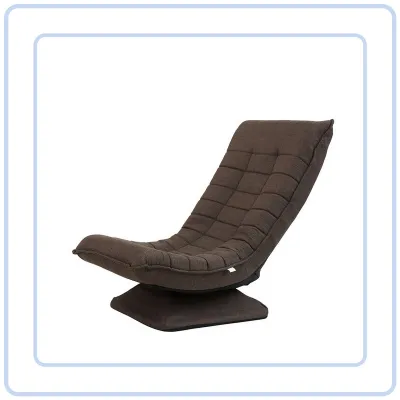
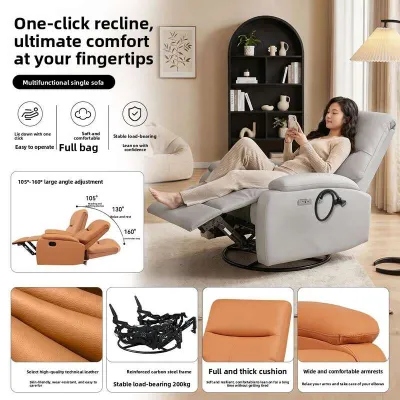
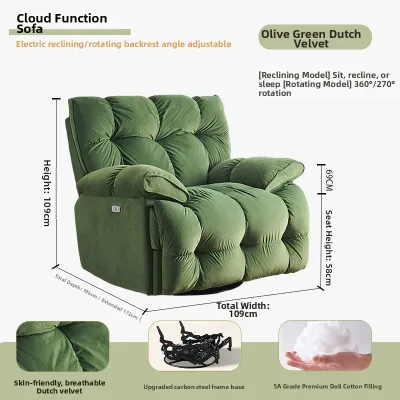
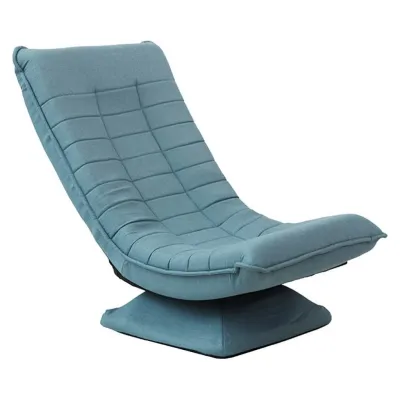
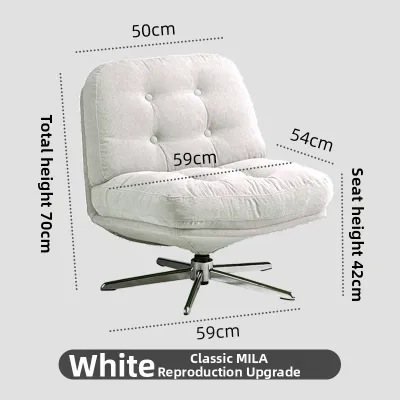
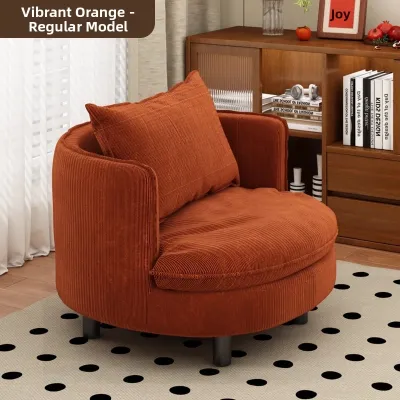
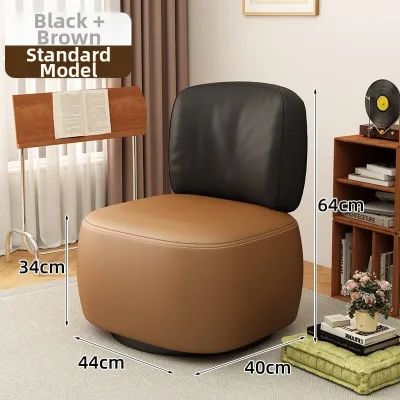
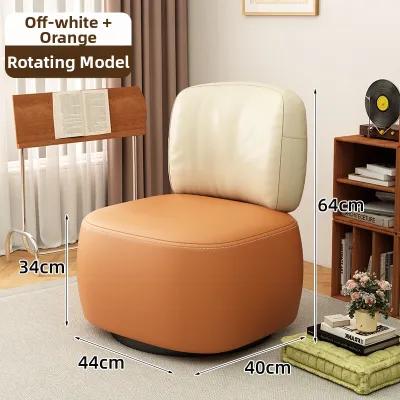
Prices are valid at publication and may change. Please refer to the product page for the latest price.
A common mistake is assuming that a highly rated brand will automatically deliver the perfect chair for your needs. In reality, a direct “best brand” designation is impossible because comfort is deeply tied to individual physical proportions. For instance, a tall individual requires a deeper seat depth and a higher backrest to achieve proper head and thigh support, whereas a shorter user might find the same chair leaves their feet dangling, causing pressure behind the knees. Your primary use case—whether you plan to use the chair for upright reading, watching television, or taking naps—also dictates the ideal balance of firmness and recline angle.
Before visiting a showroom or browsing online catalogs, make it a habit to request and review the manufacturer’s technical specification sheets. These documents reveal critical details that marketing descriptions often gloss over, such as the density of the polyurethane foam or the specific grade of the metal swivel mechanism. High-quality chairs typically feature high-resilience (HR) foam with a density rating of at least 30 kg/m³, which offers a supportive bounce-back feel. Understanding these technical baselines allows you to compare different models objectively, regardless of the brand logo on the tag.
Verifying Swivel Smoothness and Base Stability
The defining feature of a rotating sofa chair is its swivel base, making mechanical quality a primary consideration for both comfort and safety. When evaluating the swivel mechanism, look for systems that utilize sealed ball bearings rather than basic friction rings or plastic bushings. Sealed ball bearings distribute weight evenly across the rotating plate, resulting in a smooth, silent glide that requires minimal physical effort to turn. This design also prevents dust and debris from entering the mechanism, reducing wear and tear and eliminating the squeaks that often plague lower-quality chairs over time.

Weight capacity is another critical indicator of mechanical integrity and long-term durability. Always verify the maximum weight rating of both the swivel plate and the overall chair frame, which should be clearly stated in the product specifications. A mechanism rated for a higher capacity, such as 120 kg or more, generally indicates robust steel construction and thicker gauge metal components. Exceeding or even approaching the maximum limit of a lightweight mechanism can cause the swivel plate to warp, leading to uneven rotation, grinding noises, and premature mechanical failure.
Stability is paramount, especially when a rotating chair also features a reclining function. To prevent the chair from tipping over when you lean back and turn simultaneously, the base footprint must be sufficiently wide and heavy. Look for a solid, circular metal base or a reinforced five-star base design that extends close to the outer perimeter of the seat frame. When testing a chair, fully recline the backrest, extend the footrest, and gently rotate from side to side; there should be no sensation of lifting, wobbling, or off-balance shifting. A stable base ensures that the chair remains anchored to the floor, providing a secure and relaxing experience.
Comparing Seating Support and Upholstery Specifications
The materials used in the seat construction and upholstery directly influence how a rotating chair feels when you first sit down and how it holds up after years of daily use. Cushioning typically falls into two main categories: high-resilience (HR) foam and fiber-wrapped or down-filled foam. HR foam provides a firmer, more structured sit that promotes active posture and offers excellent pressure relief for long periods. Conversely, fiber-wrapped or down-blend cushions offer an immediate, cloud-like softness that allows you to sink into the chair, though they require regular fluffing and may lose their shape more quickly.
Beyond the foam itself, advanced ergonomic features can significantly enhance your comfort level. Look for models that offer adjustable lumbar support, which allows you to fine-tune the firmness in the lower back area to match your spinal curve. An articulated headrest is another valuable feature, enabling you to tilt your head forward for reading or watching television even when the chair is fully reclined. Additionally, pay attention to the seat pitch—the angle of the seat relative to the floor—as a slight backward slope helps distribute your body weight more evenly across the seat cushion and reduces pressure on your lower spine.
Upholstery choice affects not only the aesthetic of the chair but also its breathability and maintenance requirements. When reviewing upholstery specifications, check the fabric labels for breathability ratings and fiber content; natural fibers like cotton and linen blends offer excellent airflow but may require specialized cleaning. For high-traffic households, performance fabrics treated with moisture-resistant and stain-resistant barriers are highly practical, allowing spills to bead up on the surface for easy cleanup. If you prefer leather, look for top-grain or full-grain options, which breathe naturally and develop a beautiful patina over time, avoiding synthetic polyurethane (PU) leathers that can trap heat and feel sticky in warm climates.
Space Planning: Rotation Radius and Delivery Clearance
A rotating sofa chair requires more physical space than a standard stationary armchair, making careful spatial planning essential before making a purchase. You must measure the full rotation radius, which is the circular clearance zone required for the chair to spin freely without striking nearby walls, side tables, or other furniture. This measurement must account for the chair in its most extended state—with the backrest fully reclined and the footrest completely extended. Failing to calculate this clearance can result in accidental collisions that damage both your walls and the chair’s reclining mechanism.
In addition to the room layout, you must plan the delivery route from your home’s entrance to the final destination. Measure the width and height of all doorways, hallways, tight corners, and stairwells that the delivery team must navigate. Many rotating recliners are heavy and shipped as a single, bulky unit, though some models feature removable backrests that make transport easier. Verifying these dimensions beforehand prevents the frustration of a delivery that cannot fit through your front door or turn a tight corner in your hallway.
Finally, consider how the chair’s base will interact with your flooring material. On hard surfaces such as hardwood, laminate, or tile, the constant rotation of a metal base can cause scratches or scuffs over time. Applying high-density felt pads or a dedicated non-slip silicone ring to the underside of the base can protect your floors and dampen operational noise. For carpeted rooms, particularly those with thick, high-pile carpets, the base may sink into the fibers, creating resistance that makes rotating difficult. In these scenarios, placing a low-profile, rigid chair mat under the base ensures smooth, unobstructed movement.
Decision Framework: Which Rotating Recliner Profile Fits You?
To simplify your selection process, use this conditional decision framework to match your lifestyle and physical needs to the right rotating recliner profile.
Choose a plush, deep-seat profile if your primary goal is casual lounging, watching movies, or napping. These chairs typically feature thick, fiber-wrapped cushions, generous seat depths, and wide armrests that create a cozy, enveloping sensation. This profile is ideal for spacious living rooms where the chair can serve as a dedicated relaxation zone, and where active, upright ergonomic support is secondary to immediate, sink-in comfort.
Choose an ergonomic, adjustable-profile if you plan to use the chair for multi-functional activities such as reading, working on a laptop, or if you suffer from chronic back discomfort. These models prioritize structured, high-resilience foam, built-in adjustable lumbar support, and independent control over the recline and footrest angles. This profile keeps your body properly aligned, reducing fatigue during long hours of sitting and making it easier to transition between upright and reclined positions.
Verify first if you have specific mobility challenges, such as difficulty standing up from a deep, soft seat, as you may require a firmer cushion height and a stable, non-rocking base. Additionally, check for a locking swivel mechanism if you have young children or pets, as disabling the rotation when the chair is not in use prevents accidental movement. Finally, if your living space is compact, prioritize “wall-hugger” designs that slide forward as they recline, minimizing the clearance needed behind the chair.
Frequently Asked Questions (FAQ)
Can a rotating recliner be locked in a stationary position?
While some rotating recliners offer a swivel lock feature, it is not a universal standard across all brands or models. Some designs include a manual locking pin, a lever, or an electronic brake that secures the chair in a forward-facing position, which is particularly useful when you want to prevent movement while standing up or sitting down. To confirm whether a specific model has this capability, you should carefully review the product manual or consult the manufacturer’s technical specifications before purchasing.
Do swivel chairs require special floor protection?
Yes, swivel chairs often benefit from dedicated floor protection to prevent damage and ensure smooth operation. On hard flooring such as hardwood, laminate, or luxury vinyl tile, the continuous rotation of a metal or heavy plastic base can cause surface scratches, scuffs, or wear marks over time. Applying high-density felt pads, rubber grip strips, or using a low-profile protective chair mat will safeguard your floors. For thick, high-pile carpets, a rigid plastic mat is highly recommended to prevent the base from sinking, which can restrict rotation and strain the swivel mechanism.
Community discussion
Share your experience or ask a question. Comments are reviewed before publication.