
Finding the ideal slim office chair for a home office in Singapore is a balancing act between spatial efficiency and physical comfort. With many residential layouts featuring compact study corners, spare bedrooms, or multi-purpose living areas, a bulky executive chair can quickly overwhelm a room and restrict movement. True value does not simply mean choosing the cheapest option available on an online marketplace; instead, it lies in finding a chair that fits your physical frame, matches your daily working hours, and respects the physical boundaries of your floor plan. By evaluating key structural elements, material choices, and local retail offerings, you can secure a seating solution that supports your posture without cluttering your home.
Because Singapore’s housing landscape often prioritizes space optimization, a slim chair must be evaluated not just as an isolated piece of furniture, but as an integrated part of your living environment. A well-chosen compact chair allows for smooth traffic flow around your desk while ensuring that your body remains properly aligned during long hours of remote work. To find the best value, you must look past aesthetic marketing and focus on verifiable specifications, structural integrity, and practical design features that align with your daily routine.
Defining "Best Value" for Slim Home Office Chairs
Establishing what “best value” means for your home office requires looking beyond the initial price tag to calculate the total cost of ownership and comfort over time. A cheap chair that loses its cushioning support within six months or causes back strain is ultimately a poor investment. Value is a calculation of how many years of comfortable, pain-free use a chair provides relative to its cost. For those working full-time from home, investing in a chair with robust structural components and adjustable ergonomic features is far more valuable than opting for a basic, non-adjustable model that requires early replacement.
Products mentioned in this guide
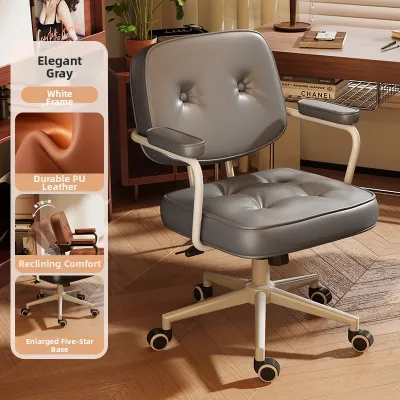
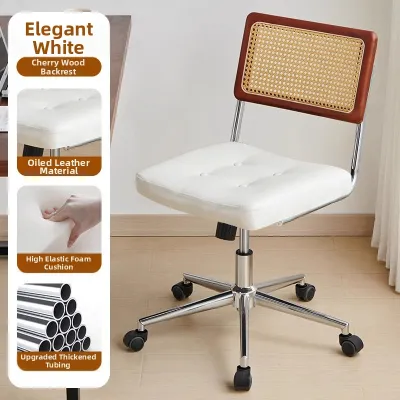
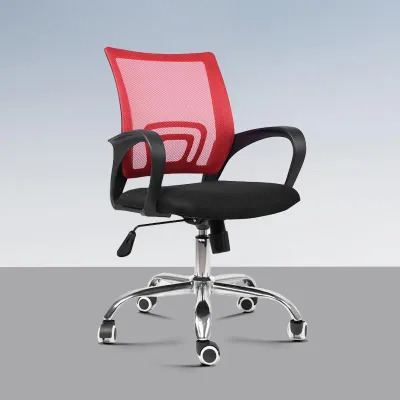

Prices are valid at publication and may change. Please refer to the product page for the latest price.
To determine your personal value criteria, start by assessing your daily usage patterns. If you only sit at your desk for one or two hours a day to check emails or pay bills, a simple, low-profile chair with basic padding may offer excellent value. However, if you spend eight or more hours a day in your chair, your body requires advanced support mechanisms. In this scenario, value is defined by high-density foam, adjustable lumbar support, and breathable materials that prevent fatigue and physical discomfort over long sessions.
Space constraints are the next critical factor in the value equation. Before browsing brands, measure the exact footprint of your workspace, paying close attention to the clearance under your desk and the surrounding walking paths. A slim chair that cannot slide fully under your desk when not in use will permanently occupy valuable floor space, potentially blocking walkways in a compact room. Therefore, a chair that perfectly matches your spatial limits offers higher practical value than a slightly cheaper, bulkier alternative that disrupts your home’s flow.
Key Dimensions to Compare Across Slim Chair Brands
When comparing slim office chairs, physical dimensions are the most objective metrics you can use to narrow down your choices. Start by examining the seat width and seat depth specifications provided by the manufacturer. A slim chair should have a compact outer profile while still offering a seat that is wide enough to support your hips comfortably. Ensure the seat depth allows you to sit fully back against the lumbar support with a small gap of about two to three fingers between the edge of the seat and the back of your knees.

Armrest profiles play a significant role in both comfort and space-saving utility. Fixed armrests can prevent a chair from sliding under low desks, forcing the chair to stick out into the room. Look for brands that offer adjustable or flip-up armrests. Flip-up arms are particularly valuable for tight spaces, as they allow you to lift the armrests out of the way entirely when you need to push the chair flush against the desk edge. If you prefer adjustable armrests, check their height range to ensure they can clear the underside of your desk frame.
Another frequently overlooked dimension is the diameter of the star base and the caster footprint. While a slimmer seat and backrest make a chair look compact, the base must remain wide enough to ensure stability and prevent tipping. Compare the base diameters of different brands; a base that is too wide may clash with desk legs or pedestrian paths, while a base that is too narrow might compromise safety. Ensure the caster wheels are suitable for your flooring type, opting for soft polyurethane casters for hard floors like vinyl or parquet to prevent scratching.
Finally, always verify the maximum weight capacity and the structural warranty terms offered by each brand. A high weight capacity is a strong indicator of robust frame construction and high-quality cylinder mechanisms. Compare the warranty periods across brands, looking for coverage that includes the gas lift, tilt mechanism, and frame. A longer warranty period directly enhances the chair’s value proposition, giving you peace of mind that the manufacturer stands behind the durability of their compact design.
Evaluating Build Quality and Comfort in Compact Designs
Evaluating build quality in a slim chair requires a close inspection of materials and construction methods, especially since compact designs have less material to absorb daily wear and tear. Cushioning is a primary comfort factor; look for high-density molded foam rather than low-density cut foam. Molded foam retains its shape and supportive properties over years of use, whereas cheaper foam quickly flattens out, leading to discomfort and poor posture. If possible, check the density rating of the foam specified by the manufacturer.
For the backrest, breathable mesh is highly popular in Singapore’s warm and humid climate. However, not all mesh is created equal. High-quality mesh should feel firm and resilient, springing back into shape immediately when pressure is released. Low-grade mesh tends to sag over time, losing its ability to support your back. Examine the frame surrounding the mesh; it should be constructed from reinforced nylon or metal to ensure it does not flex excessively or warp under your body weight.
Lumbar support is critical in a slim backrest, where there is less physical space to build in complex ergonomic systems. Compare how different brands address this: some use a fixed, built-in curve in the backrest frame, while others provide an adjustable lumbar pad that can be moved vertically or horizontally. Adjustable lumbar support is generally superior, as it allows you to align the support precisely with the natural curve of your lower spine. Ensure the lumbar mechanism feels secure and does not slip out of place during movement.
Upholstery durability is another key area to verify before purchasing. Check the manufacturer’s care labels and material specifications for wear resistance, often measured in double-rub cycles. If you choose fabric upholstery, look for stain-resistant treatments that make cleaning easier. For mesh or synthetic leather, inspect the stitching and joints where the material meets the frame. Loose threads or uneven seams are early warning signs of substandard manufacturing that could lead to premature tearing or unraveling.
Recline and tilt tension mechanisms must also be evaluated to ensure they offer smooth, controlled movement. A compact chair should still allow you to recline comfortably without feeling like you are going to tip backward. Look for chairs that feature adjustable tilt tension, which lets you customize the resistance of the backrest based on your body weight. A lockable recline feature is also highly beneficial, allowing you to secure the backrest at your preferred angle for focused work or casual reading.
Price Tiers and What to Expect from Brands in Singapore
Understanding the local market’s price tiers helps you set realistic expectations and identify where the best value lies for your specific budget. In Singapore, the entry-level tier typically ranges from S$50 to S$150. In this bracket, you can expect basic slim chairs with fixed armrests, standard nylon bases, and simple mesh backrests. While these chairs are highly affordable and suitable for light, occasional use, they often lack advanced ergonomic adjustments and may feature lower-density foam that degrades quickly under daily, full-time use.
The mid-range tier, spanning from S$150 to S$400, is where most work-from-home professionals find the sweet spot for value. Brands in this category generally offer improved build quality, including high-density molded foam, resilient mesh, and adjustable armrests. You will also find better tilt mechanisms and sturdier star bases made of reinforced nylon or aluminum. These chairs are designed for daily eight-hour use and often come with reliable customer support and multi-year warranties from local distributors.
The premium tier starts around S$400 and can extend well over S$1,000. Premium brands focus on advanced engineering, utilizing high-grade materials like glass-fiber reinforced polymers, polished aluminum, and proprietary ergonomic mesh. These compact designs offer highly sophisticated, self-adjusting tilt mechanisms that adapt to your body movement automatically. Furthermore, premium chairs are backed by extensive structural warranties, often lasting five to twelve years, making them a highly durable investment for long-term home office setups.
When calculating your final budget, remember to factor in additional costs that may not be included in the base price. Always verify delivery fees, assembly charges, and return policies directly with authorized retailers in Singapore. Some brands offer free delivery and professional on-site assembly, which adds significant value by ensuring the chair is put together correctly and saving you the time and effort of DIY assembly. Additionally, check if the retailer has a local showroom where you can test the chair in person before committing to a purchase.
Decision Framework: Matching the Right Slim Chair to Your Needs
To finalize your shortlist and choose the best slim chair for your home, apply a structured decision framework based on your specific workspace conditions and physical requirements. By matching your unique constraints to specific chair features, you can avoid common purchasing mistakes and ensure long-term satisfaction with your investment.
First, assess your desk configuration and storage needs. If your desk has a fixed height or features under-desk drawers that limit vertical clearance, prioritize a model with flip-up armrests or highly adjustable low-profile arms. This ensures you can slide the chair completely underneath the desk when your workday is over, keeping your room’s walkways clear and maximizing your living space.
Next, consider your home’s climate control and your personal temperature preferences. If your workspace is located in a room without consistent air conditioning, a high-density mesh backrest is essential to promote airflow and keep you cool. Conversely, if you work in a fully air-conditioned environment and prefer a softer, more cushioned feel, a slim chair with a high-density foam seat and fabric upholstery may provide a more comfortable, cozy seating experience.
Your daily usage duration should dictate the level of structural reinforcement you choose. If you plan to sit in the chair for more than eight hours daily, look for a model with a reinforced aluminum base, a high-quality gas lift cylinder, and adjustable lumbar support. Do not compromise on ergonomic adjustability for full-time use, as the physical support provided to your spine and joints far outweighs minor savings on a basic model.
Finally, always perform a spatial compatibility check before making a final decision. If your available floor space is exceptionally narrow or if you have a compact corner desk, stop and consult the manufacturer’s detailed dimension guide. Compare the maximum caster spread of the star base against the clear space between your desk legs. If the base is wider than the opening, you will not be able to sit comfortably close to your work surface, rendering the chair impractical regardless of its other features.
Frequently Asked Questions (FAQ)
Are slim office chairs less durable than standard ergonomic chairs?
No, a chair’s physical profile does not automatically dictate its durability. The lifespan of an office chair depends on the quality of its internal mechanisms, the grade of materials used, and its overall construction quality rather than its outer dimensions. A slim chair built with a reinforced nylon or aluminum frame, high-density molded foam, and a certified gas lift cylinder can easily match or exceed the durability of a bulkier, low-quality ergonomic chair. To ensure long-term reliability, always check the manufacturer’s weight capacity ratings and look for structural warranties of at least two to five years.
How do I measure my desk to ensure a slim chair will fit properly?
To ensure a perfect fit, start by measuring the vertical distance from the floor to the lowest point of the underside of your desk, including any drawer units or support beams. This measurement determines the maximum height your chair’s armrests and seat cushion can be if you want to slide the chair under the desk. Next, measure the clear width between the desk legs to ensure the chair’s star base can roll in and out without getting stuck. Finally, measure the depth of your desk and the available floor space behind it to ensure there is enough room for you to push the chair back and stand up comfortably without hitting walls or other furniture.
Community discussion
Share your experience or ask a question. Comments are reviewed before publication.