
Maximizing bedroom space in Singapore’s HDB flats and condominiums often requires utilizing the area beneath the bed. With typical bedroom sizes becoming more compact, utilizing this often-overlooked area can free up valuable wardrobe space and keep your room clutter-free. However, finding the right storage box drawer involves more than just picking a design you like; it requires matching exact bed frame clearances with durable, functional builds. By focusing on precise physical compatibility, material durability in a humid climate, and smooth mechanical designs, you can build a reliable shortlist of under-bed storage solutions that fit your specific room layout and organizational needs.
Measure Your Under-Bed Clearance and Room Layout
Before browsing online catalogs or visiting furniture showrooms, you must establish the exact physical boundaries of your under-bed space. Start by measuring the vertical clearance from the floor to the lowest point of your bed frame. Do not rely solely on the manufacturer’s listed bed height, as support beams, decorative valances, or mattress slats often protrude downward, reducing the actual usable height. Measure this clearance at multiple points—near the headboard, the footboard, and the sides—to account for any slight floor unevenness or frame sagging. If your bed frame has a flexible slatted base, remember to account for how much the slats might sag when a mattress and sleepers are on top.
Next, map out the horizontal footprint under the bed. Note the positions of all support legs, especially the center support legs common in queen and king-sized frames. These legs divide the under-bed area into distinct zones, meaning you may need two or four smaller storage box drawer units rather than one large container. Measure the depth from the outer edge of the frame to these center supports to ensure your chosen drawers will not stick out or hit the internal structure of the bed. Keep in mind that some bed frames have a recessed plinth or a lip that requires you to lift the drawer slightly to pull it out, which demands extra vertical clearance.
Products mentioned in this guide
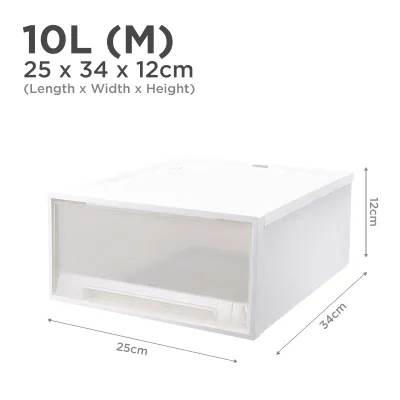
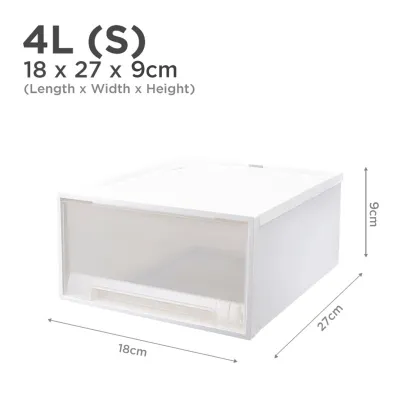
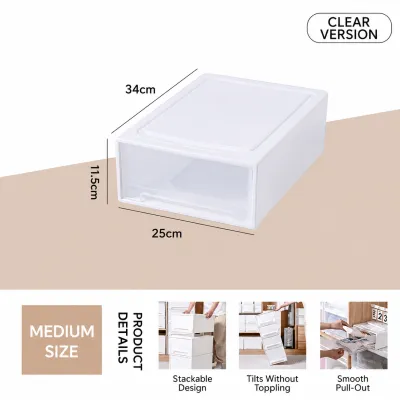
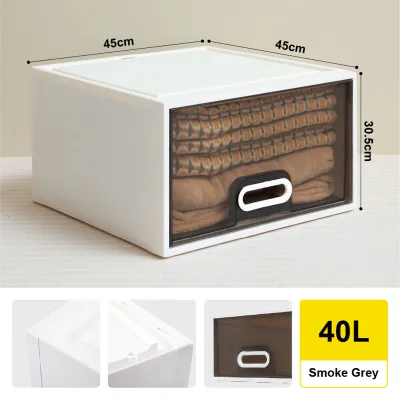
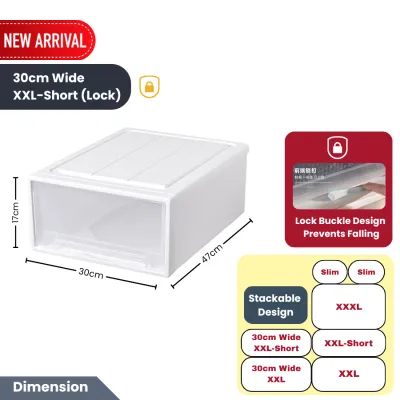
Prices are valid at publication and may change. Please refer to the product page for the latest price.
Equally important is the clearance outside the bed frame. A storage box drawer is only useful if you can pull it out fully to access its contents. Measure the distance between the side of your bed and the nearest wall, wardrobe, or bedside table. Ensure there is enough clearance for the drawer to extend completely while still leaving adequate walkway space for you to stand or kneel comfortably beside it. If your bedroom layout is particularly tight, you might need to opt for narrower drawers or units with split lids that can be accessed without pulling the entire box out.
Finally, consider the logistics of getting the storage units into your home. While many plastic or flat-packed wooden drawers are easy to transport, fully assembled wooden or metal storage units can be bulky. Measure your building’s elevator door, lift interior, and your apartment’s front door and bedroom doorways. Ensuring these pathways can accommodate the packaging dimensions will prevent delivery day complications and protect your walls from accidental scuffs.
Key Features to Evaluate in a Storage Box Drawer
When comparing different storage box drawer options, the mechanical design directly impacts how easily you can access your items daily. The first feature to evaluate is the drawer slide or movement mechanism. Some under-bed drawers sit directly on the floor and utilize wheel casters, while others are integrated into a self-contained outer frame with built-in drawer runners. If you choose a model with drawer runners, verify the slide type—such as ball-bearing slides or simple roller tracks—and check the manufacturer’s specified weight capacity. High-quality slides prevent the drawer from sticking, sagging, or pulling completely out of its housing when fully loaded.

For drawers that roll directly on the floor, the type of wheel caster is critical. Hard plastic wheels are common but can scratch delicate flooring or make significant noise when rolled. Look for casters made of soft polyurethane or rubber, which glide quietly and protect your floors. If your bed sits on a thick rug or carpet, standard small wheels may sink and struggle to roll; in these cases, larger, wide-surface wheels or specialized carpet-compatible casters are necessary. Alternatively, some lightweight plastic storage box drawer units feature low-friction felt pads or smooth molded bases designed to slide easily without wheels, which can be ideal for low-clearance beds.
The physical design of the drawer body also determines its long-term utility. Look for ergonomic handle designs that are easy to grip from a low angle, allowing you to pull the drawer out without straining your back or fingers. Dust protection is another vital consideration, especially for items stored close to the floor where dust bunnies naturally accumulate. Opt for drawers with tight-fitting lids, overlapping edges, or integrated dust-proof seals to keep your clothes, bed linens, and pillows clean. If you plan to store various small items, look for models that offer adjustable internal dividers or modular compartments to prevent contents from shifting and becoming disorganized every time you open the drawer.
Material and Build Quality Checks for Long-Term Use
The materials used to construct your storage box drawer dictate its durability, weight, and suitability for Singapore’s tropical climate. Engineered wood, such as medium-density fibreboard (MDF) or particleboard, is a popular choice for matching existing bedroom furniture. However, if you select engineered wood, ensure it features high-quality edge banding and a protective laminate or veneer finish. Unsealed engineered wood can absorb ambient moisture, leading to swelling, warping, or mold growth over time. Solid wood options offer superior joint strength and longevity but are heavier and typically more expensive.
Heavy-duty plastic (such as polypropylene) is an exceptionally practical material for under-bed storage. It is naturally moisture-resistant, impervious to pests, lightweight, and easy to wipe clean. When evaluating plastic drawers, check the thickness of the walls and the reinforcement ribbing along the bottom. Thin, flimsy plastic can bow under the weight of stored items, causing the drawer to warp and jam within its frame. Metal wire or sheet metal frames offer excellent structural stability and a modern industrial look, but they must be treated with a rust-resistant powder coating to withstand high humidity levels.
Fabric-covered storage drawers are another option, often featuring a collapsible design with a metal or cardboard frame. While they are lightweight and aesthetically pleasing, fabric can absorb moisture and dust more easily than plastic or wood. If you choose fabric, ensure it is a breathable, synthetic material like polyester that is easy to spot-clean, and consider using desiccant packs inside to manage humidity.
Always verify the manufacturer’s specifications regarding load-bearing limits for both the individual drawers and the top surface of the unit if they are stackable. Overloading a drawer can damage its joints, bend the wheel axles, or crack the plastic base. Additionally, pay attention to indoor air quality certifications, particularly for wooden or plastic products. Look for low-formaldehyde certifications (such as EPA TSCA Title VI or CARB Phase 2) for engineered wood, and BPA-free labels for plastic containers, ensuring that the storage units do not release unpleasant chemical odors or volatile organic compounds (VOCs) into your sleeping environment.
How to Build Your Shortlist of Storage Box Drawers
To find the best storage box drawer without becoming overwhelmed by the vast array of online options, start by establishing a clear budget. Prices in Singapore can range from under S$20 for basic plastic modular drawers to over S$150 for premium solid wood or upholstered units. Once your budget is set, use the exact dimensions you measured earlier as your primary search filter on online furniture marketplaces and retailer websites. Immediately exclude any options that exceed your vertical clearance or require more extension space than your bedroom layout allows.
Next, leverage user reviews to assess the real-world performance of your shortlisted items. Look specifically for feedback regarding the assembly process, as some flat-packed drawers can be notoriously difficult to put together or may arrive with missing hardware. Pay close attention to reviews written after several months of use; these often highlight critical long-term durability issues, such as wheels breaking off, plastic cracking under weight, or drawer runners becoming misaligned. If multiple reviews mention that a drawer is difficult to slide when filled, it is a strong indicator to look elsewhere.
Finally, compare the purchasing terms offered by different retailers. Because under-bed storage units can be bulky, delivery fees can significantly impact the total cost. Look for retailers that offer free local delivery above a certain spending threshold or provide self-collection options if you have a vehicle. Be sure to check if there are delivery surcharges for non-lift accessible floors, which is common in older HDB blocks. Carefully review the warranty terms—especially for mechanical parts like drawer slides and wheels—and check the return policy. A flexible return policy is incredibly valuable in case you discover a minor measurement error or if the product does not fit under your bed frame as expected.
Assembly, Placement, and Maintenance Guidelines
Proper assembly and ongoing maintenance are essential to ensure your under-bed storage box drawer functions smoothly for years. When assembling flat-packed units, follow the manufacturer’s instructions step-by-step and avoid over-tightening screws, which can strip the pre-drilled holes in engineered wood or crack plastic components. Once assembled, distribute the weight of your items evenly inside the drawer. Place heavier items, such as books or winter wear, toward the back or center of the drawer, and lighter items toward the front to prevent the unit from tipping or putting uneven stress on the wheels and slides.
To protect your bedroom flooring, apply high-quality felt pads or silicone floor protectors to any stationary parts of the storage frame that contact the ground. If your drawers use wheels, ensure the casters are clean and free of debris that could scratch vinyl, laminate, or parquet flooring. Regularly vacuum the floor space around and beneath the drawers to prevent dust, hair, and lint from wrapping around the wheel axles, which can cause them to seize up and drag across your floor.
Given Singapore’s high humidity, managing moisture under the bed is crucial. Place silica gel packs or charcoal dehumidifier bags inside the drawers to absorb excess moisture and prevent musty odors or mold from developing on stored textiles. Periodically inspect the hardware of your storage drawers. Tighten any loose screws or cam locks that may have vibrated loose over time through regular opening and closing. If your drawers feature metal slides, a light application of a silicone-based lubricant can keep them sliding effortlessly.
Frequently Asked Questions (FAQ)
Can I use a storage box drawer on a carpeted floor?
Yes, but you must choose the right type of drawer. Standard small plastic wheels often struggle to roll on carpeted surfaces because they sink into the pile, creating high resistance. If your bedroom is carpeted, look for storage box drawers equipped with large, wide-diameter wheels or specialized carpet casters. Alternatively, you can place a low-profile, rigid plastic protective mat under the bed to create a smooth rolling surface, or opt for lightweight fabric or plastic drawers with smooth, flat bases designed to slide rather than roll.
How do I prevent dust from accumulating inside the drawers?
To keep dust out of your under-bed storage, prioritize drawers that feature tight-fitting lids, interlocking edges, or rubber gaskets along the seams. If you are using open-top drawers or models with loose clearances, store your textiles, bedding, and seasonal clothing inside zippered fabric storage organizers or airtight vacuum-sealed bags before placing them in the drawer. Regularly vacuuming the floor around and under your bed frame will also significantly reduce the amount of airborne dust that settles near your storage units.
Are under-bed drawers suitable for storing heavy items like books?
Under-bed drawers can store heavier items, but only if the specific model is designed to handle the load. Always check the manufacturer’s rated weight capacity before loading drawers with dense items like books, heavy tools, or weight plates. Standard plastic or lightweight fabric drawers will bow, crack, or fail under excessive weight. If you need to store heavy items, look for drawers constructed from solid wood or reinforced metal frames with heavy-duty ball-bearing slides or robust, floor-bearing wheels that distribute the weight directly to the ground.
Community discussion
Share your experience or ask a question. Comments are reviewed before publication.