
A solid wood storage bench is a highly functional addition to any Singapore home, serving as a handsome entryway seat, a dining bench with hidden storage, or a bedroom blanket chest. Finding a high-quality piece in Singapore requires looking beyond attractive catalog photos to evaluate the wood species, construction joinery, and hardware durability. Because Singapore’s tropical climate exposes wood to high humidity and temperature fluctuations, choosing a well-constructed bench from a reputable brand is essential to prevent warping, cracking, and premature wear.
To find the best solid wood storage bench brands, you must understand the difference between mass-produced veneer options and authentic solid timber, identify the right brand type for your budget, and accurately measure your living space. This guide outlines how to evaluate build quality, compares the primary furniture sourcing channels in Singapore, and provides essential maintenance tips to ensure your investment lasts for decades.
How to Evaluate the Quality of a Solid Wood Storage Bench
When shopping for a solid wood bench, the term “solid wood” can sometimes be misleading. Some retailers use “solid wood” to describe a piece that is primarily made of engineered wood with thin solid wood accents, or they may use low-grade softwoods that dent easily under daily use. To ensure you are purchasing a premium, durable piece, you must evaluate four core components: wood species, joinery construction, hardware quality, and surface finishes.
Products mentioned in this guide
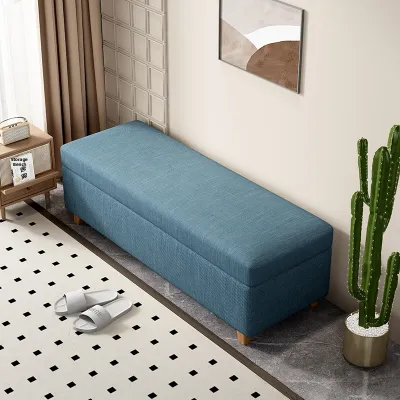
![[Cozy ]Nordic Solid Wood Shoe Changing Stools Simple Living Room Sofa Storage Bench Creative Ottomans Bed End Stool](https://img.lazcdn.com/g/p/0a0e7c38bb4dc3619d6b2b48adb80ca1.jpg_webp_400x400q80.jpg_.webp)
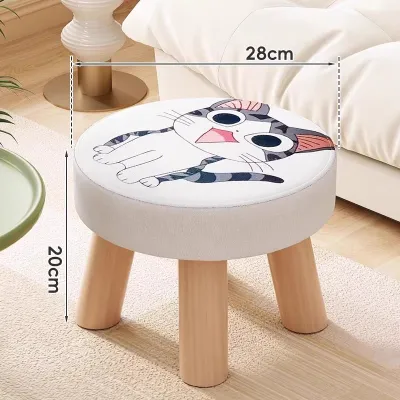
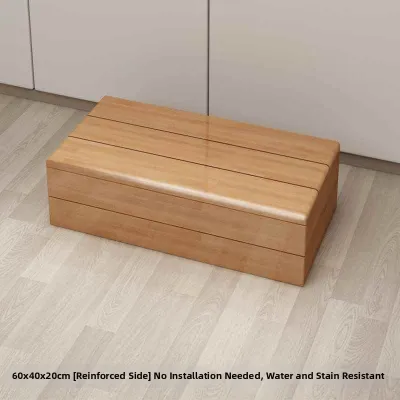
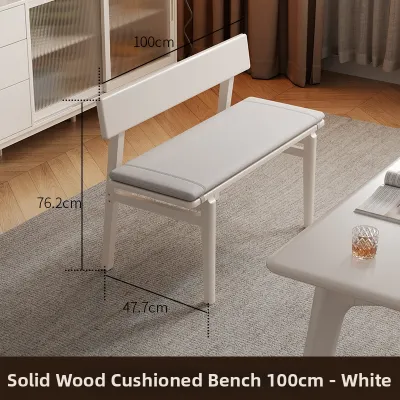
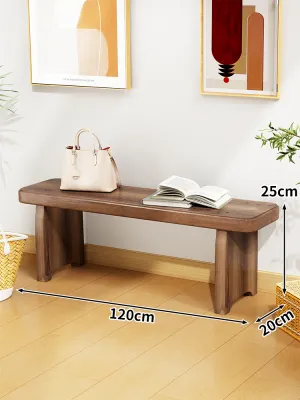
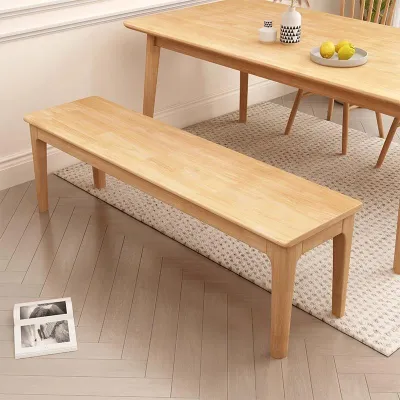
Prices are valid at publication and may change. Please refer to the product page for the latest price.
Wood Species and Grading
The species of wood used directly determines the bench’s weight, dent resistance, and longevity. Hardwoods such as teak, American walnut, and white oak are the premier choices for seating furniture because of their high density and natural resistance to wear. Teak is particularly valued in Singapore for its high natural oil content, which makes it exceptionally resistant to moisture and pests. American walnut offers a rich, dark grain pattern and excellent dimensional stability, while white oak provides a hard, scratch-resistant surface with a prominent, classic grain.
In contrast, softwoods like pine or fir are much lighter and softer. While pine benches are more affordable, they are highly susceptible to scratches, dents, and gouges from keys, bag buckles, and shoes. Additionally, you should be aware of wood grading terminology. The highest visual grade for lumber is First and Seconds (FAS), which indicates that the wood has a clean appearance with minimal knots. However, visual grading primarily concerns aesthetics rather than structural load-bearing capacity. For a storage bench, you want to ensure the timber is free of structural defects like deep splits or loose knots, regardless of its aesthetic grade.
Joinery and Construction
The way a bench is put together determines how well it will withstand the dynamic weight of people sitting down and rising. Mass-market furniture often relies on basic butt joints held together by metal screws, staples, and wood glue. Over time, the movement of people sitting on the bench exerts lateral force, which loosens these fasteners and causes the frame to wobble or squeak.
High-quality solid wood furniture utilizes traditional joinery methods that lock the wood pieces together mechanically. Look for mortise-and-tenon joints, where a projecting tongue (tenon) on one piece fits into a corresponding hole (mortise) on another. This joint provides immense shear strength. For drawer boxes inside the storage compartment, dovetail joints—which feature interlocking wedge-shaped fingers—are the gold standard for resisting the pulling forces of daily use. When inspecting a bench, look under the seat and inside the drawers to check if the joints are flush and tight, with no visible gaps or excessive glue squeeze-out.
Hardware and Moving Parts
A storage bench is only as functional as its moving parts. Whether the bench features a flip-top lid, pull-out drawers, or sliding doors, the hardware must be robust enough to handle heavy daily use. For flip-top benches, the hinges must bear the weight of the solid wood seat. Look for heavy-duty brass or stainless steel hinges with integrated soft-close dampers or gas struts. Soft-close mechanisms are crucial for safety, preventing the heavy solid wood lid from slamming shut on fingers or causing loud, disruptive noises.
If the bench utilizes drawers, inspect the drawer runners. High-quality benches feature full-extension, under-mount drawer slides made of steel, which allow the drawer to open fully without sagging. These slides should operate smoothly and quietly, even when the drawer is loaded to its maximum capacity. Avoid flimsy plastic side-mount runners or simple wood-on-wood grooves, which can stick and bind when the humidity changes.
Surface Finishes
The finish applied to the wood determines both its appearance and its level of protection against spills, stains, and scratches. There are two primary categories of finishes: penetrating oils and film-forming lacquers.
Penetrating oils, such as linseed or tung oil, soak deep into the wood fibers to highlight the natural grain and texture. They provide a matte, organic feel and are easy to spot-repair if a scratch occurs. However, oiled finishes offer limited protection against liquid spills and require periodic reapplication to maintain their moisture barrier.
Film-forming finishes, such as polyurethane or acrylic lacquers, create a hard, protective barrier on top of the wood surface. This shield is highly resistant to water stains, alcohol, and mild household cleaners, making it ideal for entryways where wet umbrellas or dirty shoes might contact the bench. The trade-off is that lacquered surfaces can look slightly more plastic-like, and repairing a deep scratch typically requires sanding down and refinishing the entire section.
Comparing Furniture Brand Types for Solid Wood Benches in Singapore
Navigating the furniture market in Singapore can be overwhelming, as there are dozens of retailers claiming to offer the best quality solid wood furniture. The right choice depends on your specific budget, how quickly you need the bench, and whether you require custom dimensions to fit a specific spot in your home. To simplify your search, you can categorize the available brands into three distinct types: custom woodworking studios, established local and regional retailers, and direct-to-consumer online brands.

When evaluating any brand, look beyond the glossy catalog photos. A reputable brand should be transparent about where they source their timber, whether the wood is certified sustainable (such as FSC-certified), and what kind of warranty they offer. In Singapore’s climate, a solid warranty of at least one to three years against structural defects, warping, or joint separation is a strong indicator of a brand’s confidence in their manufacturing quality.
Custom Woodworking Studios
- Best For: Homeowners who have a very specific design vision, require non-standard dimensions to fit an awkward alcove or entryway niche, or want to choose a premium, exotic hardwood.
- What to Verify: Before committing, ask the studio for a detailed technical drawing showing the internal joinery and structural support layout. Confirm the maximum weight capacity they have engineered the seat to support. Crucially, clarify the lead time, which typically ranges from six to twelve weeks depending on their current workshop queue and timber availability.
- Limitations: Custom pieces carry a significant price premium, often costing several times more than mass-produced alternatives. Because the item is custom-made to your specifications, these studios generally do not offer returns or exchanges unless there is a clear manufacturing defect that violates the agreed-upon design.
Established Local and Regional Retailers
- Best For: Buyers who want to physically test the bench's comfort, inspect the wood grain and finish quality in person, and prefer the security of buying from a well-known brand with a physical presence.
- What to Verify: Inspect the floor models closely for finish consistency, joint tightness, and hardware smoothness. Read the written warranty terms carefully to understand what constitutes a "natural wood characteristic" versus a warrantable structural defect. Ask if the listed price includes delivery, white-glove assembly, and disposal of your old furniture, as these fees can add S$80 to S$150 to your total cost.
- Limitations: The designs are standardized, meaning you cannot alter the dimensions, wood species, or drawer layouts. If a particular model is out of stock, you may still face a waiting period of several weeks for the next shipment to arrive in Singapore.
Direct-to-Consumer and Online Design Brands
- Best For: Tech-savvy, design-conscious buyers looking for contemporary aesthetics, competitive pricing, and a convenient online shopping experience with home delivery.
- What to Verify: Because you cannot touch the product beforehand, you must rely heavily on customer reviews. Look specifically for reviews that mention the ease of assembly, the actual color of the wood compared to the online photos, and how the bench has held up over several months. Carefully check the return policy, paying close attention to who covers the return shipping costs for a heavy, bulky solid wood item, which can be quite expensive in Singapore.
- Limitations: You cannot inspect the physical product before it arrives at your home. There is also a higher risk of shipping damage or missing assembly hardware, which can lead to frustrating delays while waiting for replacement parts to be delivered.
Essential Space and Delivery Checks Before You Buy
A common mistake when buying a solid wood storage bench is focusing solely on the style and price while overlooking the physical constraints of your home and the logistics of delivery. Solid wood furniture is incredibly heavy and rigid; unlike flat-pack particle board furniture, a fully assembled solid wood bench cannot be bent, squeezed, or easily disassembled to fit through tight spaces.
Footprint and Clearance
Before placing your order, you must measure your intended space with extreme precision. Do not just measure the static length and width of the floor area. You must also account for the operational clearance required to use the storage features.
- Flip-Top Lids: If the bench has a hinged top, ensure there is enough vertical clearance above the bench for the lid to open fully without hitting wall-mounted coat hooks, artwork, or light fixtures. Additionally, check that the open lid does not block light switches or power outlets.
- Drawers and Sliding Doors: If the bench features pull-out drawers, measure the distance from the front of the bench to the nearest obstacle (such as a coffee table, shoe rack, or opposite wall). Ensure there is enough space for the drawers to extend fully, plus an additional 40 to 50 centimeters of clearance for you to comfortably bend down and access the contents.
- Surrounding Traffic: Make sure the bench does not obstruct the natural walking path in your entryway or hallway. A bench that juts out too far can become a constant tripping hazard, especially in narrower HDB or condominium layouts.
Logistics and Access Constraints
In Singapore, where a vast majority of the population lives in high-rise apartments, delivery logistics are a critical consideration. You must verify the entire delivery path from the unloading bay to your living room.
- Lift Dimensions: Measure the height, width, and diagonal depth of your building's elevator door and cabin. Solid wood benches longer than 1.5 meters may not fit horizontally inside standard HDB lifts, requiring the delivery team to tilt the bench vertically, which requires sufficient ceiling height inside the lift.
- Corridors and Doorways: Walk the delivery path and check for narrow corridor turns, low-hanging pipes, and fire extinguishers. Measure the clear opening width of your main door frame and any interior doorways the bench must pass through.
- Assembly State: Ask the retailer whether the bench is delivered fully assembled or flat-packed. A fully assembled solid wood bench is incredibly heavy and rigid, making it much harder to maneuver through tight corners than a flat-pack piece that is assembled inside your room. If the delivery team must carry a heavy solid wood bench up the stairs due to lift limitations, most retailers charge a staircase delivery fee, typically ranging from S$10 to S$20 per floor.
Load-Bearing and Stability
A storage bench must be structurally capable of supporting the weight of multiple adults sitting on it simultaneously. Always check the manufacturer’s product specifications for the maximum static weight capacity. A high-quality solid wood bench should comfortably support at least 150 to 200 kilograms.
The design of the bench’s base also plays a significant role in its stability and how it interacts with your flooring.
- Plinth Bases: A solid plinth base distributes the weight evenly across the entire footprint of the bench. This is ideal for softer flooring materials or vinyl planks, as it minimizes the risk of leaving deep indentations.
- Legged Bases: Benches with individual legs concentrate the weight onto four small points. If your bench has legs, ensure they are equipped with felt pads or rubber glides to protect your flooring from scratches when the bench is moved. Avoid thin, spindly legs on long benches, as they can flex under heavy loads.
Assembly Requirements
If the bench does not come fully assembled, you must evaluate the complexity of the assembly process. Solid wood panels are heavy and can be difficult to align perfectly by yourself.
- Tools: Verify what tools are required. While many flat-pack items include a basic Allen key, assembling a solid wood bench may require a screwdriver, a rubber mallet, or even a spirit level to ensure the frame is perfectly square.
- Two-Person Job: Due to the weight of the timber, self-assembling a solid wood bench is almost always a two-person job. Attempting to lift or align heavy panels alone can lead to dropped parts, stripped screw holes, or personal injury. If you are not confident in your DIY skills, it is highly recommended to pay for professional assembly services if they are not already included in the purchase price.
Maintaining Solid Wood in Singapore's Tropical Climate
Singapore’s tropical climate—characterized by high relative humidity, high temperatures, and frequent transitions between natural heat and air-conditioned environments—poses unique challenges for solid wood furniture. Wood is a hygroscopic material, meaning it naturally absorbs and releases moisture from the surrounding air. When the humidity is high, the wood expands; when the air becomes dry (such as when the air conditioner is turned on), the wood contracts. This constant cycle of expansion and contraction can cause the wood to warp, split, or develop cracks if it is not properly cared for.
Environmental Placement
Where you position your solid wood bench inside your home has a massive impact on its lifespan.
- Avoid Direct Sunlight: Do not place your bench in direct sunlight, such as next to a large balcony door or window. The intense UV rays and heat will dry out the wood unevenly, leading to rapid warping, cracking, and fading of the finish. Use sheer curtains or blinds to filter the sunlight if the bench must be placed near a window.
- Keep Away from AC Vents: Avoid placing the bench directly under or in the direct path of air-conditioning vents. The cold, dry air blowing directly onto the wood will cause localized drying, leading to uneven contraction and structural stress. Try to maintain a relatively stable indoor temperature and humidity level where possible.
Routine Cleaning
Keeping your solid wood bench clean does not require expensive chemicals or complicated procedures. In fact, harsh cleaning agents can do more harm than good.
First, check the applied product’s label and the treated item’s manufacturer instructions. If instructions conflict, the item is unidentified, or the use is not covered, stop and consult the manufacturer or a qualified professional.
- Dusting: Dust the bench regularly with a slightly damp, lint-free microfiber cloth. A dry cloth can drag dust particles across the surface, creating microscopic scratches over time. The cloth should only be damp enough to pick up dust, not wet enough to leave standing water on the wood.
- Avoid Harsh Chemicals: Never use abrasive sponges, scouring pads, or cleaning products containing ammonia, bleach, or silicone. Ammonia can strip the protective finish and discolor the wood, while silicone-based polishes can leave a greasy residue that attracts dust and makes future refinishing difficult.
- Spill Management: Wipe up any liquid spills immediately with a dry, absorbent cloth. Do not allow water, coffee, or condensation from cold drinks to sit on the wood surface, as this can penetrate the finish and leave permanent white rings or dark water stains.
Finish-Specific Upkeep
The type of finish on your bench dictates its long-term maintenance requirements.
- Oiled Finishes: If your bench has an oil finish, it will need to be re-oiled periodically to maintain its moisture resistance and rich appearance. Before applying any oil, always check the manufacturer's care instructions for the recommended product type. Typically, you will apply a thin coat of wood-safe oil (such as linseed or mineral oil) using a soft cloth, let it penetrate for the specified time, and then buff away any excess.
- Lacquered Finishes: Lacquered surfaces are largely maintenance-free and do not require re-oiling. However, they must be protected from physical damage. Avoid dragging sharp objects, keys, or heavy bags across the surface. Use felt-bottomed trays or coasters to protect the finish from scratches and heat.
Internal Storage Care
Because a storage bench is an enclosed space, it can easily trap moisture, especially in Singapore’s humid climate. This trapped moisture can lead to musty odors, mold growth, and damage to the items stored inside, as well as the wood itself.
- Moisture Absorbers: Place disposable moisture-absorbing tubs, silica gel packets, or activated charcoal bags inside the storage compartment. These products will actively pull moisture out of the air, keeping the interior dry. Be sure to check and replace them regularly according to the manufacturer's instructions.
- Avoid Direct Contact: Ensure that damp items, such as wet umbrellas, sweaty gym bags, or damp shoes, are completely dry before placing them inside the wooden storage compartment. If you must store shoes, consider lining the bottom of the compartment with a removable, waterproof silicone mat to protect the wood from dirt and moisture, ensuring the mat itself does not trap moisture underneath.
- Air It Out: Periodically leave the storage lid or drawers open for a few hours, ideally on a dry day or when the air conditioning is running, to allow fresh air to circulate through the interior and prevent stagnant, humid air from building up.
Frequently Asked Questions (FAQ)
Is solid wood suitable for Singapore's humid weather?
Yes, solid wood is highly suitable for Singapore’s humid weather, provided it has been properly processed and cared for. High-quality furniture brands use timber that has been carefully kiln-dried to a specific moisture content that matches the average indoor humidity of tropical climates. This process significantly reduces the amount of expansion and contraction that occurs after the furniture is placed in your home. To ensure longevity, look for benches made of durable hardwoods like teak or white oak, and ensure they are sealed with a high-quality protective finish to minimize moisture exchange with the air.
How much weight can a typical storage bench support?
The weight capacity of a storage bench varies significantly depending on the thickness of the wood, the type of joinery used, and the overall length of the seat. Generally, a well-constructed solid wood bench with a thickness of at least 2 to 3 centimeters and robust mortise-and-tenon joints can comfortably support between 150 and 250 kilograms, which is equivalent to two to three average-sized adults. However, you should never rely on general assumptions. Always check the manufacturer’s product specification sheet for the explicit maximum weight limit before purchasing, especially if the bench will be used daily in a high-traffic entryway.
What is the difference between a storage bench and a storage ottoman?
The primary difference lies in their structural design, materials, and intended use. A storage bench features a rigid, exposed wooden frame and seating surface, often constructed entirely of solid wood, though some models may feature a slim, integrated seat cushion. Benches offer structured, stable seating and are ideal for entryways, dining tables, or hallways. In contrast, a storage ottoman is typically fully upholstered in fabric, leather, or faux leather, with padding covering all sides. Ottomans are generally softer, lack a rigid wooden exterior, and are designed primarily as footrests, casual extra seating, or decorative accents in living rooms and bedrooms.
Community discussion
Share your experience or ask a question. Comments are reviewed before publication.